









Ricoh Company, Ltd. has released its financial results for the first half of the fiscal year, revealing significant growth driven primarily by strong consumer demand for its compact camera lineup. Despite restructuring its traditional photography divisions—most notably the discontinuation of the longstanding Pentax K-series digital single-lens reflex (DSLR) cameras earlier this year—the company’s imaging segment continues to thrive against broader industry trends. According to the November financial disclosures, Ricoh’s "other" business segment, which encompasses digital cameras, 360-degree imaging devices, healthcare products, and environmental solutions, experienced a 20 percent increase in sales compared to the same period in the previous fiscal year. While this financial category groups several distinct business areas together, corporate reports explicitly attribute the upward momentum to the sustained popularity of the Ricoh GR series of compact cameras.
The Shift from DSLRs to Compact Powerhouses
The recent commercial success of Ricoh’s imaging sector reflects a broader, industry-wide shift in consumer preferences. Over the past several years, the global camera market has witnessed a notable decline in traditional DSLR sales, accompanied by a resurgence in demand for high-performance compact cameras. Consumers and photography enthusiasts have increasingly gravitated toward pocketable devices that offer advanced capabilities without the bulk of interchangeable-lens systems.
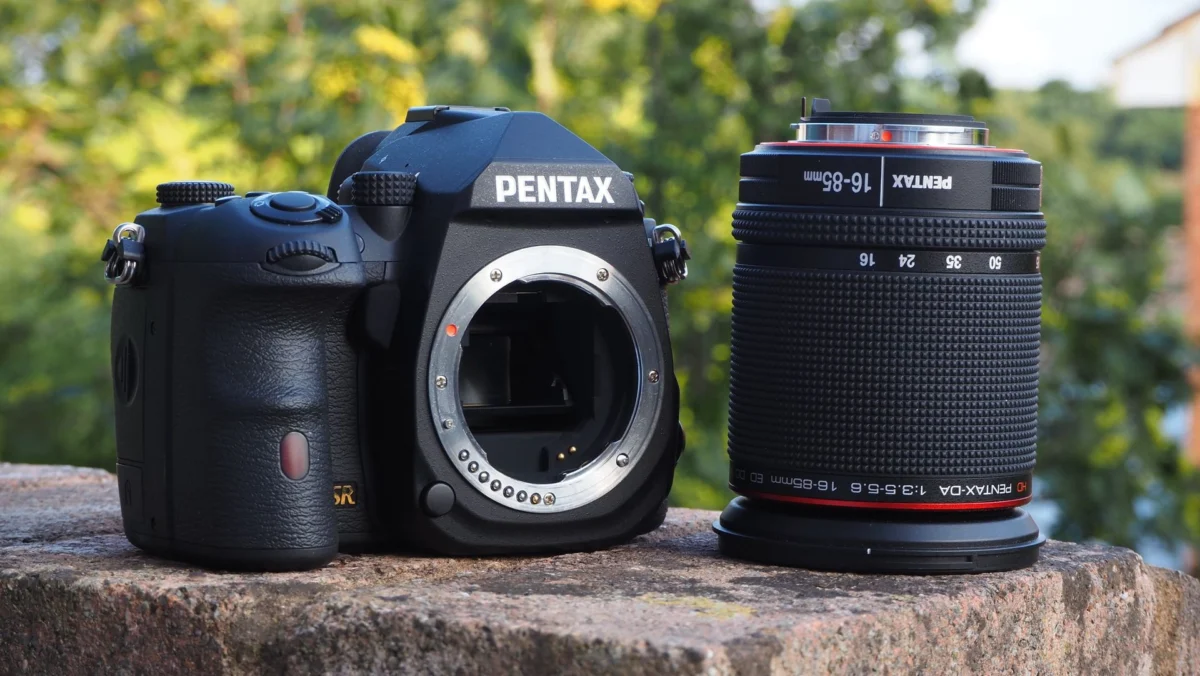
This strategic pivot became starkly apparent earlier this year when Pentax, a brand owned by Ricoh, announced the official discontinuation of its remaining K-series DSLR models. For years, Pentax had maintained a staunch commitment to the DSLR format while competitors rapidly transitioned to mirrorless technology. However, rather than exiting the traditional camera space entirely, Ricoh management stated that retiring the K-series was a necessary precursor to developing an entirely new generation of digital SLR cameras based on an innovative technological and conceptual framework.
Even as the legacy DSLR line is phased out to clear the path for future development, the immediate financial health of Ricoh’s photographic division remains closely tied to the exceptional performance of the Ricoh GR series.

Anatomy of a Cult Favorite: The Ricoh GR Series
The driving force behind Ricoh’s current imaging revenue is the GR series, a line of compact cameras that bridges the gap between pocket-sized convenience and professional-grade image quality. Devices such as the Ricoh GR IV and its variations are outwardly unassuming, resembling traditional, entry-level point-and-shoot cameras. Beneath the minimalist exterior, however, these models house oversized APS-C sensors and bright, high-clarity lenses—specifications typically reserved for much larger mirrorless or DSLR systems.
Ricoh has successfully cultivated a dedicated following among street and documentary photographers by expanding the GR ecosystem to include specialized iterations. These include the Ricoh GR IV HDF, the monochrome-dedicated variant designed exclusively for black-and-white photography, and anticipated future releases such as the longer-lens GR IVx variant. By catering to niche artistic demands while maintaining exceptional portability, the GR series has insulated Ricoh from the broader stagnation affecting other segments of the consumer electronics market.
Macroeconomic Pressures and Industry-Wide Supply Chain Realities
Despite the encouraging sales figures reported in the first half of the fiscal year, Ricoh’s leadership remains cautious about external economic factors. In its comprehensive financial report, the company addressed rising operational expenditures, specifically pointing to escalating fuel costs and the increasing market price of critical electronic components, such as semiconductor memory modules.
The surge in demand for artificial intelligence infrastructure and advanced computing hardware has placed a heavy burden on global memory supply chains, impacting numerous technology sectors. Camera manufacturers across the board are feeling these pressures. Ricoh’s disclosures indicate that the company intends to counteract these cost increases through strategic pricing adjustments and rigorous internal reviews of its manufacturing and operational cost structures.
Ricoh is not alone in issuing these warnings. Major industry competitors, including Canon, Nikon, and Fujifilm, have similarly cautioned investors and consumers about the rising costs of production inputs. These companies have intimated that if global memory component costs remain elevated, potential price adjustments on consumer imaging gear may become inevitable in the near future.

However, Ricoh offered a measure of reassurance regarding its immediate manufacturing capabilities, noting in its financial commentary that the enterprise has successfully secured sufficient supplies of essential semiconductor devices to maintain production schedules without immediate interruption.
Fact-Based Analysis of Market Implications
The dual trajectory of Ricoh’s imaging business highlights a fascinating transitional period for the global photography industry. On one hand, the remarkable 20 percent year-over-year sales increase in Ricoh’s miscellaneous sector—anchored by the GR series—proves that consumer appetite for premium, specialized photographic tools remains robust. The willingness of modern photographers to invest in high-end compact systems demonstrates that portability and instant street-shooting readiness are paramount concerns in the current market.
On the other hand, the necessity for strategic pricing adjustments in response to semiconductor and fuel inflation underscores the fragile nature of global manufacturing supply chains. As technology brands grapple with rising input costs driven by broader macroeconomic trends, consumers may soon face higher price points across various electronics categories.
For Ricoh, the immediate future hinges on its ability to sustain the momentum of the GR series while successfully delivering on its promise to reinvent its DSLR concepts through Pentax. If the company can navigate the twin challenges of component cost inflation and shifting consumer paradigms, its imaging division is well-positioned to maintain its current financial health and retain its loyal user base in an increasingly competitive marketplace.