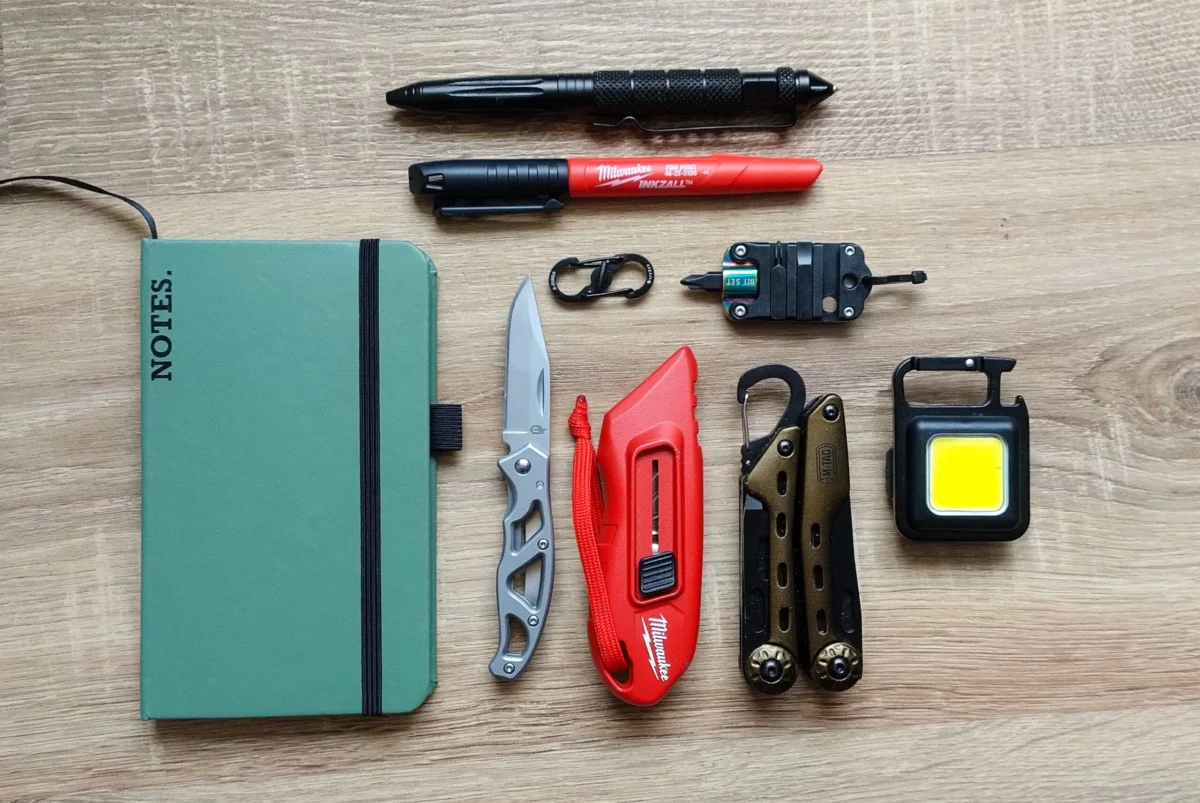


The contemporary landscape of Everyday Carry (EDC) has undergone a significant evolution, transitioning from purely utilitarian toolsets to a curated reflection of individual identity and personal style. Recent documentation of a specific high-end carry set underscores this shift, highlighting a deliberate synergy between luxury accessories and high-performance mechanical tools. This synthesis suggests that modern EDC enthusiasts are increasingly prioritizing the aesthetic cohesion of their gear without compromising the functional integrity required for daily tasks.
The Anatomy of a Curated Carry
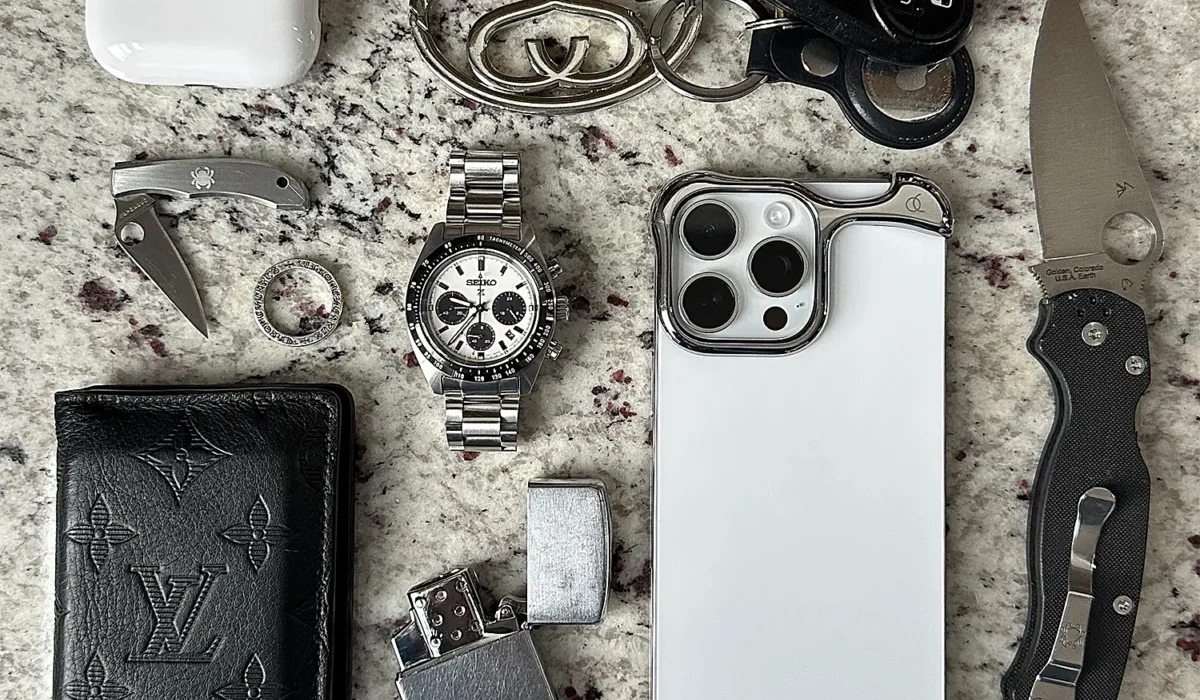
The gear in question demonstrates a calculated balance between craftsmanship and utility. Central to this collection is the Spyderco Paramilitary 2 (PM2), a staple in the knife industry, specifically the left-handed iteration. The PM2 is widely recognized for its robust compression lock mechanism, which provides a high degree of security and ease of use. However, the standard model is ergonomically optimized for right-handed users. By selecting the specialized left-handed variant, the user illustrates an informed approach to hardware selection, ensuring that technical specifications align perfectly with physical requirements.
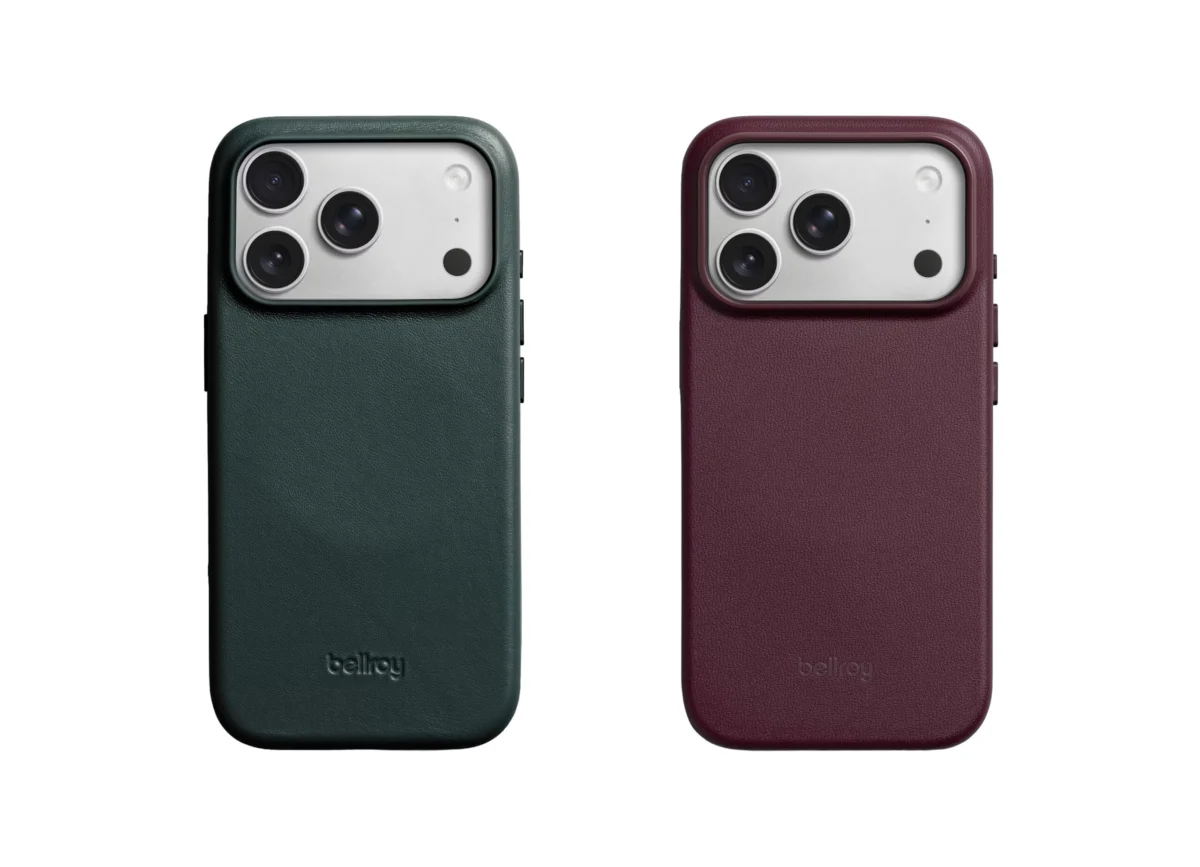
Supporting this blade is a collection of luxury-tier accessories, including a Chrome Hearts ring, a chrome-accented smartphone case, and a coordinated keychain. While items such as high-fashion jewelry are often excluded from traditional EDC discourse, their inclusion here serves as a focal point for the user’s personal branding. The integration of these pieces indicates a broader trend: EDC is no longer just about survival or utility; it is a visual language.
Historical Context and the Evolution of EDC
The concept of "Everyday Carry" emerged from the survivalist and tactical communities of the late 20th century. Initially, the focus was on disaster preparedness, prioritizing multi-tools, fire starters, and survival blades. By the early 2010s, with the advent of online forums and social media platforms, the community expanded into the "urban EDC" movement. This phase shifted the focus toward minimalist wallets, high-end pens, and refined lighting solutions.
Today, the movement has reached a third stage: the "lifestyle EDC." In this phase, the selection of gear is influenced by fashion houses and horological precision. The inclusion of a "Panda" Seiko chronograph—a watch model defined by its high-contrast white dial with black sub-dials—is a testament to this shift. Seiko, a brand with a rich history in horology dating back to 1881, provides the horological credibility required for a sophisticated carry, bridging the gap between functional timekeeping and luxury aesthetic.
Data-Driven Trends in the EDC Market
Market analysis of the EDC sector reveals a compound annual growth rate (CAGR) that mirrors the increasing interest in personal organizational tools. According to industry reports, the demand for premium wallets and multi-tools has risen significantly, particularly among demographics aged 25 to 45.
- Ergonomics and Accessibility: The decision to seek out specific left-handed tools—a market segment that historically faced a deficit in high-end options—highlights a growing consumer demand for inclusivity in industrial design.
- Material Selection: The prevalence of chrome and high-grade stainless steel in the observed carry reflects a broader market trend toward materials that offer both durability and a high-shine aesthetic, moving away from the matte, "tactical-black" aesthetic that dominated the sector for decades.
- Organizational Efficiency: The search for luxury card wallets that do not sacrifice internal geometry for external appearance is a recurring challenge. Data suggests that the modern EDC enthusiast spends an average of 15 to 20 hours of research before finalizing a primary wallet choice, prioritizing slim profiles that maintain structural integrity.
Chronology of the Modern EDC Shift
- 2000–2010 (The Tactical Era): Emphasis on gear that could endure extreme conditions. Popular items included fixed-blade knives and heavy-duty nylon organizers.
- 2011–2017 (The Urbanization Phase): The rise of the minimalist wallet and the focus on "pocket dumps" on social media. The PM2 became a standard-bearer for this era.
- 2018–Present (The Lifestyle Integration): The current era, characterized by the fusion of luxury jewelry, horology, and high-performance tools. This phase emphasizes the "synergy" mentioned by industry analysts, where the keychain must complement the watch, and the wallet must complement the smartphone.
Analysis of Implications for Manufacturers
The observed trend toward a more fashion-forward EDC has forced legacy manufacturers to adapt. Companies like Spyderco, Benchmade, and Seiko are increasingly aware that their products are being photographed and shared as part of a larger lifestyle aesthetic.
For a manufacturer, the implication is clear: product design can no longer be purely utilitarian. The finish, the texture, and the brand cachet are now as important as the steel hardness or the movement accuracy. The successful integration of a high-end luxury ring alongside a precision-engineered folding knife suggests that users view their EDC as a cohesive ensemble, similar to how one might choose a suit or a pair of shoes.
Furthermore, the rise of "lefty-friendly" gear highlights a missed opportunity for many manufacturers. By providing specific versions of popular models, companies can capture a loyal, albeit smaller, market share that values ergonomic comfort over mass-market convenience. This indicates that the future of the EDC market lies in customization and modularity.
Official Perspectives and Community Feedback
Industry experts often point out that the most successful EDC sets are those that tell a story. An expert from an independent design collective noted: "When we look at a collection that includes a heritage timepiece like a Seiko alongside high-end fashion accents, we see an owner who values permanence. These are items intended to last, and their pairing is a deliberate act of design."
The feedback from the community regarding such submissions remains overwhelmingly positive. The act of sharing these collections via digital forms and community portals creates a feedback loop that informs future design trends. Manufacturers who monitor these submissions often find valuable insights into what consumers are actually carrying versus what they are marketed.
Broader Societal Impact
The professionalization of EDC has implications beyond personal organization. It reflects a society that is increasingly focused on the "preparedness" mindset, where individuals want to be equipped for minor daily inconveniences—be it a package that needs opening, a timekeeping requirement, or a need for secure payment methods.
However, this transition also raises questions about consumerism. The integration of luxury fashion brands (like Chrome Hearts) into the EDC sphere signifies that the movement has been commodified. While this brings more innovation and higher standards of aesthetic design, it also creates a higher barrier to entry. The "discerning EDCer" is now defined as much by their ability to source rare, high-fashion accessories as by their ability to maintain their equipment.
Conclusion
The evolution of Everyday Carry is a testament to the changing priorities of the modern professional. By bridging the gap between high-performance utility and aesthetic luxury, enthusiasts are creating a unique, personal form of expression. The specific inclusion of left-handed tools, iconic horological pieces, and coordinated luxury accessories points to a future where functional gear is indistinguishable from personal style. As the industry continues to evolve, manufacturers will likely continue to lean into these trends, offering more diverse, high-quality, and aesthetically considered options for the global EDC community. The submission of such sets serves as a critical data point, demonstrating that for the modern user, utility is the baseline, but style is the objective.