










The open-source home automation ecosystem has officially rolled out its latest major software update, Home Assistant 2026.10, introducing structural platform changes, advanced visual tooling, and strategic rebrandings aimed at distancing the project from commercial cloud dependency. Spearheaded by the core development team and a vast network of global contributors, the October release addresses long-standing usability hurdles while positioning the platform for a privacy-first future.
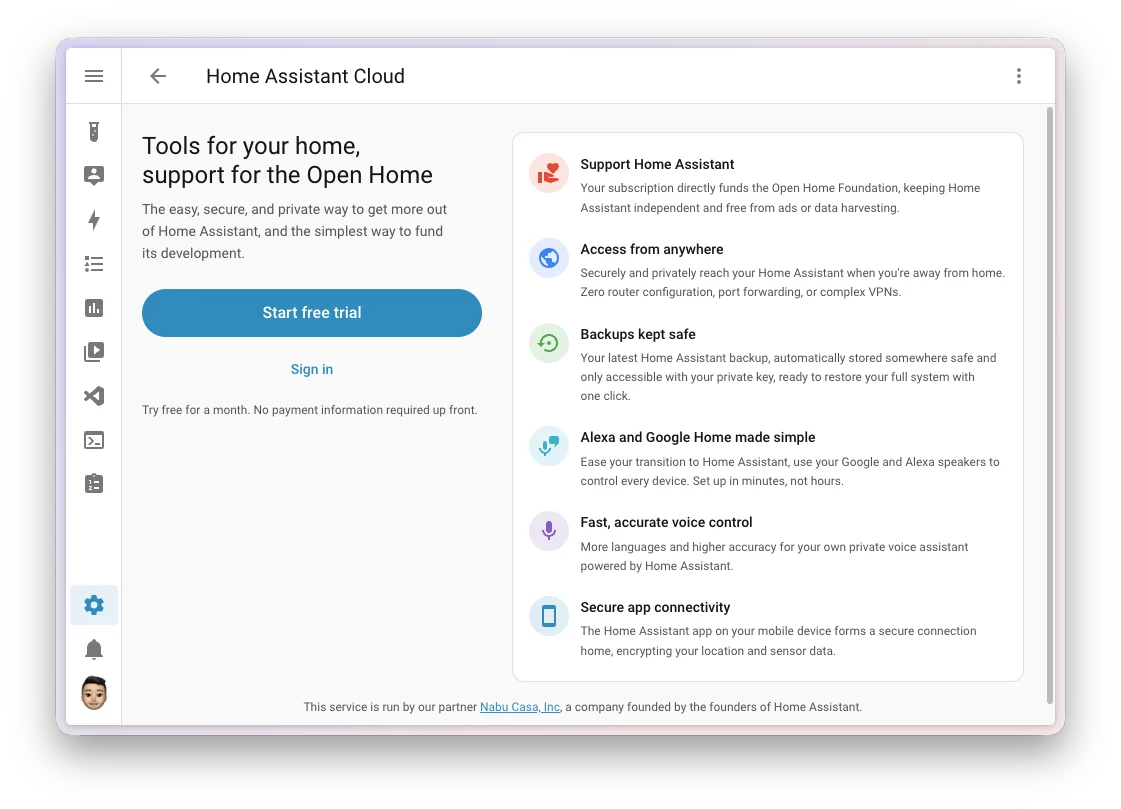
Among the headline updates in Home Assistant 2026.10 is the formal announcement regarding the platform’s subscription remote-access service. Building on a corporate philosophy opposing commercial surveillance and data harvesting, developers confirmed that Home Assistant Cloud is officially transitioning to the name Home Assistant Link ahead of a full rollout in the December release. Nabu Casa, the commercial entity funding core development, noted that the rebranding reflects a broader stance against corporate technology firms rendering smart home hardware obsolete via cloud dependencies. Alongside the name change, Nabu Casa completed a global server migration to bare-metal infrastructure, paired with a new automatic latency-checking protocol that pings regional nodes at system boot to establish optimal routing speeds.
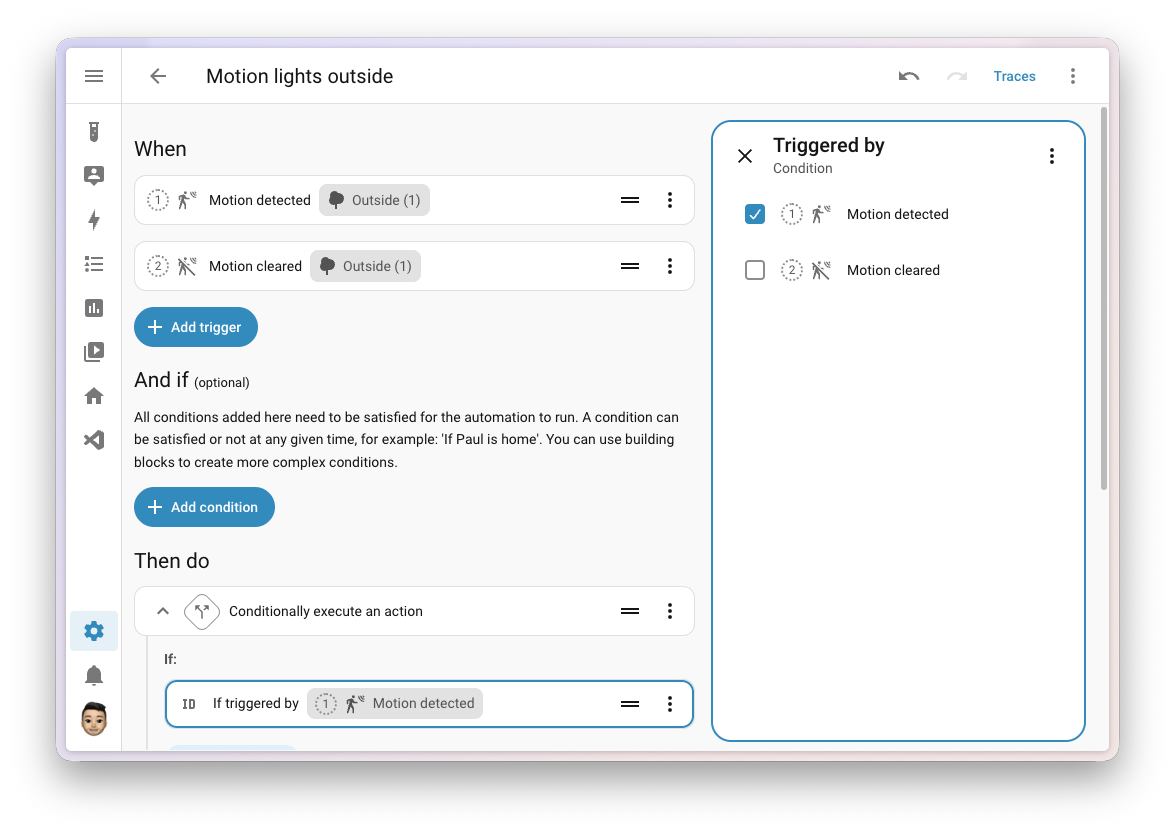
The structural upgrades extend deep into the core engine of Home Assistant, notably resolving one of the platform’s most historically underutilized yet powerful features: trigger IDs. Previously tucked away within text configuration menus and requiring manual string creation, trigger IDs allowed advanced users to consolidate multiple conditional rules—such as handling both the activation and deactivation of motion lights—into a single automation. Version 2026.10 introduces a dedicated graphical user interface for trigger management. Users can now build "Triggered by" conditions via intuitive selection boxes, with Home Assistant programmatically handling background identifiers. For legacy configurations reliant on custom YAML scripts, the core engineering team guaranteed absolute backward compatibility without forced migrations.
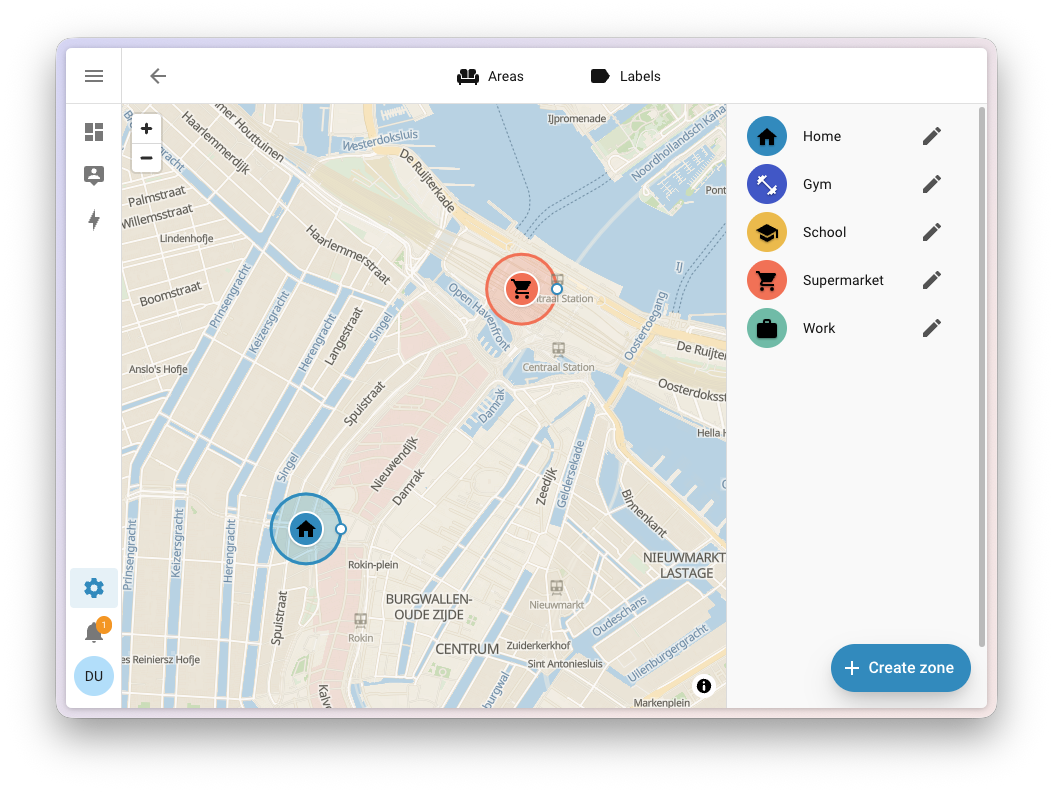
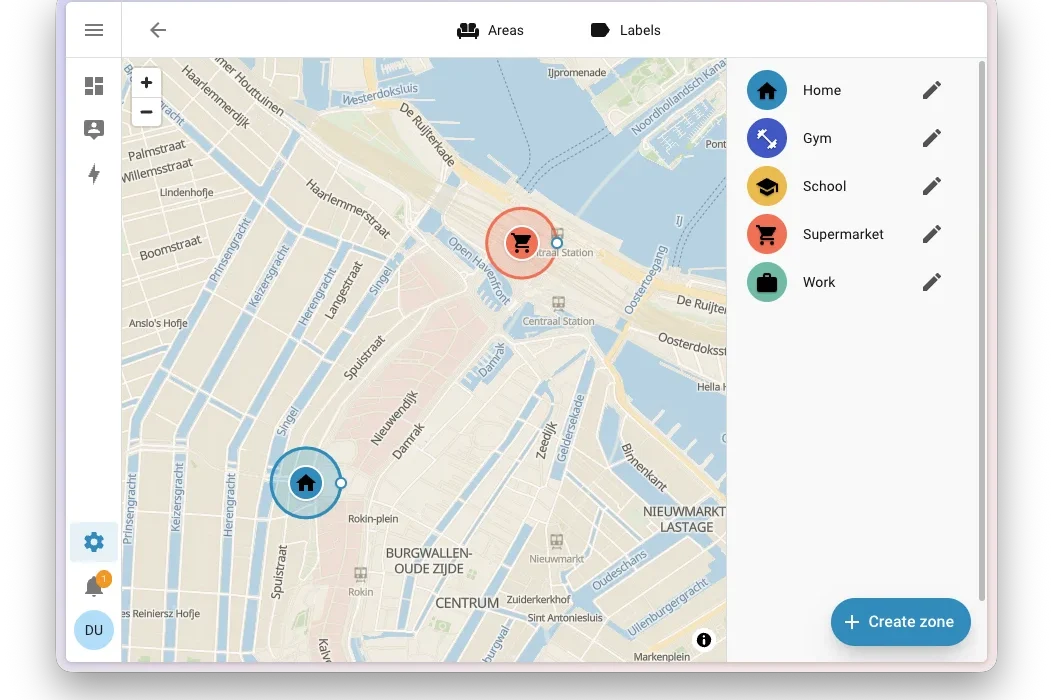
Visual elements within the platform have also received a complete architectural overhaul, most notably the system’s mapping infrastructure. Following a sudden third-party API restriction in the previous release that broke default tile renderings, developers permanently severed ties with external static map providers. Home Assistant 2026.10 debuts a vector-based map integration powered by the OpenStreetMap Foundation. By shifting the rendering workload directly to local client devices via vector tiles, maps remain crisp across infinite zoom scales, support native dark-mode styling, and retain recently viewed cache layers during sudden internet outages.
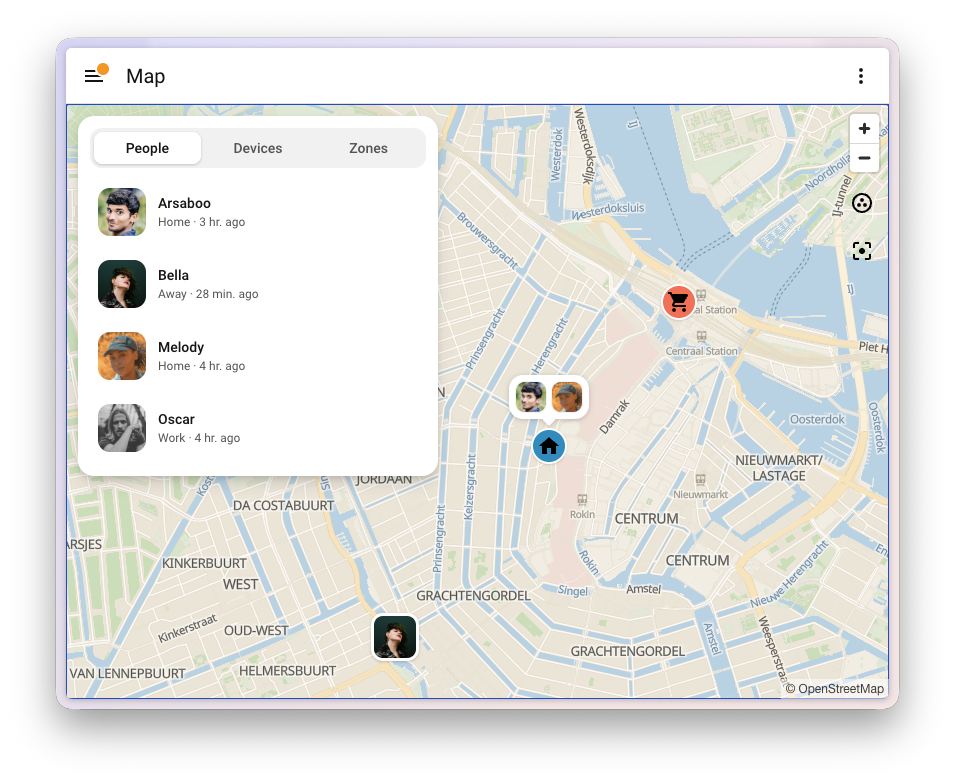
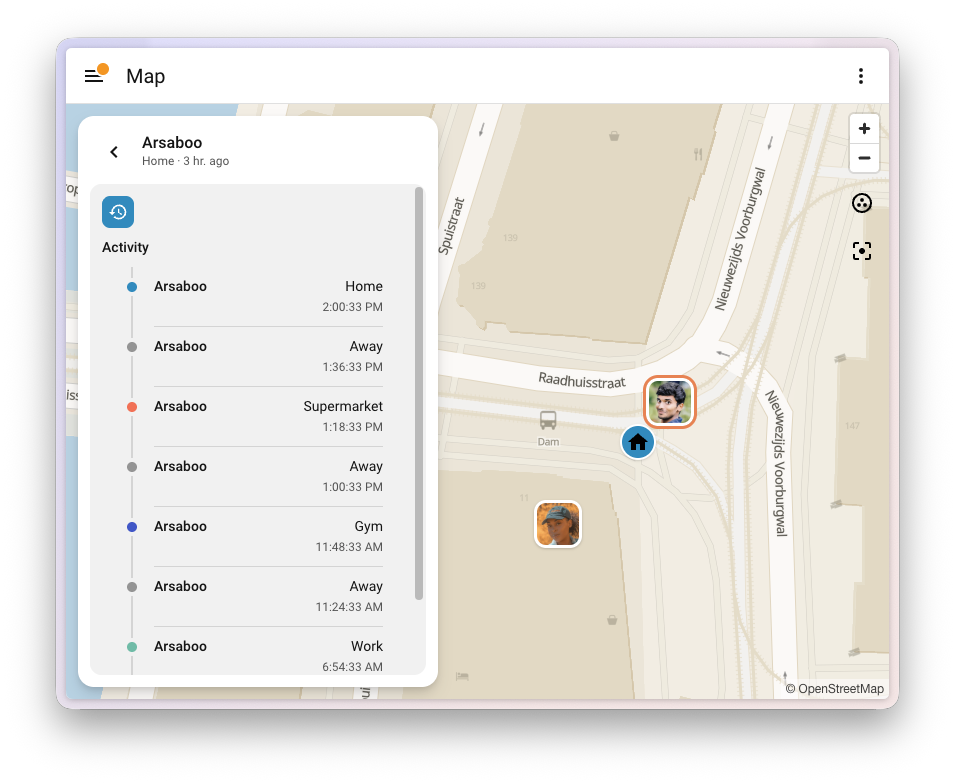
Complementing the map engine is a newly redesigned marker and zone overview panel. People, zones, and connected smart devices now consolidate into clean visual bubbles that dynamically cluster overlapping entities. Desktop users and mobile applications gain a split-screen activity drawer categorized by People, Devices, and Zones, detailing historical stop points color-coded by region. Guillaume Rischard, former chair of the OpenStreetMap Foundation, collaborated closely with the Home Assistant design team to ensure seamless vector implementation, marking a significant milestone in open-source geospatial integration.
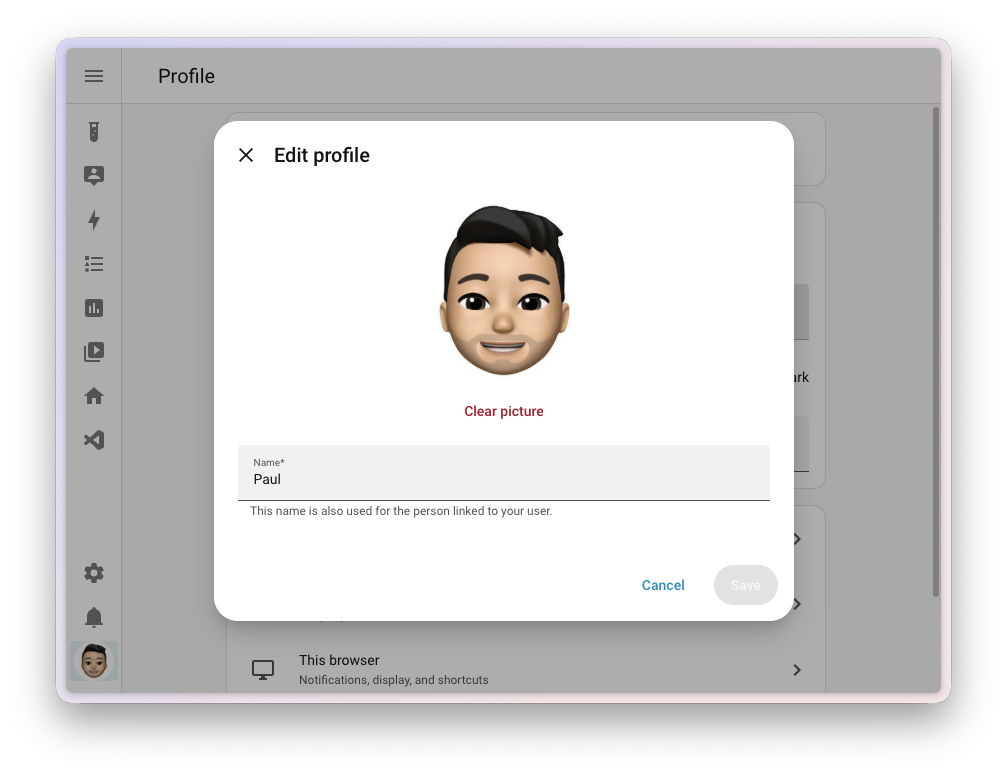
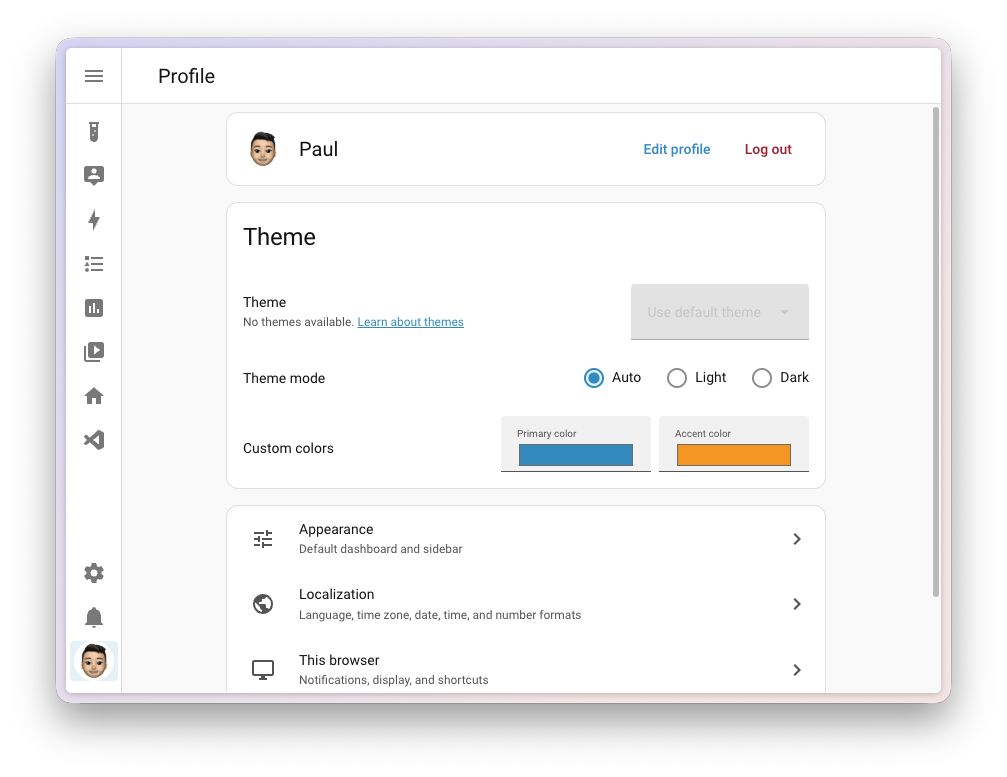
System administration and user accessibility received targeted refinements in this iteration. The user profile page, historically criticized for functioning as a cluttered interface containing miscellaneous preferences, has been reorganized into categorized navigation sections matching the primary Settings menu. Crucially, non-administrator accounts can now independently upload, crop, and manage their own profile avatars directly from the interface, replacing an administrative bottleneck that previously restricted user identity customization.
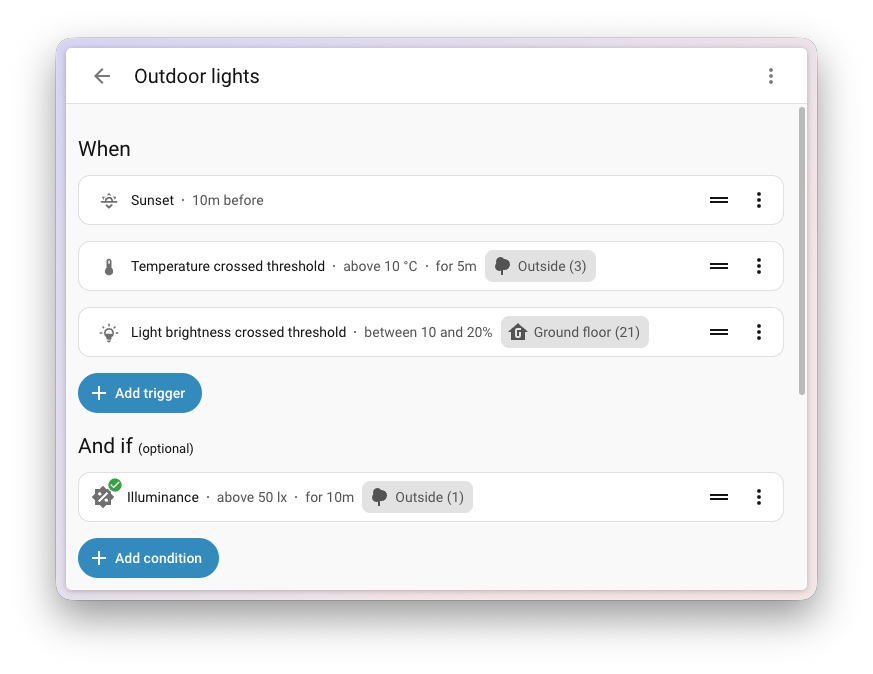
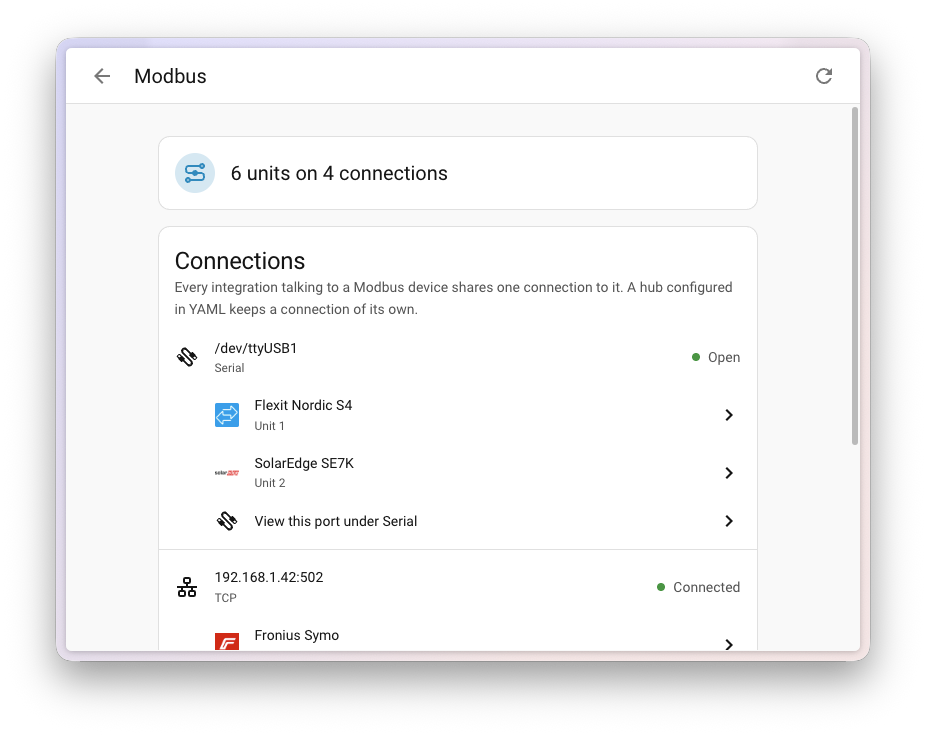
Automation visibility and hardware connectivity have similarly matured. The automation editor now exposes explicit configuration parameters directly within conditional rows—such as exact temperature thresholds, time-delay offsets, and duration limits—eliminating the need to expand individual nested menus to review logic. Concurrently, the newly established Modbus connectivity panel centralizes serial ports and network gateways, streamlining hardware communication for complex solar inverters and industrial setups, highlighted by the introduction of native SolarEdge and KACO Modbus integrations operating at platinum quality-scale tiers.
Artificial intelligence integration within Home Assistant 2026.10 has been streamlined to simplify local and cloud-based agent interactions. The former AI tasks configuration panel has been consolidated into a dedicated AI management hub featuring a one-click Model Context Protocol (MCP) server toggle. This allows conversational agents like Claude and ChatGPT to query local home states, execute device commands, and decode complex KNX bus telemetry securely. Furthermore, local media cataloging via Music Assistant, Jellyfin, and Squeezebox has been heavily optimized, enabling AI agents to query specific song titles within individual artists and playlists rather than relying on blunt top-level search approximations.
As with any major platform update, Home Assistant 2026.10 introduces a series of mandatory backward-incompatible changes designed to purge legacy code and enforce security standards. Notably, authentication mechanisms have dropped support for legacy username modes, requiring all user identifiers to utilize normalized lowercase strings without trailing spaces. Additionally, API modifications enacted by external service providers necessitated structural changes to integrations such as EnergyFlip, Rejseplanen, and Teslemetry, while administrative permission requirements were tightened for MQTT and Synology DSM remote action triggers to prevent unauthorized execution by standard users.
Comprehensive patch updates—designated as versions 2026.10.1 through 2026.10.4—are scheduled for weekly deployment throughout the remainder of October to address emergent bug reports. Users managing complex YAML setups or specialized hardware integrations are encouraged to review the official release documentation and changelogs prior to initiating the update via the Home Assistant supervisor interface.