







The modern technological landscape is undergoing a profound shift, transitioning from a focus on the rapid deployment of new digital features to the grueling, often overlooked reality of long-term software maintenance. As artificial intelligence, the Internet of Things (IoT), and hyper-connected ecosystems become embedded in both professional workflows and domestic life, the "innovation-first" philosophy that has dominated Silicon Valley for the last two decades is facing a significant sustainability crisis. Software does not remain static; it decays, shifts, and requires constant human intervention to function effectively.
The Myth of "Set and Forget" Technology
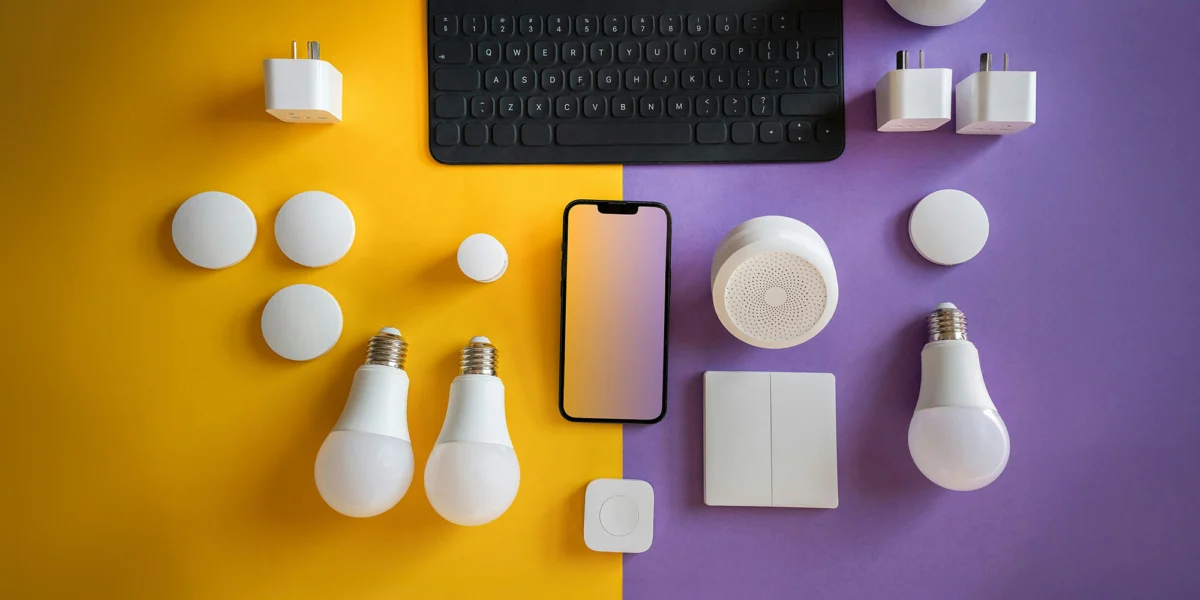
The assumption that technology is a durable good—something that, once purchased or deployed, remains reliable indefinitely—is being dismantled. In reality, modern software exists in a state of constant flux. Whether it is a smart home ecosystem losing connectivity due to an API deprecation, a vehicle’s dashboard interface undergoing a complete redesign via an over-the-air update, or a newsroom struggling to keep pace with evolving deepfake detection tools, the burden of maintenance is mounting.
Data from the software industry suggests that maintenance is no longer a peripheral task but the primary challenge of the digital age. According to studies from the Software Engineering Institute (SEI) at Carnegie Mellon University, maintenance costs typically account for 60% to 80% of the total life-cycle cost of software systems. Despite this, corporate incentives remain heavily skewed toward the creation of new products rather than the stewardship of existing ones.
Corporate Culture and the Innovation Paradox
The current operational framework of major technology firms—most notably exemplified by Google’s organizational structure—incentivizes the creation of new tools. In many large enterprises, promotion cycles and internal recognition are tied to "launching" new initiatives rather than the unglamorous, critical work of sustaining them. This creates a culture of "innovation-only" that inevitably leads to product decay.
When engineers are rewarded for invention rather than stability, the resulting ecosystem is one of high entropy. This is perhaps most visible in the consumer sector, where product lifecycles are increasingly truncated. For example, the discontinuation of services like Google Stadia or the sunsetting of older IoT platforms serves as a stark reminder that users are often "renting" functionality rather than owning it. When the company pivots its priorities, the user’s investment—in terms of both capital and time spent learning a system—is effectively rendered obsolete.
The Clash Between IT and Operational Technology (OT)
The tension between innovation and maintenance is not limited to consumer electronics. It is reaching a boiling point in industrial sectors, where Information Technology (IT) and Operational Technology (OT) converge.
In industrial plants, OT engineers have historically prioritized reliability, consistency, and uptime—values that often conflict with the agile, fast-moving nature of IT. When IT departments attempt to integrate new automation software into established industrial processes, they often meet resistance. This is frequently mischaracterized by IT as a "culture of no," but in reality, it is a rational defense of system integrity. Industrial processes require predictability; adding layers of software that require constant patching and security updates introduces volatility into systems that cannot afford downtime. The challenge for the next decade is bridging this divide: integrating the agility of modern software with the rigorous stability requirements of critical infrastructure.

The Growing Burden on the Workforce
The implications of this "maintenance era" extend to the individual employee. As software becomes the primary interface for work across all sectors—from medicine and law to manufacturing—the definition of professional competence is changing.
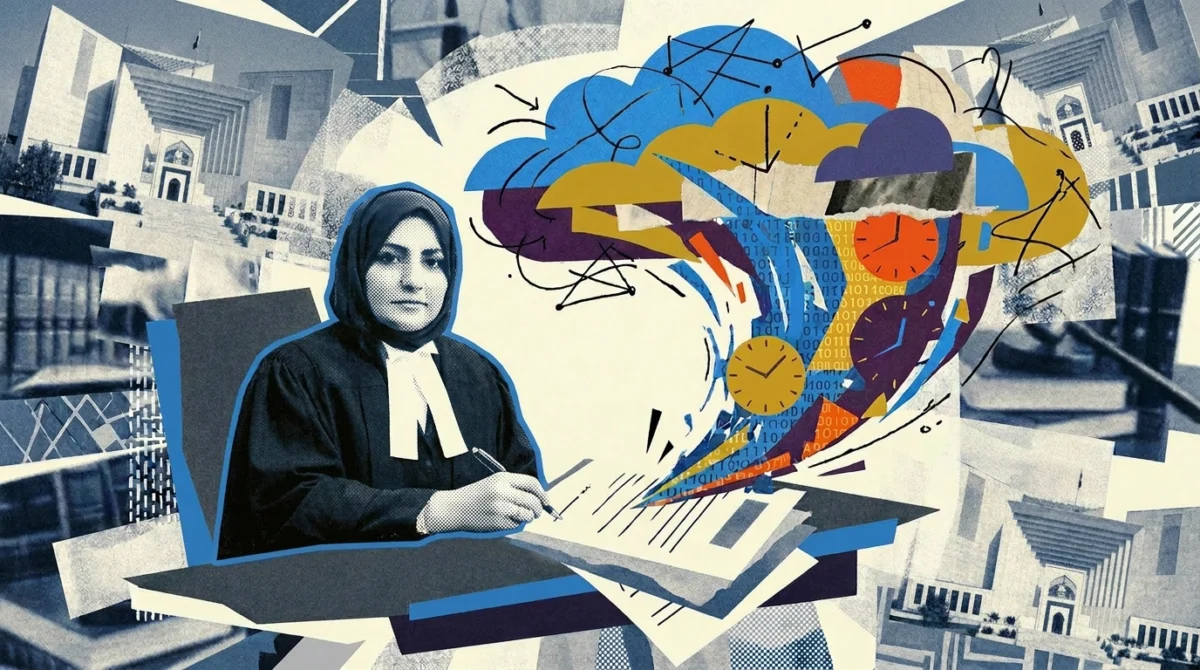
Industry analysts suggest that we are moving toward a model of "continuous professional education" regarding technology. Much like a doctor or a lawyer must maintain their credentials through ongoing study, the modern workforce must now allocate significant time to "re-learning" their tools. A report by the World Economic Forum on the Future of Jobs highlights that by 2025, 50% of all employees will need reskilling as the adoption of new technologies accelerates.
This creates a significant economic question: who pays for this time? If an employee must spend four hours a week troubleshooting an automated workflow or adjusting to a UI update, that is a direct cost to productivity. Businesses that fail to factor this "maintenance time" into their operations are effectively stealing time from their workforce, leading to burnout and decreased morale.
Strategies for a Sustainable Future
To mitigate the exhaustion caused by rapid, unmanaged technological change, several structural shifts are necessary:
- Subscription-Based Stewardship: For consumer technology, the move toward subscription models may be the only way to ensure long-term maintenance. When a company is funded by ongoing subscriptions rather than a one-time purchase, there is an inherent financial incentive to keep the software functional and secure.
- Defined Lifecycle Transparency: Manufacturers should be required to provide a "guaranteed support window," clearly stating how long a device or software suite will receive security updates and API compatibility. This allows consumers to make informed decisions about the "expiration date" of their technology.
- Institutionalizing Maintenance: Businesses must stop treating maintenance as "non-productive" work. In professional settings, time spent adapting to software changes or learning new tools must be categorized as essential, billable, or productive time.
- Reskilling as a Benefit: Companies that treat technology training as a core employee benefit, rather than an afterthought, will likely see higher retention and productivity. This includes providing the space for "play" and exploration, allowing employees to build a mental framework for how new tools interact with existing systems.
The Reality of Technological Entropy
Entropy is a fundamental law of physics, and it applies equally to digital infrastructure. Without an active input of energy—in the form of developer hours, security patches, and user training—software will inevitably degrade.
The transition into the maintenance era marks the maturation of the digital economy. We are moving away from the "wild west" of early software development, where the goal was to push new products to market as quickly as possible, toward an era where the value lies in the long-term reliability and adaptability of those systems.
This transition will be difficult. It requires a fundamental shift in how we value labor, how we design business models, and how we view our relationship with the devices that power our lives. It is a call to recognize that the most impressive feat of technology is not its initial launch, but its ability to remain useful, secure, and intuitive in the face of constant, accelerating change. Moving forward, the true innovators will not be those who build the most, but those who maintain the best.