







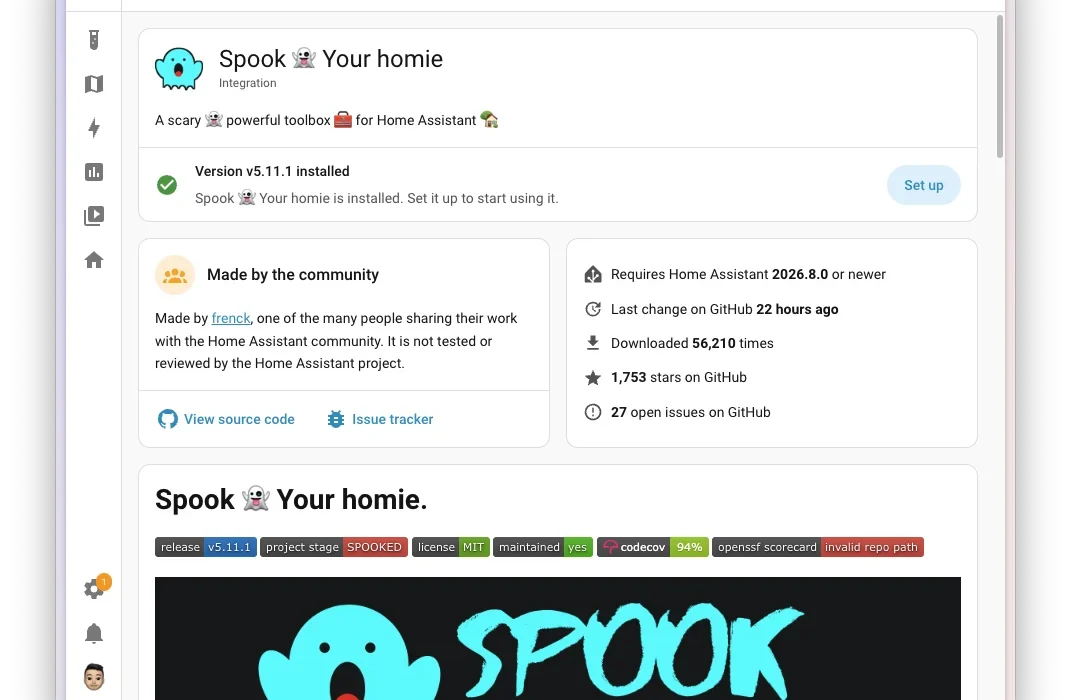
Home Assistant has officially rolled out its largest software update to date with the release of version 2026.11, a monumental milestone that reshapes how users interact with the open-source home automation ecosystem. Spearheaded by core developer Paulus Schoutsen (known in the community as Frenck) and a vast network of contributors, this release delivers more than 38 new integrations, ground-breaking architectural changes to entity naming, native support for Matter 1.5 cameras, and the long-awaited integration of the Home Assistant Community Store (HACS) directly into the core platform under the banner of the new Marketplace.
The Evolution of the Community Ecosystem: Native Marketplace
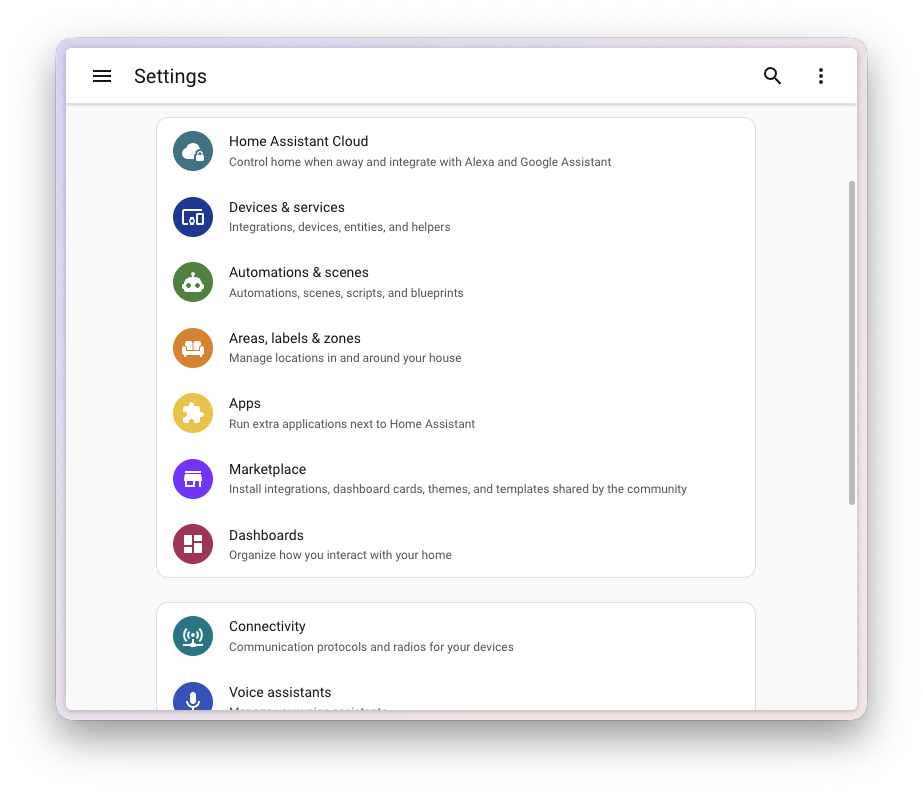
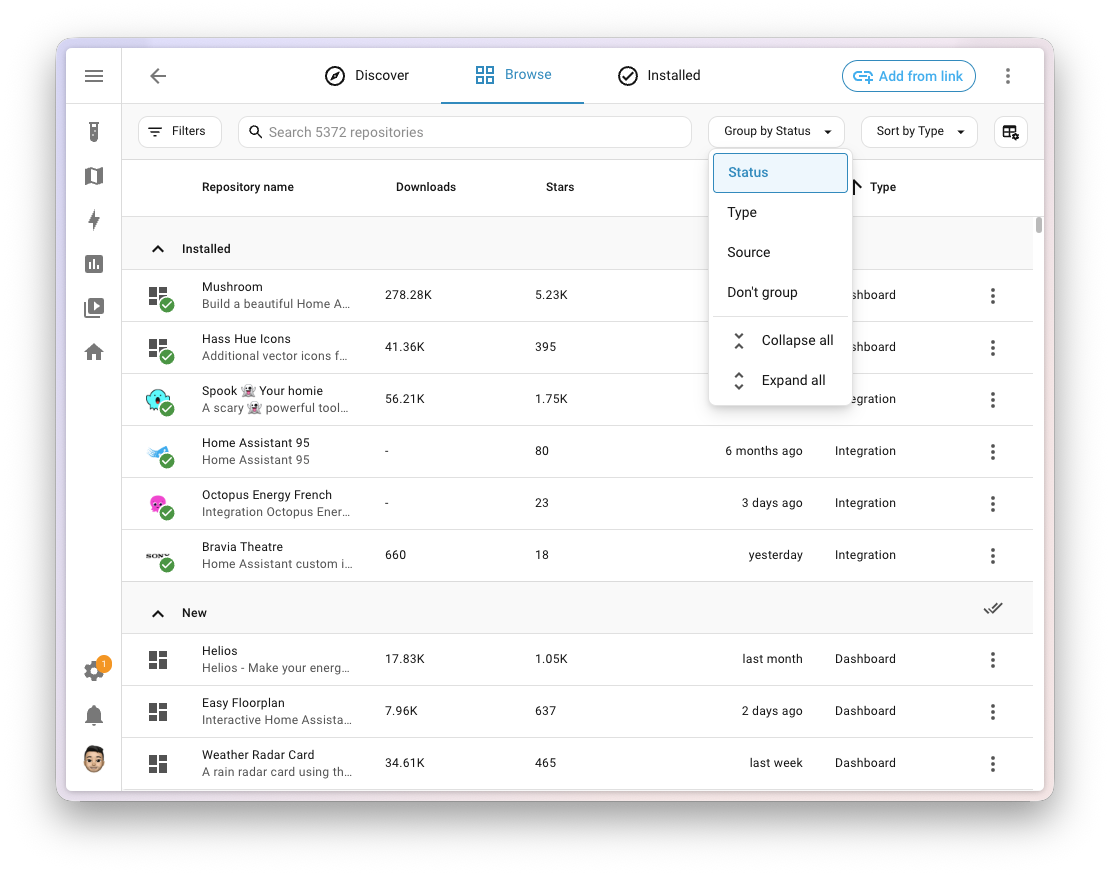
For years, HACS served as the unofficial lifeline for users seeking custom integrations, Lovelace dashboard cards, themes, and blueprints. Maintaining this external store required manual installation steps that could occasionally present a hurdle for newcomers to the smart home space. With the arrival of Home Assistant 2026.11, HACS has transitioned officially into the Open Home Foundation ecosystem as the built-in Marketplace, located directly under the Settings menu across all deployment architectures, including Home Assistant Container and Home Assistant Operating System.
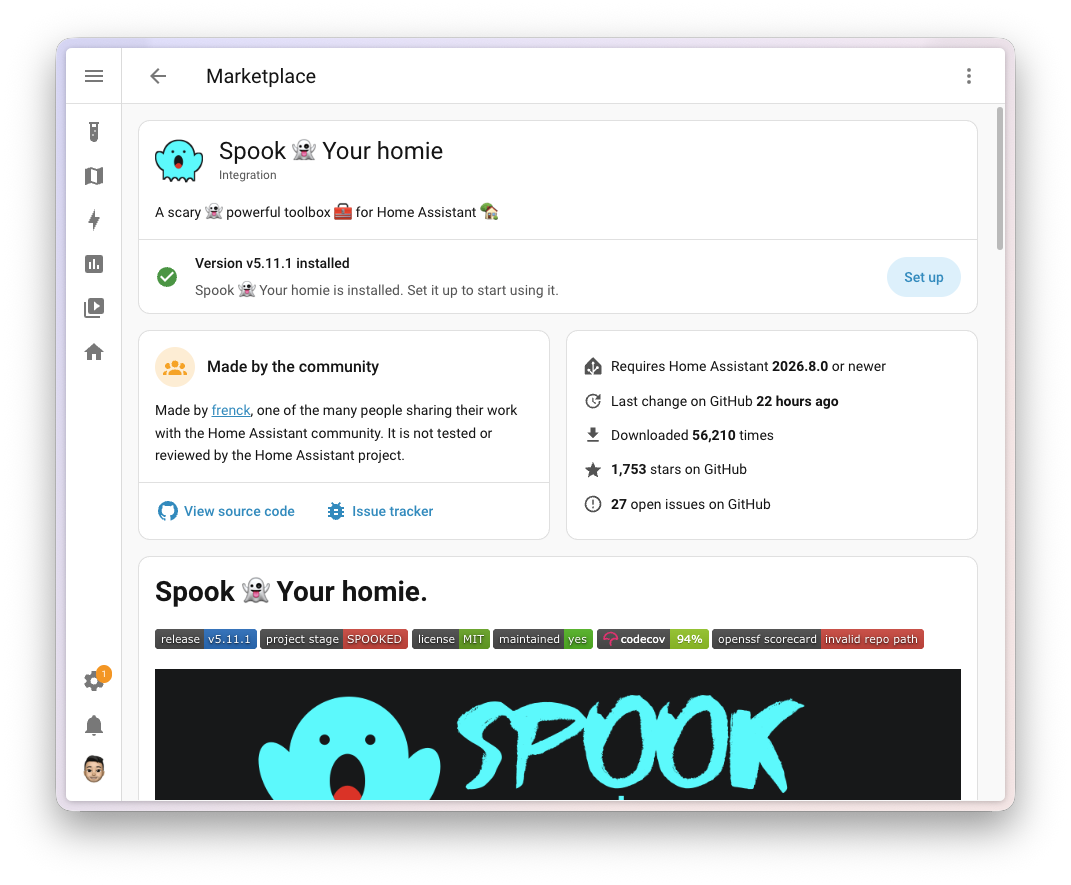
Originally founded by @ludeeus and later donated to the Open Home Foundation, HACS has now been seamlessly woven into the standard release pipeline. Users currently utilizing HACS will experience an automated migration upon updating; all installed community projects will remain intact, continue to receive background updates, and retain their respective update entities. Furthermore, the installation process for new community-driven components has been drastically streamlined. Installing an integration no longer requires a manual restart followed by a separate search through the Devices & Services panel; users select "Install," and the system routes them straight to the configuration flow.
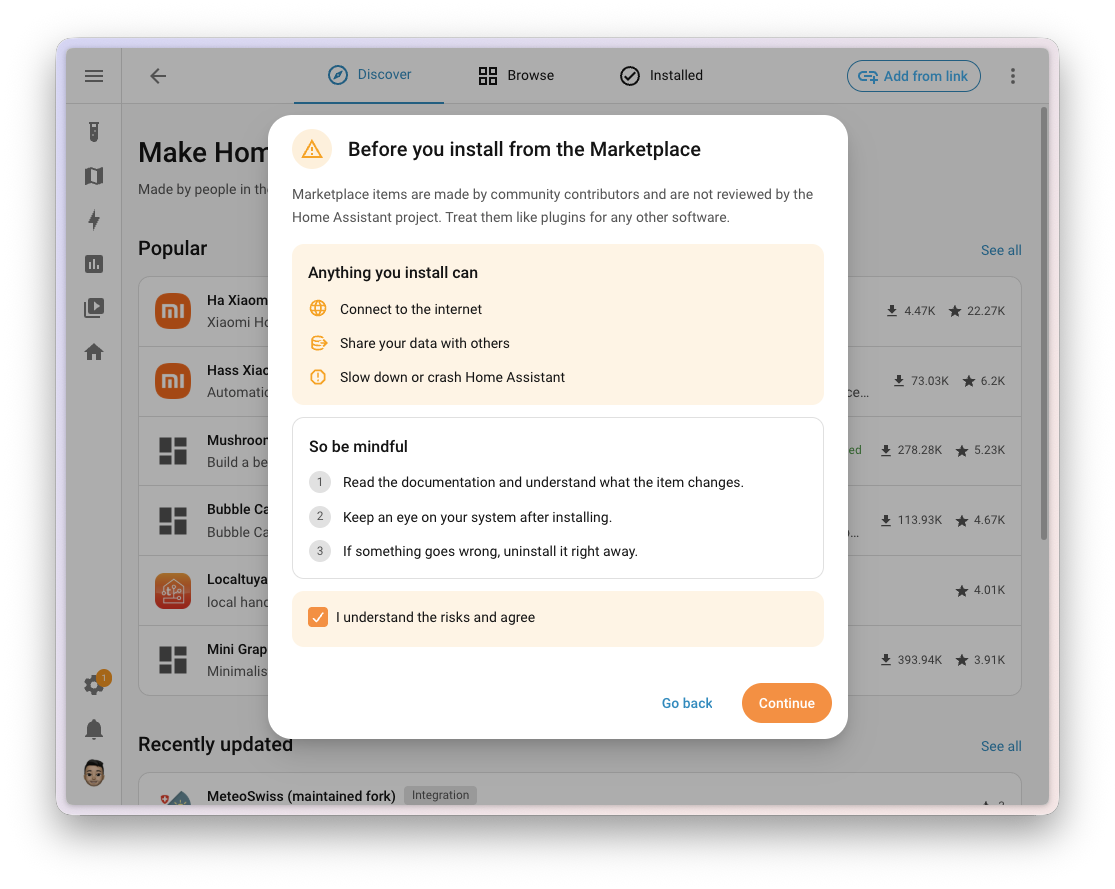
To ensure stability and security, the Marketplace incorporates prominent safety warnings regarding community-developed code, alongside performance metrics such as GitHub star counts, download totals, and minimum required Home Assistant versions. For regions with restricted network access, such as mainland China, localized community mirrors have been integrated directly to ensure uninterrupted updates.
Architectural Overhaul: Context-Aware Entity Naming
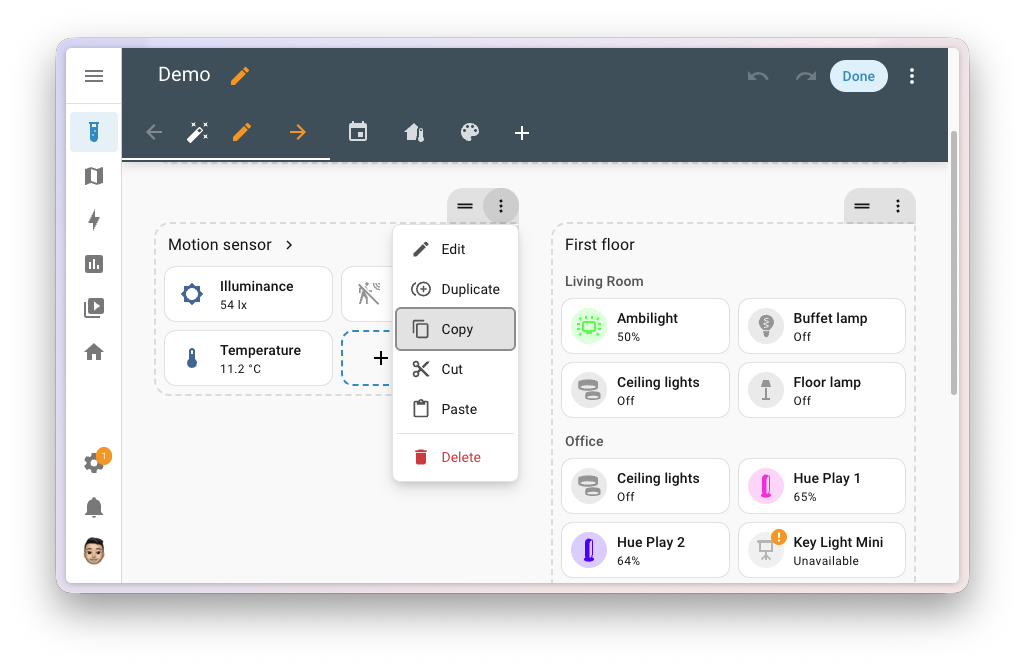
After more than four years of planning and community debate, Home Assistant 2026.11 introduces a complete paradigm shift in entity naming conventions. Previously, users frequently relied on intricate naming strategies to distinguish between identical sensors across different rooms, such as naming a bedroom temperature sensor "Bedroom Thermostat Current Temperature."
Under the new paradigm, users name the entity once based on its core function—simply "Temperature"—while Home Assistant dynamically appends the necessary context (such as device name and area) wherever appropriate. This change is designed to clean up the user experience across dashboards, logbooks, and voice assistants. While this update is backward-incompatible and may cause temporary visual discrepancies on custom dashboard cards that lack explicit naming configurations, it ultimately liberates administrators from cumbersome, manual naming scripts.
Advanced Automation Control: Target Exclusions
Automating smart home environments has traditionally involved grouping devices by areas, floors, or labels to trigger sweeping actions across multiple endpoints. However, a persistent limitation of this approach was the inability to carve out exceptions without abandoning dynamic targeting entirely.
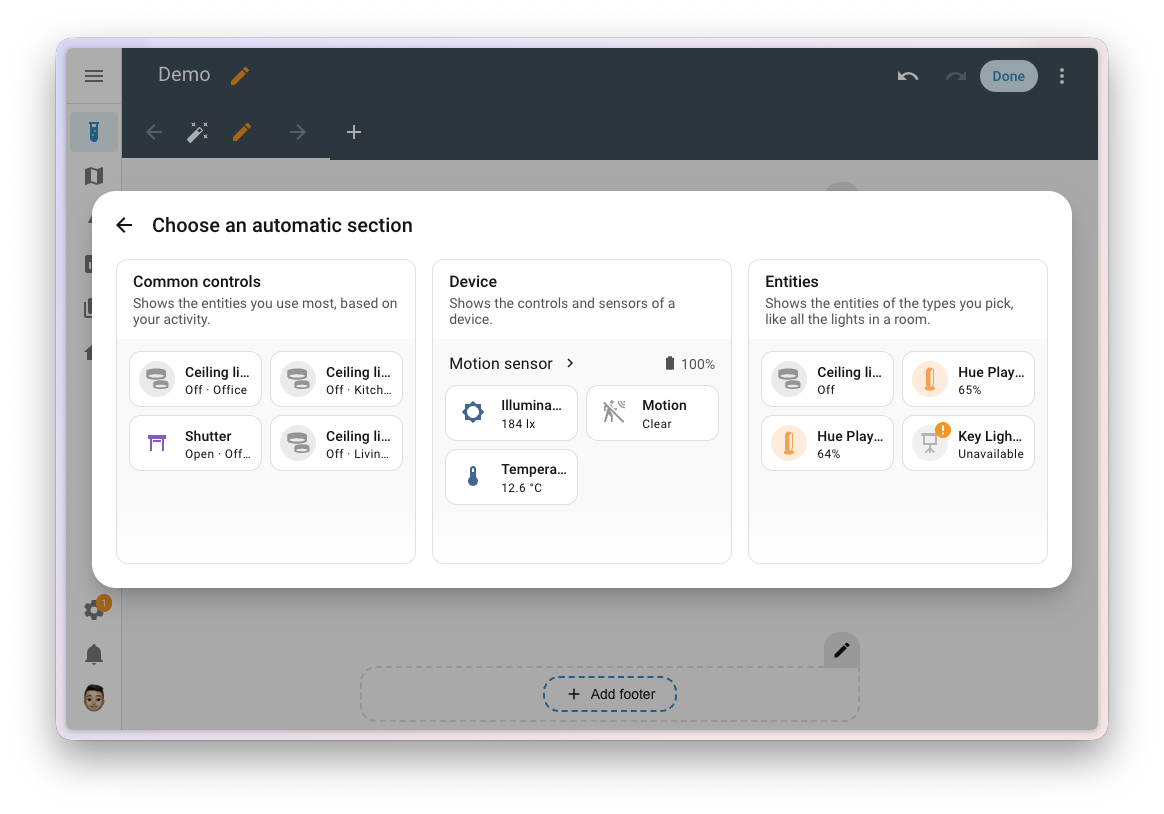
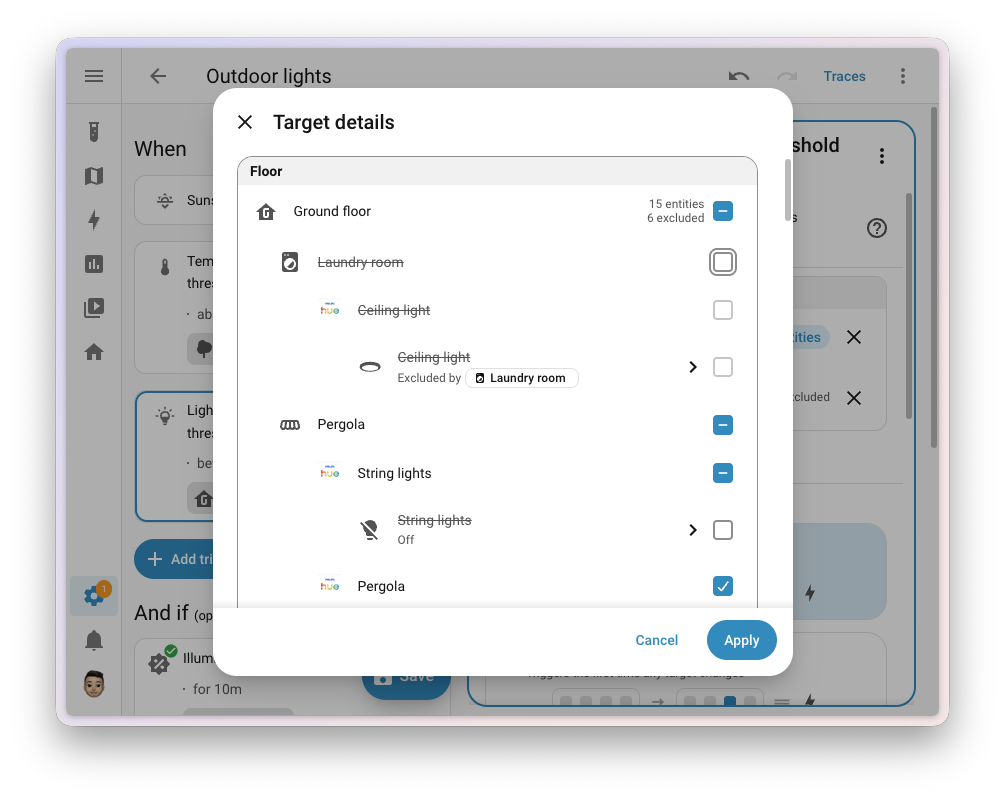
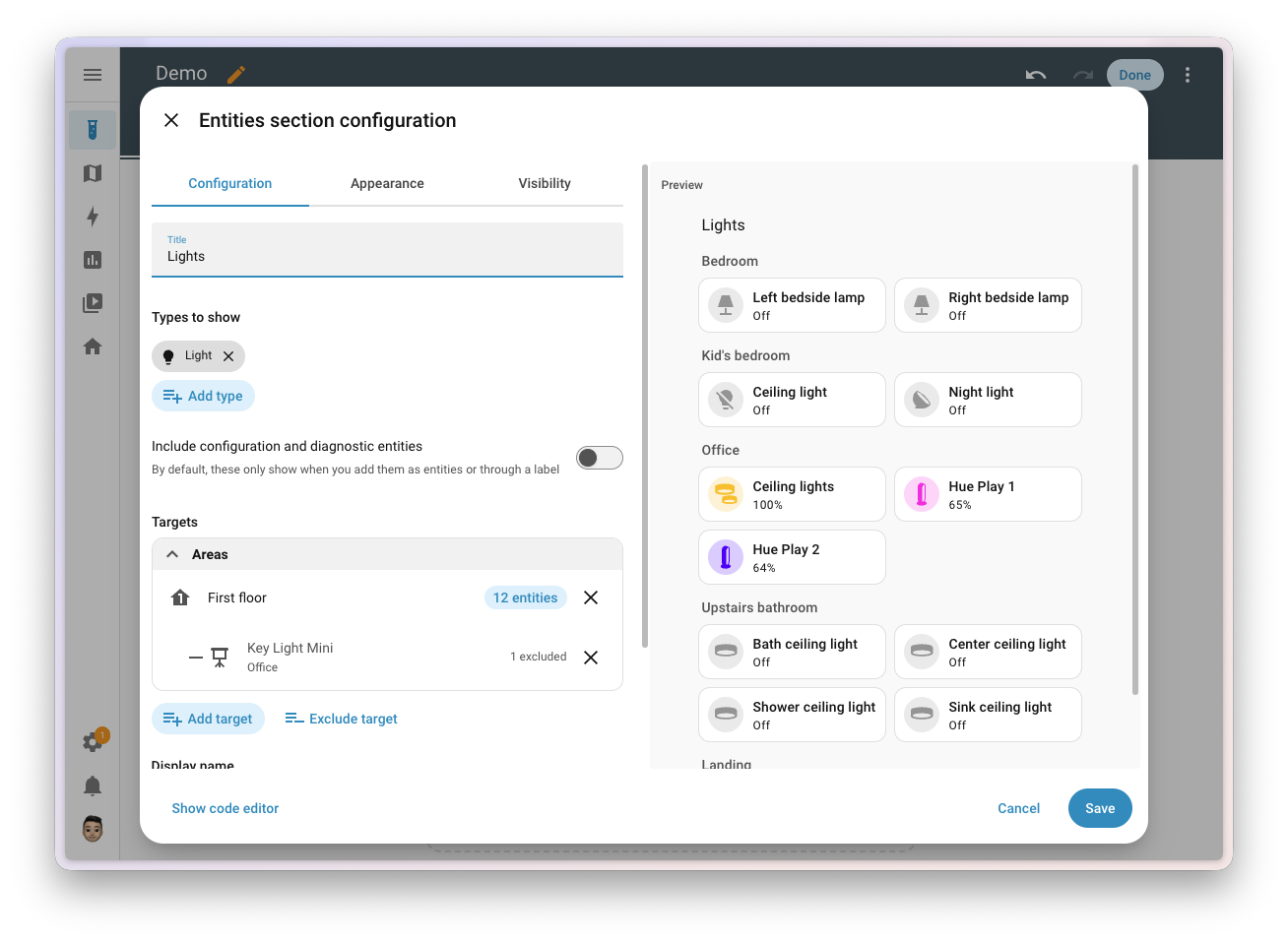
Version 2026.11 solves this limitation by introducing target exclusions. Users can now build sweeping automations—such as turning on every light on the ground floor—while explicitly excluding specific entities, devices, or entire areas like the kitchen. Crucially, these exclusions retain their dynamic intelligence: if a new light is subsequently added to the kitchen next month, it is automatically omitted from the macro-automation without requiring manual intervention from the homeowner.
Hardware Expansion: Matter 1.5 Cameras and LoRaWAN Integration
The hardware compatibility matrix for Home Assistant expands significantly in this release, most notably through the implementation of Matter 1.5, which introduces native support for security cameras. Matter-compatible cameras now interface directly with the platform, streaming live video and handling snapshots via WebRTC with zero intermediary lag. Additionally, a new Labs preview feature introduces two-way audio capabilities for supported Matter and Reolink cameras, allowing homeowners to speak directly through their devices via secure HTTPS connections.
Simultaneously, Home Assistant has bridged the gap between local smart home setups and remote IoT devices by introducing native support for LoRaWAN. By connecting network servers such as ChirpStack or The Things Network, users can now incorporate low-power, long-range sensors deployed in remote gardens, detached sheds, or agricultural fields. A dedicated LoRaWAN dashboard page maps gateway connectivity, signal strengths, and battery metrics directly into the core interface.
Diagnostic Tools and System Administration
Troubleshooting unexpected automations and anomalous state changes has been substantially improved through a suite of new diagnostic utilities. The Activity panel now features a dedicated "Triggered by" filter, allowing administrators to instantly isolate whether a state change originated from a human user, an automation script, or a third-party integration like Apple HomeKit or Google Assistant.
Furthermore, the new Action History tab within the Tools section records every service call executed across the system, detailing exact timestamps, initiating users, context IDs, and associated YAML payloads. For database management, administrators can now selectively delete erroneous statistical ranges for individual sensors without wiping out historical data entirely, preventing a single faulty measurement from permanently ruining long-term analytics.
Community Engagement and Global Reach
Releasing alongside the software update, the Home Assistant project has kicked off its annual "Month of What the Heck?!" community initiative, focusing this year on gathering feedback from non-technical household members—such as partners, children, and housemates—who interact with the smart home daily. Furthermore, the global footprint of the project continues to expand, with nearly 100 community meetups scheduled across more than 30 countries to celebrate Community Day.
Upgrade Considerations and Backward Compatibility
As with any major platform update, system administrators are advised to review the comprehensive release notes for potential breaking changes before initiating the upgrade. Notable deprecations in this release include the removal of legacy Telegram notify platforms, adjustments to Z-Wave multi-endpoint child device registries, and strict SSL enforcement for the AdGuard Home integration.
Home Assistant 2026.11 is available immediately for all supported installation platforms via the standard update channel.