








The automotive landscape is undergoing a significant transformation as the used vehicle market shifts its preference toward battery-electric vehicles (BEVs). According to recent market analysis from iSeeCars, used electric vehicles are not only gaining traction among buyers but are also outperforming their gasoline-powered and hybrid counterparts in terms of both sales velocity and price appreciation. As of September 2026, the data suggests that the secondary market is reaching a pivotal turning point, characterized by a heightened appetite for electrified transport despite the broader economic fluctuations impacting the automotive industry.
The Dynamics of Market Velocity
The most striking indicator of this trend is the speed at which used EVs are turning over on dealership lots. In September 2026, the average time a used electric vehicle spent on the market was 41.9 days. This represents a 10.1% increase in sales velocity compared to the same period in 2025. Conversely, the market for traditional internal combustion engine (ICE) vehicles has faced significant headwinds. Used gas-powered vehicles required an average of 54.8 days to sell during the same timeframe, a duration that has stretched by 19.9% year-over-year.
This nearly two-week discrepancy in sales velocity underscores a profound shift in consumer behavior. While the supply of used gas-powered vehicles remains vast—with inventory levels on platforms like Autotrader reaching over 1.3 million units compared to approximately 44,000 for used EVs—the demand for electrified options is growing at a disproportionate rate. As the pool of used EV models diversifies, buyers are increasingly finding that these vehicles better align with their requirements for practical, daily transportation.
Price Trends and Economic Drivers
Financial data from September 2026 highlights a notable divergence in price trends across powertrain segments. Used electric vehicles experienced a 9.8% year-over-year price increase, effectively doubling the 4.8% growth seen in the hybrid segment. Meanwhile, the value of used gasoline vehicles remained largely stagnant, with an appreciation of only 0.3%.
Market analysts attribute this pricing behavior to several interconnected factors. "These pricing shifts reflect significantly different year-over-year trends across drivetrains," notes Karl Brauer, Executive Analyst at iSeeCars. "Ongoing higher fuel prices are likely driving the shift, though the EV segment has also recovered from the demand turbulence caused by the loss of federal incentives a year ago."
The correlation between fuel costs and vehicle demand has historically been strong, but the current market suggests that consumers are now factoring the total cost of ownership into their purchasing decisions more aggressively. Faced with volatile fuel prices, the appeal of avoiding the gas pump has become a primary driver for those entering the secondary market. Furthermore, the stabilization of the EV market following the initial shock of policy changes regarding federal tax credits has allowed for a more organic growth pattern in used vehicle pricing.
Shifting Brand Dominance: The Tesla Factor
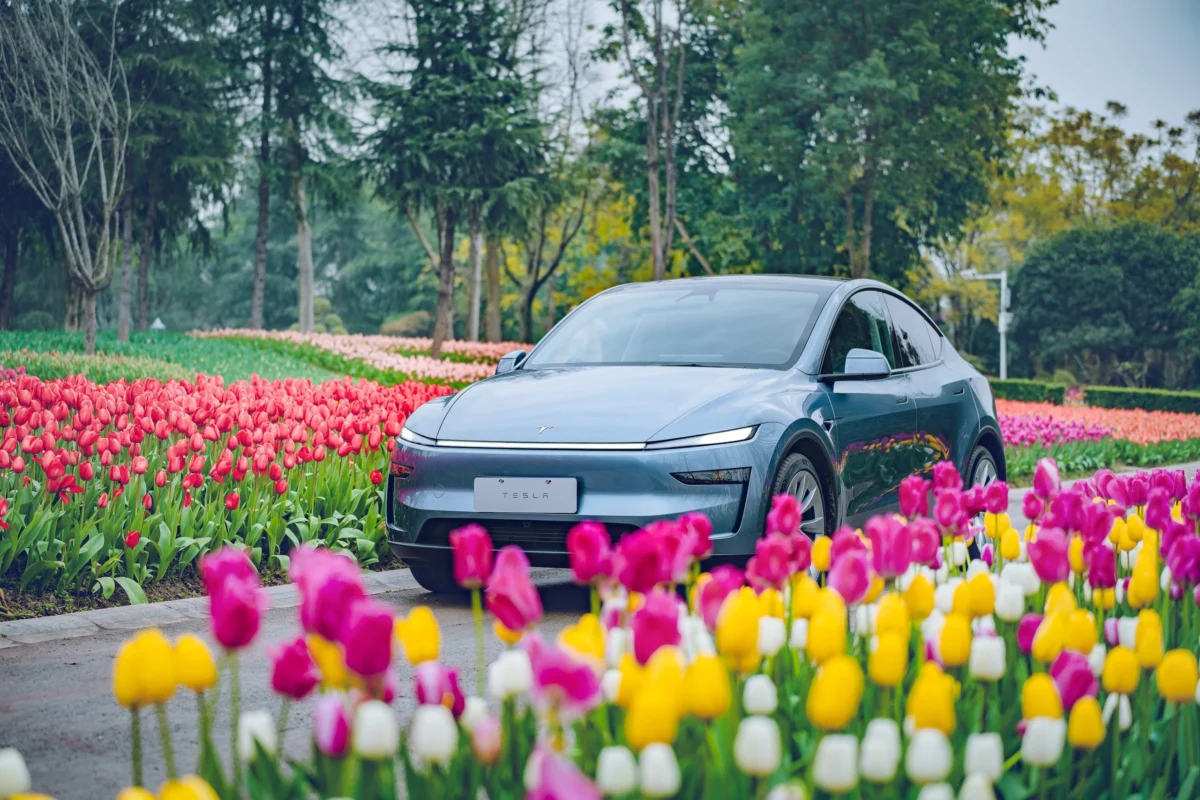
Perhaps the most surprising development in the September 2026 market report is the absence of Tesla from the list of top 10 fastest-selling used EVs. Historically, Tesla has dominated the used electric vehicle space, setting the benchmark for both supply and demand. However, the current landscape reveals a broader interest in diverse manufacturers.
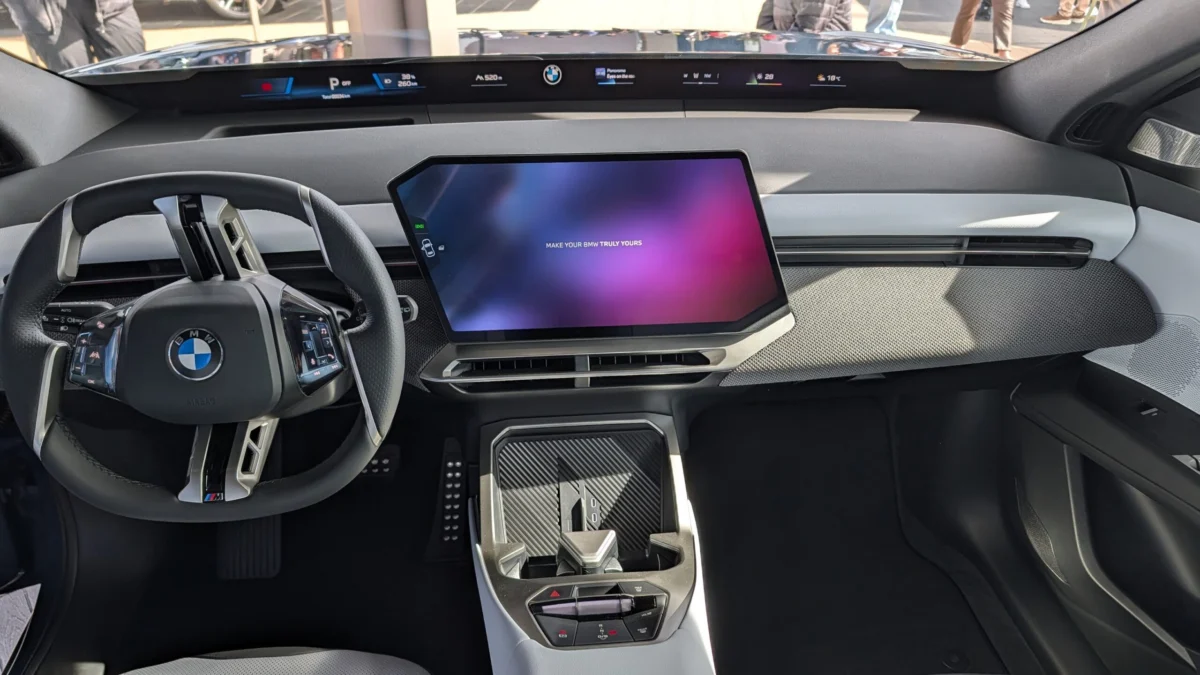
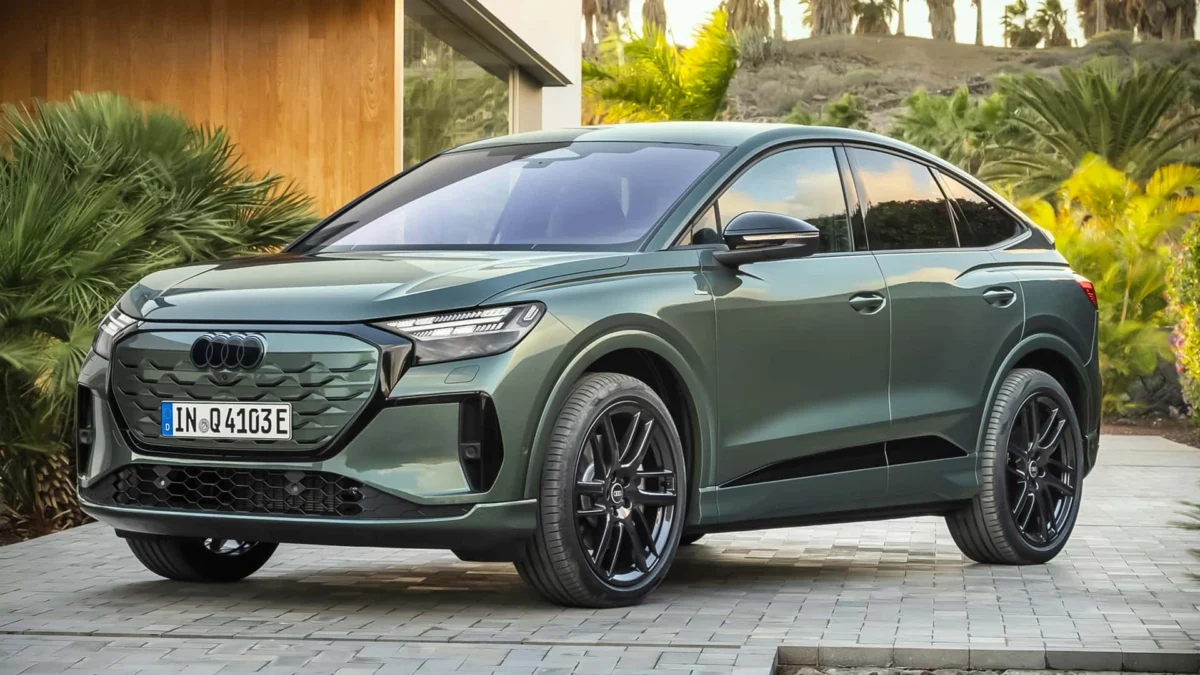
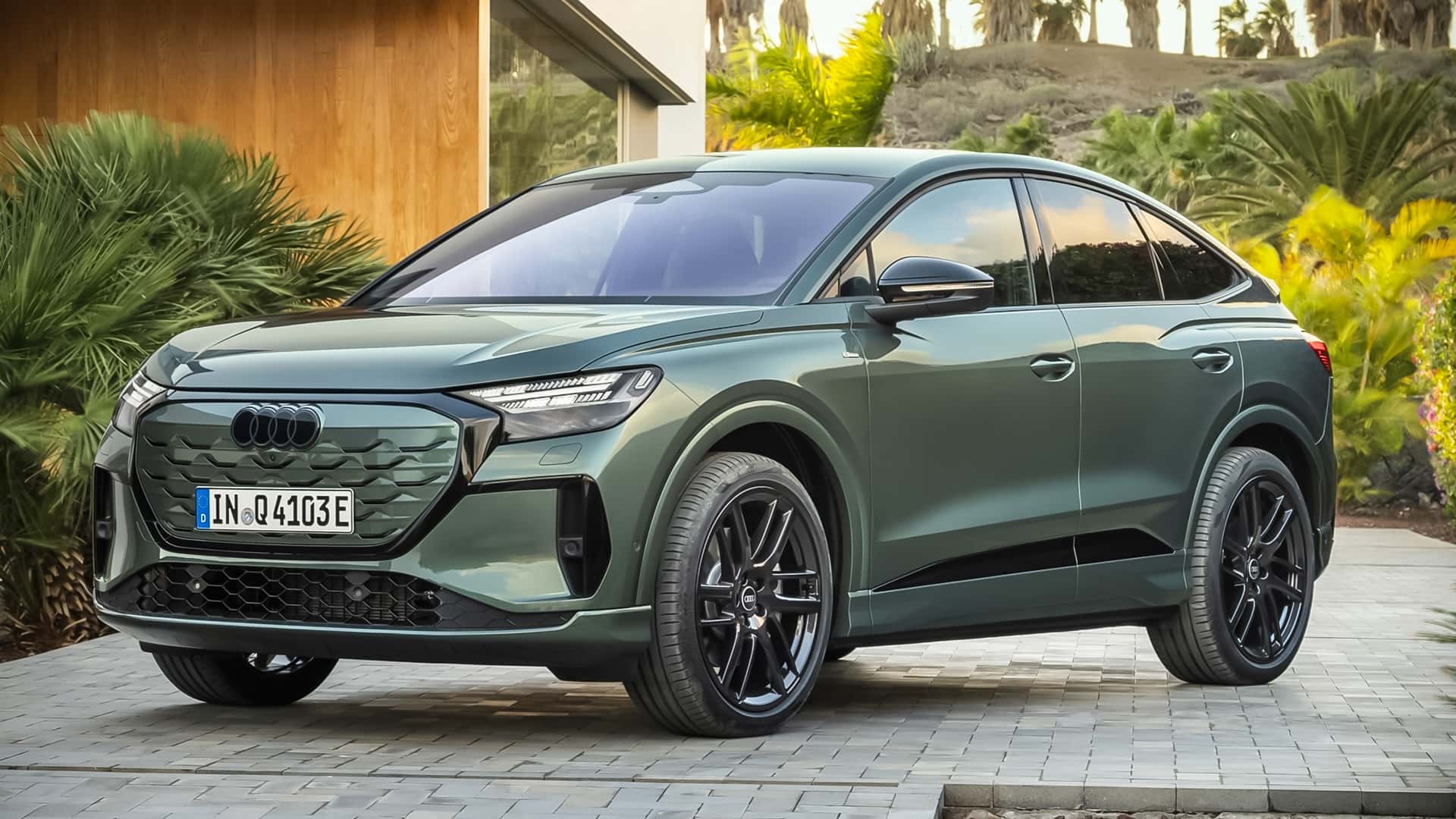
The vehicles leading the charge in sales velocity include the Audi Q4 E-tron Sportback, the Toyota bZ4X, and the Lexus RZ 300e. This selection indicates a departure from the "tech-first" buyer profile toward a more mainstream consumer base that prioritizes practical vehicle segments—specifically small-to-midsize SUVs with high-quality interior finishes and distinct, functional styling. Other models performing well on the secondary market include the Honda Prologue, the BMW iX, and the Polestar 2.
The relative stagnation of Tesla’s turnover rate may be partially attributed to its aggressive pricing strategy. Used Tesla Model S and Model X vehicles saw significant price increases of 22% and 18%, respectively, marking them as some of the highest-appreciating vehicles in the entire automotive market. While this benefits current owners, it may be creating a price barrier for prospective buyers who are now finding more value-oriented alternatives among newer, non-Tesla entrants.
The Challenges of Premium Electric Trucks and SUVs
While the overall trend for used EVs is positive, the data reveals a clear divide between mass-market crossovers and the high-end, premium segment. Large-format, expensive electric SUVs and trucks are lingering on dealer lots for significantly longer periods. The Cadillac Escalade IQ, for instance, represents the slowest-selling vehicle in the segment, followed by other high-profile, high-cost models like the GMC Sierra EV, the Chevrolet Silverado EV, the Volvo EX90, and the GMC Hummer EV.
This sluggishness is largely a function of price point and target demographic. The secondary market for ultra-luxury or high-performance electric trucks remains niche. Buyers looking for a used EV are generally focused on utility and value, making the high entry cost of these large-format vehicles a deterrent compared to the increasingly competitive and affordable mainstream options.
Broader Implications and Market Outlook
The rapid growth of the used EV market is supported by evolving perceptions of battery longevity and vehicle reliability. Recent studies, including comprehensive testing in markets like Sweden, have demonstrated that battery degradation is often less severe than initial industry skepticism suggested. As this information reaches the mainstream, the "range anxiety" that historically hampered the used EV market is beginning to dissipate.
The implications for the automotive industry are twofold. First, manufacturers must recognize that the secondary market is now a crucial pillar of their electrification strategy. As more EVs reach the end of their first lease or ownership term, the volume of used inventory will inevitably rise, providing a more accessible entry point for lower-income buyers. Second, the shift in demand toward practical, non-luxury EVs suggests that the "early adopter" phase of the electric transition has ended, replaced by a period of mass-market adoption.
The current market data from September 2026 provides a clear roadmap for stakeholders. While gasoline vehicles continue to hold the advantage in total supply, their market influence is waning as efficiency and cost-per-mile become the primary metrics for the average consumer. The success of models like the Toyota bZ4X and Honda Prologue serves as evidence that consumers are ready to embrace electrification, provided the product meets their specific lifestyle needs and is priced competitively.
As the industry moves toward 2027, the focus will likely shift to how manufacturers manage this influx of used inventory. Dealers will need to adapt their procurement strategies, moving away from a reliance on specific brands toward a more balanced portfolio that reflects the nuanced preferences of today’s electric vehicle buyers. Ultimately, the data indicates that the secondary market is no longer just a byproduct of the primary market; it has become a proactive driver of the global automotive shift toward a sustainable future.
The ongoing evolution of the used EV market will remain a critical metric for analysts, policymakers, and manufacturers alike. By monitoring the speed at which these vehicles transition between owners and the pricing stability they maintain, the industry can better forecast the long-term viability of the electric transition. For now, the evidence is clear: the secondary market has signaled its preference, and it is overwhelmingly leaning toward an electric future.