










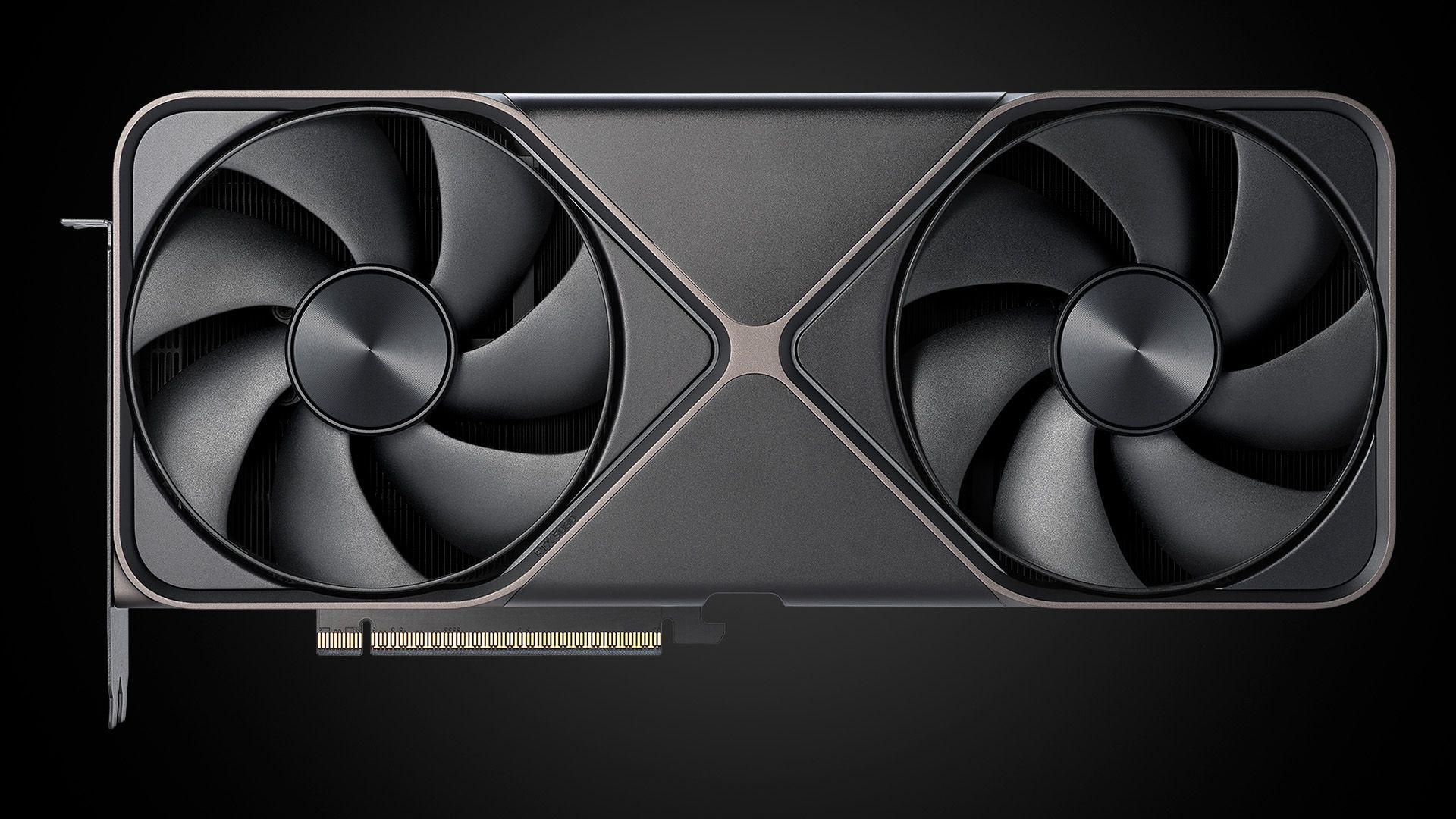
The landscape of personal computing and high-performance gaming is undergoing a seismic shift as Nvidia formally pulls back the curtain on its highly anticipated next-generation graphics architecture. At the center of this technological leap is the newly announced GeForce RTX 5080, a flagship-tier GPU engineered to push the boundaries of what is possible in real-time ray tracing, rasterization, and local artificial intelligence execution. As the successor to the immensely popular RTX 4080, the new card arrives with lofty expectations from both consumers and industry analysts who have eagerly awaited architectural improvements since the debut of the Ada Lovelace generation.
The announcement, delivered by Nvidia leadership during a major keynote presentation, highlights the company’s aggressive strategy to maintain its dominant market share in the discrete graphics card sector. With competitors like AMD and Intel ramping up their own graphics divisions, Nvidia’s introduction of the RTX 5080 serves as a powerful statement of intent. The card is not merely an incremental speed bump over its predecessor; it represents a comprehensive overhaul of the underlying silicon, memory subsystems, and tensor processing units.
Architectural Innovations and Technological Advancements
At the heart of the GeForce RTX 5080 lies a newly designed graphics processing cluster built on an advanced, highly optimized manufacturing node. While Nvidia has kept specific transistor count figures tightly under wraps pending independent benchmarks, company engineers emphasize that the new architecture delivers significantly higher instruction-per-clock performance alongside substantially improved energy efficiency.
One of the most notable upgrades in the RTX 5080 family is the integration of next-generation RT (Ray Tracing) cores and Tensor cores. These specialized hardware blocks have been redesigned to handle complex geometric calculations and neural network inferencing with minimal latency. For gamers, this translates to smoother frame rates even when running titles with fully path-traced lighting models—often referred to as "ray reconstruction"—which simulates realistic light behavior with unprecedented fidelity.
Furthermore, memory architecture has received a substantial overhaul. The GeForce RTX 5080 incorporates ultra-fast GDDR7 memory modules, marking a major industry transition from the GDDR6X standard that dominated the previous generation. This leap in memory technology provides a dramatic increase in bandwidth, effectively eliminating bottlenecks that previously occurred when processing high-resolution textures, complex game physics, and massive dataset streams required by modern AAA software.
Background Context and Market Dynamics
The arrival of the RTX 50-series arrives at a critical juncture for the consumer hardware market. Over the past two years, the personal computer industry has experienced shifting consumer demands driven by inflation, post-pandemic normalization of hardware purchases, and the explosive growth of generative artificial intelligence.
When Nvidia launched the RTX 40-series in late 2022, the cards received widespread acclaim for their performance and efficiency, particularly regarding the inclusion of DLSS 3 (Deep Learning Super Sampling) and Frame Generation technology. However, critics and budget-conscious consumers frequently pointed to elevated pricing structures as a barrier to entry. As a result, the market has been starved for a generational leap that justifies a hardware upgrade for users still utilizing older RTX 30-series or even GTX 10-series hardware.
Simultaneously, the demand for high-end GPUs is no longer dictated solely by video game enthusiasts. Professionals, data scientists, video editors, and software developers increasingly rely on consumer-grade graphics cards to train small-scale machine learning models, render complex 3D animations in real-time, and execute local AI tasks using applications like Stable Diffusion and large language models. The inclusion of enhanced Tensor cores within the RTX 5080 positions it as a powerhouse not just for entertainment, but as an indispensable workstation tool for content creators.
Chronology of the RTX 50-Series Rollout
Rumors, leaks, and supply chain whispers regarding Nvidia’s next-generation architecture have circulated through technology forums and insider channels for over a year. Understanding the timeline leading up to this official unveiling provides valuable context for the current state of the GPU market:
- Q3 2023: Early supply chain reports indicate that Nvidia is actively sampling advanced silicon nodes with semiconductor manufacturing partners, signaling the preliminary development phase for the architecture succeeding Ada Lovelace.
- Q1 2024: Industry analysts begin predicting a late 2024 or early 2025 release window for the next-generation graphics cards, fueled by rumors regarding the adoption of GDDR7 memory standards.
- Q3 2024: Whispers intensify as logistics manifests and regulatory filings point toward finalized chip tape-outs, prompting speculation about potential performance tiers and power requirements.
- Late 2024: Tech conventions and specialized media outlets report that Nvidia is preparing a major product unveiling, setting high expectations for a consumer launch in the first quarter of the following year.
- Current Announcement: Nvidia officially reveals the GeForce RTX 5080, detailing its architectural enhancements, memory subsystems, and projected performance metrics to the global technology community.
Performance Metrics and Software Integration
While independent reviewers and third-party laboratories are still conducting rigorous benchmark testing, initial internal data provided by Nvidia suggests that the GeForce RTX 5080 will deliver substantial generational uplift. In rasterized gaming workloads, the card comfortably outperforms its predecessor, while ray tracing benchmarks demonstrate even wider performance gaps due to the redesigned RT cores.
A cornerstone of Nvidia’s software ecosystem remains DLSS, and the company has used the RTX 50-series launch to introduce the next iteration of its upscaling technology. Enhanced by the more powerful Tensor cores, the new version of DLSS promises superior image reconstruction quality with drastically reduced artifacts, allowing gamers to enjoy high frame rates at 4K and even 8K resolutions without sacrificing visual clarity.
Additionally, Nvidia’s proprietary software suite—including GeForce Experience, Broadcast, and the Nvidia Studio drivers—will receive updates tailored to harness the full capabilities of the new hardware. These improvements are expected to benefit streamers, podcasters, and video editors by providing advanced noise suppression, virtual background generation, and accelerated export times in creative software suites from Adobe, Blackmagic Design, and Blender.
Official Reactions and Industry Reception
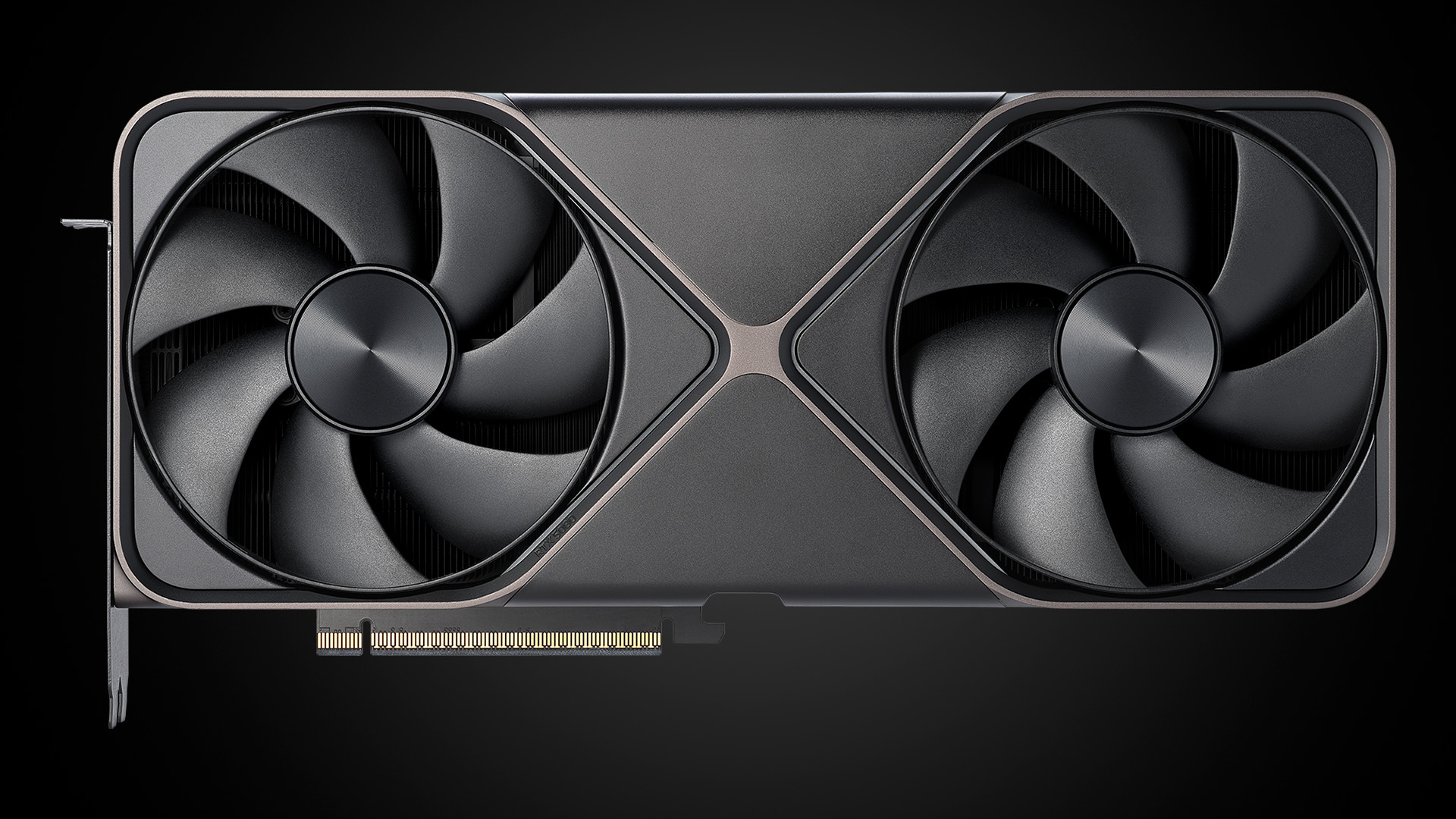
Reactions from the broader technology industry have been largely positive, though tempered by cautious optimism regarding final retail pricing and global availability. Board partners—including manufacturers such as Asus, MSI, Gigabyte, and EVGA (historically)—are already preparing custom-cooled variants of the RTX 5080 featuring elaborate cooling solutions, factory-overclocked speeds, and unique aesthetic designs.
Industry analysts note that while the performance gains are undeniable, the ultimate success of the RTX 5080 will depend heavily on its pricing strategy and stock availability. High-end graphics cards have faced supply chain constraints and scalping issues in past cycles, prompting manufacturers to work closely with retail partners to ensure a smoother launch process this time around.
"Nvidia continues to set the benchmark for high-performance graphics," notes hardware analyst Marcus Vance. "The integration of GDDR7 memory alongside refined neural processing units demonstrates that they are looking beyond traditional gaming metrics. They are building a unified platform for the future of interactive entertainment and local AI computing."
Broader Impact and Market Implications
The launch of the GeForce RTX 5080 is expected to trigger a cascading effect across the entire hardware ecosystem. As enthusiasts upgrade their systems to accommodate the new GPU, secondary markets will likely see an influx of used RTX 40-series and 30-series cards, potentially driving down prices for budget-conscious builders.
Furthermore, the widespread adoption of GDDR7 memory and advanced ray tracing architectures will likely influence game developers to push the technical boundaries of upcoming software releases. With more hardware capable of handling complex path tracing and heavy AI processing natively, developers can design more immersive, dynamic virtual worlds without relying as heavily on traditional visual trickery.
As the official retail release date approaches, consumers and industry observers alike will be watching closely for independent benchmark results to verify Nvidia’s performance claims. If the GeForce RTX 5080 lives up to its technical promise, it will firmly cement Nvidia’s leadership position in the graphics hardware market for years to come, establishing a new standard for performance, efficiency, and capability in personal computing.