The outdoor retail landscape has seen a notable shift in gear discounting strategies as major equipment providers clear inventory for upcoming seasonal transitions. Among the most prominent items affected by these markdowns is the REI Co-op Sahara Shade Hoodie, which has recently been discounted by 50 percent, bringing the retail price down to $30 for both men’s and women’s variations. This technical sun-protection garment, long utilized by thru-hikers, paddlers, and backpackers navigating high-exposure environments, has emerged as a focal point for consumers seeking high-performance apparel at accessible price points. As retailers prepare for autumn inventory rotations, this price adjustment highlights broader economic trends within the outdoor recreation market, where brands increasingly rely on strategic discounts to maintain consumer engagement amidst fluctuating demand for technical gear.
Main Facts and Current Retail Landscape
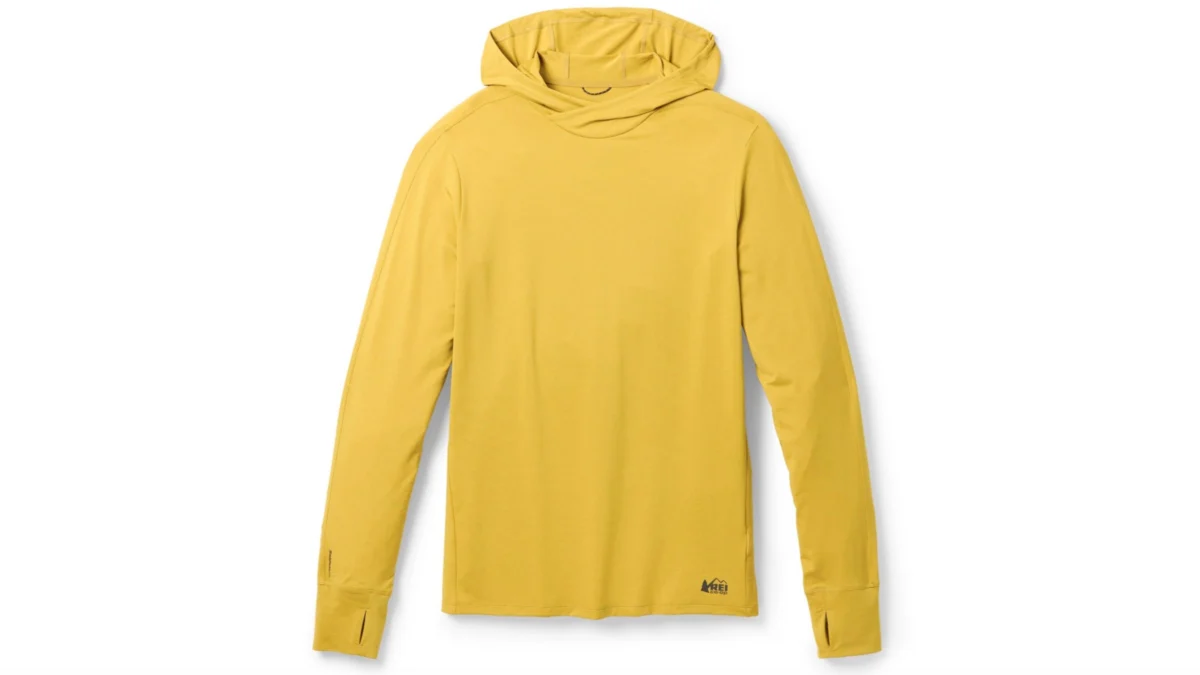
The REI Co-op Sahara Shade Hoodie is engineered primarily as a technical sun-protection layer, combining a lightweight polyester-spandex blend with a 50+ ultraviolet protection factor (UPF) rating. The garment features a 3-panel hood equipped with a hidden internal drawstring, raglan sleeves designed to eliminate friction points under heavy backpack straps, and integrated thumbholes intended to provide extended hand coverage in alpine settings.
The recent pricing update, which places the hoodie at $30, represents a significant departure from its standard retail baseline. Industry analysts note that mid-season and end-of-season markdowns on core technical apparel are typical for consumer-cooperative business models, which frequently utilize targeted promotions to drive membership acquisition and sustain inventory velocity. The Sahara Shade series has historically occupied a foundational role in REI’s private-label apparel lineup, serving as a direct competitor to higher-priced sun hoodies manufactured by dedicated mountain-sport brands.
Chronology of the Sahara Shade Line and Market Evolution
The development and market trajectory of the Sahara Shade Hoodie reflect a broader industry-wide pivot toward comprehensive sun protection in outdoor apparel. Over the past decade, dermatological awareness campaigns and a rising preference for lightweight, breathable layers over traditional chemical sunscreens have catalyzed demand for high-UPF garments.
Initially, technical sun hoodies were niche products designed largely for desert environments or high-altitude mountaineering. However, as extreme weather patterns and elevated UV indices became more frequent across North American trail systems—including the Colorado Trail and the Florida Everglades—demand shifted toward versatile, multi-climate options. The Sahara Shade line was engineered to address this demand by integrating moisture-wicking properties with mechanical stretch fabric.
By September 2026, the garment had established a firm reputation within long-distance backpacking communities, securing field deployment on prominent expeditions, including Backpacker magazine’s editorial gear testing along Wisconsin’s Ice Age Trail. The timing of the current 50 percent price reduction aligns with this ongoing seasonal testing cycle, offering consumers an opportunity to acquire field-proven gear just as autumnal hiking conditions begin to take hold across northern latitudes.
Supporting Data and Technical Specifications
To contextualize the market positioning of the Sahara Shade Hoodie, industry metrics point to a steady growth trajectory for the technical sun-protection apparel sector. Market research indicates that consumer spending on UPF-rated clothing has expanded at a compound annual growth rate exceeding six percent over the past five years. This growth is driven primarily by heightened consumer consciousness regarding skin health and the performance limitations of topical sunscreens during high-output aerobic activities.
The technical specifications of the discounted garment include:
- Fabric Composition: Polyester-spandex blend optimized for mechanical stretch and moisture management.
- Sun Protection: UPF 50+, blocking approximately 98 percent of ultraviolet radiation.
- Design Architecture: Raglan sleeve construction to reduce chafing under load-bearing shoulder straps.
- Ergonomic Features: Low-profile thumbholes and an integrated 3-panel hood with a concealed adjustment cord.
- Weight Classification: Ultralight category, designed for rapid drying and high compressibility.
Performance evaluations conducted across diverse environments—ranging from the arid, high-altitude microclimates of the Rocky Mountains to the humid, marine-influenced ecosystems of southern wetlands—demonstrate that the fabric maintains its structural integrity and wicking efficiency through repeated wash and wear cycles.
Industry Analysis and Expert Perspectives
Outdoor gear analysts and product developers observe that private-label offerings from major retail cooperatives like REI exert considerable influence on market pricing standards. When high-performance technical apparel is introduced or discounted to the $30 price tier, it establishes a benchmark against which independent manufacturers must measure their own product value propositions.
According to retail economists, the decision to reduce the price of a flagship sun hoodie by half typically indicates one of two primary supply chain dynamics: an imminent product redesign or a strategic inventory adjustment designed to maximize warehouse turnover ahead of cold-weather gear arrivals. Given the enduring popularity of the Sahara Shade design, market observers lean toward the latter explanation, viewing the promotion as a deliberate effort to capture market share among budget-conscious consumers entering the shoulder-season hiking window.
Furthermore, environmental and physiological experts emphasize the practical implications of widespread access to high-UPF apparel. Public health advocates note that while sunscreens remain vital, physical barriers such as tightly woven, certified UPF fabrics offer consistent protection that does not degrade due to perspiration, water immersion, or time elapsed between applications. Consequently, the increased affordability of technical sun layers carries positive implications for long-term outdoor safety.
Broader Impact and Implications for Consumers
The availability of the REI Co-op Sahara Shade Hoodie at a reduced price point underscores a broader democratization of technical outdoor gear. Historically, advanced moisture-wicking fabrics and certified ultraviolet protection were concentrated in premium-priced product lines that could present financial barriers for entry-level participants in outdoor recreation.
By lowering the cost of essential sun-protection layers, retail promotions of this scale facilitate safer participation in activities such as backpacking, trail running, cycling, and paddling. For consumers planning late-season expeditions or preparing for next year’s warm-weather calendar, the current market pricing offers a cost-effective avenue for acquiring dependable field equipment.
As the outdoor industry continues to navigate shifting consumer preferences and economic pressures, the performance and pricing of foundational garments like the Sahara Shade Hoodie will likely remain a key indicator of market health. Whether utilized for rigorous thru-hikes or casual weekend outings, technical sun layers have firmly transitioned from specialty items to standard equipment for outdoor enthusiasts across all demographic segments.