For years, the Apple smart home ecosystem has remained in a state of relative stagnation. While competitors like Amazon and Google aggressively iterated on their hardware portfolios, Apple’s core offerings—the HomePod mini and the Apple TV 4K—have seen only incremental updates or have lingered in the market for up to six years without a significant architectural refresh. Industry analysts have long suggested that this inertia was not due to a lack of ambition, but rather a deliberate "wait-and-see" approach while the company perfected its foundational artificial intelligence strategy. Now that "Siri AI"—the generative intelligence framework underpinning Apple’s future software stack—has matured, the company is preparing to launch a comprehensive series of home products designed to transform the living room into a sophisticated, AI-driven environment.
A Strategic Pivot Toward AI-First Hardware
The primary obstacle preventing a rapid expansion of Apple’s smart home hardware has been the necessity of on-device processing power. To maintain the company’s strict privacy standards, Apple prefers to process voice commands and behavioral patterns locally rather than relying exclusively on cloud-based servers. Consequently, the previous iterations of the HomePod and Apple TV lacked the neural engine capacity required to host the complex language models that define Apple Intelligence.
With the rollout of the latest S-series and A-series silicon, that limitation is being erased. Reports indicate that Apple is transitioning its home product line to prioritize high-performance chipsets that can handle large language models, computer vision, and advanced automation tasks in real-time.
Imminent Hardware Updates: Q4 2026 and Early 2027
The first phase of this rollout is expected to begin in the coming months, focusing on two legacy product lines that are overdue for modernization.
The HomePod mini Evolution
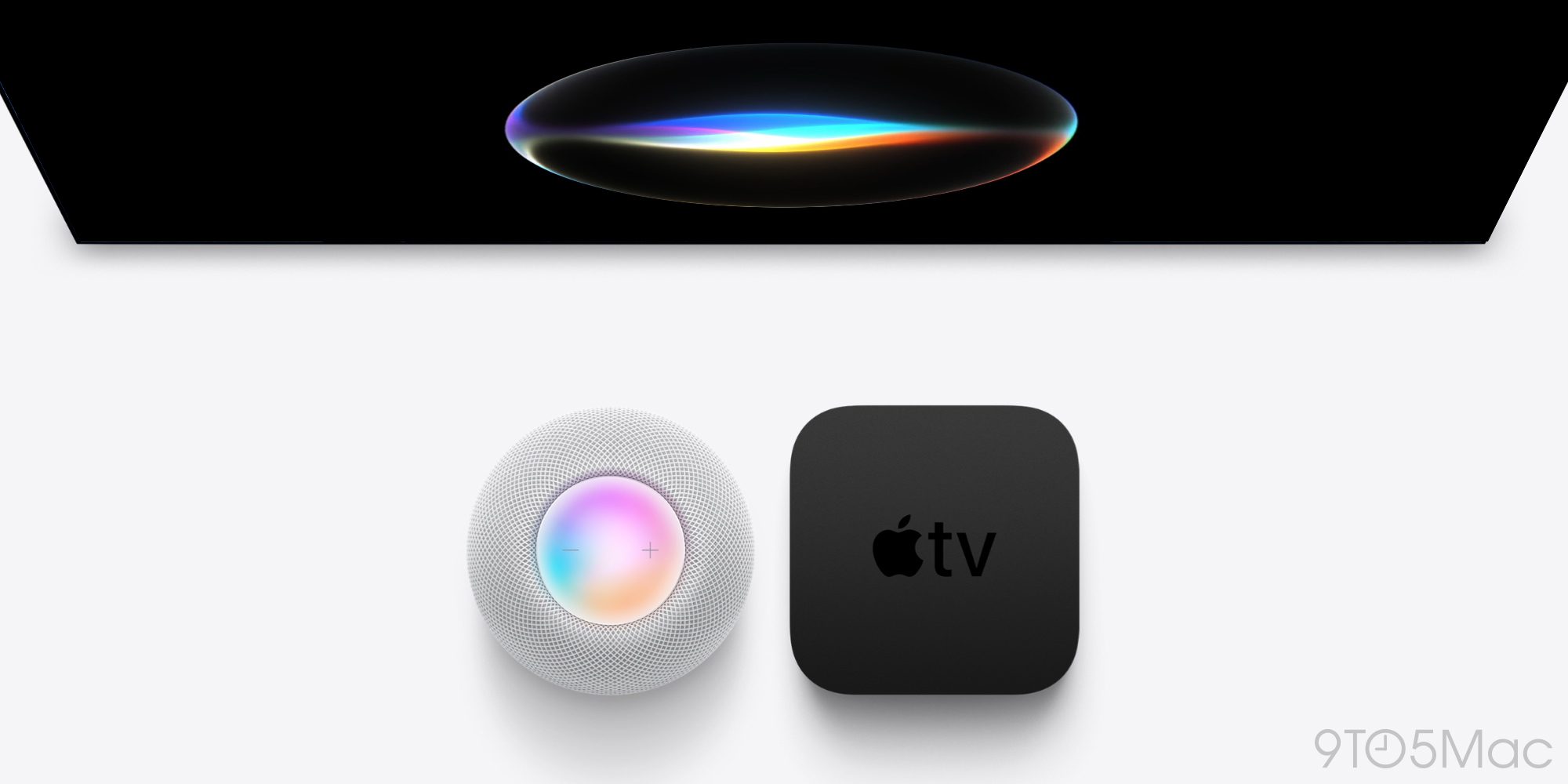
The HomePod mini is slated for a significant internal upgrade. Current hardware utilizes the S5 chip, which debuted in the Apple Watch Series 5. By transitioning to the S9 chip—or potentially an even more advanced variant—the new HomePod mini will gain the computational headroom necessary to run Siri AI locally. Beyond processing power, the device is expected to feature a new wireless connectivity chip, likely the N1, which will improve handoff latency and spatial awareness. Industry observers anticipate that these hardware changes will allow the HomePod mini to function not just as a speaker, but as an intelligent, context-aware command center.
The Next-Generation Apple TV 4K
The Apple TV 4K is also scheduled for an overhaul. While the current A15 Bionic chip remains capable for standard media consumption, it is insufficient for the demands of advanced AI-driven home management. The upcoming iteration is reported to feature the A17 Pro chip. While some critics argue that the A17 Pro is approaching the end of its cutting-edge cycle, it offers a massive leap in GPU and Neural Engine performance over the A15. This change will allow the Apple TV to serve as the primary "brain" of the home, enabling it to process complex Siri requests, manage home security feeds via computer vision, and coordinate interactions between various HomeKit devices with minimal latency. Additionally, a redesign of the Siri Remote is expected, potentially incorporating features that allow for more intuitive interaction with the new AI interface.
The Rise of homeOS and the HomePad
Perhaps the most significant development in Apple’s roadmap is the introduction of a new product category and a dedicated operating system. Internally referred to as "homeOS," this platform will serve as the software foundation for a range of new wall-mounted and tabletop displays.
The device colloquially dubbed the "HomePad" represents Apple’s answer to the smart home display market, which has been dominated by devices like the Google Nest Hub and Amazon Echo Show. Apple’s approach involves two distinct form factors:
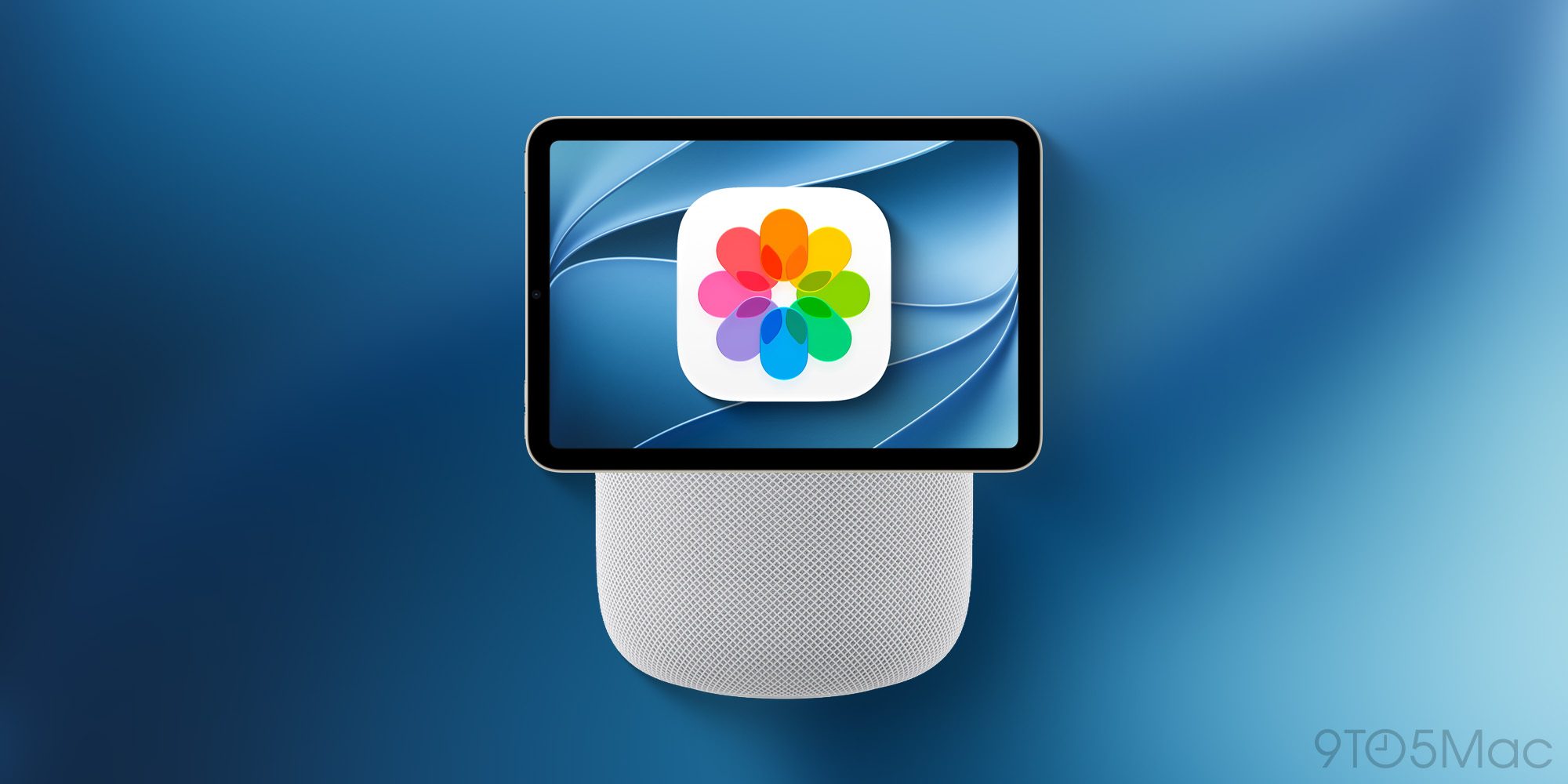
- A wall-mounted display that uses a proprietary magnetic mounting system, designed to blend into modern home decor.
- A tabletop version that integrates a 7-inch square display with a speaker base.
Both devices are expected to be powered by the A18 chip, ensuring they remain relevant for several years. The primary functionality of these devices will revolve around "ambient computing"—the idea that the device provides information and utility before the user even asks. From managing calendar events and controlling smart lighting to hosting high-fidelity FaceTime calls, the HomePad is designed to be the central node of the Apple home ecosystem.
Broader Implications: Moving Beyond Software
Apple’s strategy has historically favored "walled garden" software ecosystems, but the upcoming transition signals a pivot toward becoming a vertically integrated hardware manufacturer for the home. By entering the market for security cameras and smart doorbells, Apple is directly challenging established players like Ring and Nest.
The implications of this shift are twofold:
- Ecosystem Lock-in: By controlling both the camera hardware and the AI that processes the footage, Apple can offer privacy features that third-party manufacturers cannot guarantee. Features such as on-device face recognition that logs visitors without ever uploading biometric data to the cloud represent a significant competitive advantage.
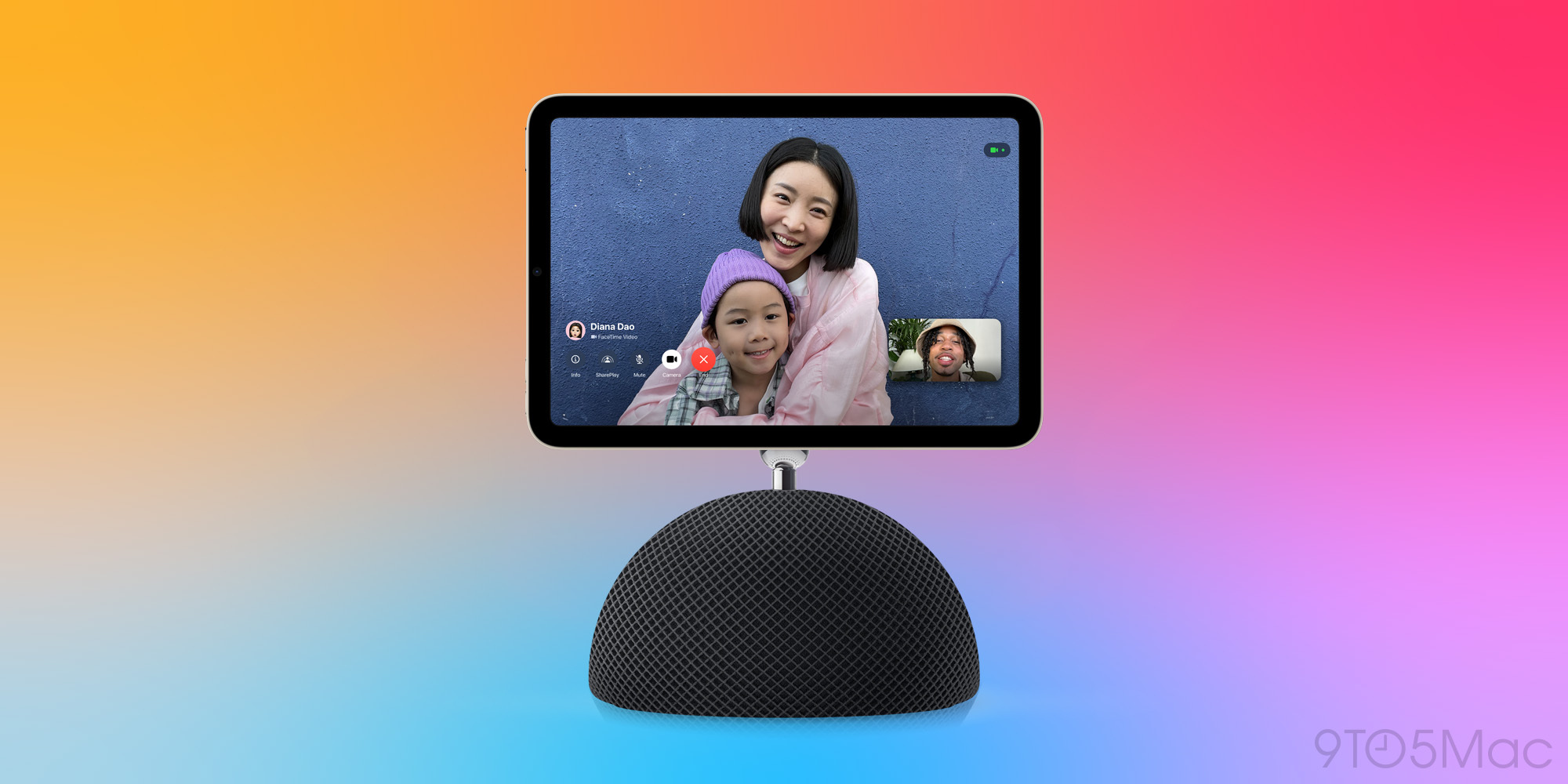
- The "Tabletop Robot" Frontier: Looking further into the future, Apple is prototyping a more advanced robotic device. This product, reportedly featuring a motorized robotic arm that can tilt and rotate a 9-inch display, aims to follow the user around a room during a video call or focus on a specific area of the kitchen while the user cooks. This moves Apple from passive "smart home" devices into the realm of active, mobile robotics.
Market Context and Future Outlook
The decision to wait until late 2026 to push these products into the market reflects a cautious approach to consumer electronics. By waiting for the semiconductor industry to catch up to the needs of local AI processing, Apple has avoided the common pitfalls of early-generation AI devices, which often suffer from thermal throttling and slow response times.
However, the competition is not sitting idle. Amazon and Google are also pivoting their hardware toward generative AI, and the battle for the "living room interface" is intensifying. For Apple, the challenge will be pricing. With the HomePod mini currently retailing at $129 and the Apple TV 4K at $199, the company faces pressure to maintain these price points despite the inclusion of significantly more expensive silicon.
If the reported rollout remains on schedule, the next six to twelve months will mark the most significant expansion of the Apple hardware portfolio since the introduction of the Vision Pro. As these devices begin to reach consumers, the focus will shift from the raw specifications of the chips to the practical reality of how "Siri AI" changes the way we interact with our homes. Whether this leads to a more cohesive, private, and intelligent living environment will be the ultimate test of Apple’s long-term strategy.