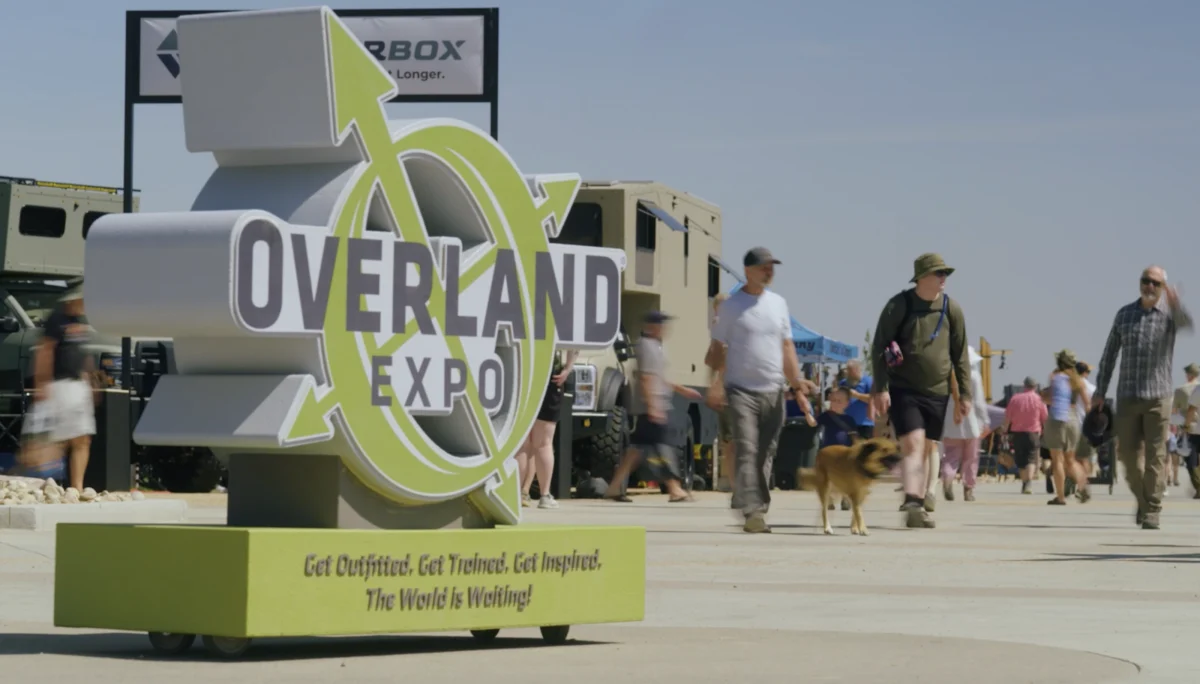
Overlanding has transitioned from a niche hobby for off-road enthusiasts into a sophisticated outdoor industry, blending the spirit of exploration with the comforts of modern engineering. By definition, overlanding is self-reliant travel to remote destinations where the journey is the primary objective. As of September 2026, the activity has seen a surge in participation, drawing thousands of adventurers who seek to navigate diverse terrains—from glacier-lined mountain passes to arid desert plateaus—using highly modified, trail-ready vehicles. However, the complexity of vehicle preparation, mechanical maintenance, and navigation remains a significant barrier for those entering the space.
The Rise of the Overland Expo and Industry Growth
The Overland Expo, now a premier global platform for the community, has seen its footprint expand significantly over the past decade. Hosting five annual events across the United States, the organization serves as a central hub for nearly 100,000 attendees, ranging from novices to seasoned industry professionals. These events serve as a barometer for the health of the overlanding market, showcasing a symbiotic relationship between manufacturers and end-users.
The evolution of the Expo reflects the broader growth of the outdoor recreation sector. According to recent market analysis, the demand for off-road-capable vehicles and modular camping systems has grown by approximately 12% annually since 2022. This shift is driven by a post-pandemic trend favoring remote work flexibility and "van-life" logistics, which allow individuals to integrate professional life with extended periods of travel. At the recent Overland Expo Mtn West, exhibitors emphasized that success in this environment requires a balance between weight management—critical for fuel efficiency—and the durability necessary to withstand technical off-road conditions.

Technical Foundations: Vehicle Customization and Gear Selection
For the aspiring overlander, the vehicle serves as the foundation of the experience. The process of "building" a rig is inherently modular, allowing owners to customize their setup based on their specific travel requirements. Experts at the Mtn West event highlighted that the primary consideration for any build is the weight-to-performance ratio. Every piece of equipment, from auxiliary power systems to specialized storage, contributes to the vehicle’s center of gravity and overall stress on drivetrain components.
Inflatable technology has emerged as a disruptive solution to the weight problem. Industry developments from companies like FLATED have introduced inflatable truck bed covers and storage solutions that significantly reduce vehicle weight compared to traditional steel or fiberglass counterparts. These products provide the utility of a standard rack or box while offering the convenience of storage within a standard garage space when not in use.
Furthermore, the sleeping configuration remains the most critical decision for a new overlander. While vans offer internal living spaces, many SUV and truck owners rely on rooftop tent (RTT) systems. These systems have evolved to become more aerodynamically efficient and user-friendly, with manufacturers like Napier focusing on high-denier materials that can withstand extreme weather fluctuations. The versatility of an RTT—being transferable between vehicles—offers a level of agility that fixed-body campers cannot match.
The Critical Role of Tire Engineering
The interface between the vehicle and the terrain is the tire. From a mechanical standpoint, tires are the primary safety feature of an off-road vehicle, dictating the limits of traction, puncture resistance, and load-bearing capacity. At the recent expo, Hankook Tire showcased its Dynapro lineup, focusing on the specialized engineering required for diverse surfaces, including mud, shale, ice, and loose gravel.

Nick Scherr, a Phoenix-based vehicle designer and builder, notes that the distinction between a "show truck" and a functional overland vehicle often comes down to the tire choice. "When you are going off-road, it all starts with your tires," Scherr explains. "That is what is actually in contact with the environment, navigating the obstacles that dictate whether you reach your destination or remain stranded."
The technical requirements for tires in this sector are rigorous. A high-performance mud-terrain (MT) tire requires a tread pattern capable of self-cleaning—effectively shedding debris to maintain contact with the surface—while the sidewall must be reinforced to prevent ruptures from jagged rocks. Hankook’s "Terrain Mastery" sessions at the event provided a granular look at this, using cut-away models to demonstrate the ply construction and internal rubber compounds that differentiate all-terrain (AT) tires from their mud-terrain (MT) counterparts. For most users, the challenge is selecting a tire that balances aggressive off-road performance with acceptable road noise and fuel efficiency during long-distance highway travel.
Safety, Recovery, and the Necessity of Community
Despite the emphasis on gear, the most vital component of overlanding is the human element. The culture of the sport has moved away from the "lone wolf" mentality toward a highly interconnected network of enthusiasts who prioritize collective safety. This is particularly evident in the protocol for vehicle recovery.
Statistical data from off-road recovery organizations suggests that over 60% of mechanical incidents in the backcountry are mitigated by the presence of a second vehicle. The necessity of having a spotter—a person outside the vehicle who provides visual cues during technical maneuvers—cannot be overstated. This collaborative approach has fostered a unique subculture where vehicle brand loyalty (Toyota, Ford, Nissan, etc.) is secondary to the "trail code," which mandates that any traveler in distress receives assistance from passing groups, regardless of affiliation.

"I was doing a photo shoot with a lifted Nissan truck, and I pulled over too far into a ditch and high-centered the truck," recalls Scherr. "I was helped by someone in a Ford Ranger Raptor who pulled over and spent 45 minutes pulling me out. It wasn’t because we were two Ford guys hanging out. It was because he was off-roading and saw another person in need."
Broader Implications for the Future of Overlanding
As the sport continues to mature, the industry is facing pressure to address environmental impact and sustainable trail usage. Increased foot and vehicle traffic in protected areas has led land management agencies, such as the Bureau of Land Management (BLM) and the U.S. Forest Service, to implement stricter regulations on dispersed camping.
The "Leave No Trace" principle, originally developed for hikers, is being adapted for the overlanding community. Manufacturers are responding by developing more efficient waste management systems and promoting low-impact driving techniques that prevent trail erosion. The future of overlanding lies in this balance between technological innovation—such as electric vehicle (EV) integration and advanced lithium-ion power management—and a commitment to land stewardship.
For those looking to enter the community in the coming years, the roadmap is clear: prioritize the mechanical integrity of the vehicle, invest in high-quality rubber, and establish a network of peers. The "superpowers" that overlanding provides—the ability to access the remote and the rugged—are not merely the result of a well-equipped rig, but the result of knowledge, preparation, and the willingness to rely on others when the terrain exceeds the limits of the machine.

As the 2026 season concludes, the consensus among experts is that while gear will continue to evolve and become more specialized, the core tenets of the sport remain unchanged. Whether navigating the steep inclines of Arizona’s Gold Canyon or traversing the mud-slicked paths of Alabama, the success of an overlanding journey is ultimately determined by the driver’s ability to respect the terrain, manage their equipment, and contribute to the safety of the collective community.