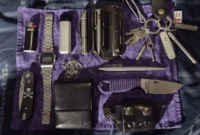
For emergency responders and outdoor enthusiasts alike, the concept of "Everyday Carry" (EDC) has shifted from a mere collection of personal items to a calculated system of high-performance tools designed for reliability and efficiency. In the high-stakes environment of emergency medical services (EMS), where seconds can dictate patient outcomes and equipment failure is not an option, the selection of gear is a process of refinement. A recent spotlight on the kit of a California-based EMT highlights a growing trend toward "minimalist performance"—the integration of full-sized tool functionality within the smallest, lightest, and most ergonomic form factors available on the market today.
The Philosophy of Minimalist Utility
The modern approach to EDC is defined by the objective to maximize capability while minimizing the physical footprint on the user. For a first responder, weight management is critical; carrying redundant or heavy equipment can lead to fatigue during long shifts. By prioritizing lightweight materials—such as carbon fiber, high-grade polymers, and slim-profile alloys—professionals are constructing "kits" that remain unobtrusive during daily tasks while providing the necessary versatility for crisis intervention.
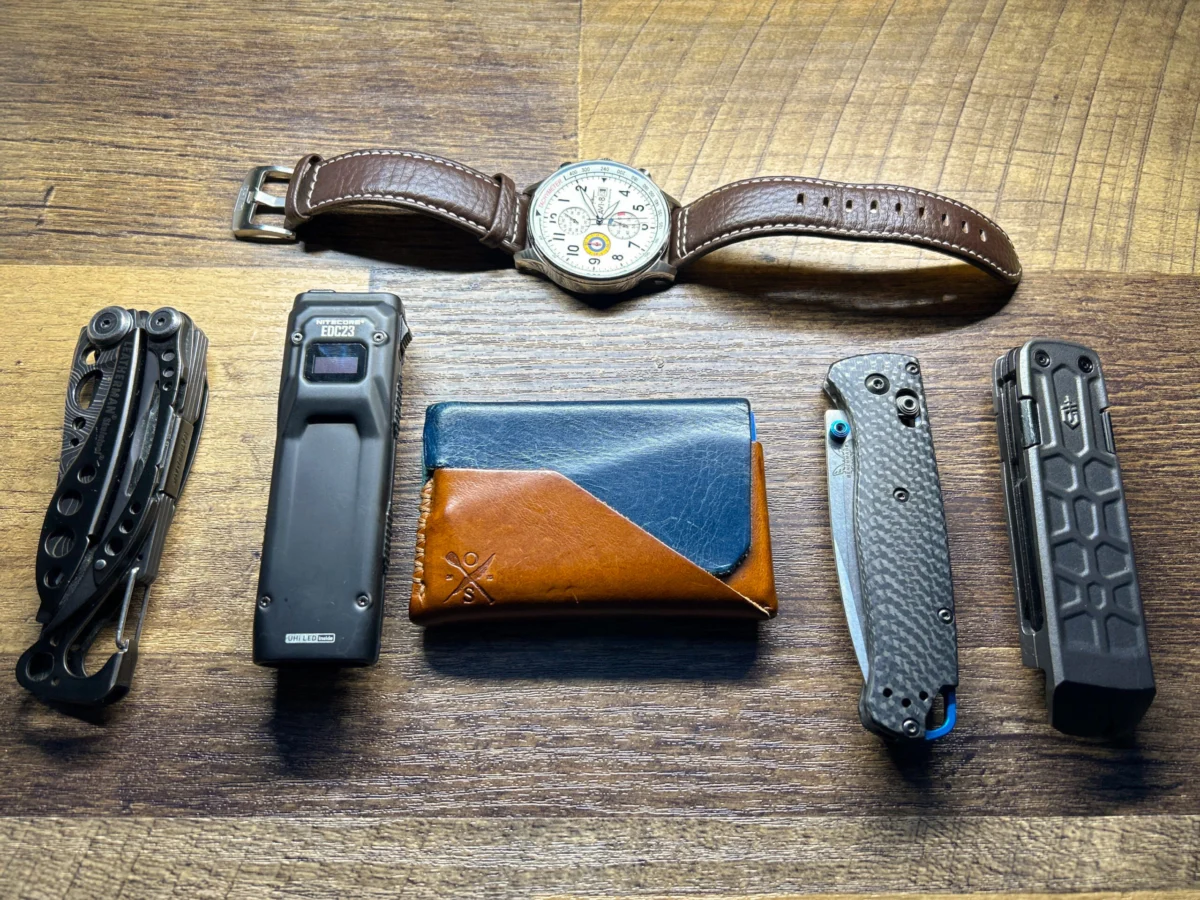
The recent transition toward this minimalist philosophy is supported by advancements in manufacturing. Materials that were once reserved for aerospace and professional racing, such as carbon fiber, are now standard in high-end folders like the Benchmade Bugout. This shift reflects a broader consumer preference for tools that bridge the gap between aesthetic appeal and industrial-grade durability.

Chronology of Gear Selection: A Strategic Approach
The process of assembling a professional EDC kit is rarely instantaneous. It is an iterative journey that follows a distinct timeline of trial, error, and refinement.
- The Phase of Discovery: New professionals often begin with standard, mass-produced tools. This phase is characterized by an inventory of gear that is often too heavy or specialized for general use.
- The Testing Phase: Over months of real-world application—ranging from household repairs to emergency calls—the user identifies which tools are essential and which are merely "filler."
- The Refinement Phase: This is where the kit is optimized. The user swaps out bulky items for compact, high-output alternatives. For example, the replacement of a standard flashlight with a high-lumen, ultra-slim model like the Nitecore EDC23 represents this transition to efficiency.
- The Integration Phase: The final stage involves balancing technical tools with personal, tactile elements, such as leather accessories. This adds an organic, human element to a kit otherwise dominated by cold, synthetic materials.
Technical Analysis of Key Components
The gear featured in this specific kit represents the pinnacle of current compact engineering.
The Benchmade Bugout (Carbon Fiber):
The Bugout series has fundamentally altered the pocket knife market. By utilizing carbon fiber handles, the manufacturer has achieved a structural integrity that rivals heavy-duty tactical knives while remaining light enough to vanish in a pocket. For an EMT, the ability to deploy a blade with one hand, combined with a locking mechanism that ensures user safety under stress, is a vital feature for tasks ranging from cutting clothing to basic equipment maintenance.
The Leatherman Skeletool:
Leatherman’s Skeletool is often cited by industry analysts as the "Goldilocks" of multi-tools. By stripping away non-essential features, the tool provides the necessary components—pliers, a wire cutter, a bit driver, and a knife—without the bulk of a traditional multi-tool. Its skeletal frame reduces weight significantly, making it the preferred choice for those who need utility without the weight penalty.
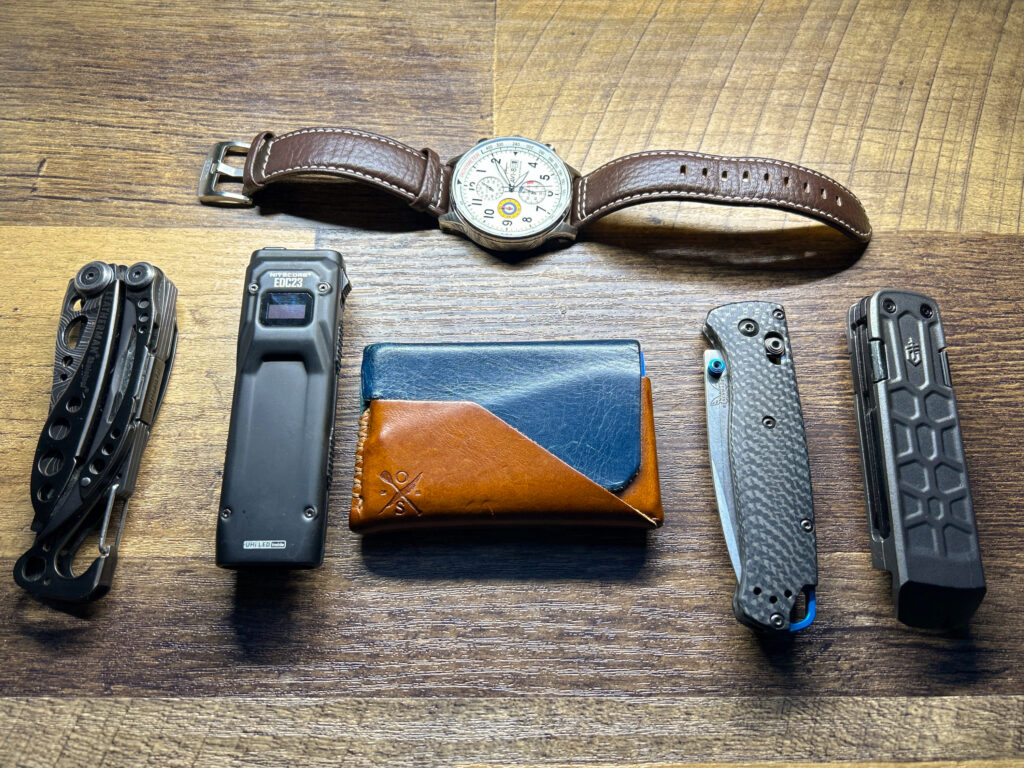
Nitecore EDC23 Flashlight:
Lighting technology has undergone a rapid evolution. The EDC23 is an example of the "flat-form" design movement. Traditional cylindrical flashlights are often prone to rolling and can be bulky in a pocket. The flat design of the EDC23 allows it to sit flush against the body, minimizing drag and discomfort. With 2,500 lumens, it provides a level of illumination that was, until recently, only possible with heavy, battery-intensive spotlights.
The Role of Organic Contrast
While technical specs dominate the conversation, the inclusion of organic materials like leather—seen in the OSL leather wallet and watch strap—serves a functional purpose beyond aesthetics. Leather is a durable, long-lasting material that develops a patina over time, recording the history of the user’s work. In high-stress environments, having "grounding" items that feel natural to the touch can provide a psychological benefit, balancing the mechanical nature of the professional equipment.
Broader Implications for the Industry
The shift toward compact, high-performance gear is influencing how manufacturers develop new products. There is a clear market demand for "full-sized capability in a micro-package." Companies that fail to innovate in terms of weight-to-strength ratios are finding themselves losing market share to those that prioritize minimalist design.
Moreover, the rise of the "EDC community" online has created a feedback loop between users and engineers. Manufacturers are increasingly looking at user-submitted data and real-world testing from professionals in the field to inform their R&D processes. This collaborative environment ensures that tools are not just designed in a vacuum, but are built to withstand the rigors of real-world use.

Expert Perspective and Future Trends
Industry experts suggest that the next frontier for EDC gear will be the integration of smart technology. We are already seeing the early stages of this with USB-C rechargeable devices, but the future may hold personalized, biometric-locking knives and flashlights that can sync with a user’s mobile device to track usage metrics or battery health.
However, despite these technological advancements, the core requirement remains the same: reliability. Whether it is an EMT working a 12-hour shift in California or an outdoor enthusiast in the backcountry, the priority remains the same—having the right tool, at the right time, in a format that doesn’t hinder the user’s primary mission.
Conclusion: The Personalization of Preparedness
Ultimately, the assembly of a personal EDC kit is a reflection of the user’s specific needs and the environment in which they operate. The "California EMT" model serves as a benchmark for modern, professional-grade carry. By blending high-performance, minimalist tools with durable, organic accessories, the user has created a system that is as effective in the field as it is convenient in daily life.
As the industry continues to evolve, the emphasis on lightweight, high-output, and highly reliable gear will remain the defining characteristic of the modern EDC landscape. For those looking to optimize their own kits, the key takeaway is clear: identify the essential functions required for your daily life, and seek the lightest, most durable tools that can fulfill those roles with consistent precision. In the world of professional preparedness, less is increasingly becoming more.