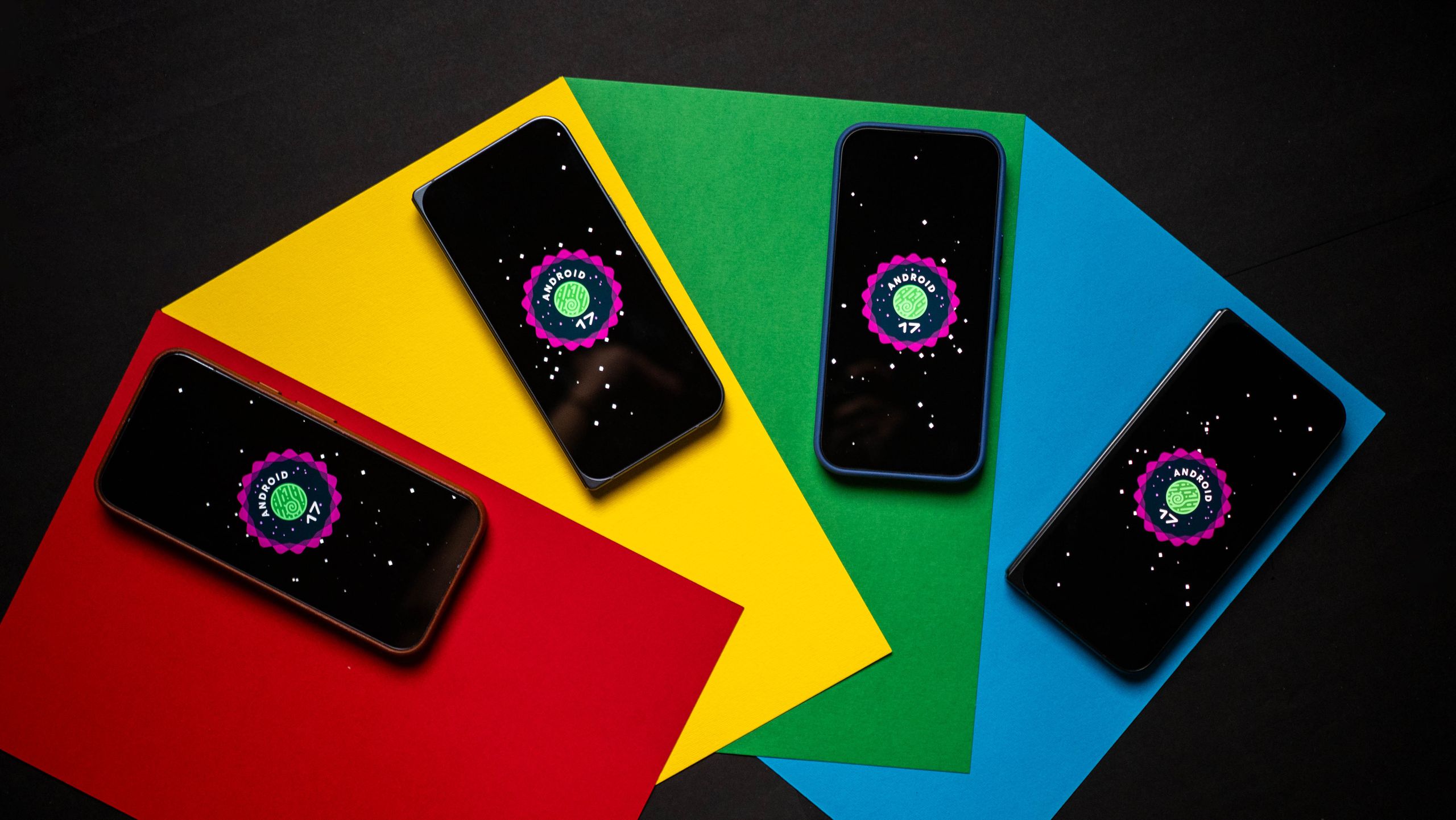
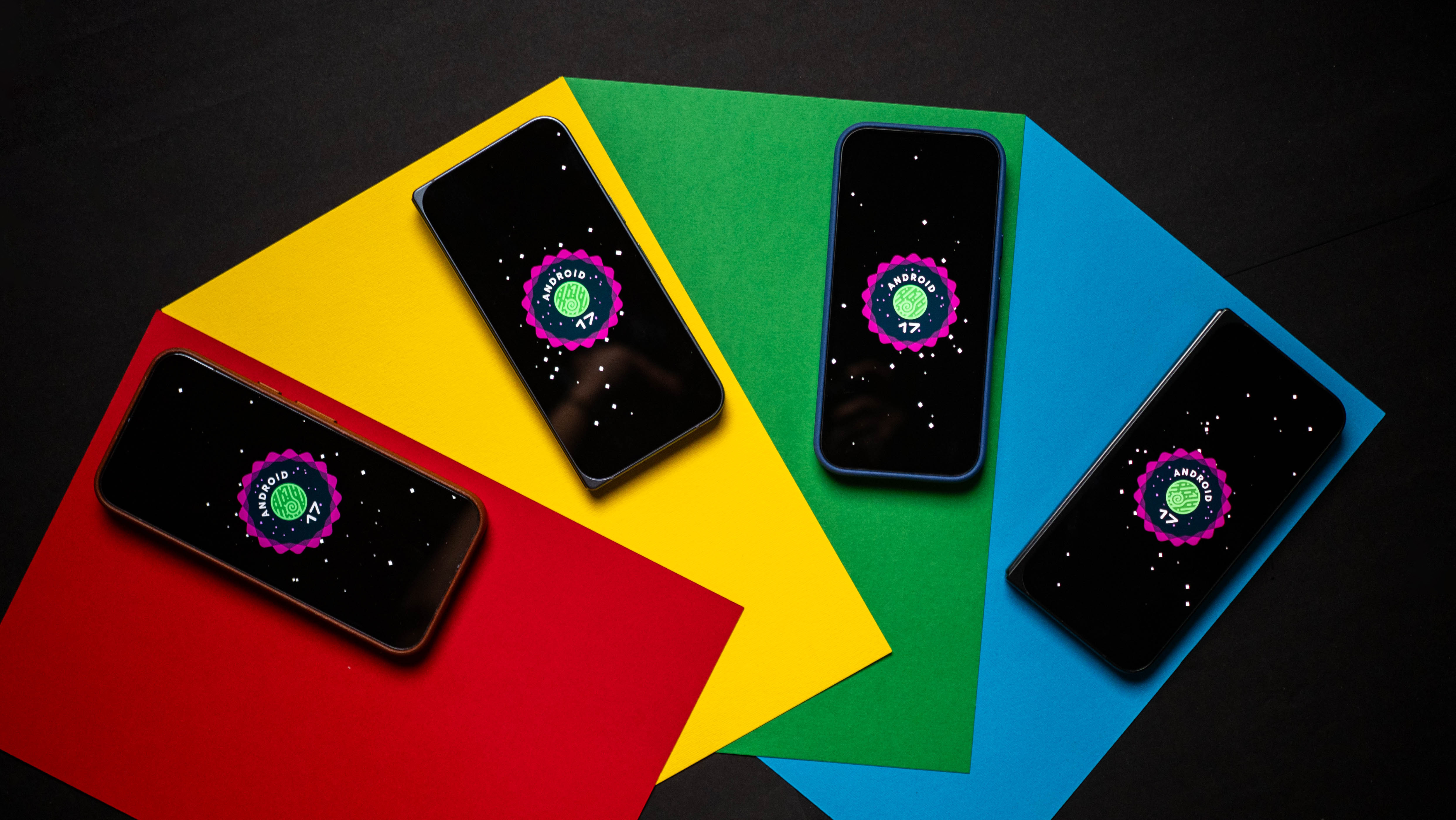
Google has officially pushed out the latest pre-release software for its ecosystem, launching Android 17 Quarterly Platform Release (QPR2) Beta 5 to enrolled testers worldwide. This incremental update targets remaining software bugs, optimizes system stability, and refines user experience elements across a wide array of compatible Google Pixel smartphones and tablets as the software approaches its public commercial rollout.
As the tech giant fine-tunes its mobile operating system, developers and early adopters enrolled in the Android Beta Program can immediately check for the update on their supported devices. With distinct build numbers deployed depending on the specific hardware generation, Google continues to demonstrate its commitment to hardware-specific software optimization.
Breakdown of Build Numbers and Compatible Hardware
Google has organized the rollout of Android 17 QPR2 Beta 5 into specific firmware packages to address the varied architecture of its device lineup. Users operating older yet still supported devices—specifically the Pixel 6a, Pixel 7, Pixel 7 Pro, Pixel 7a, the original Pixel Fold, and the Pixel Tablet—are instructed to look for build number vCP41.260828.005.A6.
Meanwhile, owners of other eligible Pixel devices within the active ecosystem will receive build number vCP41.260828.004.A8. This segmentation ensures that device-specific drivers and kernel configurations remain stable while patches are applied uniformly across different form factors, including standard slate phones and foldable displays.
Key Bug Fixes and Performance Patches
Beta 5 serves primarily as a cleanup release, addressing prominent user-reported bugs that surfaced during the rigorous testing phases of the QPR2 cycle. Among the most critical implementations is a solution for a persistent system instability issue. Multiple users had reported unexpected device reboots during continuous, rapid UI scrolling, particularly within media-heavy applications such as social media feeds and high-resolution galleries. Google’s latest patch notes confirm that this memory management and rendering glitch has been addressed to prevent abrupt system crashes.
Another notable quality-of-life fix centers on hardware button responsiveness during media casting sessions. Testers previously observed that pressing the physical volume control keys on the side of the device failed to trigger the on-screen volume slider UI when casting audio or video content to external displays or smart speakers. Beta 5 resolves this disconnect, restoring seamless visual feedback for audio adjustments.
Furthermore, camera and display bugs that plagued photography enthusiasts have been tackled. A widely tracked issue on the Google Issue Tracker involved the enhanced HDR feature remaining persistently enabled in the background even after users toggled the setting to the off position within the camera application’s preferences. Google’s patch successfully forces the system settings to respect user configurations regarding high dynamic range processing.
The Development Timeline and Platform Stability Milestone
The deployment of Beta 5 represents the final phase of a carefully structured software development lifecycle. The foundation for this release was established at the end of August, when Google officially moved the Android 17 QPR2 branch into its "Platform Stability" phase.
Reaching Platform Stability is a crucial operational milestone for mobile operating system development. At this juncture, Google freezes internal application programming interfaces (APIs) and finalizes app-facing behaviors. This freeze provides software developers and third-party ecosystem partners with a stable target environment to optimize their applications, ensuring compatibility well ahead of the official public release date.
Throughout the QPR2 testing period, Google has systematically addressed complex underlying software hurdles. In preceding beta iterations distributed in August, engineers tackled erratic Bluetooth call audio routing—which frequently forced active calls through the internal phone speaker rather than connected wireless headsets or car audio systems—alongside persistent gesture navigation stutters and sporadic user interface freezes.
Broader Industry Implications and the Future of Pixel Software
The methodical rollout of quarterly platform releases highlights Google’s evolving strategy for Android software delivery. By utilizing quarterly updates (QPRs) rather than reserving major features exclusively for annual OS upgrades, Google can continuously deploy new capabilities, security patches, and interface refinements. This cadence closely mirrors modern software-as-a-service paradigms, keeping Pixel hardware competitive and fresh throughout its lifecycle.
For enterprise users and everyday consumers alike, the transition from late-stage beta builds to the final public release signifies a period of heightened reliability. While beta software inherently carries risks—ranging from minor visual glitches to occasional application incompatibilities—the narrowing scope of bugs in Beta 5 indicates that the operating system is structurally sound and ready for mainstream adoption.
As Google puts the finishing touches on Android 17 QPR2, anticipation builds within the tech community regarding the next wave of hardware announcements, including upcoming iterations of the Pixel flagship lineup. For now, early adopters participating in the beta program play an invaluable role in stress-testing the software, ensuring that the final public build delivers the stability, performance, and polish expected from Google’s premier mobile ecosystem.