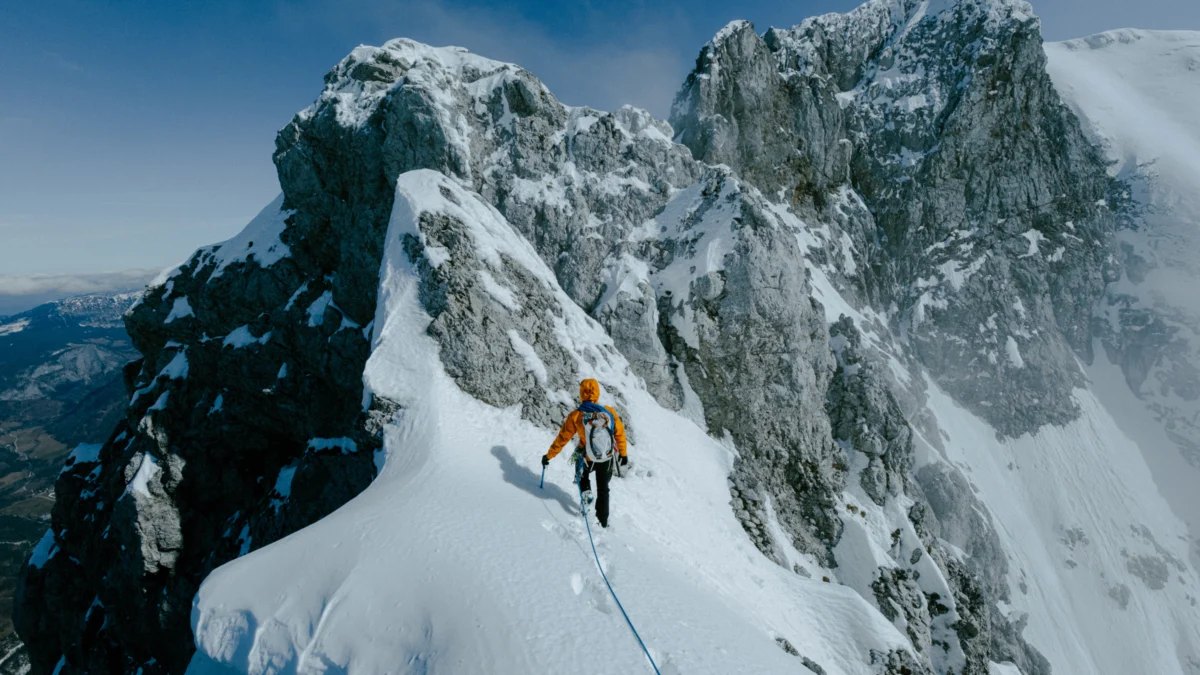
Tucked alongside the interior chest pocket of a two-toned magenta Arc’teryx jacket is a laser-etched QR code—but instead of pulling up the menu at your local pub, it prompts you to register your new purchase, immediately kicking off a digital record of the jacket’s materials, origin, and, eventually, a comprehensive repair history. This small, permanent marker represents a massive shift in how one of the world’s most prominent technical apparel brands is approaching the lifecycle of high-performance outdoor gear.
The introduction of the Sperro SV jacket marks the official debut of System 0, an ambitious framework that seeks to dismantle the traditional "take-make-waste" manufacturing model. While QR codes have become ubiquitous in retail, the integration of this technology into a mountain-grade hardshell required a sophisticated engineering overhaul. The internal placement, chosen for durability, ensures the code is nearly impossible to destroy or remove during rugged use. The laser-etching process, adapted from the sensitive electronics industry, required extensive testing to ensure the fabric’s structural integrity remained uncompromised. This detail is emblematic of the broader ethos behind System 0: that true sustainability cannot come at the cost of technical performance.

The Genesis of System 0: A Multi-Year Strategy
The concept for System 0 emerged from an internal dialogue between Arc’teryx CEO Stuart Haselden and VP of Advanced Concepts Alex Plante. The company already possessed a robust infrastructure for product longevity through its ReBIRD program, which facilitates repairs, resale, trade-in, and upcycling. However, leadership recognized that while they were excellent at extending the life of existing products, they lacked a fundamental, repeatable process for designing products that were inherently circular from their inception.
The development of the Sperro SV was the crucible for this new philosophy. As Andrew Yip, Senior Director of Materials Innovation at Arc’teryx, noted, the team realized midway through the product’s development that they were effectively building the system while they were building the jacket. This necessitated a shift in organizational structure, leading to the recruitment of specialized talent—including experts in strategic circularity and raw material sourcing—to ensure the entire supply chain could support the brand’s long-term environmental goals.
Engineering for Durability: The "Less Bad" Fallacy
A core pillar of the System 0 philosophy is the rejection of the "less bad" approach that dominates much of the current sustainable fashion market. Yip and his team maintain that a product is only truly sustainable if it serves its primary purpose—in this case, surviving the most brutal alpine conditions—with excellence. If a garment is engineered to be more sustainable but fails in its performance capacity, it inevitably becomes a one-season purchase, which is the antithesis of circularity.
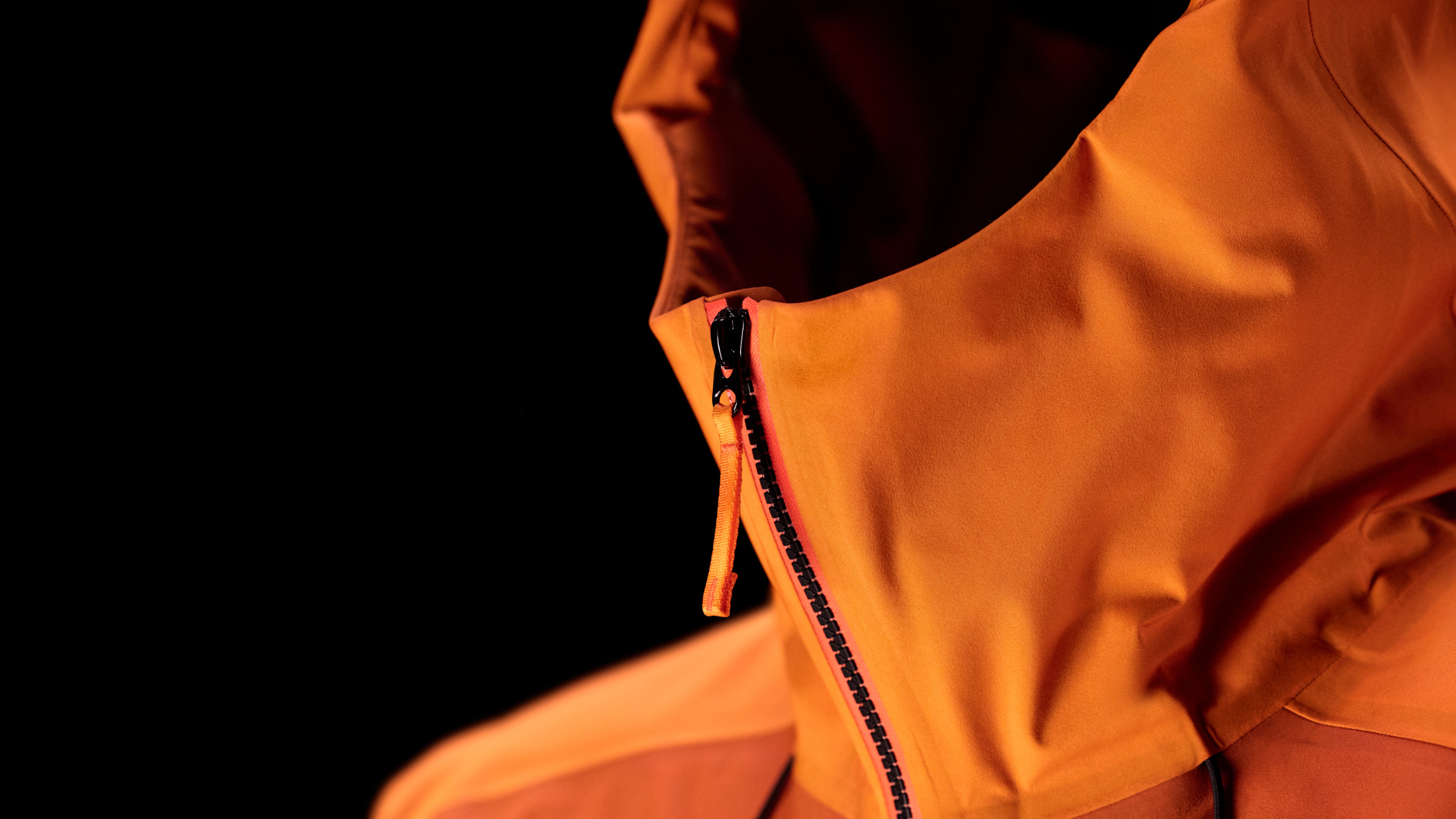
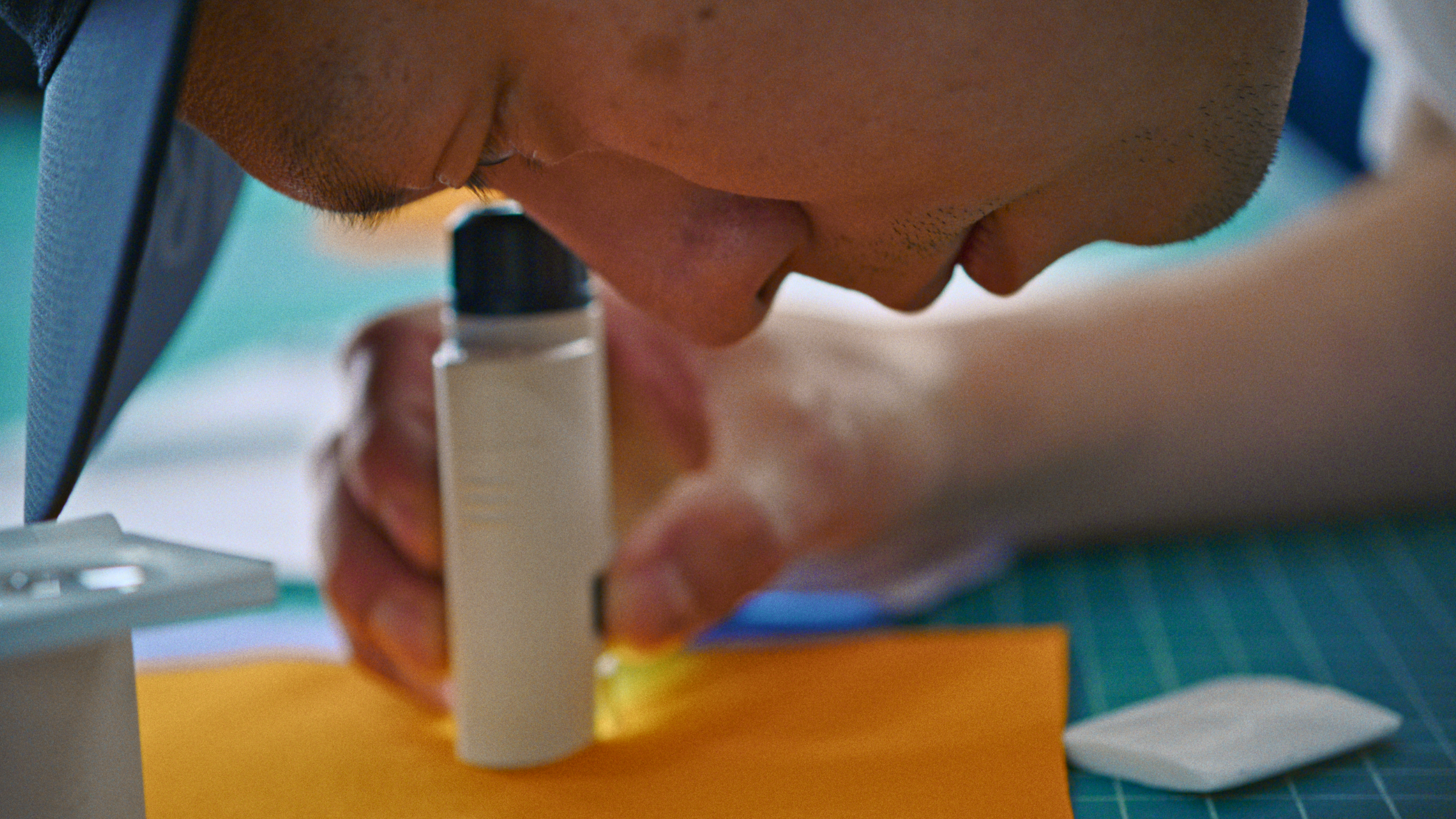
To avoid this, Arc’teryx prioritized abrasion resistance on both the face fabric and the backer. Rather than opting for polyester—which, while widely recycled, does not currently meet the brand’s performance requirements—the team committed to nylon 6. To achieve the necessary chemical recyclability without sacrificing the extreme durability associated with Arc’teryx shells, the design team collaborated with Aquafil, the producer of ECONYL® regenerated nylon. This partnership allowed the brand to identify a precise fiber ratio that offers the tensile strength and waterproof qualities required for high-stakes environments while ensuring the material can eventually be broken down and reconstituted at the end of its functional life.
From Precision Tool to Multi-Tool
The Sperro SV occupies a unique position in the brand’s catalog. Arc’teryx has historically been famous for its "scalpel" approach—highly specialized gear like the Alpha SV, which is designed exclusively for ice climbing and intentionally lacks features like hand pockets to save weight and maximize harness compatibility.
In contrast, the Sperro SV was conceived as a "Swiss Army Knife." The engineering challenge was to create a garment that maintained the same rigorous standard of protection while serving as a multi-environment, multi-activity shell. To validate this versatility, the jacket underwent a grueling testing protocol. The development team sent the Sperro SV on extended ski tours, high-altitude hiking expeditions, and snowshoeing treks. Furthermore, the company partnered with North Shore Search and Rescue, a volunteer-led team in Canada, to ensure the garment could withstand the high-stakes, unpredictable scenarios faced by professional rescue teams.
The Economics of Custodianship
The $1,200 retail price of the Sperro SV has sparked significant industry conversation regarding the intersection of premium pricing and circularity. From a traditional manufacturing perspective, this price point is high; however, Arc’teryx argues that it reflects the total cost of ownership rather than a simple transaction. The purchase price includes three years of guaranteed, unlimited repairs and the promise of a circular end-of-life program.
This model shifts the consumer’s role from "owner" to "custodian." By providing a digital ledger of the jacket’s history through the QR code, the company hopes to encourage users to maintain their gear rather than replace it. Yip acknowledges that this is a departure from the standard retail business model, which relies on consistent replacement cycles. "We’re onto something if we have a commercial product that people can buy and they don’t want to replace it," Yip said. "Personally, I would have no problem with that."
Broader Implications for the Apparel Industry
The launch of the Sperro SV is widely viewed as a test case for the wider apparel industry. Many outdoor brands are currently grappling with the European Union’s upcoming "Digital Product Passport" regulations, which will eventually require companies to provide detailed information about a garment’s composition and sustainability profile. By preemptively adopting QR-based traceability, Arc’teryx is positioning itself as a leader in transparency and regulatory compliance.
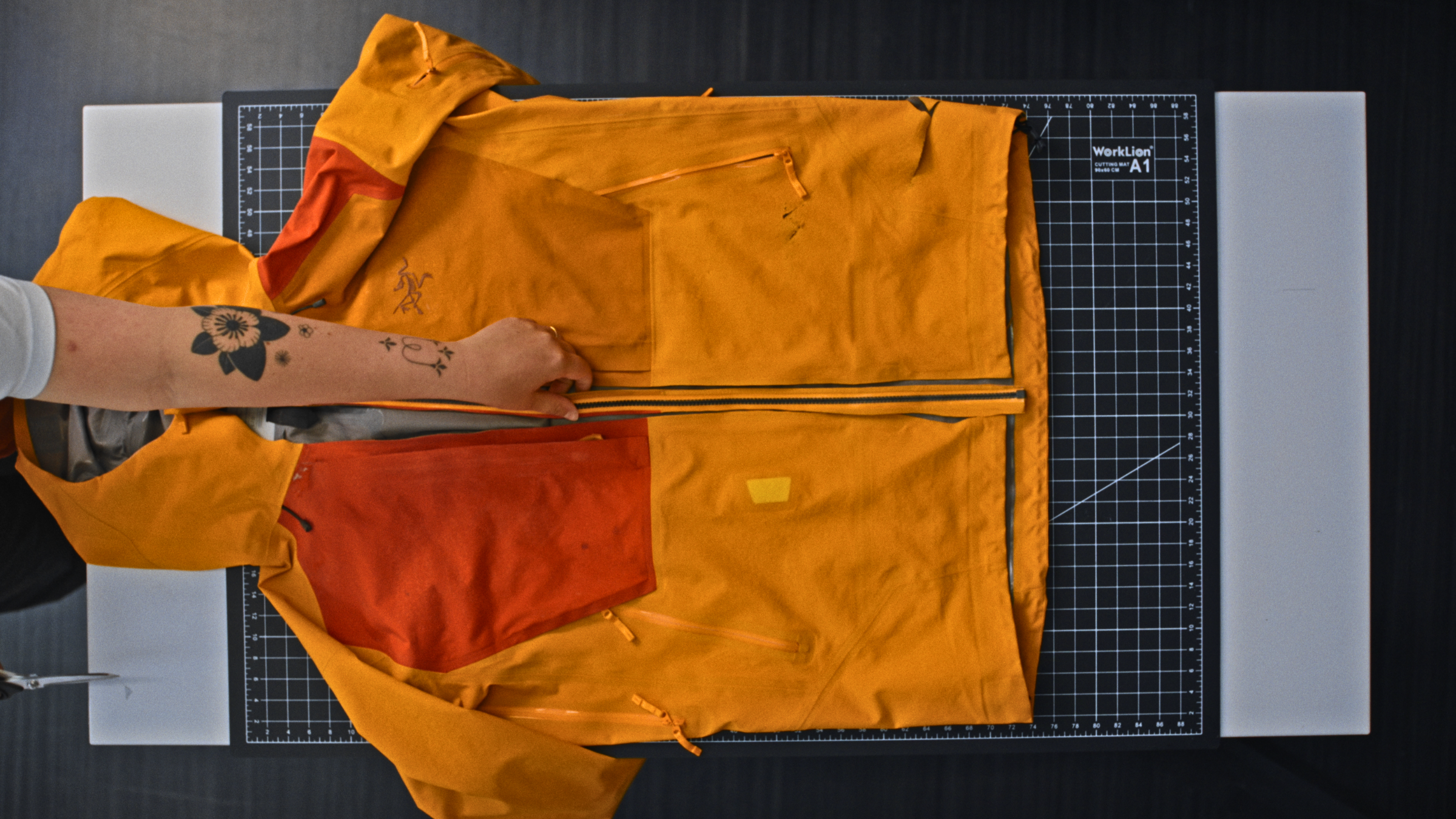
Furthermore, the integration of design-for-disassembly (such as the easily repairable zipper and modular components) sets a new benchmark for competitors. If successful, System 0 could provide a blueprint for how large-scale manufacturers can reduce their reliance on virgin materials. The logistical hurdles are immense—scaling the infrastructure to handle the recycling of thousands of individual jackets requires significant investment in reverse supply chains—but the Sperro SV demonstrates that the technology is now viable.
Future Outlook and Conclusion
The Sperro SV is only the first "statement of intent" from the System 0 framework. According to internal reports, Arc’teryx is already evaluating how these processes can be applied to other iconic products in its lineup. The goal is to standardize these circular manufacturing practices across all categories, ensuring that the brand’s reputation for technical excellence is not diluted by its sustainability initiatives.
For the Arc’teryx loyalist, the brand’s message is clear: the gear will feel, function, and perform exactly as they expect. The changes are occurring beneath the surface, in the fibers, the manufacturing processes, and the digital systems that govern the product’s lifecycle. By focusing on longevity and repairability, Arc’teryx is attempting to prove that the most sustainable jacket is the one you never have to replace. As the outdoor industry faces increasing pressure to address its environmental footprint, the Sperro SV stands as a definitive, if expensive, signal of where the future of high-performance technical apparel is headed. Whether the market is ready to embrace the concept of long-term custodianship over disposable consumption remains the primary question, but for the team at Arc’teryx, the path forward is already set.