










The modern technology landscape is rarely short of paradoxes, and few companies embody this reality quite as distinctly as Apple Inc. In the span of a single news cycle, the Cupertino-based tech giant finds itself navigating two vastly contrasting narratives: critical scrutiny from vocal software pundits regarding its latest operating system iterations, balanced against a powerful financial and corporate rebound highlighted by TIME magazine. According to TIME’s newly released "The World’s Best Companies 2026" ranking, Apple has staged an impressive comeback, securing the No. 3 position globally after a temporary departure from the elite list the previous year.
This juxtaposition of stellar hardware engineering and robust corporate metrics against intense software-related critique underscores the complex tightrope modern mega-corporations must walk. While consumer tech reviewers debate the stability and feature sets of current software platforms, global analysts, economists, and corporate governance evaluators continue to view Apple as a formidable economic juggernaut. To understand how Apple reclaimed its standing among the world’s premier corporate entities—and why its software ecosystem remains a lightning rod for debate—it is essential to examine the intersection of financial data, corporate methodology, and the evolving expectations of the tech consumer base.
The Rollercoaster Trajectory: From the Top to Absence, and Back
Apple’s journey on TIME’s prestigious corporate index over the past three years reads like a classic corporate turnaround story. In 2024, the publication’s inaugural and subsequent rankings placed Apple at the absolute apex of the business world, crowning it the No. 1 company on Earth. That peak was driven by consistent global hardware sales, unmatched brand loyalty, and a valuation that consistently tested historical boundaries.
However, the corporate climate shifted dramatically in the subsequent evaluation cycle. When TIME published its 2025 list, Apple was conspicuously absent. Industry watchers and financial institutions quickly dissected the omission. According to editorial commentary from TIME, the primary catalyst for Apple’s temporary exclusion was a noticeable softening in revenue trends spanning from 2022 to 2024. Many Wall Street analysts attributed this deceleration to a perceived lag in artificial intelligence adoption and deployment compared to aggressive competitors who rushed generative AI tools to market.
Despite these headwinds, the corporate tides turned rapidly. By mid-2025, Apple leadership, spearheaded by Chief Executive Officer Tim Cook, realigned strategic priorities to accelerate investments in artificial intelligence, embedding machine learning capabilities deeper across its ecosystem of devices and proprietary platforms. The financial payoff was swift. In July 2025, following the conclusion of the formal study period for the previous year’s list, Apple reported a staggering 10% year-over-year revenue growth—marking the company’s largest single quarterly bump since 2021. This financial resurgence laid the groundwork for the company’s triumphant return to the podium in the 2026 rankings.
Decoding the Methodology: How TIME Ranks the World’s Best
To fully appreciate Apple’s No. 3 placement in 2026—where it achieved an overall score of 93.16, trailing only Cigna at 94.37 and the reigning champion Nvidia at 97.51—one must examine the rigorous methodology behind the index. Compiled in partnership with Statista, TIME’s evaluation framework relies on three equally weighted pillars to generate a comprehensive score out of 100:
- Employee Satisfaction: Evaluated through extensive global employee surveys assessing workplace culture, compensation, pride in the organization, and overall job satisfaction.
- Revenue Growth: Assessed quantitatively using financial data from the preceding three fiscal years to categorize companies into growth tiers ranging from Moderate to Very High.
- Sustainability Transparency: Measured through rigorous environmental, social, and governance (ESG) data reporting, carbon footprint metrics, and public disclosures.
Within these specific sub-categories, Apple’s performance in 2026 reveals a nuanced portrait of corporate strengths and shifting operational priorities. The company secured a coveted "Very High" rating for revenue growth—the highest designation offered by the publication, outperforming lower classifications such as "Outstanding," "High," and "Moderate."

In terms of employee satisfaction, Apple maintained a remarkably strong showing, capturing the No. 3 spot globally, sitting just behind technology peers Microsoft and IBM, which claimed the first and second positions in that specific metric respectively.
Conversely, the data highlighted areas of regression. In the realm of sustainability transparency, Apple slipped to 24th place globally. This drop is particularly striking given that the company had previously dominated this exact category, topping the sustainability transparency rankings when it took the crown in 2024. Observers note that while Apple continues to advance aggressive environmental goals—such as its ongoing transition to recycled materials and carbon-neutral manufacturing initiatives—the broader corporate landscape has accelerated its reporting standards, making the competition for top-tier transparency increasingly fierce.
The Software Paradox: Hardware Brilliance vs. Operating System Criticism
While financial institutions and corporate evaluators praise Apple’s economic resilience and revenue rebound, the consumer-facing tech community tells a different story regarding the day-to-day user experience. In parallel with corporate index announcements, prominent tech pundits and software reviewers have leveled heavy criticism at the company’s recent software deployment cycles, epitomized by widespread discussions surrounding the state of macOS ecosystems.
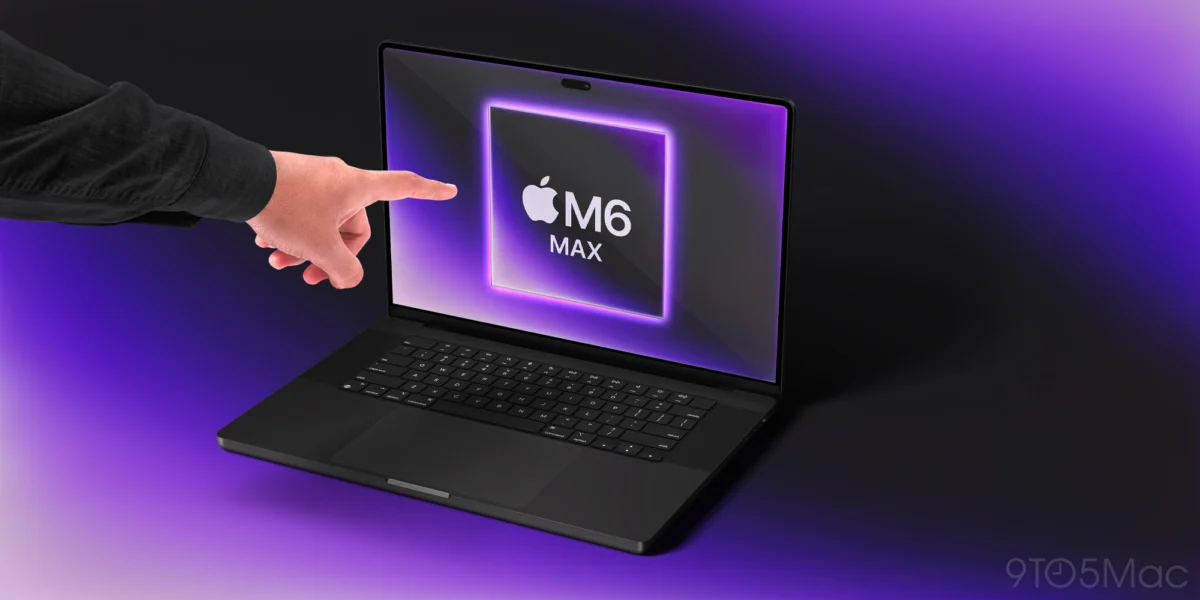
Headlines declaring that "Mac hardware is great, but macOS is a disaster" have circulated widely among power users and independent developers. Critics argue that while Apple’s silicon architecture—spanning the M-series processors—continues to break performance and energy-efficiency records, the accompanying software layers have occasionally prioritized visual novelty, complex feature bloat, and rigid ecosystem locking over fundamental stability, streamlined performance, and intuitive design continuity.

This tension is not entirely new in the consumer electronics sector. Historically, Apple has maintained a reputation for meticulous integration between its custom hardware and proprietary software. However, as the company aggressively expands its software footprint to incorporate heavy on-device artificial intelligence processing, cloud-connected services, and cross-platform synergy with iOS and iPadOS, the sheer complexity of the operating system has multiplied exponentially. Pundits argue that rapid release schedules have occasionally strained quality assurance pipelines, leading to recurring bug reports, interface inconsistencies, and frustration among professional workflows that rely on rock-solid operating system stability.
Implications of the Dual Narrative
The simultaneous occurrence of corporate triumph and consumer-level software critique presents a fascinating case study in modern corporate dynamics. On one hand, Apple’s inclusion in the top tier of TIME’s World’s Best Companies proves that the foundational business model remains extraordinarily resilient. Global demand for premium hardware, combined with a sticky services ecosystem that generates recurring revenue, ensures that short-term software friction rarely translates into long-term financial decline.
On the other hand, the vocal discontent of software critics serves as a critical warning sign for executive leadership. In the technology sector, brand loyalty is deeply intertwined with user experience. If foundational platforms like macOS or iOS develop a reputation for unreliability, it can eventually erode the consumer goodwill that drives hardware upgrades. Apple’s ability to balance its aggressive push into artificial intelligence and platform expansion with the rigorous polishing of its core operating systems will likely define its trajectory in future evaluation cycles.
As the tech industry looks toward the remainder of the decade, Apple’s dual reality—celebrated by financial analysts on Wall Street while scrutinized by tech reviewers on the web—demonstrates the immense stakes of running the world’s most influential technology enterprise. Whether the company can address software stability concerns while maintaining its dominant financial momentum will determine if it can reclaim the No. 1 spot in future iterations of global corporate rankings.