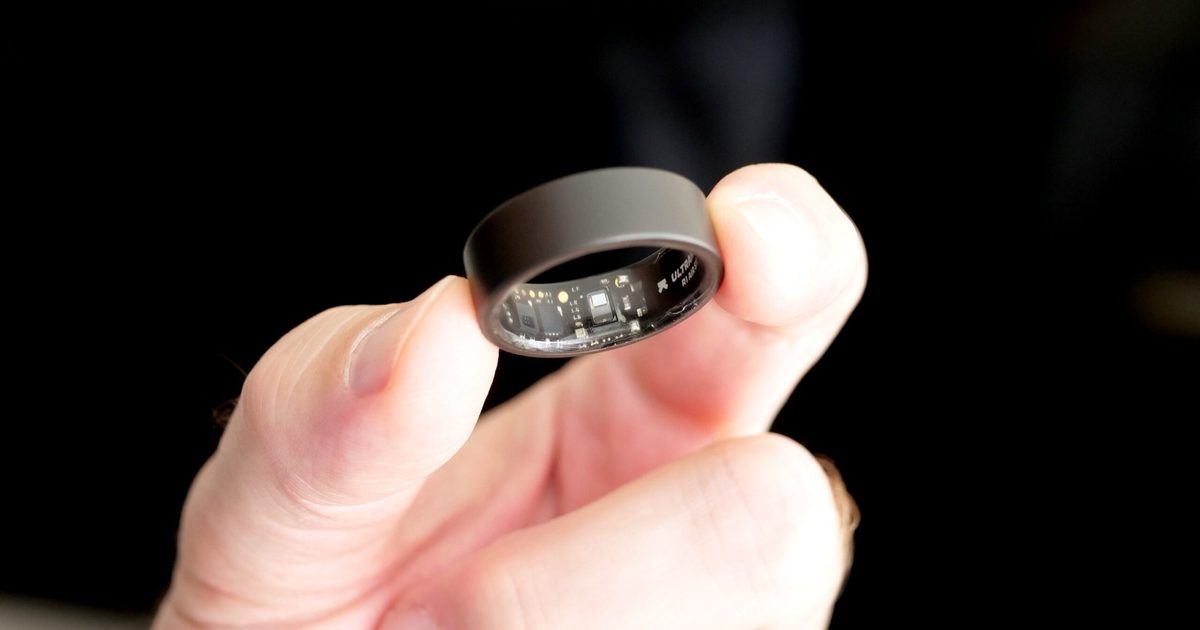
Ultrahuman, a leading innovator in the health technology and wearable space, has officially commenced the global rollout of "Emerald," representing the most significant overhaul of its software platform in four years. This comprehensive update is designed to fundamentally change how users interact with their health data, moving beyond passive observation toward a model of proactive, AI-driven intervention. The Emerald update is compatible with the company’s flagship Ultrahuman Ring Air, the Ring Pro, and its suite of metabolic monitoring tools, including the M1 and M2 Continuous Glucose Monitors (CGM). By integrating disparate data streams into a centralized decision engine, Ultrahuman aims to solve a long-standing criticism of the wearable industry: the "data glut" problem, where users are provided with extensive metrics but little guidance on how to improve them.
The Evolution of UltraSphere: Moving from Data to Actionable Biointelligence
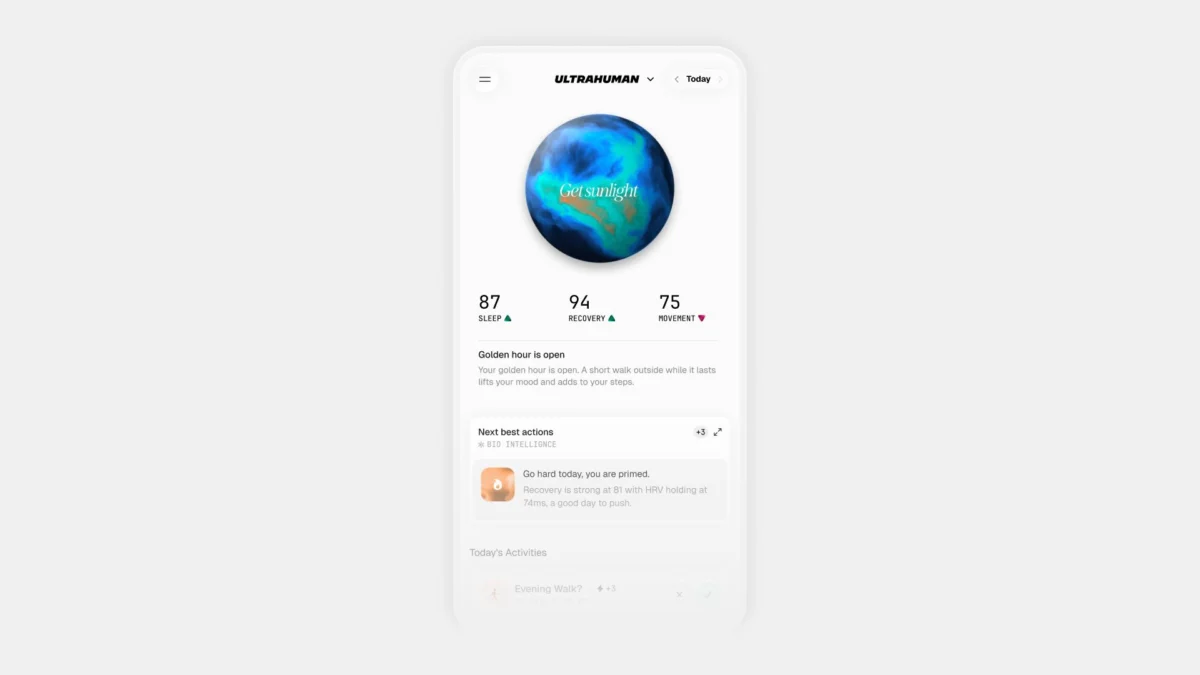
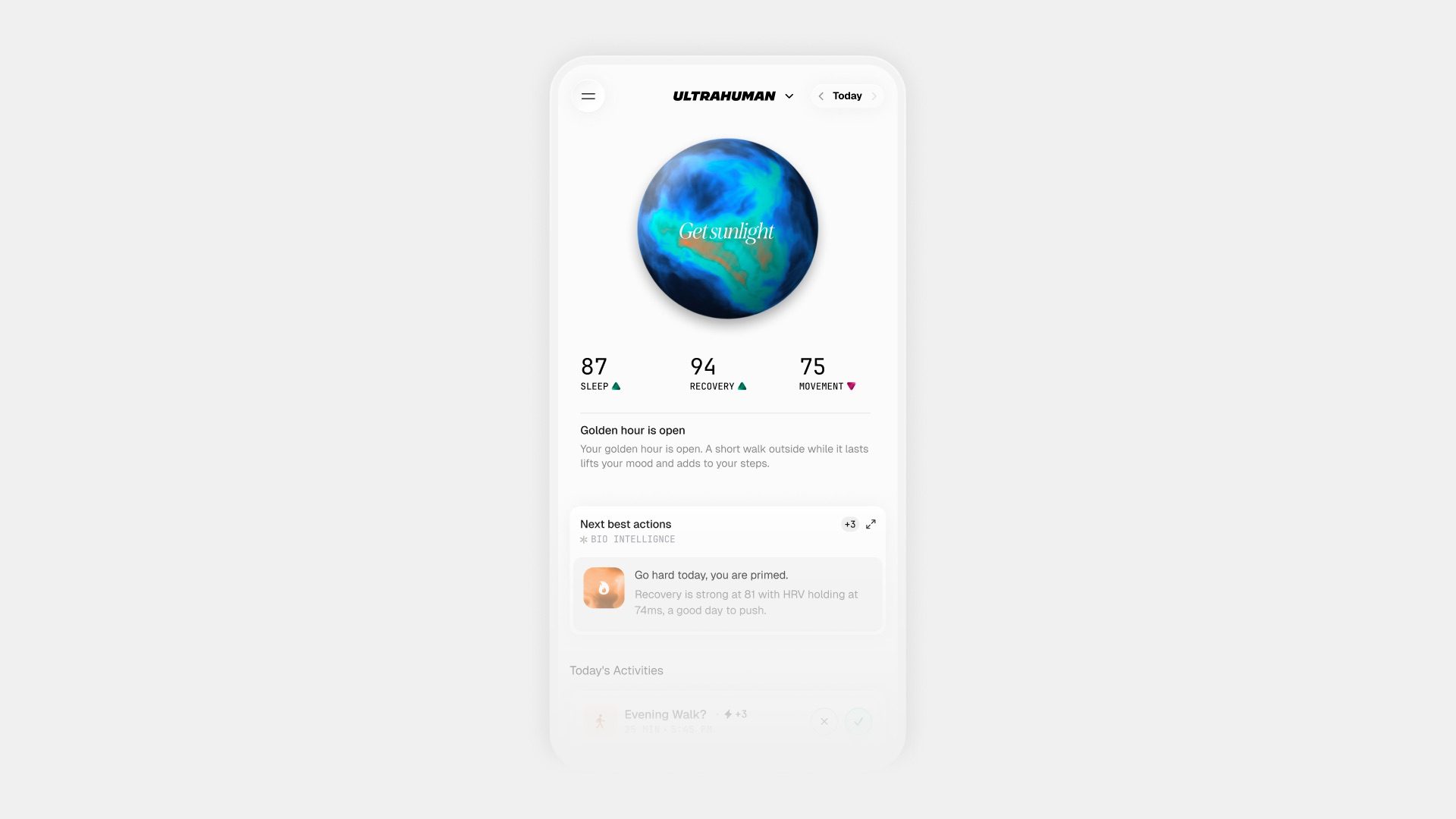
At the core of the Emerald update is the UltraSphere, a sophisticated decision engine that Ultrahuman describes as a first-of-its-kind feature for the smart ring category. Positioned prominently on the app’s home screen, UltraSphere serves as a dynamic command center. Rather than requiring users to navigate through layers of complex graphs and historical charts to interpret their health status, the engine analyzes real-time inputs to generate what the company calls "Next Best Actions."
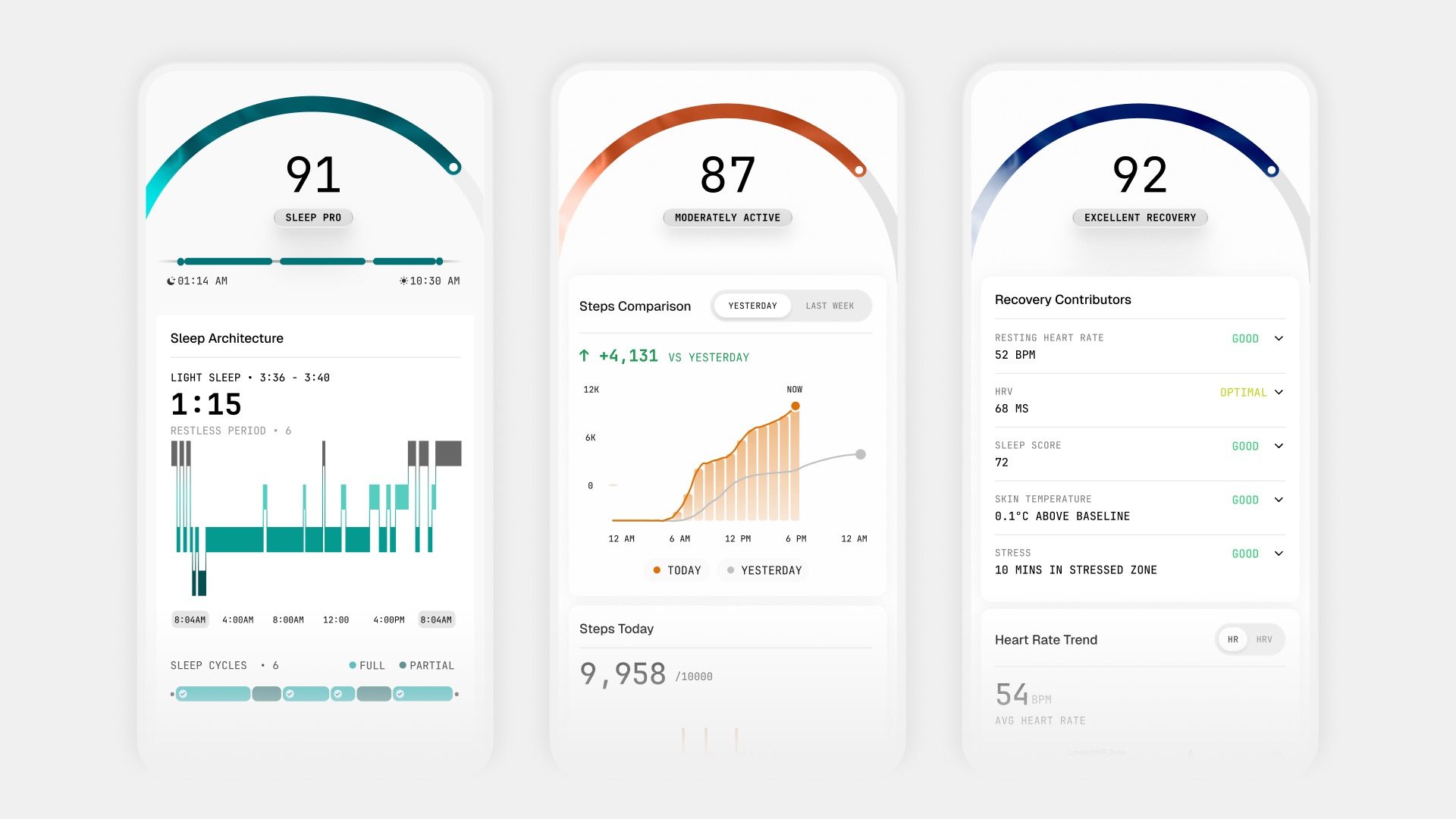
The platform currently supports more than 60 distinct actionable recommendations based on an individual’s unique physiological profile. These recommendations are derived from a multi-dimensional analysis of sleep architecture, recovery scores, Heart Rate Variability (HRV), stress levels, physical movement, and—for those utilizing the company’s CGM sensors—real-time glucose fluctuations. The intelligence of UltraSphere lies in its contextual awareness; the engine does not merely provide generic health advice but tailors its suggestions to the user’s current environment and biological state.
For instance, the system accounts for geographical location and local weather patterns. A user who has recently crossed multiple time zones will receive specific "nudges" to manage jet lag, such as precise timing for sunlight exposure to reset the circadian rhythm. Conversely, a new parent experiencing fragmented sleep will receive recovery-focused advice that differs significantly from an athlete preparing for a high-intensity training session. Common examples of these actions include alerts to step outdoors shortly after waking to trigger cortisol release or "caffeine windows" that warn users when further stimulant consumption will likely degrade their upcoming sleep quality.
Technological Breakthroughs: Edge Computing and Enhanced Accuracy
A pivotal technical achievement included in the Emerald update is the transition toward on-device processing. In a move that benefits frequent travelers and outdoor enthusiasts, Ultrahuman has engineered the platform to process critical health markers locally on the wearable device and the connected smartphone without requiring an active cloud connection. This means that essential metrics—such as the recovery score, stress rhythm, and the generation of Next Best Actions—remain functional even in "dead zones" or during long-haul flights where internet connectivity is unavailable.
This shift toward edge computing not only improves the user experience in remote areas but also addresses growing consumer demand for data privacy and reduced latency. By processing sensitive biological data locally, Ultrahuman reduces the frequency of data transmission to external servers, potentially extending battery efficiency while ensuring that health insights are delivered instantaneously.
Furthermore, the Emerald update introduces significant refinements to the platform’s workout tracking capabilities. The company has deployed an updated suite of algorithms for automatic activity detection, designed to distinguish between various forms of exercise with greater precision. Heart rate accuracy during high-intensity movement has also been upgraded, with Ultrahuman stating that the new firmware has been validated against "gold standard" medical-grade chest straps and laboratory equipment.
The Longevity Tab and the Metric of UltraAge
As the global wellness market shifts its focus toward "longevity" and "biological age" rather than mere fitness, Ultrahuman is positioning itself as a leader in this niche through its new Longevity tab. This section of the app introduces proprietary metrics such as UltraAge and Brain Age. These scores are calculated by synthesizing long-term trends in sleep quality, cardiovascular efficiency, and metabolic stability to provide users with an estimate of their biological health relative to their chronological age.
A key component of this longevity focus is the updated VO2 Max algorithm. VO2 Max, or maximal oxygen consumption, is widely regarded by clinical researchers as one of the most reliable predictors of long-term cardiovascular health and all-cause mortality. Ultrahuman claims its updated algorithm now achieves a high degree of laboratory-grade accuracy. Internal testing conducted across a cohort of more than 100 athletes demonstrated that the Ring Air’s VO2 Max estimations fall within 5 mL per kg per min of results obtained through professional metabolic cart testing.
In addition to these high-level metrics, the update includes a "Sleep Screener." This feature aggregates various nightly signals—including respiratory rate, movement, and temperature shifts—into a single, easy-to-read report. This report is designed to help users identify potential signs of sleep disturbances or early indicators of illness before symptoms become acute.
Ecosystem Expansion and Third-Party Integration
Recognizing that many health enthusiasts utilize a variety of devices, Ultrahuman has moved toward a more "open" ecosystem model with the Emerald update. While the Ultrahuman Ring remains the primary data collector, the app now allows for the direct ingestion of data from competing and complementary hardware. Users can now pair data from the Apple Watch, Garmin smartwatches, WHOOP bands, and even the recently released AirPods Pro Gen 3 directly into the Ultrahuman app.
This integration is particularly useful for users who prefer the form factor of a ring for sleep and daily activity but rely on specialized sports watches for GPS-tracked running or cycling. By consolidating this data, UltraSphere can provide a more holistic view of the user’s recovery. For example, a grueling workout recorded on a Garmin watch will now automatically adjust the recovery recommendations and "Next Best Actions" within the Ultrahuman interface, ensuring the advice remains relevant regardless of which device captured the exertion.
In a move toward social and reproductive health integration, the update also introduces the ability for users to share menstrual cycle and ovulation data with a partner. This feature is intended to foster better communication and shared understanding of hormonal fluctuations and their impact on energy levels and mood.
Corporate Strategy and Market Context
The release of Emerald comes at a time of intense competition in the smart ring market. With the recent entry of major players like Samsung with the Galaxy Ring and the continued dominance of Oura, Ultrahuman is seeking to differentiate itself through a "software-first" philosophy and a transparent pricing model. Unlike several of its competitors, Ultrahuman does not currently charge a monthly subscription fee for its core features or the new insights provided by the Emerald update.
Mohit Kumar, the CEO and co-founder of Ultrahuman, emphasized that the update is a response to the "so what?" factor that plagues many wearable users. "All wearable trackers generate data," Kumar stated. "Data is empowering, but people need something more than a number; they want to know what to do. The Emerald update is focused on making data actionable, adding layers of biointelligence that finally answer the question of ‘so what’ with context and insight at every layer."
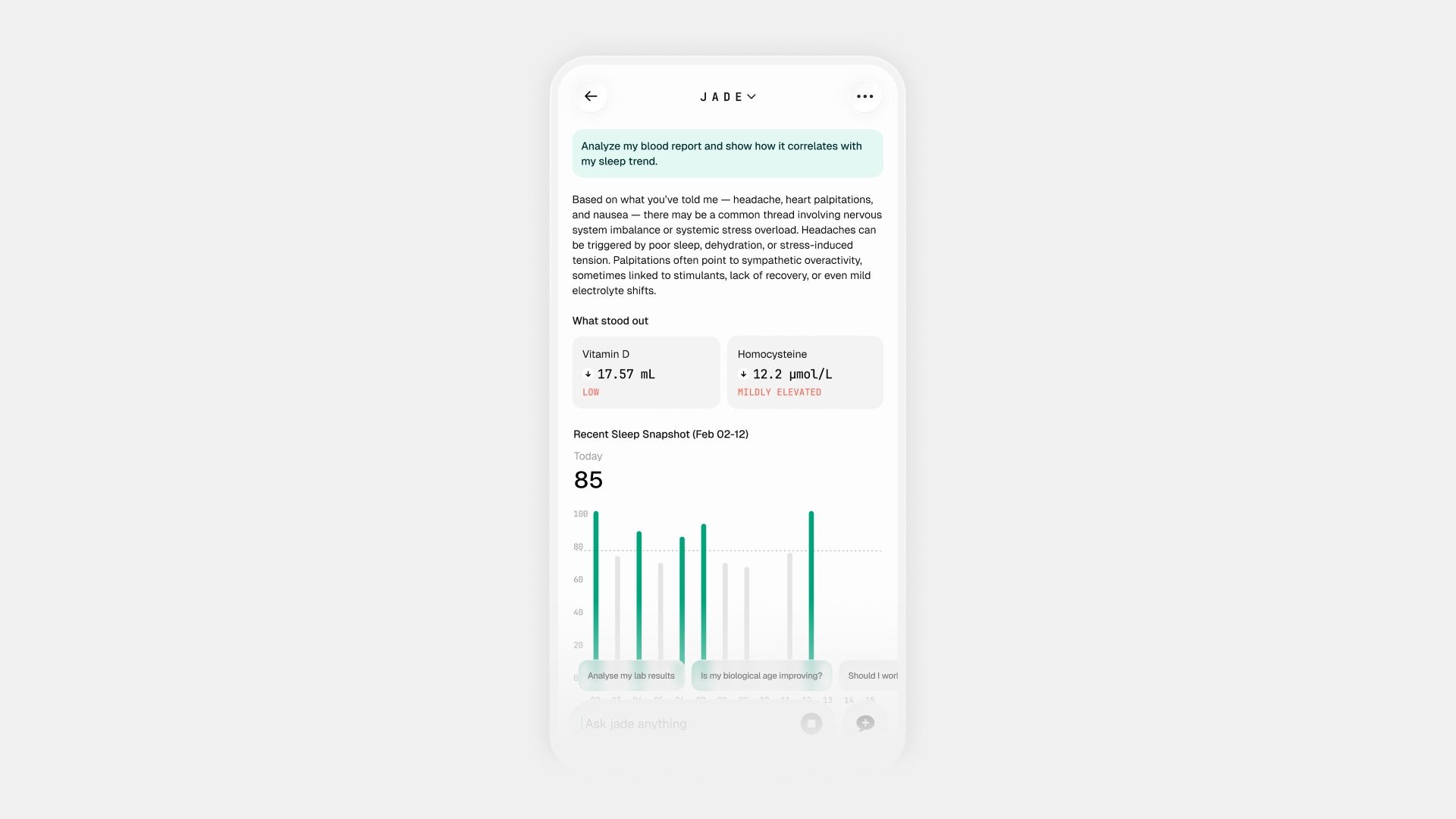
Industry analysts suggest that this move toward "biointelligence" is a necessary evolution for the wearable sector. As sensors become commoditized, the value proposition for consumers is shifting from the hardware itself to the quality of the AI that interprets the sensor data. By offering 60+ specific actions and focusing on longevity markers, Ultrahuman is attempting to transform the smart ring from a passive tracker into a digital health coach.
Timeline and Global Availability
The Emerald update began its global rollout today across both iOS and Android platforms. The update is provided free of charge to all existing owners of Ultrahuman hardware. Users are encouraged to update their mobile application to the latest version and ensure their ring firmware is current to access the full suite of UltraSphere features and the new Longevity tab.
As Ultrahuman continues to expand its footprint in the "Human Performance" category, the Emerald update serves as a foundation for future AI integrations. The company has hinted that the decision engine will continue to learn from the aggregate data of its global user base, potentially expanding the library of "Next Best Actions" and further refining the accuracy of its biological age estimations in the coming months. For now, Emerald represents a significant leap forward in the quest to make wearable technology a practical, daily tool for health optimization rather than a mere source of digital noise.