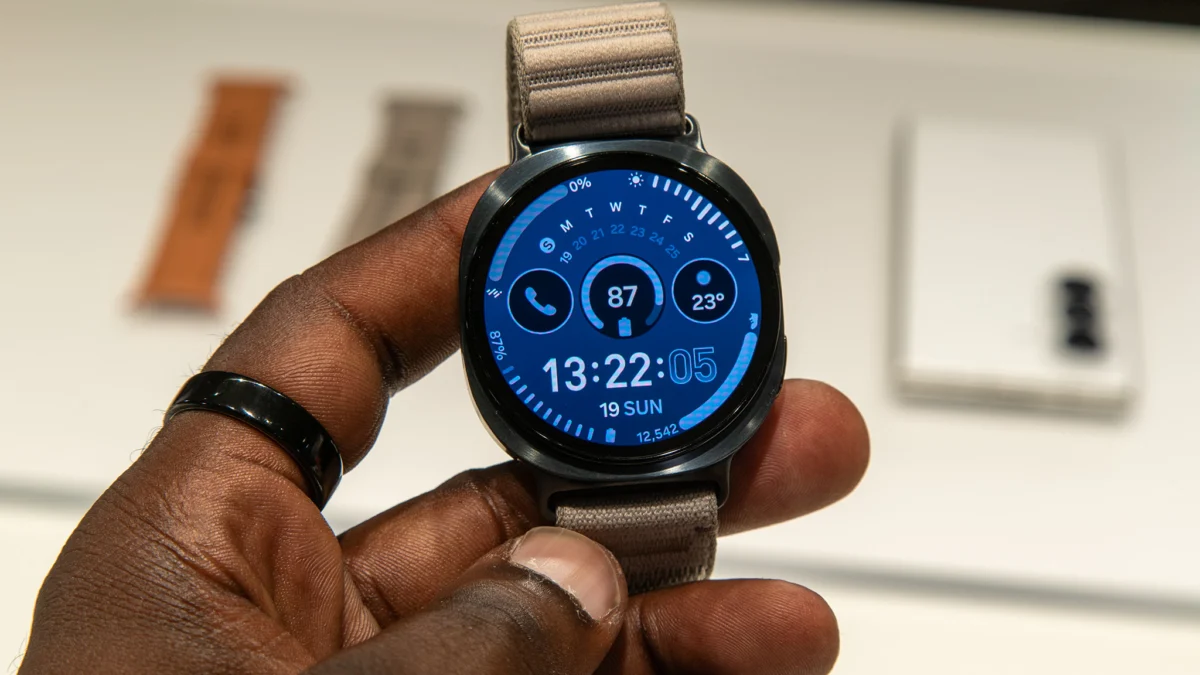
Samsung Electronics has significantly enhanced its commitment to software longevity for its latest generation of smartwatches, the Galaxy Watch 9 and Galaxy Watch Ultra 2, by extending Wear OS software support to an unprecedented five years. This landmark announcement, though subtly delivered in the aftermath of the high-profile Galaxy Unpacked event in London on July 22, underscores Samsung’s strategic positioning in the fiercely competitive wearable technology market and signals a potential shift in industry standards for device lifecycle management. The new policy promises five major Wear OS upgrades alongside the existing five years of security updates, solidifying Samsung’s lead over key competitors, including Google’s Pixel Watch lineup.
The Unpacked Revelation and Beyond
The Galaxy Unpacked event in London served as the global stage for Samsung’s unveiling of its latest innovations, primarily focusing on the Galaxy Z Fold 8 series, which commanded significant attention for its advancements in foldable smartphone technology. However, amidst the fanfare for its cutting-edge phones, Samsung also introduced its newest smartwatches: the Galaxy Watch 9 and the premium Galaxy Watch Ultra 2. While initial reports highlighted meaningful hardware upgrades, such as larger batteries designed to enhance user endurance, the full scope of Samsung’s commitment to these devices became clearer post-event. It was subsequently revealed that the software update policy for these new wearables had been substantially bolstered, a detail not heavily emphasized during the live keynote. This extended support is a crucial factor for consumers and an important differentiator in a market where device longevity is increasingly valued.
Previously, Samsung had already established itself as a frontrunner in providing robust software support for its Galaxy Watch series, offering four major Wear OS upgrades and five years of security patches. This policy already surpassed Google’s commitment of three years of software updates for its own Pixel Watch devices, making Samsung a preferred choice for users prioritizing long-term functionality and security. With the introduction of the Galaxy Watch 9 and Galaxy Watch Ultra 2, Samsung has pushed this boundary further, now guaranteeing five major Wear OS upgrades, maintaining its five-year security update promise. This means that devices shipping with One UI 9 based on Wear OS 7 are projected to receive major operating system updates through 2031, theoretically culminating in Wear OS 12.
A Deeper Dive into Samsung’s Wearables Strategy
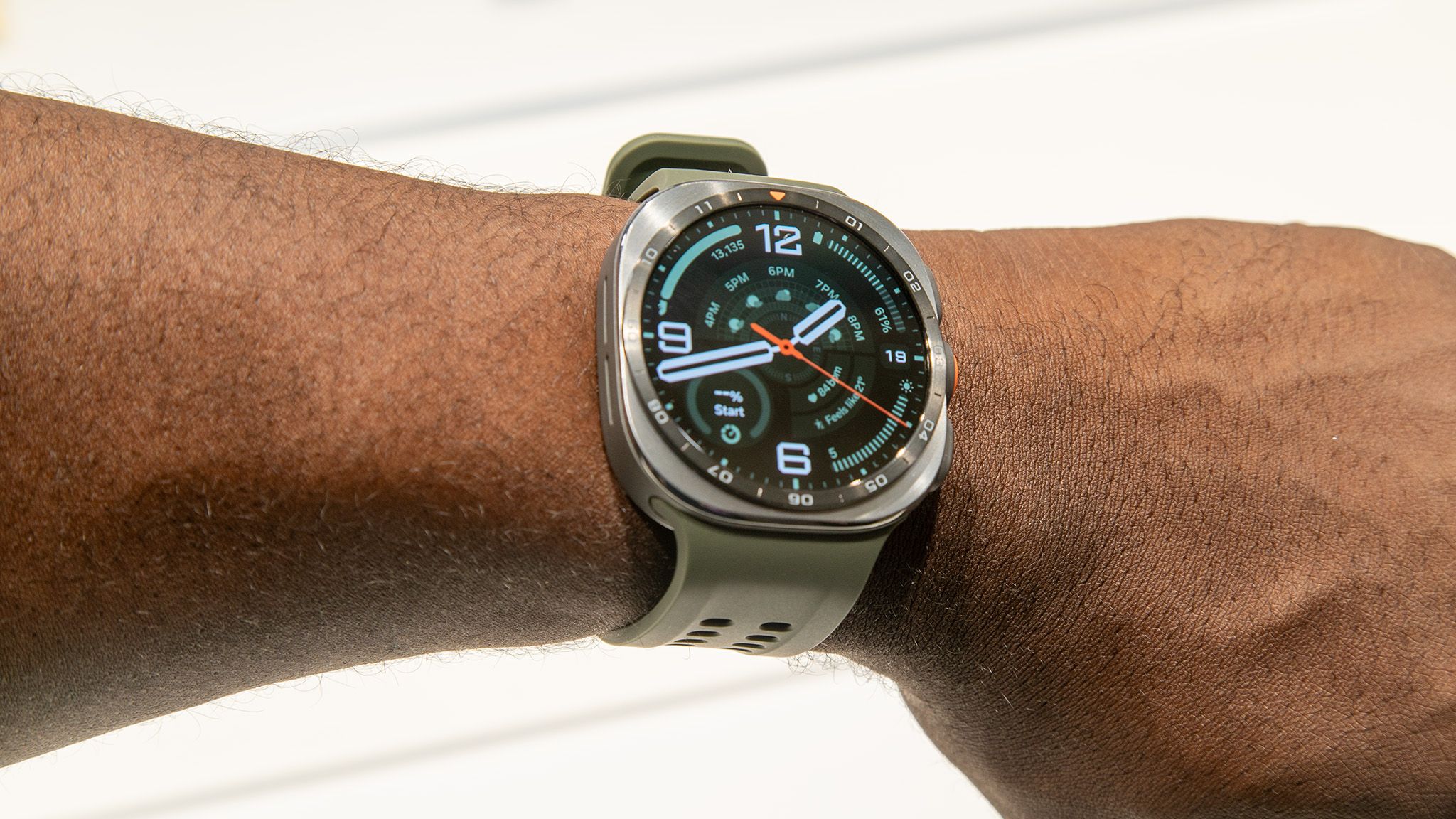
Samsung’s journey in the smartwatch arena has been marked by significant evolution, from its early proprietary Tizen OS to its pivotal collaboration with Google on Wear OS. The transition to Wear OS Powered by Samsung in 2021, starting with the Galaxy Watch 4 series, marked a strategic shift that integrated Samsung’s hardware prowess with Google’s extensive app ecosystem. This collaboration aimed to revitalize the Wear OS platform, which had struggled to gain significant traction against Apple’s dominant watchOS. By aligning with Google, Samsung not only brought a robust hardware partner to the Wear OS ecosystem but also instilled new confidence in the platform’s future. The commitment to longer software support reinforces this partnership and positions Samsung as a key driver for the Wear OS platform’s sustained growth and relevance.
The decision to extend software support for the Galaxy Watch 9 and Galaxy Watch Ultra 2 is not merely a gesture of goodwill but a calculated strategic move. It addresses several critical aspects of the modern consumer electronics market:
- Consumer Value Proposition: Longer software support directly translates to enhanced value for consumers. A smartwatch that receives updates for five years remains relevant, secure, and compatible with new features and applications for a significantly longer period, amortizing its initial cost over a more extended lifespan. This is particularly appealing given the premium pricing of high-end smartwatches.
- Sustainability and E-waste Reduction: In an era of increasing environmental consciousness, extending the lifespan of electronic devices contributes to reducing electronic waste. By ensuring devices remain functional and secure for longer, Samsung aligns with global efforts to promote sustainability and circular economy principles. This can resonate positively with environmentally aware consumers.
- Competitive Advantage: This enhanced policy starkly differentiates Samsung from its primary Android-based competitor, Google, and potentially narrows the gap with Apple, which traditionally offers excellent long-term support for its devices. While Apple’s update policies are generally robust, the explicit five-year major OS upgrade commitment for Wear OS is a clear benchmark.
- Platform Stability and Innovation: For the Wear OS ecosystem, Samsung’s commitment ensures a larger installed base of up-to-date devices. This encourages developers to continue innovating and supporting the platform, knowing their applications will reach a broad audience running the latest software versions.
The Role of Advanced Hardware: Snapdragon Wear Elite Chipset
A critical enabler for this extended software support is the advanced hardware underpinning the new smartwatches. While not explicitly detailed in the initial announcements, industry analysts and leaked specifications suggest that the Galaxy Watch 9 and Galaxy Watch Ultra 2 are powered by a new Snapdragon Wear Elite chipset. This processor, reportedly built on a cutting-edge 3nm process, is touted to deliver substantial performance improvements – up to 32% better than its predecessor – alongside significant gains in power efficiency.
The integration of such a powerful and efficient chipset is paramount for long-term device viability. A more capable processor can handle future operating system updates, which often introduce more demanding features and improved graphical interfaces, without suffering from performance degradation. The improved power efficiency also means that the device’s battery life can better withstand the demands of newer software over time, mitigating a common concern with aging wearables. This synergy between advanced hardware and extended software commitment ensures that the smartwatches not only receive updates but also perform optimally throughout their supported lifespan. This contrasts with older devices where hardware limitations often become a bottleneck for future OS upgrades, leading to a frustrating user experience.
Broader Implications for the Wearables Market
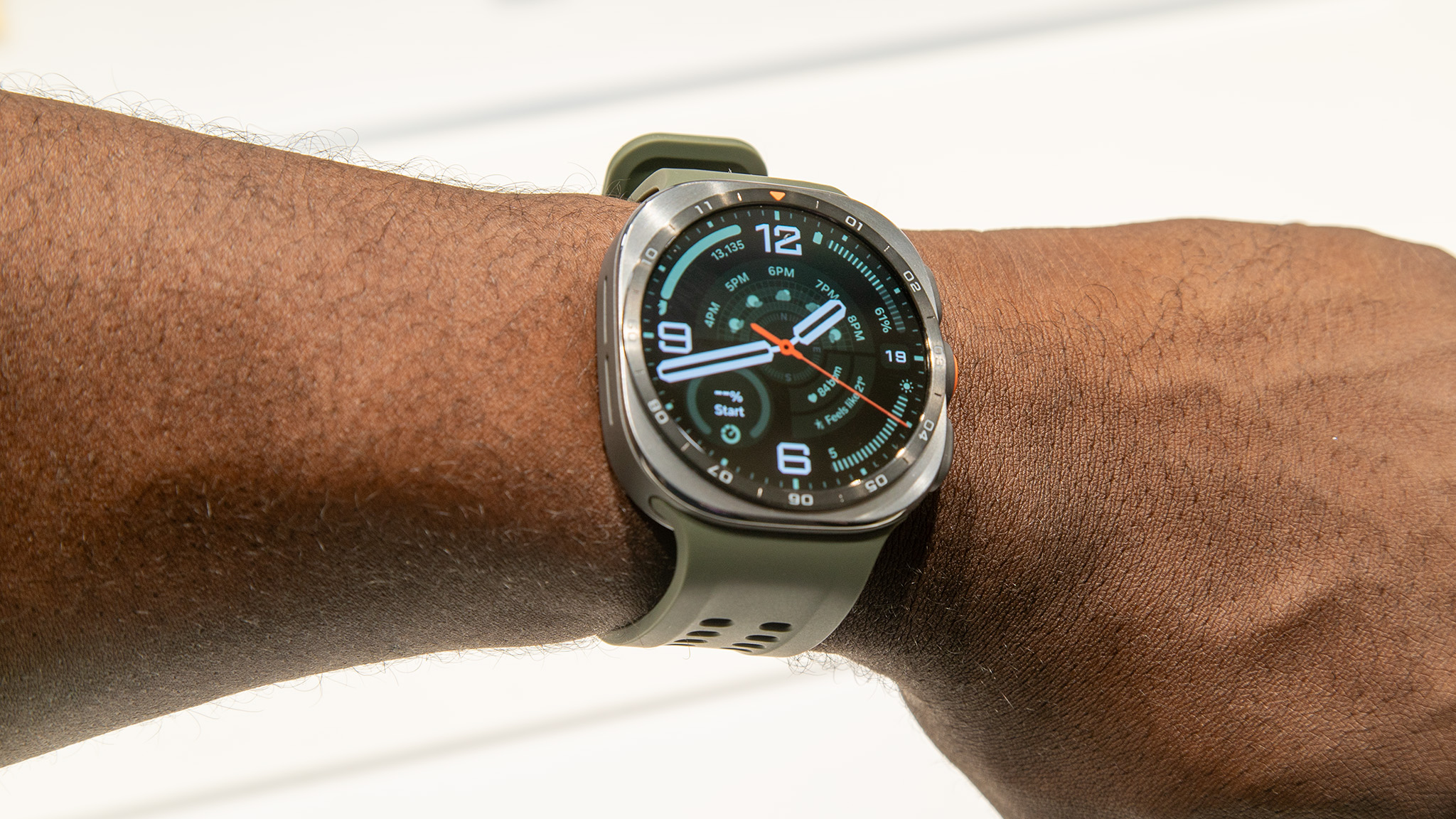
Samsung’s move is poised to have significant repercussions across the broader wearables industry. By establishing a new benchmark for software support, it places pressure on other manufacturers, particularly those in the Android ecosystem, to reassess their own update policies.
- Pressure on Google: Google, as the developer of Wear OS, now faces increased scrutiny regarding its Pixel Watch support. With Samsung offering two more years of major OS upgrades, Google may feel compelled to match or exceed this commitment to maintain its own brand credibility and competitiveness in the hardware space. This could ultimately benefit all Wear OS users.
- Impact on Other Android Watch Makers: Brands like Fossil, Mobvoi, and others utilizing Wear OS will likely feel the competitive heat. While they may not have Samsung’s scale or R&D capabilities, the consumer expectation for longer support, once set by a market leader, tends to propagate.
- Shifting Consumer Expectations: Consumers are becoming increasingly sophisticated in their purchasing decisions, looking beyond just initial specifications to factors like long-term support, security, and sustainability. Samsung’s commitment directly addresses these evolving expectations, potentially making it a more attractive option for discerning buyers.
- Longevity as a Feature: Software longevity is rapidly becoming a "feature" in itself, alongside hardware specifications. This trend is already evident in smartphones, where manufacturers like Samsung and Google have been extending support for their flagship phones. Its extension to smartwatches marks a natural progression.
Analyst Perspectives and Future Outlook
Industry analysts generally view Samsung’s extended software support as a smart strategic move. It not only enhances the perceived value of their premium smartwatches but also strengthens their ecosystem play. By ensuring Galaxy Watch users have a consistently up-to-date experience, Samsung can foster greater loyalty and encourage continued engagement with its broader suite of Galaxy devices and services. This also contributes to the stickiness of the Wear OS platform, making it a more robust alternative to Apple’s dominant ecosystem.
Furthermore, this commitment could be seen as Samsung laying the groundwork for more advanced health and fitness features that require sustained software development and integration. As smartwatches evolve to become more sophisticated health monitoring devices, continuous software updates are essential for regulatory compliance, accuracy improvements, and the introduction of new diagnostic capabilities. The five-year roadmap provides ample opportunity for Samsung to roll out these innovations effectively.
The Galaxy Watch 9, starting at $380 in the U.S., and the Galaxy Watch Ultra 2, priced at $700, represent a significant investment for consumers. The assurance of five years of major OS updates mitigates the risk of obsolescence, making these devices a more compelling proposition. Both smartwatches are slated to become available to consumers starting August 7, marking the beginning of this new era of extended support.
In conclusion, Samsung’s quiet but impactful announcement regarding extended software support for its latest Galaxy Watch models is a testament to its long-term vision for the wearables market. It’s a move that prioritizes consumer value, environmental responsibility, and competitive differentiation, and it is likely to resonate deeply within the industry, potentially compelling others to follow suit in the pursuit of greater device longevity and user satisfaction.