In the high-stakes environment of aeronautical automation, where the margins for error are razor-thin and the demand for technical precision is absolute, the tools a professional carries are more than mere accessories; they are an extension of their operational capacity. Ruben, a Portugal-based Aeronautical Automation Operator, has recently showcased a curated selection of "Everyday Carry" (EDC) gear that exemplifies a sophisticated balance between minimalism, high-utility value, and professional preparedness. His kit, which transitions seamlessly from the specialized technical floor to daily life, highlights a growing trend among industry professionals who prioritize functional reliability over ornamental complexity. By analyzing the components of this specific gear profile, one can gain insight into the broader intersection of industrial engineering requirements and the modern philosophy of personal preparedness.
The Professional Context: Aeronautical Automation in Portugal
To understand the selection of gear used by an operator like Ruben, it is essential to consider the professional landscape of the Portuguese aeronautical sector. Over the last decade, Portugal has emerged as a significant hub for aerospace engineering and maintenance, repair, and overhaul (MRO) operations. With the presence of major entities such as OGMA (Indústria Aeronáutica de Portugal) and Embraer’s centers of excellence in Évora, the demand for skilled automation operators has surged. These professionals are responsible for the oversight of complex robotic systems, automated assembly lines, and precision diagnostic equipment used in aircraft manufacturing and maintenance.
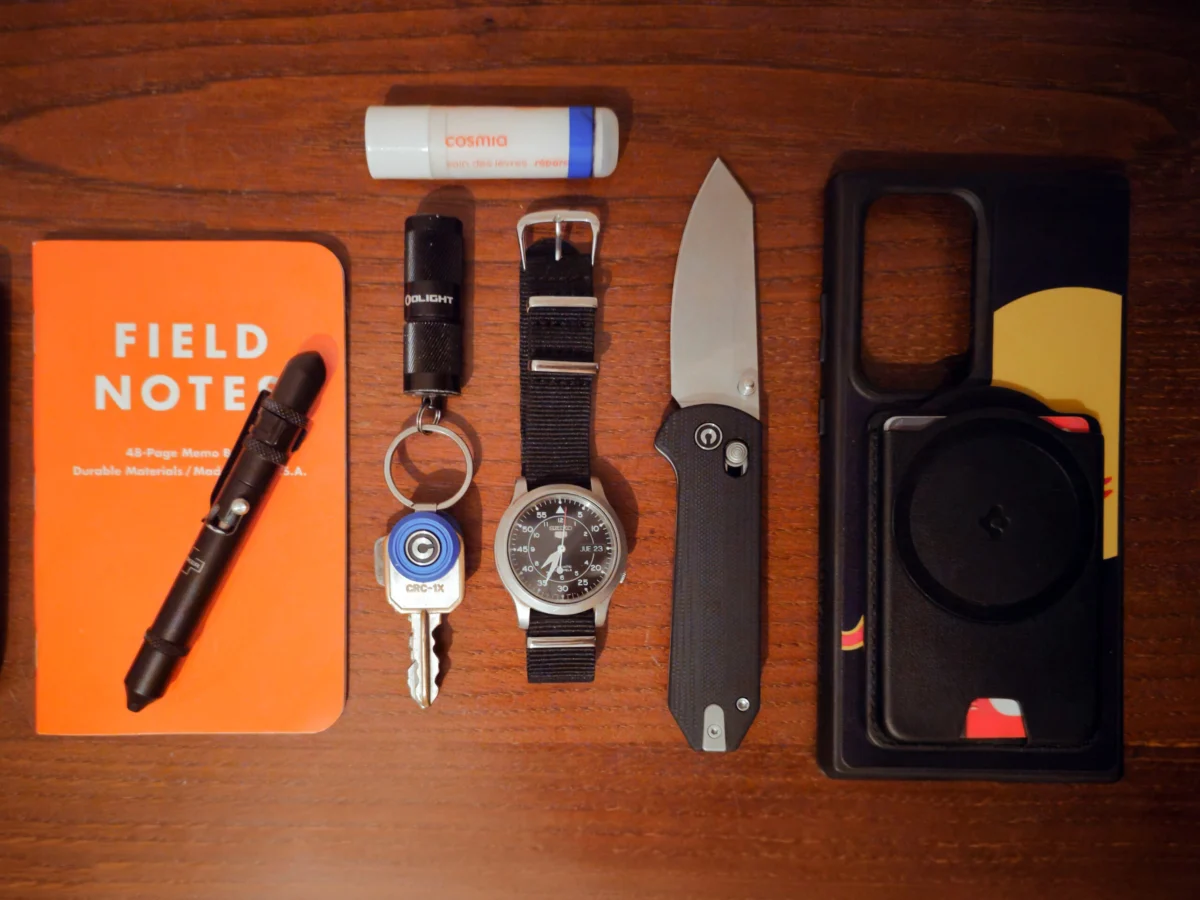
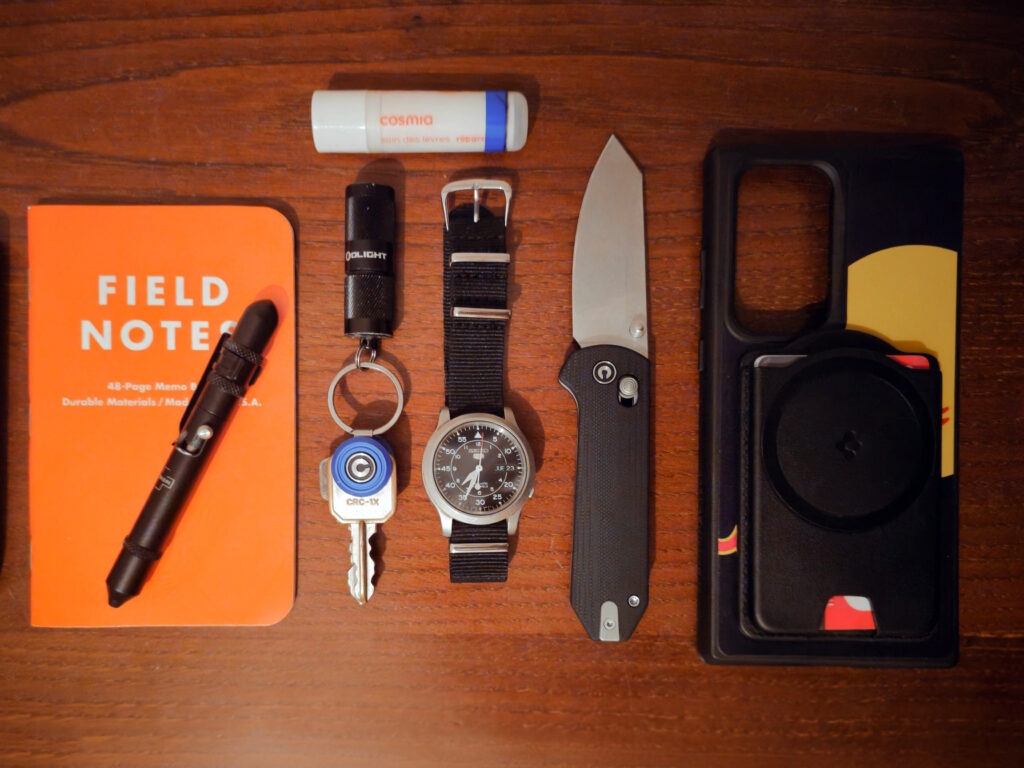
In such an environment, an operator’s EDC must meet several criteria: it must be non-intrusive to avoid snagging on sensitive equipment, highly durable to withstand industrial environments, and immediately accessible for rapid problem-solving. Ruben’s kit, which features a streamlined combination of a folding knife, a notebook, a compact pen, and a light-weight key management system, reflects the specific needs of a technician who must remain mobile and efficient throughout a shift.
Analyzing the Primary Toolset: The CIVIVI Yonder and Field Notes
At the heart of Ruben’s current rotation is the CIVIVI Yonder, a pocket knife that has garnered significant acclaim within the cutlery industry. Designed by Zac Whitmore, a recognized figure in the EDC community and a Blade HQ alumnus, the Yonder represents a shift in the market toward high-performance tools at accessible price points. The knife recently secured the "Best Buy of the Year" award at Blade Show 2024, a testament to its engineering and value proposition.
The Yonder features a crossbar lock mechanism, which is particularly advantageous in a technical setting. Unlike traditional liner locks, the crossbar lock is fully ambidextrous and allows the operator to close the blade without placing their fingers in the path of the edge, a critical safety feature when working in fast-paced industrial environments. The blade geometry is designed for "no-nonsense" utility, capable of handling everything from opening heavy-duty shipping crates to stripping wire or trimming gaskets.
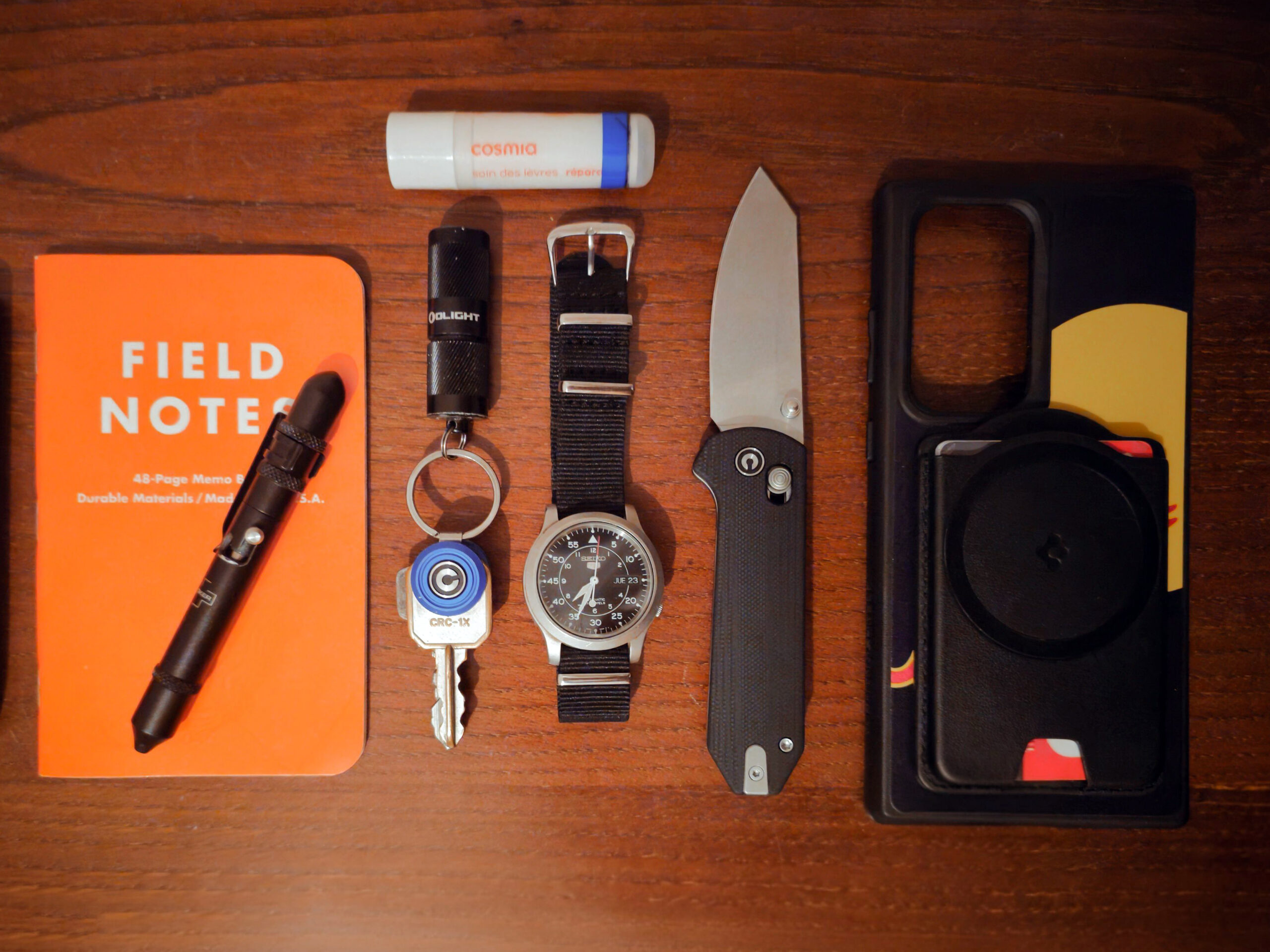
Complementing the mechanical tool is the addition of a Field Notes notebook. Despite the digital transformation of the aerospace industry, analog note-taking remains a staple for automation operators. In environments where electronic devices may be restricted due to electromagnetic interference (EMI) or where glove-clad hands make touchscreen interaction difficult, the ability to quickly jot down a diagnostic code, a measurement, or a system status update is invaluable. The "Field Notes" brand, known for its ruggedness and portability, serves as a reliable backup to digital logs.
Minimalism as a Functional Strategy
The "Editor’s Note" accompanying Ruben’s submission emphasizes the kit’s "balance of minimalism and value." In the context of professional EDC, minimalism is not merely an aesthetic choice; it is a strategy for efficiency. Ruben utilizes a magnetic wallet consolidated to his smartphone and an ultra-compact key organizer. This consolidation reduces "pocket jingle" and physical bulk, allowing for greater range of motion—a necessity when navigating the tight quarters of an automated assembly cell or an aircraft fuselage.
The inclusion of a mini bolt-action pen and a keychain flashlight further illustrates this commitment to compact utility. Bolt-action pens are favored in technical fields because the retraction mechanism is mechanical and robust, unlikely to leak or accidentally deploy in a pocket. Similarly, a keychain-sized flashlight provides the necessary illumination for inspecting dark recesses of machinery without the weight of a full-sized tactical torch.
The Versatility of the "Dressier" Secondary Carry
A notable aspect of Ruben’s gear philosophy is his ability to adapt his carry to his environment. He indicates that when he is not "on the job," he swaps his primary tools for a "dressier" duo: the Kizer Feist and a Casio Edifice watch. This transition demonstrates a sophisticated understanding of how gear reflects personal and professional identity.
The Kizer Feist, designed by Justin Lundquist, is a "gentleman’s folder" known for its sleek, front-flipper design and clean lines. It offers the same cutting utility as the CIVIVI but in a more refined, low-profile package suitable for social settings. The Casio Edifice, specifically the model featuring a "Tiffany" blue dial, represents a fusion of precision timekeeping and contemporary style. The Edifice line is marketed by Casio as a high-performance metal chronograph series, often associated with motorsports and engineering. The use of a sapphire crystal and 100M water resistance ensures that even Ruben’s "dress" watch maintains a level of durability consistent with his professional background.
Market Trends and the Growth of the EDC Industry
The curation of gear by professionals like Ruben is part of a larger global trend. The Everyday Carry market has seen exponential growth over the last five years, with market analysts projecting the industry to reach a valuation of several billion dollars by 2030. This growth is driven by a shift in consumer behavior toward "BIFL" (Buy It For Life) products and a heightened interest in personal preparedness.
Brands like CIVIVI and Kizer, both of which feature in Ruben’s rotation, have been at the forefront of this movement. These manufacturers have disrupted the traditional knife market by utilizing high-end materials (such as Nitro-V or S35VN steel) and precision CNC machining while maintaining competitive pricing. This democratization of high-quality tools allows professionals in various sectors to equip themselves with reliable gear without the prohibitive costs previously associated with custom-made equipment.
Broader Implications for Workplace Efficiency
The adoption of a standardized EDC by technical professionals has broader implications for workplace efficiency and safety. When a technician has immediate access to a light source, a writing utensil, and a cutting tool, the time spent searching for communal tools is eliminated. In the context of aeronautical automation, where downtime can cost thousands of dollars per hour, these small increments of saved time are significant.
Furthermore, the "personalization" of professional tools fosters a sense of ownership and responsibility. A professional who carefully selects and maintains their own gear is more likely to apply that same level of care to the industrial systems they manage. Ruben’s kit is a microcosm of this professional pride, reflecting a commitment to being prepared for any challenge the workday may present.
Chronology of Tool Acquisition and Integration
Ruben’s journey in refining his carry is an ongoing process of trial and evaluation. His recent acquisition of the Field Notes and the CIVIVI Yonder suggests a move toward integrating more specialized tools into his daily routine. The timeline of his gear evolution—moving from standard consumer items to award-winning, designer-led tools—mirrors the career progression of many in the automation field, where increasing responsibility necessitates more reliable equipment.
The mention of his intent to swap items based on his schedule (on-the-job vs. on-the-go) indicates a "modular" approach to EDC. This methodology allows for maximum utility during the work week while allowing for a more relaxed, aesthetically focused carry during leisure time.
Conclusion
Ruben’s everyday carry profile serves as a definitive example of how modern professionals are redefining the concept of the "tool kit." By selecting items like the CIVIVI Yonder and the Casio Edifice, he bridges the gap between industrial necessity and personal style. For the aeronautical automation industry in Portugal and beyond, this focus on precision, minimalism, and high-value utility is not just a trend; it is a reflection of the exacting standards required to keep the world’s most advanced systems operational. As the EDC movement continues to evolve, it will undoubtedly be shaped by the needs of operators who require their gear to be as sophisticated and reliable as the automation they oversee.