A New Challenger in the Open-World RPG Arena
The gaming landscape has long been dominated by a few titans in the open-world, first-person RPG genre, with Bethesda Softworks’ The Elder Scrolls series, particularly Skyrim, holding an iconic status. Despite its widespread influence and enduring popularity, the genre has seen surprisingly few direct competitors that genuinely attempt to emulate or evolve its core formula. While highly anticipated titles like Obsidian Entertainment’s Avowed are on the horizon, Tainted Grail: The Fall of Avalon has quietly emerged as a significant and well-received contender. Launched in May of last year following a period in early access, the game quickly garnered positive critical and player feedback, a notable achievement for a relatively young studio tackling a project of such ambitious scale and scope. Industry critics have praised it as "a love letter to the open-world first-person RPG genre," offering a distinctive narrative and gameplay experience.
The game distinguishes itself through its unique thematic premise: a "dark reimagination" of the classic Arthurian legends. Set entirely on the mysterious and decaying island of Avalon, players are thrust into a world steeped in ancient magic, moral ambiguity, and looming threats. Unlike many expansive open-world games that present a single, monolithic map, Tainted Grail opts for a structure comprising three distinct zones. This design choice, reminiscent of the approach expected from Avowed, allows for more curated environments, each with its own atmosphere, challenges, and narrative threads, while still offering extensive freedom of exploration.
Development Journey and Critical Reception
The journey of Tainted Grail: The Fall of Avalon from concept to its current iteration is a testament to the dedication often seen in independent and mid-sized studios. While the specifics of its initial funding and early development were not detailed in the original report, the mention of a "relatively young studio" undertaking a game of this "scale" often implies a reliance on innovative development strategies, potentially including crowdfunding or a highly iterative early access phase. Early Access, a common model in modern game development, allows studios to engage with their player base during active development, gathering feedback and refining mechanics based on community input. This collaborative approach can be invaluable for balancing ambition with practical implementation, especially for complex RPG systems.
Upon its full launch, approximately a year ago, Tainted Grail received a largely positive reception. Reviewers highlighted its competency in delivering a familiar yet fresh take on the first-person RPG. The game’s ability to fuse elements from established franchises like The Elder Scrolls and Dark Souls into a coherent and engaging experience was a frequent point of praise. The critical assessment noted that it "puts an interesting spin on Arthurian legend and presents a competent world that plays like a love letter to the open-world first-person RPG genre," underscoring its success in both thematic originality and genre execution. This positive initial response laid a strong foundation for the game’s ongoing development and community engagement.
Gameplay Mechanics: A Blend of Tradition and Innovation
Tainted Grail: The Fall of Avalon incorporates a comprehensive suite of activities and mechanics designed to provide a deep and engaging RPG experience. Beyond the core loop of dungeon crawling, overworld exploration, and narrative progression, players can immerse themselves in a variety of ancillary systems. These include:
- Resource Gathering and Crafting: Mining for raw materials, farming for food, and smithing weapons are integral to character progression and survival on Avalon. These systems provide a tangible sense of accomplishment and allow players to customize their gear and prepare for the dangers ahead.
- Survival and Sustenance: Cooking meals from gathered ingredients contributes to health and stamina regeneration, adding a layer of survival realism to the fantasy setting.
- Magic and Alchemy: The ability to mix spells and craft potions is crucial for magical practitioners, offering strategic depth in combat and utility in exploration.
- Journaling and Lore: Sketching in a journal is a unique mechanic that enhances immersion, allowing players to document their journey, discover lore, and track quests in a more personal way.
A particular area where Tainted Grail deviates significantly from its inspirations is its combat system. While The Elder Scrolls series has often been criticized for its comparatively simplistic melee combat, Tainted Grail offers a "much more elegant" approach. This elegance likely stems from a greater emphasis on timing, positioning, and tactical decision-making, drawing parallels to the more demanding combat encounters found in games like Dark Souls. Players might experience nuanced parry and dodge mechanics, distinct weapon animations, and a combat flow that rewards skill and anticipation over brute force. This refined combat system contributes significantly to the game’s overall challenge and player satisfaction.
Furthermore, the game’s narrative is punctuated by "morally ambiguous" choices. This element is crucial in dark fantasy settings, where clear-cut heroes and villains are rare, and player decisions often have far-reaching, unforeseen consequences. Such choices force players to grapple with difficult ethical dilemmas, influencing the story’s progression, relationships with non-player characters (NPCs), and ultimately, the fate of Avalon itself. This depth of choice adds considerable replayability and personal investment in the unfolding saga.
Technical Performance and Artistic Vision
Accessibility and performance are key considerations for any modern game, and Tainted Grail: The Fall of Avalon has demonstrated a commendable level of optimization. The game reportedly runs "pretty well" on the Steam Deck, Valve’s popular handheld gaming PC, albeit at a frame rate ranging from 30-45 frames per second (fps). This performance on a portable device expands the game’s potential audience, allowing players to experience Avalon on the go, a significant advantage in today’s multi-platform gaming ecosystem. Achieving stable performance on diverse hardware profiles speaks to the developers’ commitment to optimization.
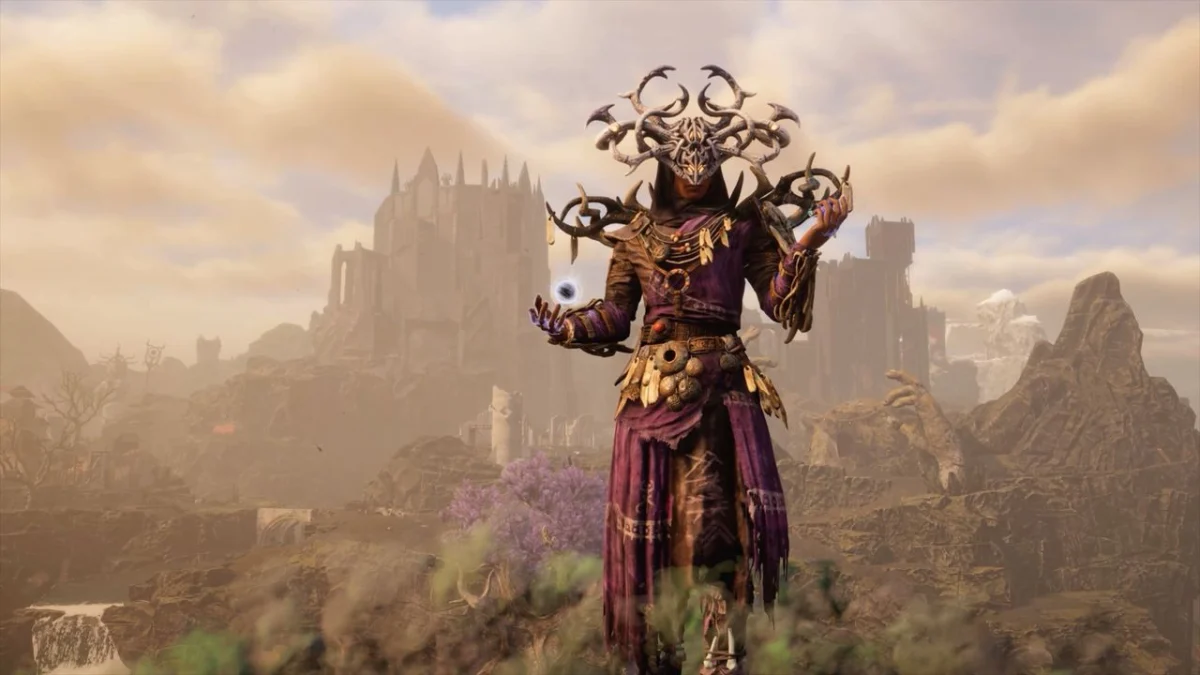
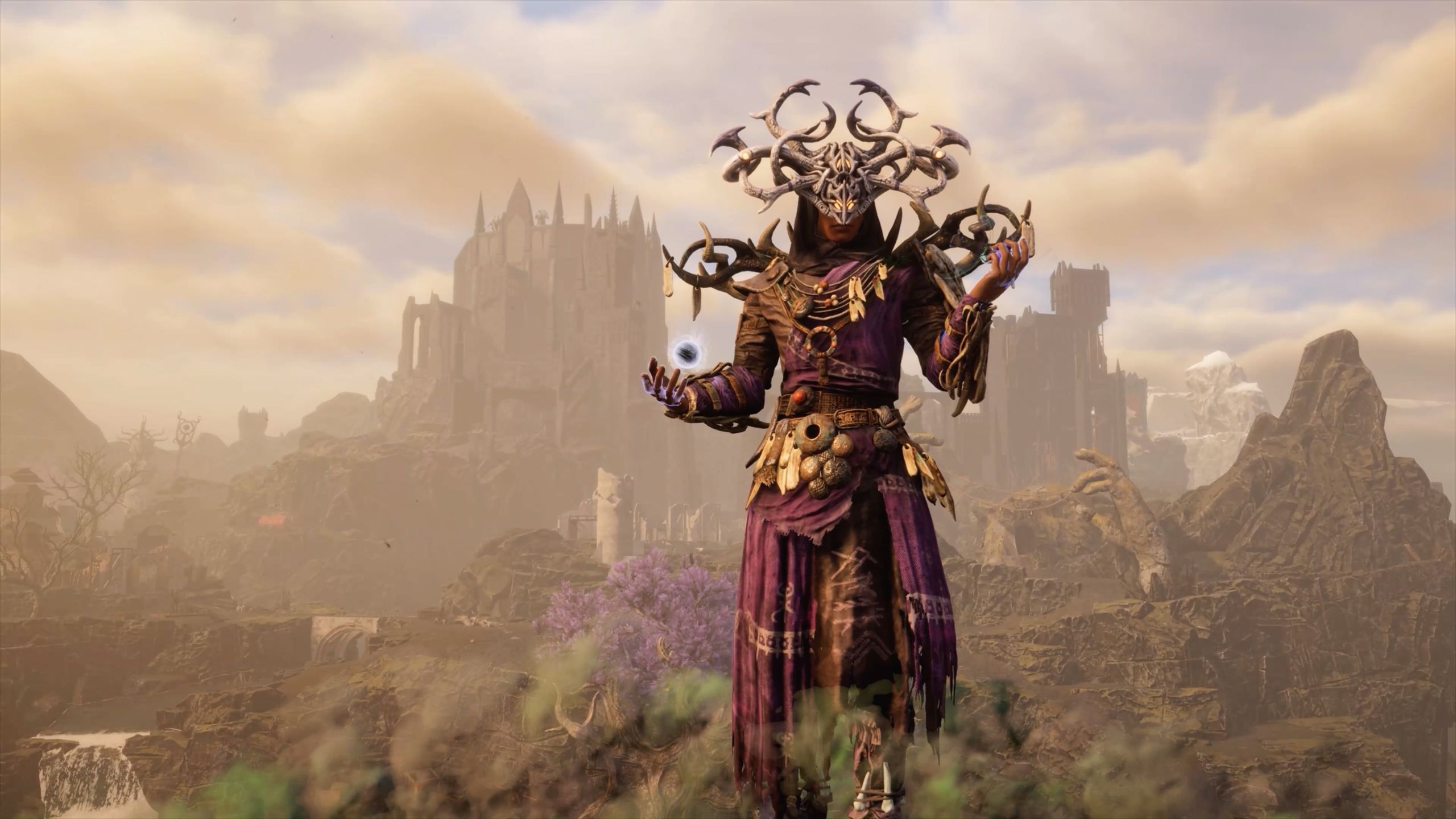
Visually, Tainted Grail carves out its own identity with an art style described as "darker than Skyrim’s," presenting almost as a "hybrid of Dark Souls and Morrowind." This artistic fusion suggests a palette of muted, desaturated colors, foreboding environmental design, and perhaps grotesque or melancholic creature and character designs. The influence of Morrowind might imply a focus on exotic, alien landscapes and architectural styles, while Dark Souls would lend a sense of oppressive atmosphere and intricate, decaying beauty. This distinctive aesthetic is vital for establishing the game’s grim, fantastical tone and differentiating it from the more vibrant, high-fantasy visuals often associated with The Elder Scrolls.
For players with high-end computing setups, the latest patch introduces an "ultra+" graphics preset. This addition indicates the studio’s ambition to push visual fidelity to its limits, offering an even more immersive and detailed experience for those with powerful hardware. Such a feature not only caters to enthusiasts but also demonstrates the technical capabilities and ongoing commitment to graphical excellence by the development team.
The Latest Content Update and Strategic Discount
The current 50% discount on Steam represents the lowest price point Tainted Grail: The Fall of Avalon has reached since its launch, making it an opportune moment for new players to delve into its world. This aggressive pricing strategy is frequently employed to reignite interest in a title, attract hesitant buyers, and capitalize on renewed media attention. For a game that launched in May of the previous year, such a significant discount signals a push to expand its player base and ensure long-term community engagement.
Crucially, the discount is synchronized with a major new patch and the release of free DLC. This simultaneous release is a common industry tactic, as new content provides a compelling reason for existing players to return and for prospective buyers to make a purchase. The free DLC introduces a host of new elements, enriching the gameplay experience:
- New Items: Expanding the loot pool and customization options for players.
- New Armor Sets: Specifically designed for rangers and sorcerers, these additions suggest further development of distinct class identities and playstyles within the game. This implies a continued focus on character customization and build diversity.
- New Weapons: The inclusion of new bows and wands provides more tactical choices for ranged and magic-focused characters, allowing for greater specialization and varied combat approaches.
- New Romance Option: The introduction of a new romance option speaks to the desire to deepen character interactions and provide more avenues for role-playing within the game’s narrative. This often adds a layer of personal connection and emotional investment for players.
The provision of free DLC, as opposed to paid expansions, is a strong gesture of goodwill towards the player community. It signals the developers’ commitment to providing ongoing value and support for the game, fostering loyalty and encouraging positive word-of-mouth. For a "young studio," this strategy can be particularly effective in building a dedicated fan base and establishing a reputation for post-launch support.
Broader Impact and Future Implications
The continued success and evolution of Tainted Grail: The Fall of Avalon carry significant implications for the broader RPG genre and the studio behind it. For players eagerly awaiting The Elder Scrolls VI, which remains years away, Tainted Grail offers a robust and engaging alternative. Its blend of familiar Elder Scrolls-like exploration with Dark Souls-inspired combat and a distinct dark fantasy setting fills a specific niche that many players have been yearning for. This positions it not merely as a placeholder, but as a legitimate and high-quality experience in its own right.
For the development studio, the positive reception and ongoing support for Tainted Grail are critical. Sustained player engagement, driven by regular content updates and strategic sales, ensures a longer lifecycle for the game and provides valuable revenue streams. This success can empower the studio to undertake future projects, whether sequels within the Tainted Grail universe or entirely new intellectual properties. It demonstrates their capability to deliver ambitious, large-scale RPGs, enhancing their standing in the competitive video game industry.
The game’s unique approach to Arthurian lore, moving away from traditional heroic narratives towards a darker, more morally complex interpretation, also contributes to a broader trend in fantasy storytelling. It suggests a market appetite for mature, nuanced narratives that challenge conventional tropes, further enriching the diversity of themes available in the RPG genre.
In conclusion, Tainted Grail: The Fall of Avalon has not only carved out a significant space for itself within the crowded RPG market but continues to demonstrate its potential through consistent development and community engagement. Its current promotional pricing and substantial free content update make it an exceptionally compelling offering for both seasoned RPG enthusiasts and newcomers alike, solidifying its status as a commendable successor to the legacy of first-person open-world RPGs.