









The late 1950s marked a period of intense technological paranoia, where the globe was quietly carved into ideological halves, each desperately seeking an edge over the other. Inside a sterile Soviet metals export office, a telex machine clattered rhythmically, spitting out an innocuous commercial order. The document requested thousands of tonnes of titanium, ostensibly routed through a third-party intermediary on behalf of an obscure firm. The stated purpose of this immense metallic acquisition? Industrial pizza ovens. In the height of the Cold War, subterfuge was a daily currency, yet this particular order raised no red flags. Bureaucrats stamped the paperwork without hesitation, and massive flatbeds and cargo holds began moving the strategic material westward.
The official narrative was entirely fictitious; there were no industrial pizza ovens. The actual buyer was the United States Central Intelligence Agency (CIA), operating behind a complex web of shell companies and international front organizations. The destination was not a commercial manufacturing plant, but Lockheed’s legendary Skunk Works facility in Burbank, California. There, engineers were shaping an ambitious, top-secret spy plane designated the A-12—the precursor to the iconic SR-71 Blackbird. Conceived to replace the vulnerable U-2 reconnaissance aircraft, the Blackbird needed to cruise at unprecedented altitudes and velocities exceeding Mach 3, pushing through the stratosphere so fast that surface-to-air missiles could not hope to intercept it.
The Thermal Crucible: Why Titanium Became Indispensable
The engineering hurdles faced by the Skunk Works team, led by legendary aeronautical designer Clarence “Kelly” Johnson, were formidable. At three times the speed of sound, atmospheric friction generates intense thermal stress, transforming the air surrounding an aircraft skin into a brutal furnace. Aluminum, the traditional staple of aviation manufacturing, loses its structural integrity and softens at these extreme temperatures. Conversely, traditional structural steel could easily withstand the heat, but its dense weight would render the aircraft too heavy to achieve the necessary altitude and fuel efficiency.
Titanium emerged as the solitary viable compromise. It possessed the high-temperature resilience of heavy metals combined with a fraction of the weight. Ultimately, more than ninety percent of the finished A-12 airframe was constructed from titanium alloys. The supreme irony of the endeavor lay in the geopolitical source of the material: the Soviet Union, the very superpower the aircraft was engineered to monitor, stood as one of the world’s foremost producers of titanium sponge. Through corporate deception, American intelligence agencies leveraged Soviet resources to build the ultimate weapon against the Soviet state.
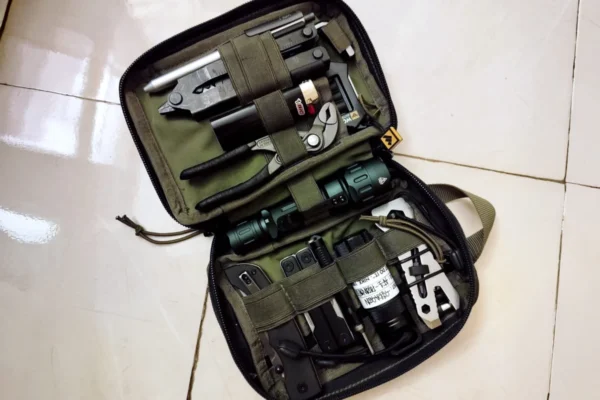
Decades later, this once-elusive strategic asset would escape the confines of military installations and aerospace hangars, permeating everyday life. Today, titanium is a ubiquitous presence in consumer culture, embedded seamlessly into golf clubs, high-end bicycle frames, ultralight backpacking gear, mountaineering carabiners, and the EDC (everyday carry) pocket tools carried by millions. Tracing the trajectory of titanium reveals a fascinating narrative of metallurgical stubbornness, geopolitical brinkmanship, and eventual commercial ubiquity.

A Chronological History of Discovery and Isolation
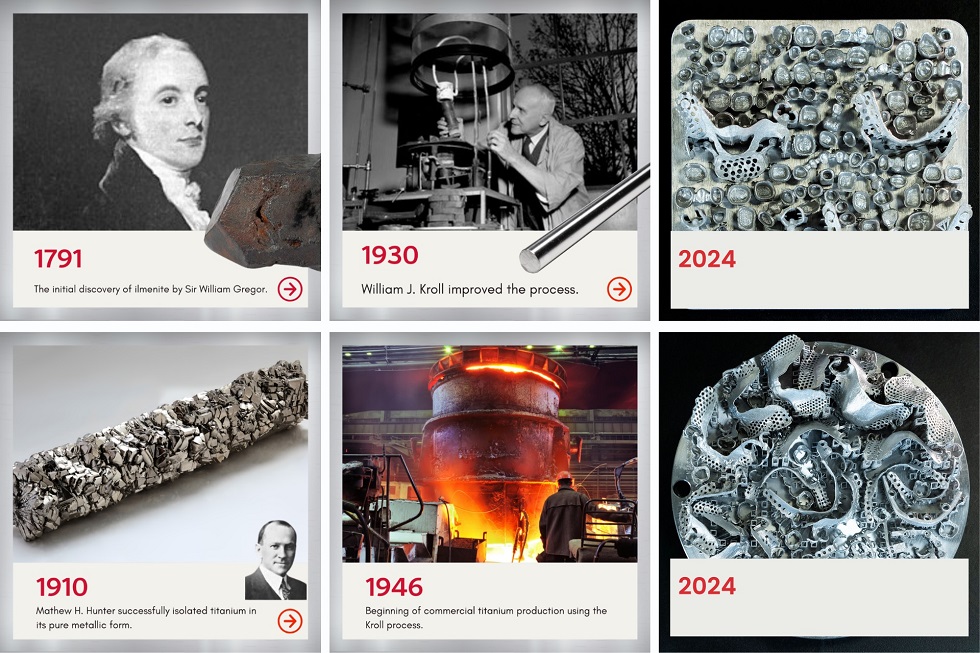
The modern history of titanium began far removed from Cold War espionage, taking root in the pastoral tranquility of 18th-century Cornwall. In 1791, a Cornish clergyman and amateur mineralogist named William Gregor identified a strange, magnetic black sand within a stream bed situated in the Manaccan valley. Recognizing the substance as an unclassified metallic compound, Gregor dubbed it "manaccanite" after his local parish, published his findings, and returned to his clerical duties.
Four years later, in 1795, German analytical chemist Martin Heinrich Klaproth independently isolated the oxide of a new element from a Hungarian mineral known as rutile. Demonstrating a penchant for mythological nomenclature—just as he had done previously with uranium—Klaproth named the element titanium, drawing inspiration from the Titans, the primordial deities of Greek mythology who were the first sons of the earth. Upon reviewing contemporary scientific literature, Klaproth realized that his discovery matched Gregor’s earlier findings. While Gregor retained the historical distinction of primary discovery, Klaproth’s evocative name permanently entered the scientific lexicon.
Despite its abundance—titanium ranks as the ninth most common element in the Earth’s crust, heavily concentrated in minerals like rutile and ilmenite—the metal remained a laboratory curiosity for well over a century. The core impediment was not a lack of raw ore, but rather the immense difficulty of extracting the pure metal from its chemical bonds. Standard metallurgical reduction techniques, such as heating iron ore with carbon, failed completely with titanium. Instead of yielding pure metal, titanium greedily bonds with carbon to form titanium carbide, a brittle and practically useless compound.

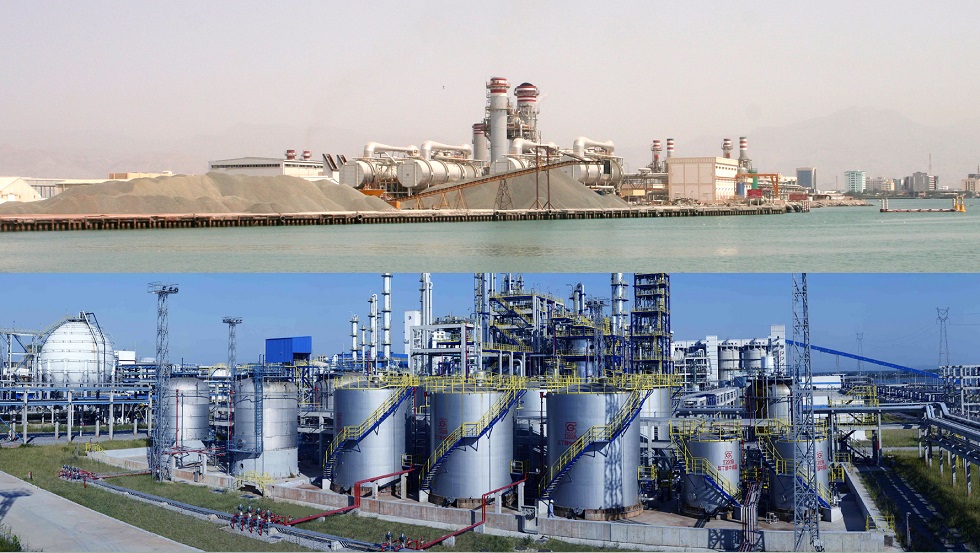
The definitive breakthrough arrived in the 1930s through the pioneering work of Luxembourgish metallurgist William J. Kroll. The Kroll process, which remains the industrial baseline for titanium production nearly a century later, is remarkably complex, energy-intensive, and agonizingly slow. The manufacturing cycle involves converting titanium tetrachloride into a liquid intermediate, which is then systematically reacted with molten magnesium inside a sealed, airtight steel retort operating at approximately 1,200 degrees Celsius.
A single production batch requires up to 17 days to complete, yielding a modest output compared to traditional metallurgy. While a modern blast furnace can churn out roughly 10,000 tonnes of pig iron in a single day, the largest titanium reduction reactors produce barely a single tonne per day. Recognizing the operational inefficiencies of his methodology, Kroll himself predicted during the 1950s that a cheaper, more streamlined extraction method would replace his process within fifteen years. Yet, due to the stubborn chemical affinity of titanium, the Kroll process endures as the global standard.
Industrial Scaling and the Cold War Strategic Stockpile
Commercial production of titanium officially commenced in 1948 when chemical giant DuPont began marketing the metal to external buyers. Initial commercial applications were predictably military-focused, spearheaded by experimental jet programs. During the early 1950s, defense planners envisioned sweeping applications for the miracle metal, speculating on its potential use for naval warships, heavy armor plating, military transport trucks, amphibious landing craft, and guided missile systems.
In parallel, the chemical and pharmaceutical sectors embraced titanium for its extraordinary resistance to aggressive chemical agents. Long before structural applications took hold, titanium dioxide—a stable oxide compound of the element—found widespread commercial success as a brilliant white pigment. Introduced commercially in 1916, titanium dioxide remains a foundational additive across modern manufacturing, utilized extensively in architectural paints, paper processing, commercial toothpaste formulations, and high-SPF sunscreens.
As industrial demand accelerated, governments recognized titanium as a critical national security asset. During the height of the 1950s and 1960s arms race, the United States government established an aggressive strategic stockpile of titanium sponge to insulate military supply chains against potential wartime disruptions. This vast federal reserve was so substantial that it was not fully exhausted until the early 2000s.
Concurrently, the Soviet Union pursued an aggressive, independent path in titanium metallurgy, committing national resources to maritime applications that Western nations deemed economically unviable. In 1968, Soviet shipyards commenced construction on the Project 705 Lira class—known in the West as the Alfa-class attack submarines. These vessels remain engineering marvels: a series of nuclear-powered submarines featuring fully welded titanium hulls.
The implementation of a titanium hull afforded the Alfa-class boats exceptional structural advantages. Titanium provided a superior strength-to-weight ratio compared to high-grade submarine steel, allowing the vessels to dive to unprecedented operational depths exceeding 2,000 feet while achieving underwater speeds approaching an astonishing 46 knots. However, these tactical advantages came at a staggering financial and industrial cost. Titanium is notoriously difficult to machine and weld, requiring specialized inert-gas welding environments to prevent catastrophic metal embrittlement. Due to the exorbitant manufacturing expenses and complex fabrication demands, the Soviet Navy ultimately scaled back its ambitions, returning to traditional steel alloys for subsequent submarine generations like the Akula class.
The Consumer Pivot: From Bicycles to Backpacks
As military procurement stabilized, industrial fabricators began exploring civilian markets. Japan emerged as a global epicenter for post-war titanium innovation, driving the transition from heavy defense manufacturing to precision consumer goods.
During the 1970s, pioneering frame builders began experimenting with titanium bicycle tubing, offering riders a corrosion-resistant alternative to steel that absorbed road vibrations far more effectively than early aluminum frames. By the 1980s, master craftsmen in Sabae—a Japanese city renowned for its optical manufacturing heritage dating back to 1905—became the first in the world to successfully fabricate lightweight eyeglass frames from titanium wire and sheet stock.
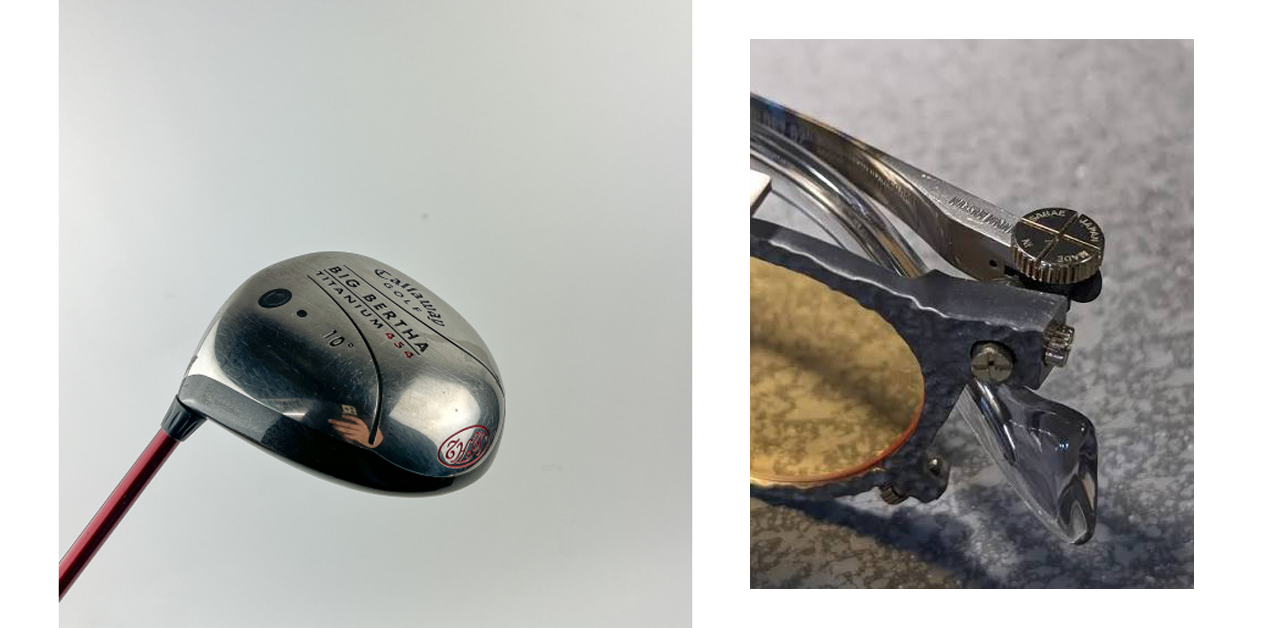
The sporting goods industry followed suit with aggressive technological developments. In 1990, Japanese golf manufacturer Mizuno introduced the Ti-110, widely recognized as the world’s first titanium golf driver. The design revolutionized the sport, allowing manufacturers to drastically increase clubhead volume without adding swing weight. Callaway quickly capitalized on the trend with the 1995 release of the Great Big Bertha titanium driver, permanently altering the economics and performance standards of professional and amateur golf.
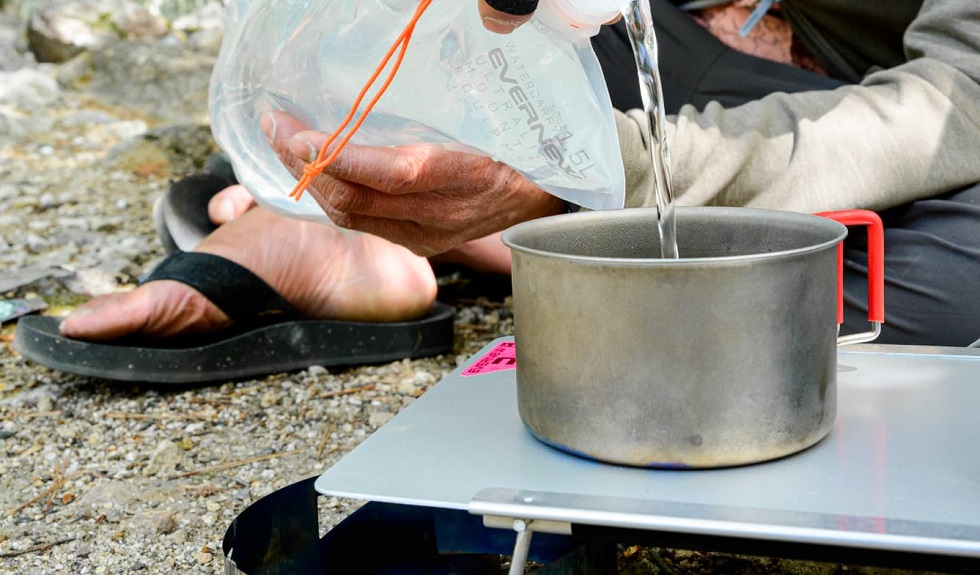
By the mid-1990s, titanium had crossed over into outdoor recreation and mountaineering equipment. In Niigata Prefecture—historically celebrated as Japan’s premier metalworking capital—artisans in the city of Tsubame undertook a seemingly impossible engineering challenge: manufacturing ultralight camp cookware from thin-gauge titanium sheet. Industry consensus dictated that titanium could not be rolled thin enough or drawn deeply enough for camp cups and cooking pots without fracturing.
After nearly two years of metallurgical experimentation, companies like Evernew successfully defied conventional manufacturing wisdom, introducing the outdoor industry to ultralight titanium cookware. For backpackers and thru-hikers operating under the strict discipline of base-weight reduction, titanium offered an unprecedented solution: extreme durability combined with gram-shaving lightness.
Entering the Everyday Carry (EDC) Ecosystem
The natural evolution of titanium eventually led it into the pockets of consumers worldwide. The modern everyday carry (EDC) community—a subculture dedicated to the curation and appreciation of functional pocket tools, writing instruments, and pocketknives—elevated titanium to premier status.
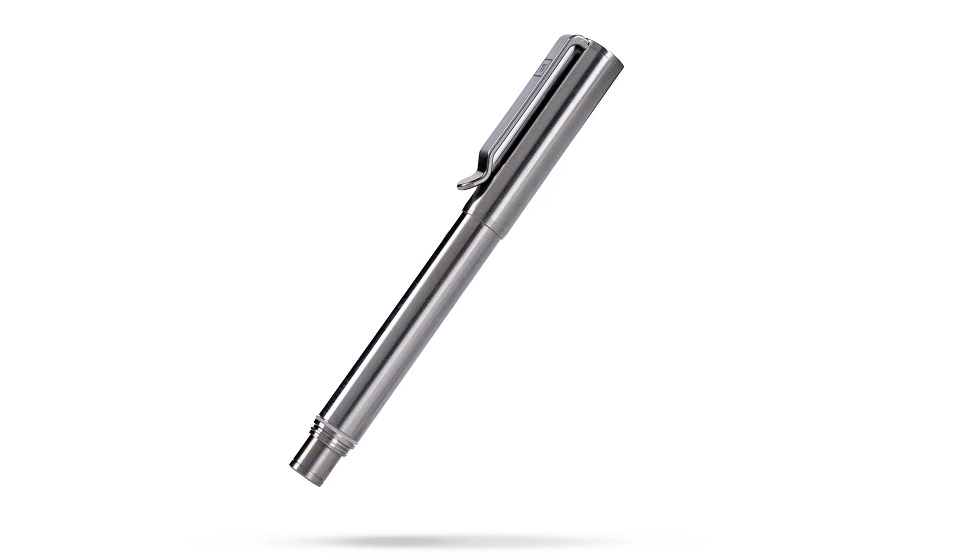
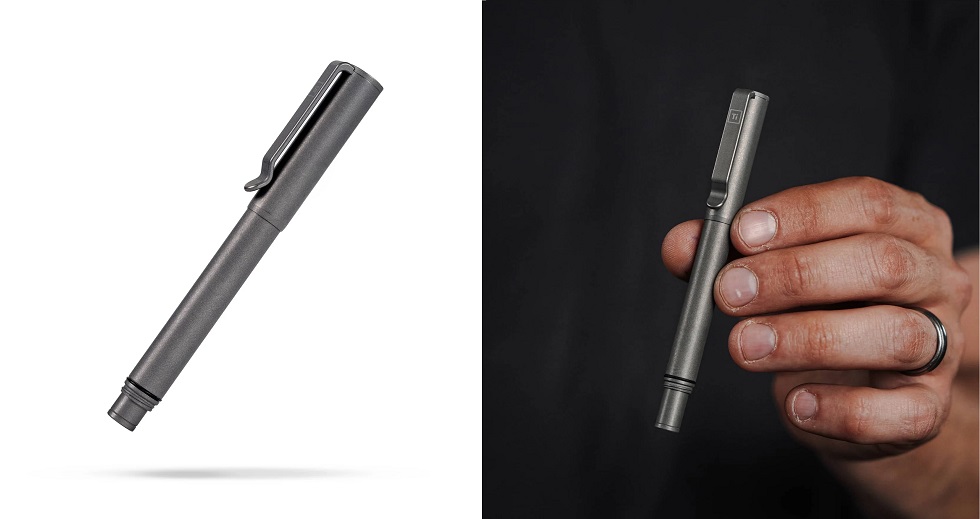
Machinists and boutique manufacturers began producing precision writing instruments featuring intricate bolt-action mechanisms machined entirely from titanium billets. These pens were soon joined by modular bit drivers, pocket pry bars, and multi-functional utility tools. Titanium proved ideally suited for pocket gear due to a unique convergence of mechanical properties. Daily-carry items undergo constant handling, mechanical manipulation, and tactile interaction; many popular EDC items are specifically engineered with fidget-friendly mechanisms like smooth sliders and satisfying clickers.
Most conventional metallic coatings wear down, chip, or flake under repetitive friction, exposing inferior base metals underneath. Titanium, by contrast, maintains its structural integrity without relying on fragile surface plating. A precision-machined titanium pen can house internal steel mechanisms, weigh a mere 32 grams, withstand years of pocket abuse, and remain entirely free from the rust, degradation, and fading associated with cheaper alloys.
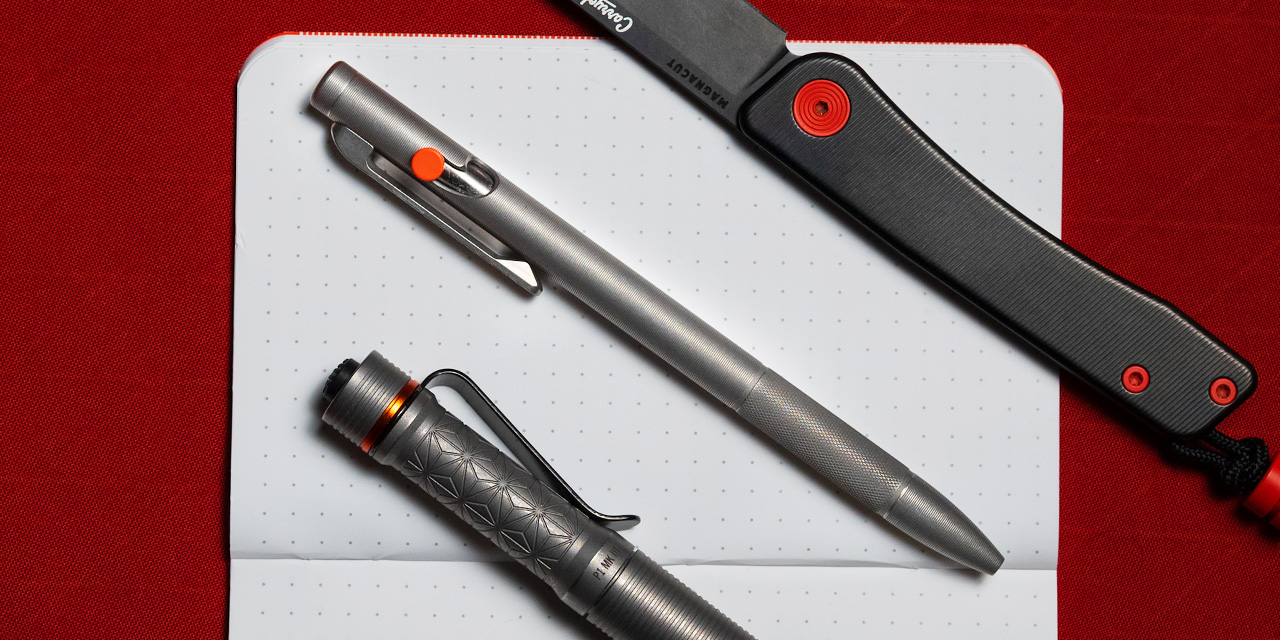
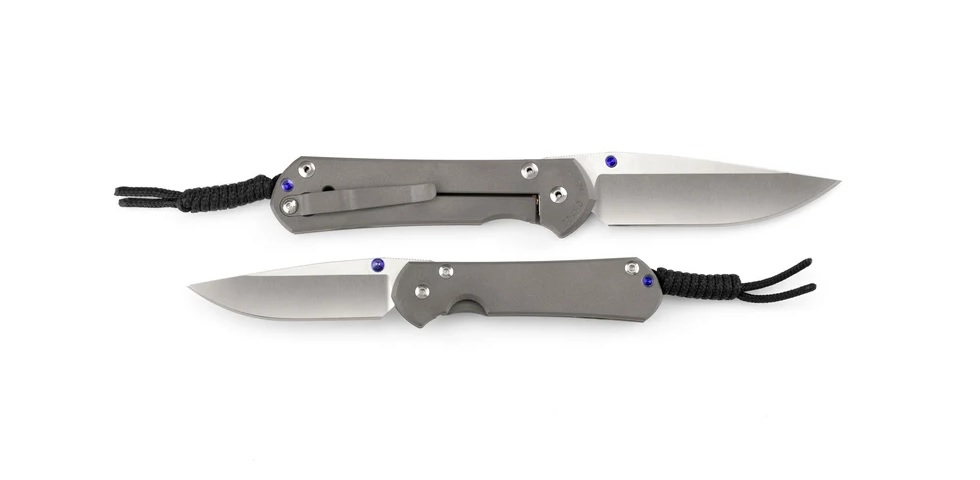
Pocketknives similarly integrated titanium into their design architectures, utilizing the metal primarily for frame locks, liners, pocket clips, and decorative hardware. While titanium handles offer exceptional rigidity and zero susceptibility to perspiration-induced corrosion, knife blade manufacturing remains a distinct domain. Pure titanium and standard commercial alloys are relatively soft compared to high-performance carbon and stainless steels, meaning a titanium cutting edge lacks the edge retention required for demanding daily utility tasks. Consequently, premium folding knives generally pair titanium handles with specialized powder-metallurgy steel blades.
Understanding Grades and Metallurgical Composition
Not all titanium is created equal. The metal is categorized into distinct numerical grades that dictate its chemical composition, mechanical performance limits, and manufacturing suitability. These grades fall into two primary classifications: commercially pure (CP) titanium and structural titanium alloys.
Grades 1 through 4 represent commercially pure titanium. These materials consist almost entirely of elemental titanium, punctuated by controlled, deliberate trace amounts of oxygen and iron. Modifying the oxygen content directly impacts mechanical performance; higher oxygen levels increase tensile strength while reducing ductility. Grade 2 serves as the industry workhorse for general manufacturing. It is remarkably ductile, easily formable, and exhibits exceptional resistance to chemical corrosion.
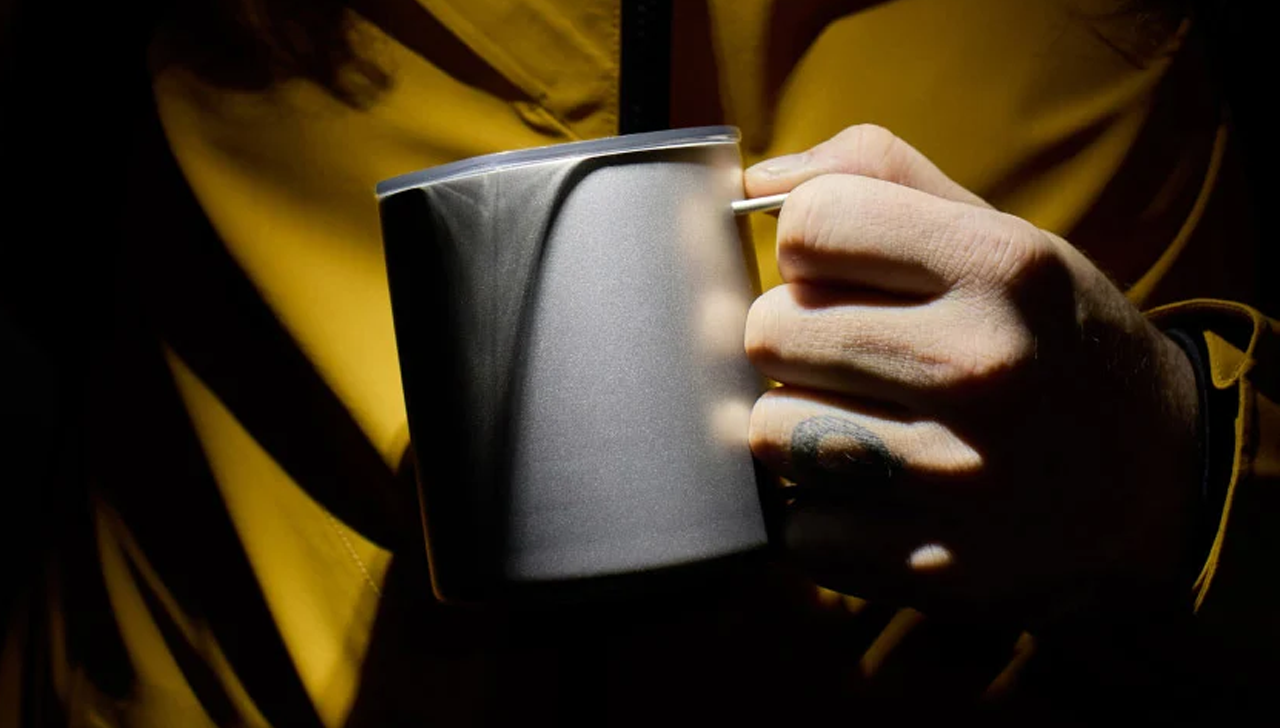
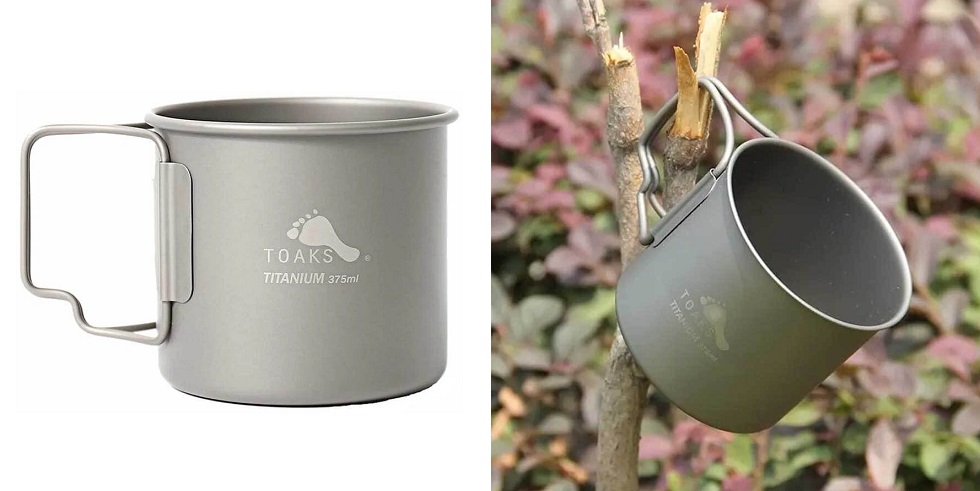
Because of these characteristics, outdoor equipment manufacturers predominantly utilize Grade 2 for camp mugs, single-wall pots, and water bottles, where thin walls and corrosion resistance are paramount, but extreme structural load-bearing capacity is unnecessary. Commercially pure grades typically exhibit a tensile strength of approximately 345 megapascals (MPa), positioning them below many structural carbon steels in raw strength.
Conversely, the alloy family introduces deliberate metallic additives to radically enhance mechanical performance. The most ubiquitous alloy in global manufacturing is Grade 5, chemically designated as Ti-6Al-4V (comprising 6% aluminum and 4% vanadium). Grade 5 is nearly three times stronger than commercially pure Grade 2, boasting a tensile strength approaching 950 MPa.
Accounting for roughly half of all global titanium consumption, Grade 5 is the material of choice for high-end EDC pocket tools, high-performance bicycle frames, aerospace turbine components, and luxury horology. However, this enhanced strength carries an operational penalty: Grade 5 is notoriously difficult to machine. Industrial tooling guides frequently rate Grade 5 titanium as possessing only half the machinability of Grade 2, directly contributing to the elevated retail cost of finished titanium goods.
Surface Finishes: Aesthetics, Durability, and Wear Characteristics
The visual and tactile presentation of a titanium product depends entirely upon secondary surface treatments applied after the primary machining process.
The baseline finish is raw or satin, representing titanium left in its freshly machined state or lightly brushed in a linear direction. This finish displays the matte gray metallic tone alongside the subtle microscopic machining lines left by cutting tools.
At the opposite end of the spectrum is the polished finish, achieved by mechanically buffing the surface through progressively finer abrasive compounds until the metal achieves a bright, reflective sheen reminiscent of high-grade stainless steel. While visually striking, a polished titanium surface readily reveals handling marks and is highly susceptible to superficial scratching during regular use.
Bead-blasting employs high-pressure streams of fine glass beads or ceramic media fired at the metal surface, resulting in a light gray, dead-matte finish with a faint crystalline sparkle. While aesthetically clean, bead-blasted surfaces are moderately prone to scuffing and fingerprints, and the porous nature of the blasted texture can influence how the metal accepts subsequent coloration treatments.
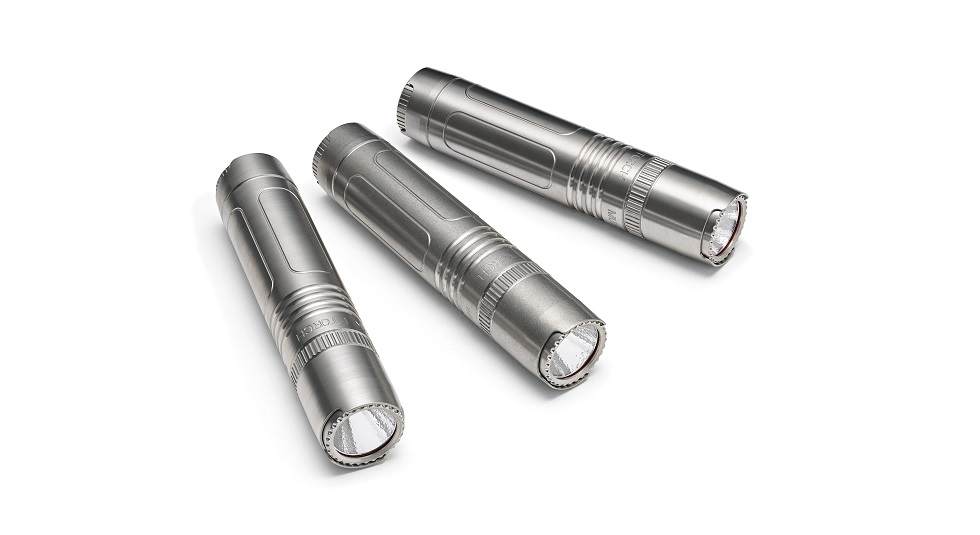
Stonewashing—frequently referred to as tumbling—places finished titanium components inside a rotating drum filled with abrasive ceramic or stone media. The resulting finish is brighter and more silver than bead-blasting, clearly revealing the underlying grain of the metal while offering a smooth, tactile feel in the hand. Stonewashing is widely considered the most durable and practical finish for pocketknife handles and EDC tools; the random stochastic texturing effectively camouflages scuffs and scratches, as new wear patterns simply blend into the existing tumbled finish.
Anodized finishes introduce vibrant chromatic spectrums via an electrochemical immersion process driven by controlled electrical voltage. Intriguingly, the micro-structure of the underlying metal preparation directly dictates the final optical outcome. A highly polished component returns vivid, saturated color hues under voltage, whereas a bead-blasted or stonewashed surface yields a muted, matte coloration. Satin anodization produces the most luminous chromatic results but readily captures skin oils and fingerprints. Furthermore, all anodized oxide layers are susceptible to surface scratching, gradually developing a personalized patina over years of human interaction.
Why Titanium Commands Enduring Loyalty
The enduring popularity of titanium among engineers, outdoor enthusiasts, and EDC collectors is rooted in a unique intersection of physical and chemical properties.
First, it is exceptionally lightweight. Titanium is approximately 40% to 45% lighter than standard structural steel. While workhorse alloys sacrifice a minor degree of ductility to achieve this weight reduction, the resulting material remains sufficiently robust to maintain the structural integrity of a supersonic reconnaissance aircraft traversing the stratosphere at Mach 3.
Second, it is virtually immune to atmospheric and aquatic corrosion. The moment raw titanium is exposed to ambient oxygen, it spontaneously forms a transparent, self-healing passivation layer composed of titanium dioxide, measuring mere nanometers in thickness. If the metal surface is scratched, atmospheric oxygen immediately interacts with the exposed substrate, instantly regenerating the protective oxide barrier. Titanium structural elements submerged in corrosive marine environments for decades show no measurable material degradation.
Third, it is chemically inert and virtually tasteless. Consumers who have regularly drunk beverages from cheap aluminum or low-grade stainless steel camp cups will recognize a distinct, metallic tang reminiscent of licking a coin. This sensory perception is not caused by the metal itself, but rather by the migration of microscopic charged metal ions leaping from the cup surface onto the human tongue. The rate of ion shedding directly correlates to taste intensity.
Titanium exhibits an exceptionally low ion-migration profile due to its instantaneous oxide passivation layer. When boiling coffee or water is poured into a titanium cup, the liquid contacts the chemically stable oxide skin rather than the bare metal substrate. Because this barrier is insoluble and chemically impermeable, ions cannot escape into the beverage. Medical researchers note that this identical bio-compatibility allows titanium surgical screws, joint replacements, and dental implants to integrate seamlessly within the human body without triggering adverse immunological rejection or chemical breakdown.
Finally, it ages with character rather than failing. Traditional consumer goods typically degrade through structural failure—paint chips, decorative plating wears through, and protective surface sealants flake away, exposing inferior core materials. Titanium, by contrast, undergoes a dynamic maturation process.
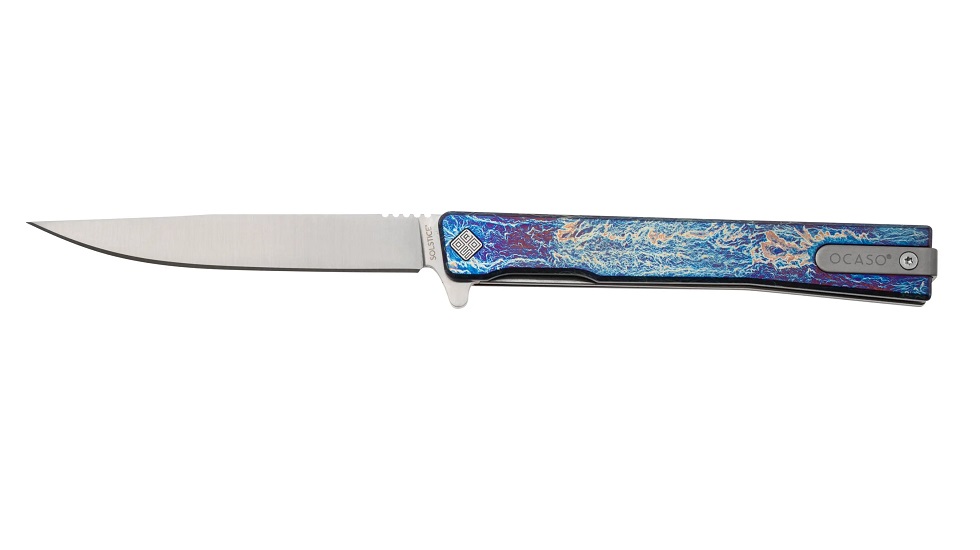
The surface oxide film continues to thicken at a microscopic scale over extended periods—expanding from roughly one nanometer upon initial exposure to approximately five nanometers after 70 days, and reaching up to nine nanometers after eighteen months. Because the visible chromatic hues of titanium are a direct optical consequence of light interference passing through this varying oxide film thickness, environmental interactions permanently alter its appearance. Exposure to direct flame during camp cooking introduces vivid thermal tinting, while daily handling and skin oils gradually foster a rich, organic patina.
From the shadowy corridors of Cold War espionage to the modern urban pocket, titanium has transitioned from an esoteric aerospace secret into an enduring symbol of functional design—a testament to how relentless metallurgical innovation permanently reshaped the material culture of the modern world.