









The global photography market has witnessed a remarkable resurgence in analog-style digital cameras over recent years, driven largely by consumer fatigue with hyper-processed smartphone imagery and a cultural longing for the tactile, deliberate nature of film photography. Enter the Fotorgear Campix, an innovative compact digital camera developed by a brand traditionally recognized for manufacturing professional smartphone photography accessories. Merging the instant gratification of modern sensor technology with the physical constraints, retro aesthetics, and deliberate workflow of traditional film cameras, the Campix introduces a suite of unusual features to the burgeoning "screen-free" and retro-compact camera category.
Designed to compete with popular retro-inspired alternatives like the Flashback One35 V2 and the Camp Snap CS-Pro, the Fotorgear Campix adopts the core philosophy of unplugged digital shooting. It omits the traditional image playback mode entirely, forcing photographers to focus on composition and moment-capturing rather than endlessly reviewing shots on a bright LCD screen. However, rather than simply mimicking a plastic disposable camera, Fotorgear has engineered a device that bridges the gap between mobile phone optics and dedicated retro digital hardware, creating a unique hybrid ecosystem that challenges conventional wisdom in compact camera design.
Main Facts and Core Features of the Fotorgear Campix
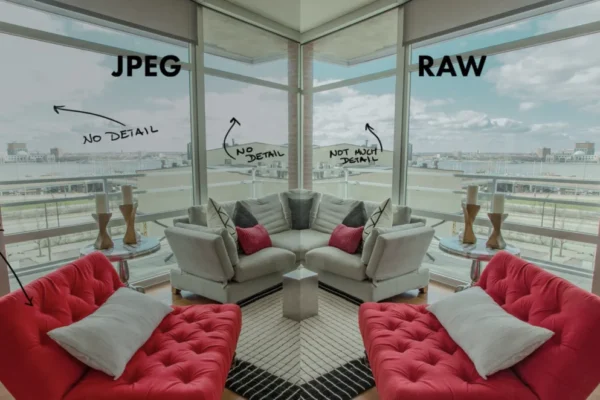
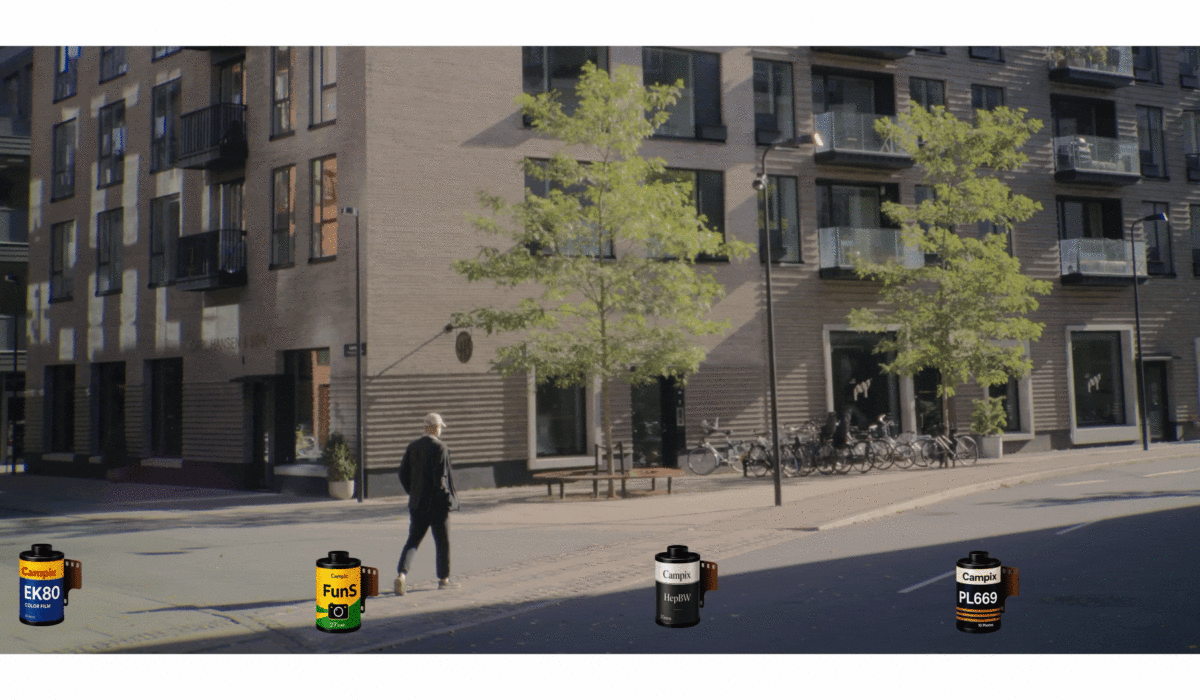
At the heart of the Fotorgear Campix is a Sony-manufactured 13-megapixel 1/3.06-inch stacked CMOS sensor. While this sensor size is relatively modest compared to APS-)^{-C or full-frame mirrorless systems, it aligns with the technical profiles of other retro compacts, prioritizing portability and distinct aesthetic rendering over hyper-detailed clinical sharpness. The camera captures both RAW and JPEG formats, ensuring that advanced users retain post-processing flexibility while casual shooters can rely on the device’s built-in film-inspired simulation profiles.
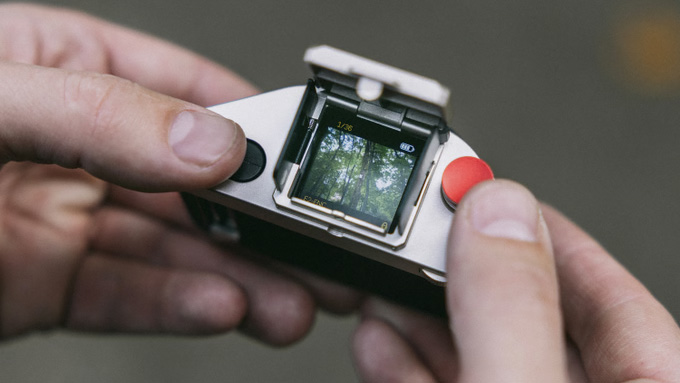
One of the most striking physical attributes of the Campix is its waist-level electronic viewfinder. Rather than looking through a traditional optical window or reviewing images on a rear-facing display, users compose their shots by looking down into a waist-level screen reminiscent of classic medium-format film cameras like the Hasselblad or Rolleiflex. This design fundamentally alters the physical posture of the photographer, encouraging more discreet, candid street photography and a slower, more contemplative approach to framing.

Furthermore, the Campix incorporates a simulated roll restriction, capturing images in set batches of 36 shots to mimic the physical limitation and psychological weight of a standard 35mm film roll. Once a roll is completed, users must wind the physical tactile rewind dial, reinforcing the ritualistic mechanics of analog photography. To aid in low-light scenarios, Fotorgear has also integrated a charming pop-up flash into the compact chassis.
Measuring just 98mm (approximately 3.8 inches) along its longest side, the camera body is constructed from a robust blend of polycarbonate plastic and metal, finished with a sleek titanium coating that exudes durability and premium tactile appeal. Despite its advanced capabilities, the device remains pocketable and lightweight, tailored for everyday carry.
The Smartphone Lens Ecosystem Integration
Perhaps the most disruptive engineering choice in the Fotorgear Campix is its lens compatibility. Known widely for producing high-quality modular lenses for mobile phones, Fotorgear has designed the Campix to accept its existing line of T-mount smartphone lenses.
The camera features a built-in 26mm equivalent lens utilizing a fixed-focus design, meaning the focal point cannot be manually or automatically adjusted. While this fixed-focus mechanism simplifies operation and ensures quick point-and-shoot readiness, it introduces unique technical dynamics when paired with Fotorgear’s external glass attachments. By screwing on specialized T-mount accessories, users can instantly expand the camera’s optical capabilities into macro, telephoto, or anamorphic domains, significantly altering the depth of field and perspective options available from a pocket-sized retro body.
However, industry analysts note that the fixed-focus nature of the built-in 26mm optic may present technical challenges when utilizing specialized add-on lenses, as users will rely entirely on the camera’s inherent depth of field rather than focal tracking.

Connectivity, Processing, and Workflow
While the Campix purposefully restricts real-time playback to preserve the analog experience, modern digital convenience remains integrated beneath the surface. The camera supports Wi-Fi connectivity and features a modern USB-C port for rapid file transfers. Users can connect the Campix to both mobile and desktop companion applications.
Through these applications, photographers can transfer their files, apply custom Look-Up Tables (LUTs), and re-process JPEGs with alternative film-simulation profiles long after the shutter has been clicked. The system also natively supports double exposure photography, allowing creators to blend multiple frames directly within the digital workflow. Fotorgear has demonstrated confidence in the camera’s image quality by releasing an official repository of unedited RAW image samples, though reviewing these files currently requires downloading the dedicated Campix software ecosystem.
Chronology and Kickstarter Crowdfunding Campaign
The development of the Fotorgear Campix represents a strategic pivot for a company historically anchored in the mobile accessories market. Recognizing the explosive growth of the retro digital camera trend—which has seen millions of consumers abandon pristine smartphone lenses in favor of nostalgic, lo-fi aesthetics—Fotorgear conceptualized the Campix to leverage its existing manufacturing supply chain for mobile optics.
To gauge market interest and secure initial production capital, Fotorgear launched the Campix project on Kickstarter. The crowdfunding campaign achieved immediate and resounding success, surpassing its original financial target within hours of going live. This overwhelming response highlights the sustained consumer demand for alternative, screen-free imaging devices.
Retail pricing for the Campix is projected to hover around $209 USD (approximately £158, AU$308, or CA$298) upon its formal commercial launch. Early-bird backers participating in the Kickstarter campaign have been offered tiered discounts of up to 48 percent off retail value, with various pledge bundles including assorted T-mount accessory lenses.
Market Implications and Broader Industry Impact
The introduction of the Fotorgear Campix underscores a broader cultural and industrial shift within consumer electronics. For decades, camera manufacturers competed almost exclusively on technical metrics: higher megapixel counts, faster autofocus tracking, wider dynamic range, and pixel-peeping sharpness. Yet, the runaway success of brands like Camp Snap, Paper Shoot, and now Fotorgear demonstrates that a significant demographic of consumers actively rejects clinical perfection in favor of character, limitation, and mindfulness.
By combining the physical charm of a waist-level finder and a simulated 36-shot film roll with the practical utility of USB-C connectivity and interchangeable mobile lenses, Fotorgear has carved out a distinct niche. The Campix does not attempt to replace professional mirrorless systems or high-end smartphones; instead, it positions itself as a creative toy, a daily journaling tool, and an antidote to digital saturation.
As crowdfunding fulfillment approaches and retail units enter the hands of everyday photographers, the true test of the Campix will lie in how well its fixed-focus architecture handles diverse optical attachments and whether its custom software ecosystem can sustain long-term user engagement. Nevertheless, Fotorgear’s bold experiment signals that the intersection of smartphone modularity and vintage film nostalgia is fertile ground for ongoing photographic innovation.