










The Core of the Controversy: Adaptive Navigation
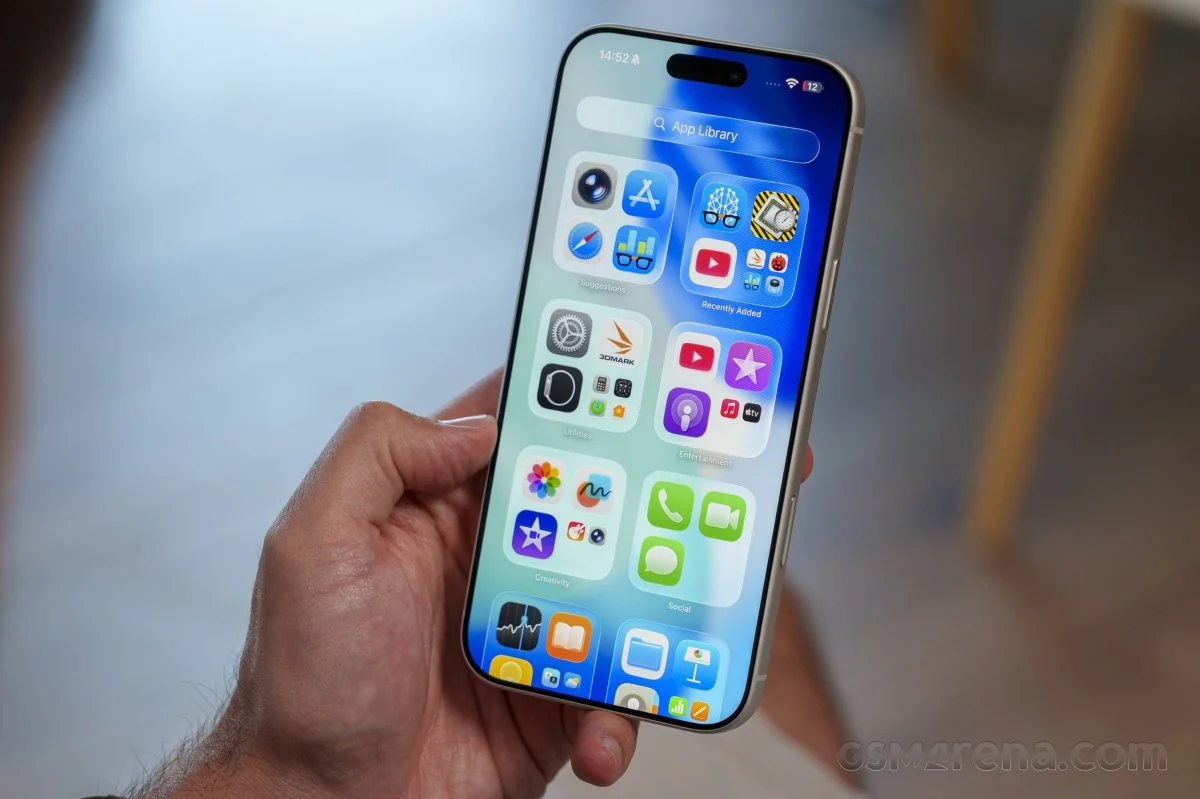
The Apple iPhone Duo has been a subject of significant discourse since its market entry, particularly regarding its proprietary adaptive navigation system. The software architecture forces various UI elements into a persistent vertical sidebar on the edge of the display. While Apple describes this as a "context-aware" tool designed to improve ergonomics, critics and power users have frequently argued that the sidebar consumes a disproportionate amount of usable screen real estate.
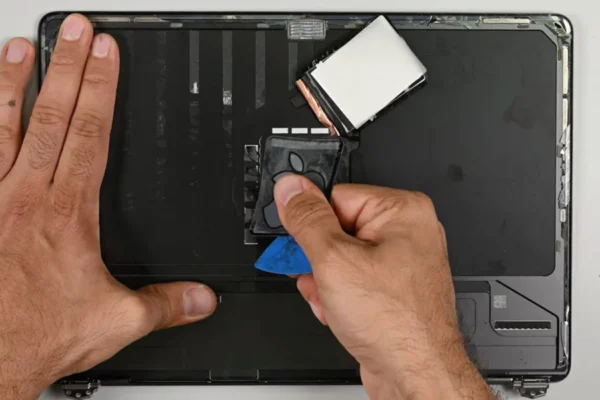
In the foldable smartphone segment, where the primary value proposition is the maximization of display area for productivity, multitasking, and media consumption, any software feature that permanently encroaches upon that space is inherently contentious. Samsung’s advertisement specifically targets this frustration, using the Galaxy Z Fold8 as a benchmark to demonstrate how a cleaner, more immersive interface can utilize the entirety of a display without artificial vertical constraints. By peeling the tape away from the Z Fold8 screen, the ad emphasizes the "unobstructed" nature of the Samsung experience compared to the forced vertical column of the iPhone Duo.

A History of Competitive Advertising
This latest jab is part of a long-standing tradition of competitive marketing between the two tech giants. For over a decade, Samsung has employed a "challenger" strategy, frequently producing commercials that highlight perceived weaknesses in the Apple ecosystem. This history includes campaigns dating back to the early days of the Galaxy S series, which mocked the iPhone’s initial lack of large-screen options, and later, the removal of the 3.5mm headphone jack.
The rivalry reached a new intensity with the advent of foldable technology. Apple’s entry into the foldable market was long anticipated, and the release of the iPhone Duo marked a pivotal shift in the mobile landscape. Samsung, having held a first-mover advantage with its Z Fold line for years, has adopted a defensive marketing posture, aiming to position itself as the "expert" in the foldable form factor. The current campaign serves to reinforce the narrative that Samsung’s software engineering is better optimized for the unique physical dimensions of folding displays.
Comparative Technical Analysis
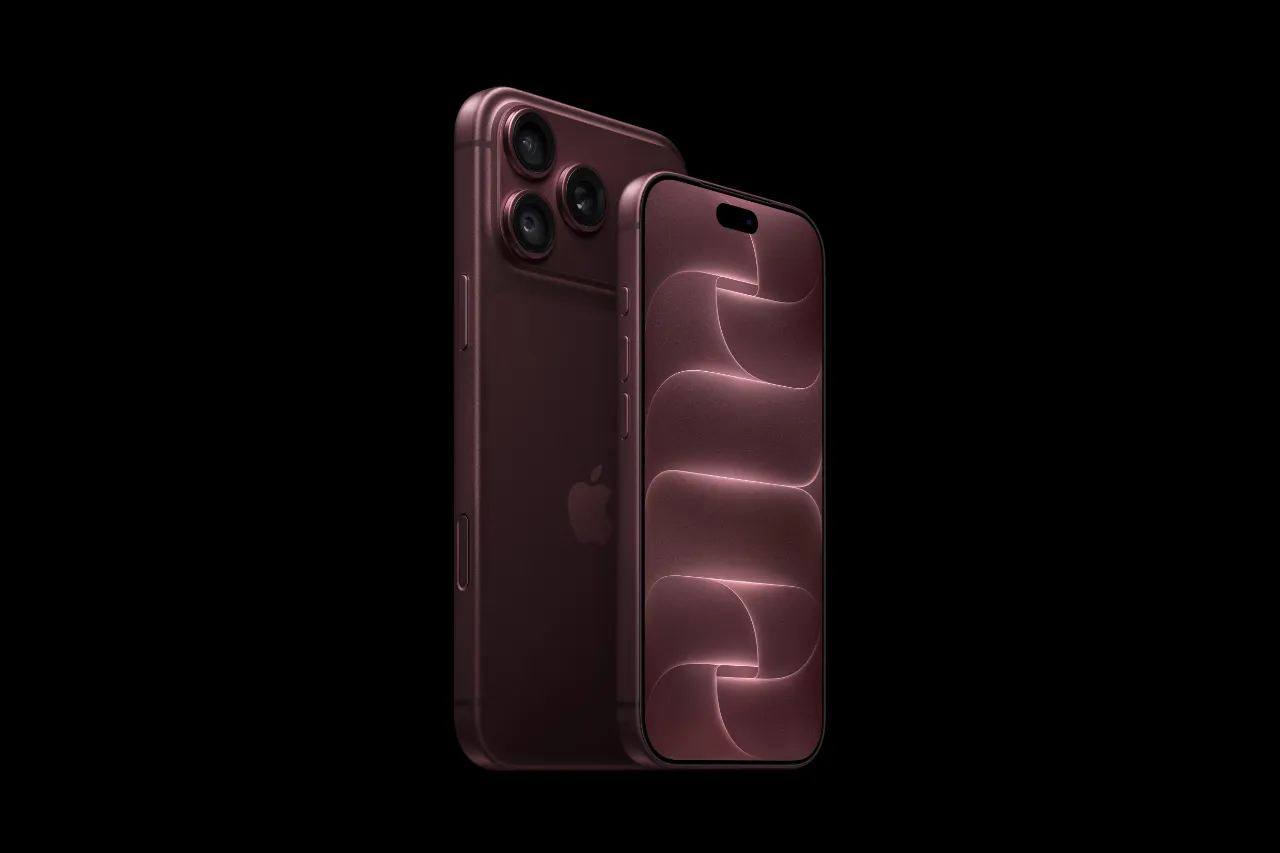
To understand the implications of this ad, one must look at the technical specifications of the devices in question. The iPhone Duo retails at a premium, with the 256GB model starting at approximately €2,299 or £1,999. Its adaptive sidebar is an integrated software component of its proprietary operating system, intended to manage the transition between the cover display and the unfolded main screen.

In contrast, the Samsung Galaxy Z Fold8, which features a more aggressive approach to UI scaling, currently lists its 256GB variant at a significantly lower price point, roughly €1,358 or £1,228.99. The hardware disparity—both in terms of price and the display-to-body ratio—is a central theme of Samsung’s current strategy. By juxtaposing the two, Samsung is not only critiquing the UI design but also questioning the value proposition of the iPhone Duo, implying that consumers are paying a premium for a device that restricts its own functionality through software bottlenecks.
Industry Reactions and Market Response
While official responses from Apple are rare, as the company rarely acknowledges competitor advertisements directly, industry analysts have been vocal about the implications of this campaign. Market research firms have noted that user interface design in foldable devices is currently the "next frontier" for differentiation. As hardware specifications across flagship devices begin to plateau, software-based user experiences are becoming the primary driver for customer loyalty.
Some developers have suggested that the iPhone Duo’s sidebar is a temporary solution to the challenge of "app stretching," where legacy applications are not designed to accommodate the unique aspect ratios of foldable screens. In this context, Apple’s sidebar serves as a container for secondary tasks, preventing the main content from looking distorted. Samsung’s approach, meanwhile, relies on a more robust multitasking suite that allows for flexible window resizing, which some users find more versatile, though it does present a steeper learning curve for the average consumer.

The Broader Impact on the Foldable Segment
The significance of this marketing skirmish extends beyond a mere "brand war." It highlights a critical maturation phase for the foldable smartphone market. We are moving away from the "novelty" phase of foldable technology, where simply having a flexible screen was enough to attract buyers, and entering a "utility" phase. In this new era, companies must prove that their devices offer genuine, everyday advantages over traditional slab-style smartphones.
If Samsung’s critique of the iPhone Duo gains traction with consumers, it could force a shift in how Apple approaches its next iteration of foldable software. Historically, Apple has been known to iterate on its UI based on public feedback, even if it does so at a slower pace than its competitors. Should the "sidebar" be deemed a failure by the broader user base, it is likely that future software updates—or a subsequent hardware release—will see a more seamless integration of content, perhaps borrowing elements from the cleaner interface that Samsung is currently championing.
Timeline of the Foldable Evolution
- Early 2019: The first generation of commercial foldable devices is introduced, establishing the "cover screen vs. inner screen" paradigm.
- 2021-2023: Samsung refines its multitasking UI, focusing on the taskbar and split-screen functionality.
- 2025: Apple releases the iPhone Duo, introducing the adaptive sidebar navigation as a primary UI feature.
- Late 2026: Samsung launches the Galaxy Z Fold8, accompanied by a marketing campaign specifically targeting the UI limitations of competitors.
Implications for Future Design
The ongoing debate over the iPhone Duo’s sidebar versus the Galaxy Z Fold8’s interface highlights a divergence in design philosophy. Apple’s design language prioritizes consistency and ease of use, even at the cost of screen real estate. Samsung’s philosophy prioritizes power-user flexibility and maximizing every pixel, even if it introduces complexity.

As the market continues to grow, the success of these respective strategies will be measured by retention rates and consumer satisfaction scores. If users find themselves constantly fighting the software to get their work done—as Samsung’s ad suggests—then the "adaptive" nature of the Apple interface may be rebranded as "restrictive." Conversely, if Samsung’s interface is perceived as too complex for the casual user, it may fail to gain widespread adoption outside of the enthusiast demographic.
Conclusion: The War for the User Experience
Ultimately, Samsung’s latest ad is a calculated attempt to frame the conversation around the "user experience" rather than just the hardware. By physically demonstrating the obstruction caused by the sidebar, they have moved the goalposts of the debate. Whether this tactic will impact the market share of the iPhone Duo remains to be seen, but it has certainly forced a spotlight on the software limitations of foldable devices.
For the consumer, the takeaway is clear: the hardware wars are effectively over, and the war for the user experience has begun. As both companies continue to refine their respective platforms, the pressure to deliver a device that is as intuitive as it is powerful will only increase. For now, the "black tape" incident stands as a symbol of a broader, high-stakes competition to define what a foldable smartphone should be in the modern era. The industry will be watching closely to see if Apple decides to adjust its UI path in the coming cycles or if it will double down on its current design, banking on the belief that its users prefer a structured, consistent experience over the absolute maximization of screen space.