







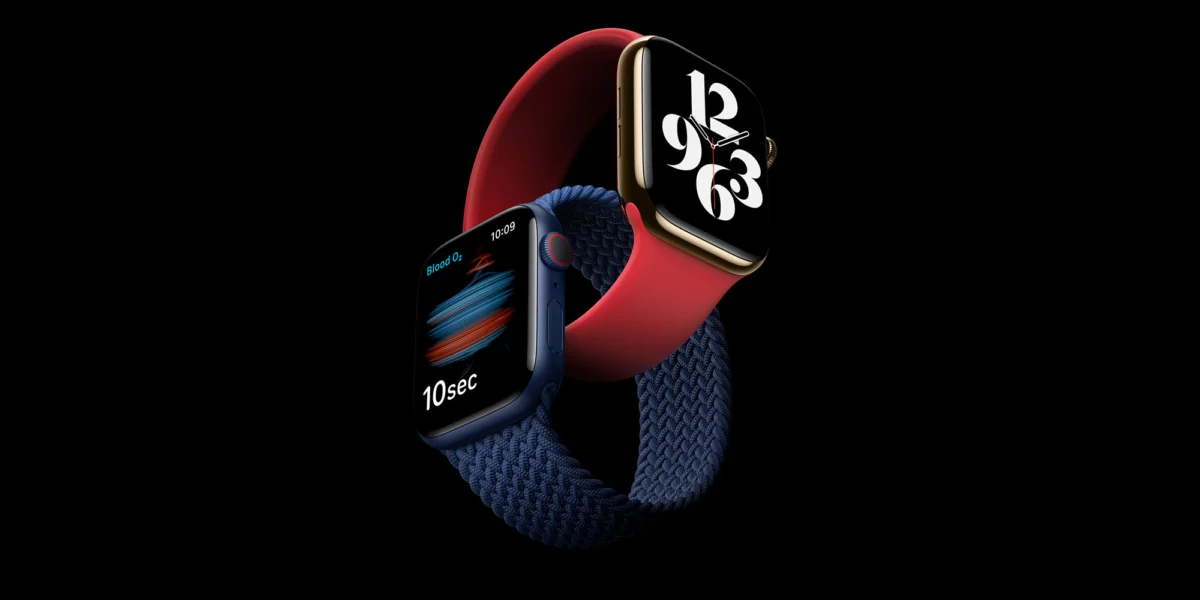
The ongoing legal confrontation between consumer electronics giant Apple Inc. and medical technology firm Masimo Corporation has reached a new financial milestone, with a federal judge ordering Apple to pay an additional $184 million in interest related to a previous patent infringement verdict. This development follows a high-profile legal battle centered on the pulse oximetry technology integrated into various Apple Watch models, a dispute that has significantly impacted both the product’s feature set and the company’s bottom line.
The Financial Expansion of the Patent Dispute
The latest ruling from U.S. District Judge James V. Selna arrives approximately one year after an initial jury verdict found that Apple had infringed upon Masimo’s patented technology for low-power pulse oximetry. The original judgment, which imposed a substantial $634 million in damages, was intended to compensate Masimo for the royalty fees Apple should have paid for the licensed use of its technology.
Apple had aggressively contested the additional interest, arguing before the court that such an award would function as a windfall for the plaintiff. However, Judge Selna dismissed this contention, relying on U.S. Supreme Court precedent. The court maintained that interest accrued from the date that royalty payments would have been received is a standard judicial mechanism to "make the patent owner whole."
While Masimo had requested an interest rate of 7%, the court opted for a more conservative calculation. Judge Selna determined that the interest should be indexed to the rate Masimo pays on its own debt. Despite this adjustment, the cumulative effect of annual compounding pushed the additional liability to the $184 million mark, underscoring the high stakes involved in patent litigation for hardware manufacturers.
Chronology of the Conflict
The friction between Apple and Masimo is not a recent phenomenon; it represents the culmination of years of corporate maneuvering and legal friction.
- January 2020: Masimo filed its initial lawsuit against Apple, alleging that the tech giant had stolen trade secrets and infringed on patents related to blood oxygen monitoring technology.
- October 2022: The International Trade Commission (ITC) launched an investigation into whether Apple’s imports of certain Apple Watch models violated Masimo’s intellectual property rights.
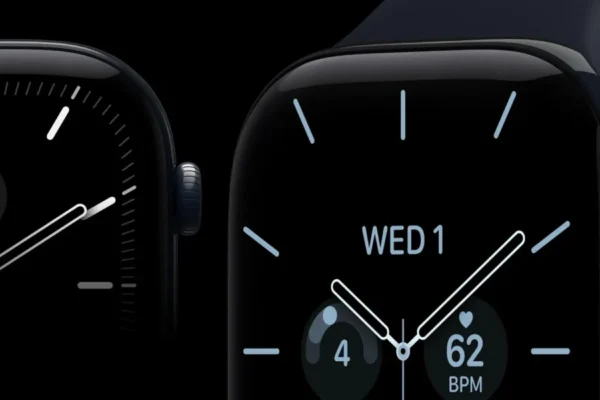
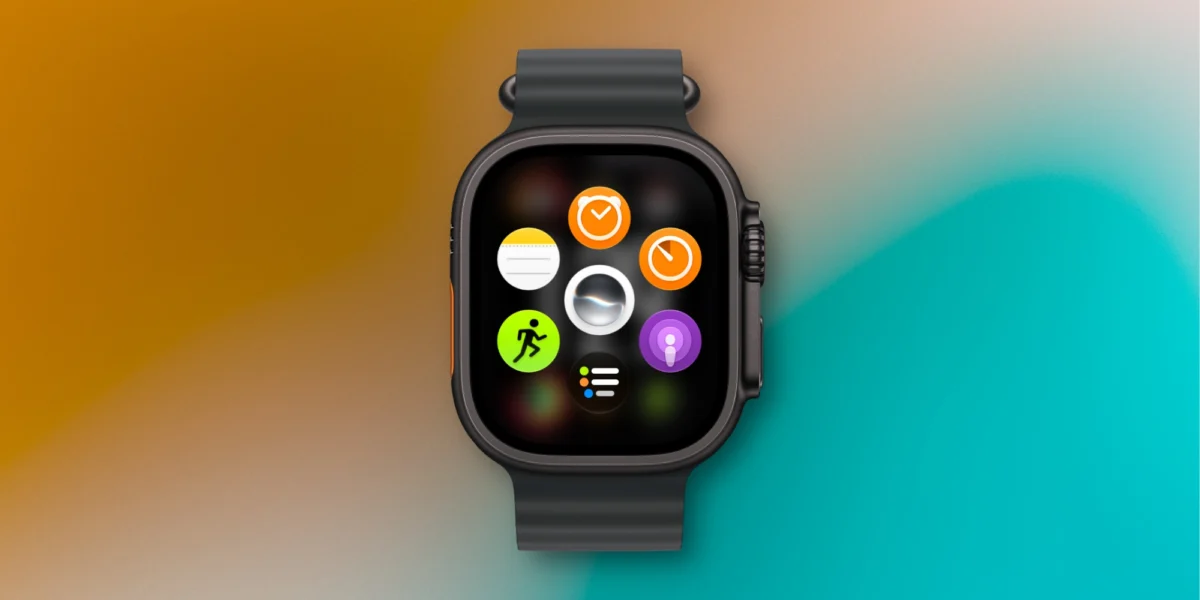
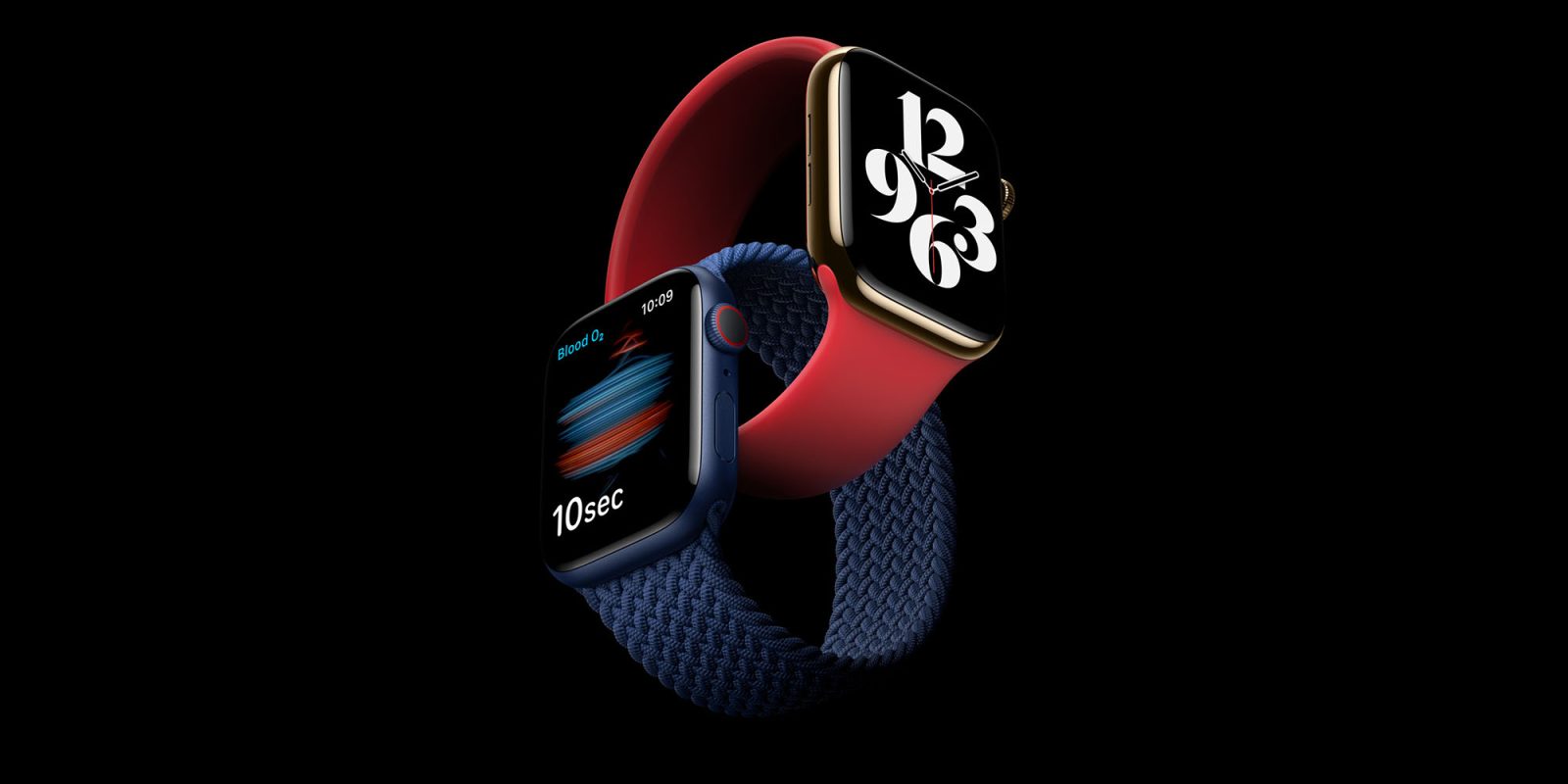
- December 2023: In a significant blow to Apple’s retail operations, the ITC issued an exclusion order. This forced Apple to briefly halt sales of the Apple Watch Series 9 and Apple Watch Ultra 2 in the United States, as these devices utilized the disputed pulse oximetry hardware.
- 2024: Apple attempted to navigate the legal landscape by implementing a software workaround, redesigning the blood oxygen feature to effectively "disable" the specific patented functions that the ITC found problematic.
- August 2025: Apple successfully reintroduced a modified version of the blood oxygen monitoring feature in the U.S. market, having satisfied the regulatory requirements imposed by the ITC through its redesigned approach.
- October 2026: The federal court finalized the interest payment, increasing the total liability Apple faces as a result of the original infringement findings.
Technical Context and Patent Scope
At the heart of the dispute is the mechanism by which wearable devices estimate blood oxygen saturation (SpO2). Pulse oximetry typically requires the transmission of light through the skin to measure how much is absorbed by oxygenated versus deoxygenated blood. Masimo, a leader in hospital-grade patient monitoring, holds extensive patents regarding the efficient transmission of this data while preserving battery life—a critical requirement for a device as small as an Apple Watch.
The court found that Apple’s integration of this technology failed to respect the boundaries of Masimo’s intellectual property. By utilizing a "power-efficient" approach that allegedly mimicked Masimo’s proprietary methodology, Apple bypassed the standard licensing agreements that would typically govern such an integration. This led to the court-ordered damages, which were calculated based on the lost licensing revenue Masimo suffered during the period of infringement.
Official Perspectives and Market Implications
Apple has consistently maintained that its health-monitoring features were developed independently and that the allegations made by Masimo are without merit. Throughout the litigation, Apple’s legal counsel emphasized the company’s commitment to innovation and suggested that the patent claims were an attempt by Masimo to leverage the legal system to secure a payout from a more successful market competitor.
Conversely, Masimo has framed the victory as a defense of the fundamental rights of inventors. Joe Kiani, the former CEO of Masimo, has been vocal about the importance of protecting medical technology intellectual property from larger corporations that might otherwise appropriate innovations without due compensation. For Masimo, this is not merely a financial gain but a precedent-setting moment that affirms the value of their specialized research and development.

Broader Economic and Industry Impact
The outcome of this case carries broader implications for the "wearables" market. As major tech companies like Apple, Google, and Samsung continue to pivot toward health-centric features—including heart rate variability, blood pressure monitoring, and blood glucose tracking—the scrutiny surrounding their underlying patents is intensifying.
Legal analysts suggest that this case serves as a warning to tech giants that they must perform rigorous "freedom to operate" analyses before integrating sophisticated medical sensors into consumer devices. The cost of failing to clear these legal hurdles can be astronomical, as evidenced by the combined $800 million-plus liability Apple now faces.
Furthermore, this case has highlighted the power of the International Trade Commission in the modern technology era. By leveraging the threat of an import ban, Masimo was able to force a major shift in Apple’s product roadmap, compelling the company to alter software or hardware architecture on a global scale. This "chilling effect" on product features is becoming a common tactic in high-stakes intellectual property wars.
Future Outlook
While Apple continues to challenge various aspects of the litigation through appeals, the financial weight of the $184 million interest payment creates immediate pressure. For the average consumer, the most significant takeaway is that the features they use on their wrists are subject to a complex, evolving web of legal ownership.
The conclusion of this phase of the litigation does not necessarily mean the end of the conflict. Patent disputes in the medical-technology sector are notoriously long-lived, and both parties have indicated a willingness to continue fighting in higher courts. As the legal fees mount for both sides, industry observers will be watching to see if this leads to more robust cross-licensing agreements or if it will embolden smaller tech firms to more aggressively challenge the encroachment of Big Tech into the healthcare space.

For now, Apple remains the dominant force in the smartwatch market, yet its ability to iterate on health-monitoring features will remain constrained by the need to navigate the intellectual property landscape established by the court. The $184 million penalty serves as a stark reminder that in the race to provide health insights to the masses, the price of innovation includes not just the engineering costs, but the significant, and often unpredictable, cost of legal compliance.
As the technology sector matures, the integration of clinical-grade sensors into consumer electronics will likely continue to be a fertile ground for litigation. Whether these disputes will ultimately lead to a more collaborative licensing environment or further defensive litigation remains to be seen, but the Masimo-Apple saga will undoubtedly remain a cornerstone case study in corporate law and technology strategy for years to come.