




The global personal electric vehicle market has matured significantly, shifting from a niche novelty into a critical pillar of urban and suburban mobility. As manufacturing efficiencies scale and regulatory frameworks tighten around battery safety and motor classifications, consumers are met with an unprecedented array of choices. To navigate this expansive landscape, exhaustive, real-world evaluations remain essential for separating marketing claims from mechanical reliability. Following extensive testing encompassing thousands of miles across diverse topographies—ranging from dense metropolitan commutes to rugged backcountry trails—industry experts have synthesized comprehensive data to establish the definitive electric bicycle buyer guide for late 2026.

This comprehensive overview categorizes top-performing models by price tiers, evaluating foundational architecture, component quality, motor performance, and overall cost-to-value ratios. Whether shoppers require an ultra-portable micro-mobility solution, a heavy-duty cargo hauler capable of replacing a secondary family automobile, or an elite carbon-fiber road machine, the current market delivers advanced engineering at increasingly accessible price points.

Economic Pressures and Market Maturation Under $1,000
The sub-$1,000 electric bicycle segment represents a critical gateway for mainstream adoption. Historically, manufacturers operating within this strict financial constraint were forced to compromise structural integrity, battery longevity, or electrical safety. However, advancements in supply chain management and standardized 48-volt architectures have elevated the baseline expectations for budget-conscious buyers.

Leading this category is the Lectric XP Lite 3.0, retailing at approximately $799. Unlike standard entry-level models that rely on weaker 36-volt systems, the XP Lite 3.0 utilizes a robust 48-volt electrical framework, delivering enhanced acceleration on flat and moderately inclined terrain. Weighing considerably less than full-sized fat-tire counterparts, this folding Class 2 e-bike features hydraulic disc brakes, a color LCD screen, and optional upgrades including a Gates carbon belt drive.
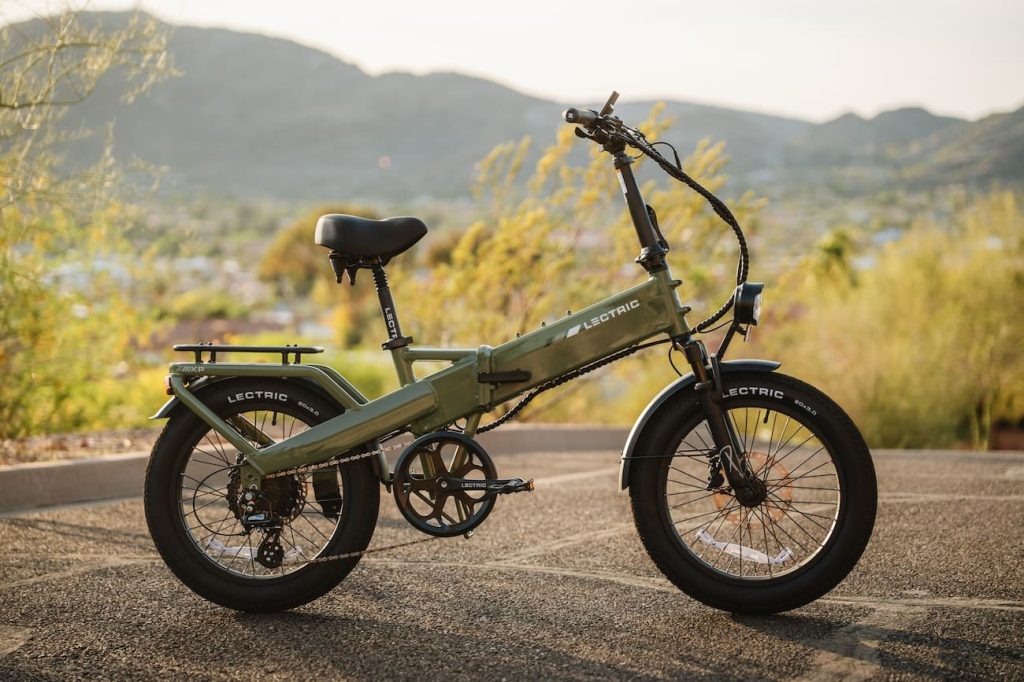
For riders seeking maximum utility without breaching the four-figure threshold, the Lectric XP4 remains the dominant volume seller in North America. Priced around $999 for the standard range variant and $1,299 for the extended-range 750W iteration, the XP4 incorporates a torque sensor for intuitive pedal assistance, an 8-speed transmission, and a modern TFT color display. Competing directly in this space, the Ride1Up Portola 02 and Portola 02 Lite introduce aggressive pricing starting at $895, offering Class 3 performance capabilities of up to 28 mph (45 km/h) alongside hydraulic braking and integrated frame structures.

Expanding Horizons: Mid-Tier Performance From $1,000 to $2,000
Surpassing the $1,000 mark unlocks specialized engineering disciplines, including lightweight commuting platforms, modular cargo carriers, and full-suspension trail bikes.

In the micro-mobility sector, the JackRabbit OG2 ($1,249) bridges the gap between traditional bicycles and electric scooters. By eliminating pedals in favor of foot pegs while retaining 20-inch wheels and bicycle geometry, the OG2 achieves an ultra-lightweight footprint of just 25 pounds (11.3 kg), appealing to commuters navigating multi-modal transit systems.

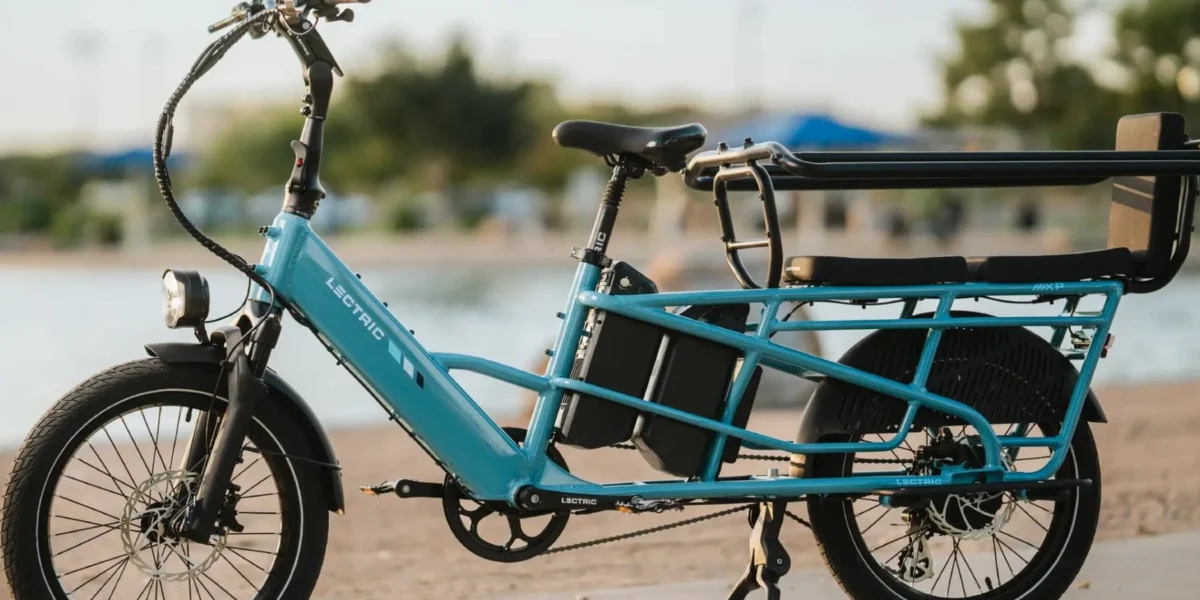
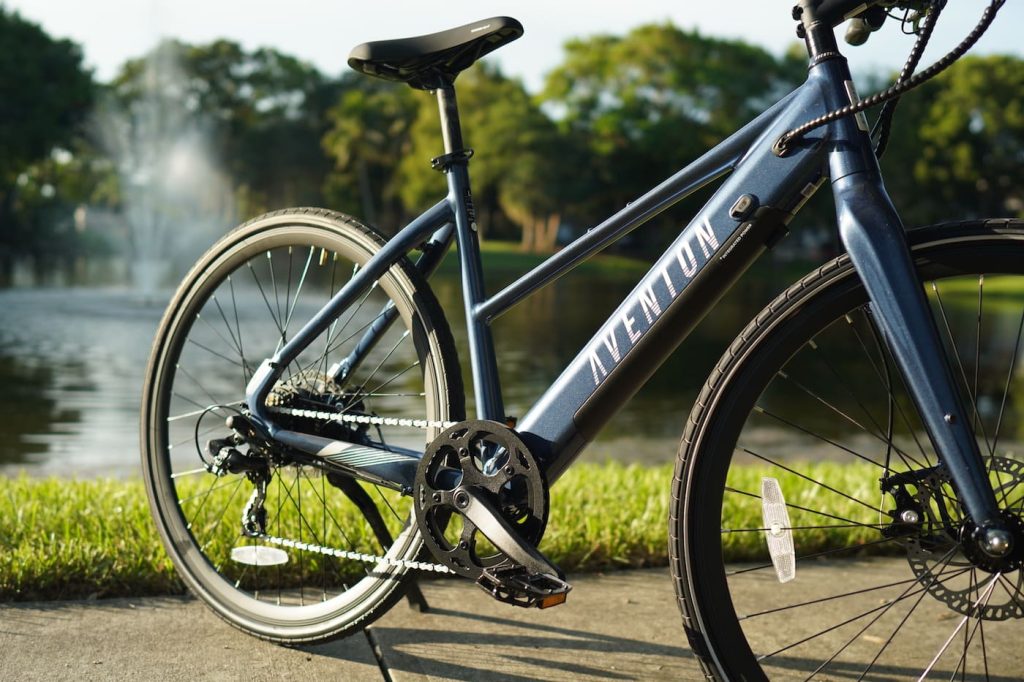
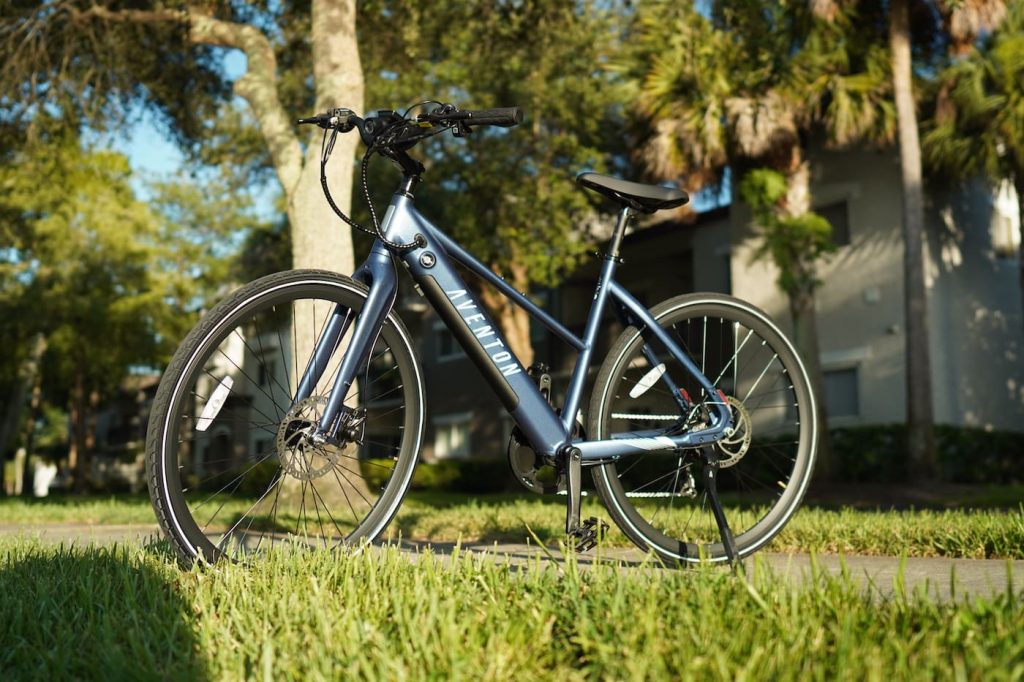
For cargo and utility applications, the Lectric XPedition 2.0 ($1,399) redefines heavy-hauling economics. Equipped with a high-capacity payload structure, dual-battery expandability, and torque-sensing pedal assist, it brings commercial-grade transport capabilities to residential consumers. Concurrently, the Heybike Ranger 3.0 Pro and Aventon Soltera.2 cater to folded comfort and sleek urban commuting, respectively, emphasizing integrated lighting systems and proprietary smartphone application telemetry.
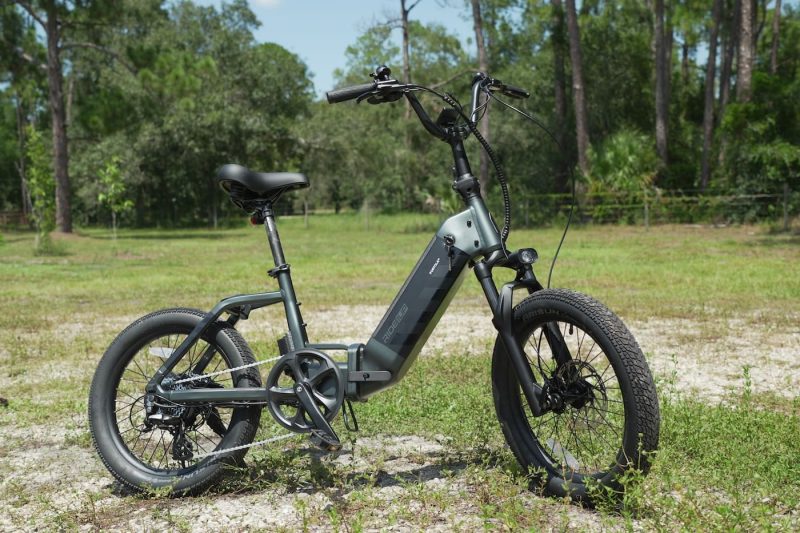
Mid-drive motor technology—historically reserved for premium, bike-shop-exclusive brands—has also penetrated this bracket. The Ride1Up Prodigy V2 Eco ($2,295) incorporates a German-engineered Brose mid-drive motor producing 90 Nm of torque, offering high-end hill-climbing performance traditionally associated with vehicles priced thousands of dollars higher. Similarly, the Ride1Up Vorsa acts as an SUV-styled utility platform, delivering up to 1,400 watts of peak power output and a 440-pound total payload capacity for $1,695.

Serious Engineering: Premium Models From $2,000 to $3,500
Entering the $2,000 to $3,500 range shifts the consumer focus toward specialized performance metrics, high-end component groups, and advanced drivetrain integrations.

Mountain biking enthusiasts find exceptional value in the Ride1Up TrailRush ($2,095), which pairs a whisper-quiet Brose mid-drive motor with a RockShox Judy Silver TK Air Fork, Maxxis Minion tires, and Tektro Orion quad-piston hydraulic brakes. For urban cyclists prioritizing low-maintenance operation, the Priority Current Plus ($3,299) features an internally geared rear hub paired with a Gates carbon belt drive, a powerful mid-drive motor generating 140 Nm of torque, and an integrated throttle system.

Performance-oriented road and gravel riders are increasingly adopting carbon-fiber frames. The Ride1Up CF Racer1 ($2,295) utilizes a lightweight carbon composite frame weighing under 29 pounds, providing an aerodynamic profile designed to augment human pedaling efficiency rather than rely heavily on throttle-only propulsion. Meanwhile, high-power moped-style platforms such as the Ride1Up REVV1 FS ($2,395) and the Ariel Rider Grizzly ($3,299) offer dual-motor all-wheel-drive configurations, full-suspension architecture, and top speeds reaching into the mid-30 mph range for off-road or private property applications.
Uncompromised Craftsmanship: Elite E-Bikes Above $3,500
At the apex of the market, e-bikes cross the threshold from recreational equipment into legitimate automotive replacements and precision athletic instruments.
Tern Bicycles continues to dominate the premium utility sector with the Tern GSD and HSD series. Designed explicitly to substitute for secondary family vehicles, these long-tail and mid-tail cargo systems incorporate automotive-grade testing standards, integrated electronic locks, heavy-duty hydraulic disc brakes, and Bosch mid-drive systems capable of hauling multiple children and heavy cargo loads safely.

In the automated transmission category, the Priority Skyline introduces Pinion’s 12-speed intelligent gearbox. This system automatically manages gear ratios based on rider cadence and personalized preferences, eliminating manual shifting maintenance while pairing with a robust rear hub motor and a carbon belt drive.

At the absolute ceiling of the folding and mountain bike sectors, engineering masterpieces like the GoCycle G4i+ ($6,999)—conceived by a former McLaren automotive engineer—utilize aerospace-grade carbon fiber, single-sided wheel mountings, and completely enclosed drivetrains to deliver elite portability. Similarly, the FREY EX Pro provides aggressive 1,500-watt mid-drive power paired with dual-battery configurations and downhill-rated suspension components for extreme off-road exploration.

Industry Implications and Future Outlook
The diversification of the 2026 e-bike market underscores a broader societal shift toward sustainable, micro-mobility infrastructure. Regulatory bodies are increasingly enforcing stringent electrical certifications—such as UL 2849 standards for battery management systems—compelling manufacturers to prioritize safety alongside performance. As direct-to-consumer brands continue to integrate high-end component groups like Shimano CUES, Brose mid-drives, and Pinion gearboxes into lower price tiers, the historical price-to-performance gap between boutique bicycle shops and direct-to-consumer platforms is rapidly narrowing.

Industry analysts project that continued technological refinement in battery energy density and automated shifting will further accelerate e-bike adoption across municipal commuting lanes and commercial delivery sectors alike. Consumers evaluating potential purchases are advised to assess their specific topographical requirements, daily mileage needs, and local infrastructure before selecting a platform, ensuring long-term satisfaction and utility from their investment.