









A Legacy of Connectivity: Eight Years of IoT Evolution
Launched during a period when the "Internet of Things" was transitioning from a buzzword to a tangible consumer reality, the podcast established itself as a bellwether for the industry. In 2016, when the show began its full-time production schedule, the smart home landscape was fragmented, characterized by incompatible protocols, unreliable connectivity, and a lack of unified security standards. Over the following 437 episodes, the program documented the rise of voice assistants, the consolidation of smart home platforms, and the complex, often arduous journey toward the implementation of the Matter standard.
The transition from 2016 to 2023 saw the IoT market shift from experimental tinkering to mainstream adoption. According to data from Statista, the global smart home market size reached approximately $120 billion in 2023, a significant increase from the nascent stages of the industry nearly a decade ago. The podcast tracked this trajectory, providing listeners with technical breakdowns of Z-Wave versus Zigbee, the implications of cloud-dependent ecosystems, and the eventual industry-wide pivot toward interoperability.
The State of the Industry: A Final Analysis
In its valedictory episode, the show hosted Jennifer Pattison Tuohy, a veteran technology journalist from The Verge known for her hands-on testing and deep-dive analysis into the smart home ecosystem. Her appearance served as a synthesis of the show’s mission: to move beyond superficial product reviews and address the systemic challenges facing the industry.
Tuohy discussed the current status of the Matter standard—a royalty-free connectivity protocol designed to ensure that devices from different manufacturers can communicate seamlessly. While Matter represents a monumental shift for the industry, the conversation underscored that the "complete smart home" remains a work in progress. Infrastructure, rather than individual devices, is now the primary focus for manufacturers. The consensus reached during this final dialogue was that the future of the smart home lies not in the acquisition of more gadgets, but in the reliability and stability of the underlying network architecture.
Navigating the Information Landscape: A Curated Resource Guide
Acknowledging the void left by its departure, the podcast producers compiled a comprehensive list of resources for those tracking IoT developments. This curated list serves as a testament to the growth of the tech journalism beat, which has evolved alongside the industry it covers.
Recommended Podcasts for Continued Insight
For those seeking continued audio coverage, the industry remains supported by specialized outlets. The Mr. Beacon Show continues to offer perspectives on Bluetooth and location technologies, while The IoT Podcast remains a staple for broader industry trends. These shows represent the remaining pillars of a media ecosystem that has grown increasingly niche as the technology itself has become more specialized.
Essential Reading for Industry Professionals
The shift toward digital literacy in the IoT space is supported by several key publications:
- Consumer and General Tech: The Verge and TechHive provide balanced reviews and news on smart home integration.
- Niche and Technical: The Ambient focuses specifically on the smart home lifestyle, while the Journal of Innovation, published by the Industrial IoT Consortium, provides rigorous, research-based analysis for enterprise and industrial applications.
- Industrial IoT: For those monitoring the intersection of manufacturing and connectivity, the reporting of James Blackman at RCR Wireless remains a standard for tracking the development of 5G, edge computing, and industrial sensors.
- Market Analysis and Investment: For listeners interested in the financial underpinnings of the sector, the Axios Pro Rata newsletter, authored by Dan Primack, provides necessary context regarding mergers, acquisitions, and venture capital movements. Furthermore, the newsletter Target is New, written by Iskander Smit, is recommended for its thoughtful, design-centric approach to the convergence of AI and IoT.
The Future of the Smart Home: Infrastructure vs. Innovation
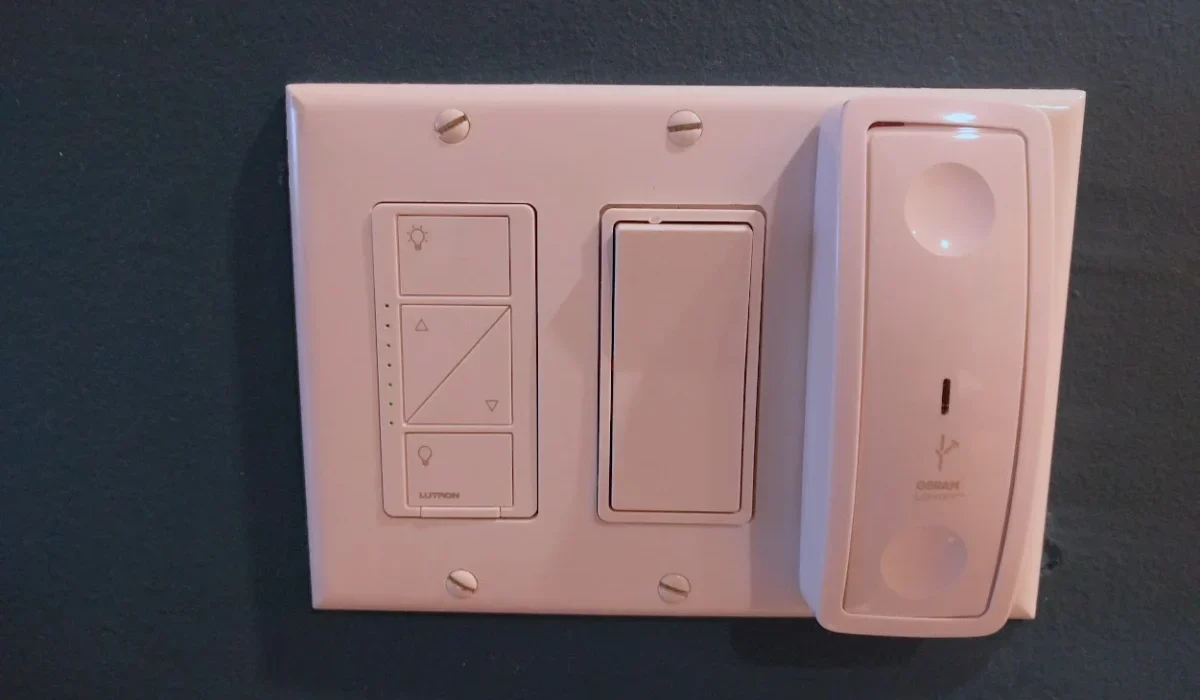
The concluding segment of the podcast focused on the listener’s query regarding the definition of a "complete" smart home. The discussion moved away from the 2016-era fascination with "smart" light switches and towards the modern requirement for robust, invisible infrastructure.
The industry is currently transitioning from a "device-first" mentality to an "infrastructure-first" philosophy. Historically, consumers were encouraged to buy smart plugs, individual sensors, and standalone cameras. The current trend, as evidenced by manufacturers like Leviton, is moving toward integrated smart circuit breakers and whole-home energy management systems. This shift implies that the "smart home" of the future will be defined by its ability to manage energy, security, and data at the electrical panel level, rather than at the individual device level.
Implications for the Tech Media Landscape
The end of this particular podcast series serves as a case study in the lifecycle of niche technology media. When the show began, the challenge was explaining why a consumer would want a connected home. Today, the challenge is managing the complexity of dozens of connected devices, ensuring security, and navigating the nuances of data privacy.
The departure of this program indicates that the "early adopter" phase of the smart home is effectively over. The market has reached a level of saturation where the focus is no longer on discovery, but on consolidation. The industry, and the media that covers it, is shifting from an era of "what is this?" to "how do we maintain this?"
Conclusion: Looking Ahead
As the industry pivots toward the integration of generative AI and more sophisticated edge computing, the need for high-quality, objective reporting remains critical. While this specific voice will no longer be part of the discourse, the resources identified by the hosts provide a path forward for professionals and enthusiasts alike. The legacy of the show lies in its commitment to transparency—often demonstrated by the hosts’ own messy, real-world, and non-matching smart home setups—which provided a refreshing contrast to the polished marketing narratives often presented by technology manufacturers.
The final episode concludes not with a roadmap for a specific brand or protocol, but with an emphasis on the human element of technology. As the IoT matures, the ultimate goal of the industry—and the measure of its success—will be whether these technologies fade into the background, providing utility and efficiency without demanding constant maintenance or technical expertise from the end user. This transition from "novelty" to "utility" is the ultimate milestone of the last eight years, and it is the standard by which the next generation of industry observers will likely measure their progress.