










In the digital forums, chat rooms, and specialized marketplaces dedicated to consumer gear, two metrics consistently command the discourse: monetary cost and functional performance. Enthusiasts and casual buyers alike habitually interrogate their purchases through a purely utilitarian lens. How much capital was required to acquire the item? Did it deliver a satisfactory return on investment? How effectively did it execute its intended physical operation?
While these baseline inquiries remain fundamental to evaluating utility, they fail to capture the holistic footprint of material goods within human life. Consumers routinely retain battered, worn-out luggage long after technically superior alternatives enter the market, and individuals frequently report a measurable psychological uplift—an intrinsic sense of confidence and poise—simply by donning a favored jacket. Empirical investigation into consumer behavior, cognitive science, and sociology indicates that material possessions routinely fulfill complex emotional, narrative, and social functions that traditional review rubrics completely overlook. Examining these hidden dimensions provides a far more comprehensive explanation for why individuals form deep, lifelong attachments to specific objects, transcending the superficial boundaries of price tags and technical specifications.
The Tripartite Framework of Object Interaction
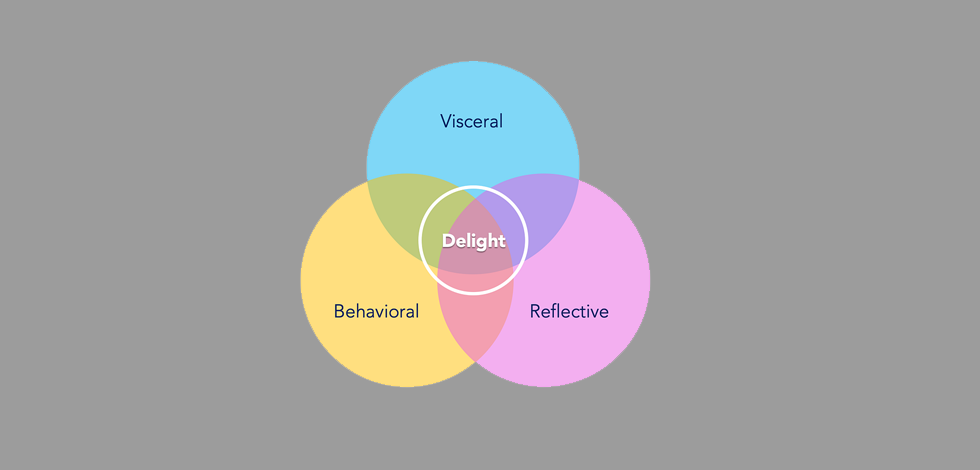
To understand the multifaceted relationship between humans and material objects, cognitive scientist Don Norman established a foundational model in his seminal 2004 text, Emotional Design. Norman argued that human reactions to manufactured things operate across three distinct cognitive tiers, each influencing how an individual perceives and values a possession.
The first tier is the visceral level, representing an immediate, subconscious gut reaction. This encompasses raw aesthetics, tactile feedback, emotional resonance, and the primal impulse to physically interact with an object. The second tier is the behavioral level, which corresponds directly to traditional utility and performance—whether a tool accomplishes its designated task and the efficiency with which it does so. The third and final tier is the reflective level, wherein objects acquire deep symbolic meaning, becoming repositories for personal memories, identity construction, and life narratives.
Marketplace discussions and product reviews overwhelmingly concentrate on the second level. Performance metrics and pricing structures lend themselves easily to objective quantification, comparative tables, and analytical debate. Conversely, visceral and reflective dimensions resist neat statistical tabulation, leading to their systemic exclusion from standard product evaluations. Yet, these subjective domains largely dictate consumer loyalty and long-term satisfaction.
Visceral Resonance and Tactile Psychology
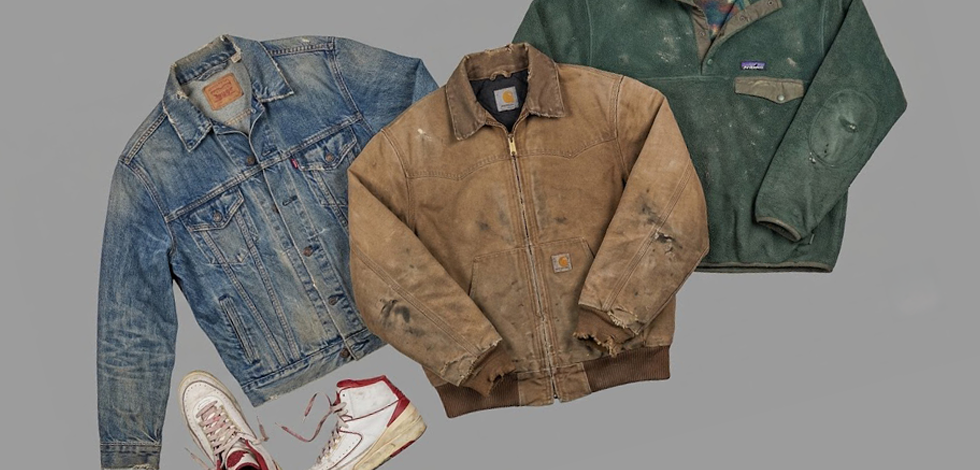
The emotional connection between human and object often begins before conscious cognitive processing occurs. When an individual handles a bag crafted from premium materials—such as high-grade ballistic nylon, full-grain leather, or heavy-duty waxed cotton—a sensory exchange takes place instantaneously.
Scientific inquiry into tactile perception underscores the economic and psychological significance of physical contact. A foundational 2009 study by marketing researchers Joann Peck and Suzanne Shu demonstrated that mere physical touch significantly increases an individual’s psychological sense of ownership—a phenomenon known in behavioral economics as the endowment effect. Furthermore, the pleasantness of tactile feedback directly influences how much monetary value a consumer assigns to an item. The human hand establishes a relationship with an object long before the analytical mind evaluates its utility.
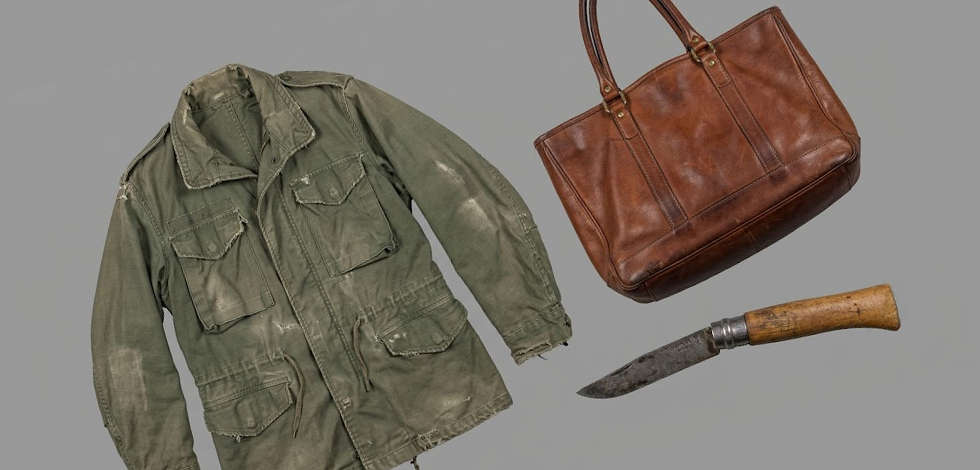
This phenomenon extends to apparel and personal carry items designed to alter self-perception. Anequity of experience exists among consumers who own a specific garment—be it a broken-in pair of denim jeans or a rugged field jacket—that elicits a distinct surge in personal confidence. Sociologist and consumer researcher Russell Belk theorized in 1988 that material possessions effectively function as an "extended self," whereby individuals integrate external objects into their core identity and self-image. Consequently, wearing specialized garments, such as military-spec field jackets or alpine shell wear in urban environments, serves an expressive psychological function, allowing individuals to project aspirational identities and internal narratives onto the external world.
Materiality, Memory, and the Psychology of Essentialism
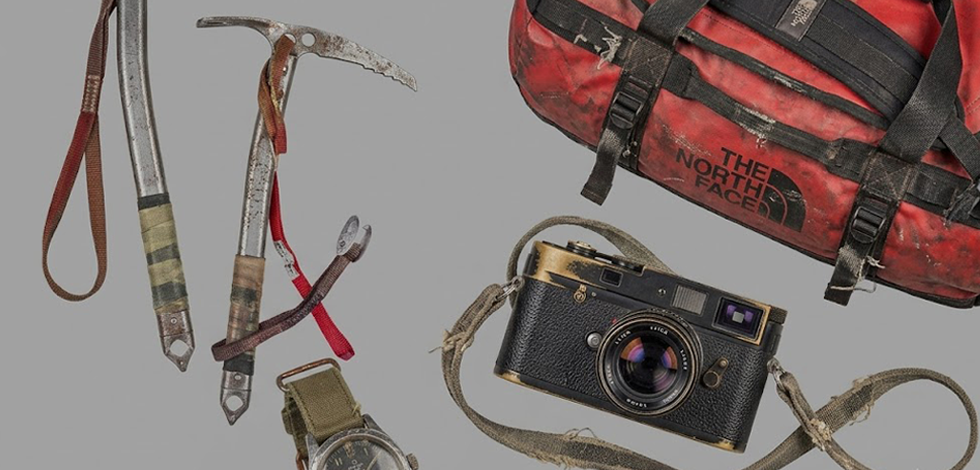
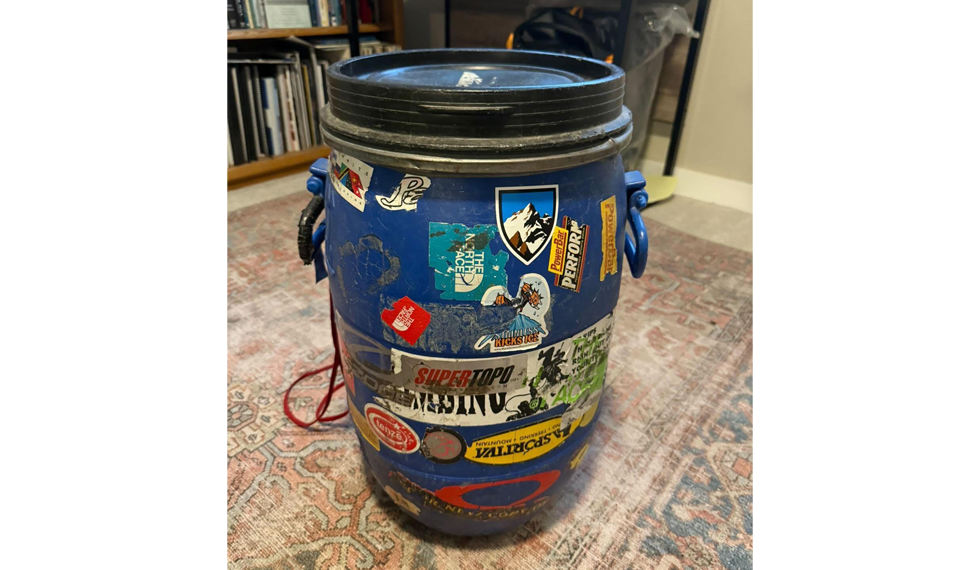
Beyond immediate sensory feedback, objects frequently serve as physical archives for human experience. A striking thought experiment highlights this dynamic: consider an identical industrial expedition drum, manufactured from heavy-duty polymer, sitting pristine on a retail shelf versus the exact same model carried by elite mountaineer Conrad Anker across remote high-altitude expeditions since the 1990s. Chemically and structurally, the objects are indistinguishable. Functionally, they perform the same physical containment duties. However, the expedition-worn drum is inextricably linked with extreme environmental conditions, physical exertion, and historical ascents.
Yale psychologist Paul Bloom explores this cognitive tendency in his 2010 book, How Pleasure Works, designating it as psychological essentialism. Bloom asserts that human satisfaction derived from material goods is profoundly shaped by beliefs regarding an object’s provenance, history, and lineage, rather than its purely physical attributes. The physical item itself remains unaltered, but the narrative attached to it transforms its subjective value entirely.
This intersection of gear and memory is vividly illustrated by elite outdoor practitioners. In documentation compiled by adventure journalism outlets, alpine climber Renan Ozturk noted that he continues to rely on a specific pair of technical climbing trousers acquired in 2010, despite the garment requiring approximately ten fabric patches annually. Ozturk cites both superior ergonomic fit and the accumulation of shared memories as the primary drivers for retaining the gear, observing that frequently utilized equipment gradually assumes the psychological role of a talisman.
Similarly, legendary mountaineer Conrad Anker famously preserved a portaledge pole that fractured during a grueling 2007 expedition on Meru Peak. Following a field repair to complete the climb, Anker engraved the artifact with the inscription "Meru 2007" and retired it to his garden as a testament to systemic failure transformed into a lifelong commemorative artifact. Professional climber Melissa Arnot, despite identifying as a pragmatic realist, maintains a consistent ritual of carrying a blessed prayer card containing a photograph of her late climbing partner, Chhewang Nima, on every summit attempt.
Cultural preservation offers further validation of this paradigm. In Japan, the randoseru—a rigid leather or synthetic backpack engineered to withstand six rigorous years of primary education—frequently transitions into an intergenerational keepsake. Families store the battered, sticker-adorned packs in residential archives long after graduation, using them to preserve childhood notebooks and academic evaluations. Industrial design studios, such as the American homeware and accessory brand Craighill, deliberately engineer metal and leather goods with longevity in mind, explicitly targeting the intergenerational market to prevent functional objects from entering the municipal waste stream.
The Social Dimension of Material Culture
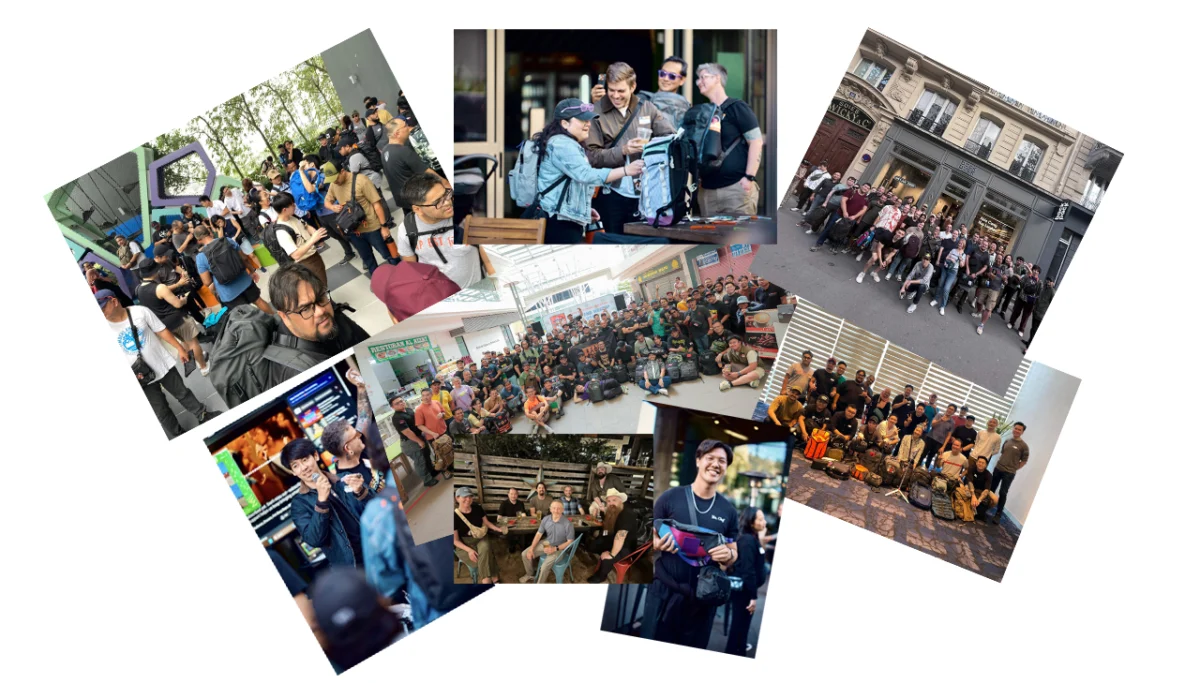
Expanding upon Don Norman’s tripartite model, contemporary cultural analysis reveals a critical fourth dimension: the social utility of material goods. Across consumer subcultures, specialized gatherings—such as community "carry meetups" where enthusiasts congregate to display and exchange niche backpacks, pocket tools, and horological instruments—demonstrate that material objects act as potent social catalysts. These items provide common ground for strangers, initiating dialogue and fostering interpersonal relationships centered around shared material interests.
Furthermore, material choices operate as sophisticated communication tools. In 1899, economist and sociologist Thorstein Veblen articulated the foundational theories of conspicuous consumption in The Theory of the Leisure Class, arguing that property and dress serve as primary signifiers of social standing and cultural alignment.
Modern consumer trends have seen this sociological dynamic play out on a global scale. The rise of "gorpcore"—a portmanteau coined by writer Jason Chen in 2017 to describe the adoption of high-performance technical outdoor apparel within metropolitan fashion—demonstrates how utilitarian gear is co-opted for social signaling. Executives at technical outerwear brands like Arc’teryx have publicly acknowledged that the brand’s authentic mountain pedigree remains its primary commercial driver, even among urban consumers who utilize technical garments strictly for aesthetic and social signaling rather than alpine expeditions.
Whether an individual selects a heavily distressed hiking pack emblazoned with environmental advocacy patches, an ultra-minimalist techwear shell, or polished aluminum luggage paired with corporate attire, these selections transmit immediate social signals regarding identity, values, and tribal affiliation. A piece of gear functions analogously to a physical handshake, communicating complex personal narratives before a single word is spoken.

Analytical Implications for Future Design and Consumption
The realization that material possessions fulfill psychological, historical, and social imperatives carries significant implications for both product manufacturers and modern consumers. As global markets grapple with the environmental consequences of fast-moving consumer goods, understanding the mechanisms of deep emotional attachment offers a viable pathway toward sustainability.
Objects engineered to facilitate personal memory formation, tactile satisfaction, and social connectivity naturally resist premature obsolescence. When a product transitions from a disposable utility item to an extended component of personal identity and historical record, its lifecycle extends exponentially. Consequently, contemporary product designers face mounting pressure to move beyond simple cost-benefit engineering, incorporating materials and forms that invite long-term emotional stewardship.
Ultimately, evaluating material possessions requires a paradigm shift. While technical data sheets and retail pricing provide essential metrics for evaluating initial capability, they represent only a fraction of an object’s true utility. As consumer research, psychology, and cultural history demonstrate, the true value of carried gear lies not merely in what it allows an individual to accomplish, but in how it shapes emotional well-being, preserves personal history, and connects individuals to the broader social fabric.