










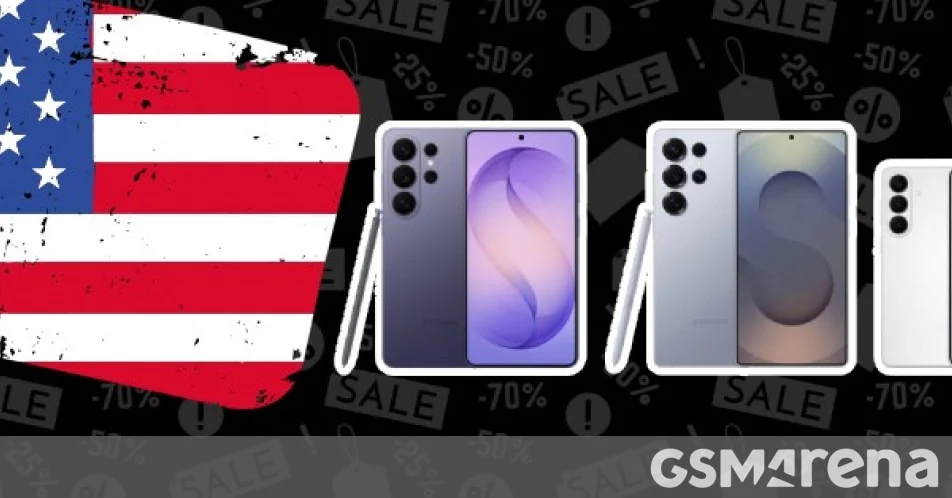
The landscape of flagship smartphone pricing has undergone significant shifts over the past seven days, presenting a more favorable environment for consumers who have exercised patience in their purchasing decisions. As major manufacturers adjust their inventory strategies, several high-end models—including the Samsung Galaxy S26 Ultra and the Z Fold8 series—have experienced notable downward price corrections. This volatility highlights the competitive nature of the mobile hardware market, where manufacturers balance the high costs of research and development against the necessity of maintaining market share throughout a device’s lifecycle.
The Evolution of the Samsung Galaxy S26 Ultra Pricing
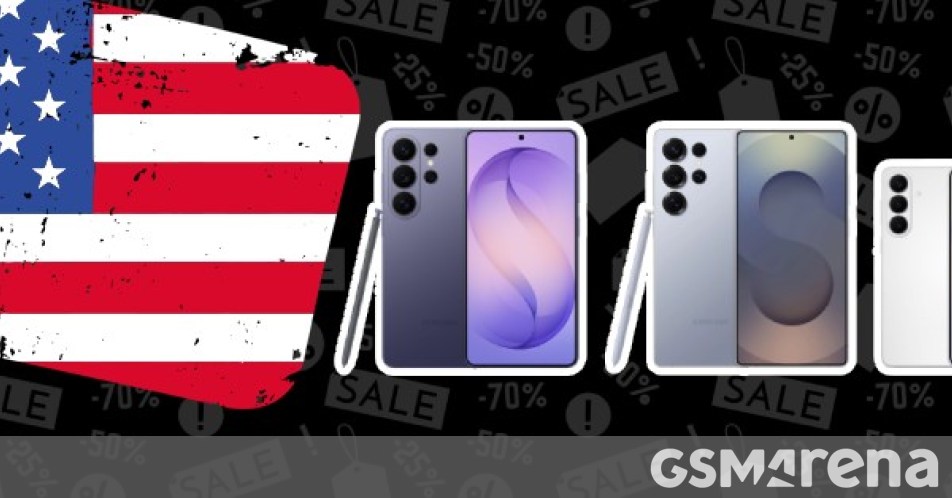
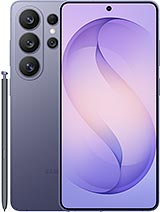
The Samsung Galaxy S26 Ultra has emerged as the centerpiece of this week’s market activity. Previously retailing at approximately $1,105 for the 256GB base model, the device has seen a price reduction to $1,000. While this remains slightly above the historic low of $950 observed earlier in the product’s release window, the current pricing represents a significant improvement for prospective buyers. For power users requiring greater storage capacity, Samsung continues to offer a 512GB configuration for an additional $150 premium, a tier that remains consistent with recent pricing trends.
This pricing strategy appears to be a calculated effort to maintain the S26 Ultra’s position as a premium offering while simultaneously competing with aggressive mid-cycle discounts from rival manufacturers. Historically, flagship smartphones often experience a 10% to 15% price depreciation in the months immediately following their launch, a trend the S26 series is currently tracking as the market approaches the mid-year sales cycle.
Comparative Analysis: The S26+ and the S25 Ultra Value Proposition
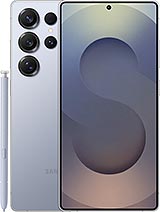
The Samsung Galaxy S26+ maintains a static pricing structure this week, holding steady at $810 for the 256GB model, with a $135 surcharge for the 512GB variant. Market analysts have noted that the S26+ faces a difficult value proposition when measured against its sibling, the Ultra. The S26+ lacks the specialized photographic hardware and advanced display specifications of the Ultra series, positioning it as a middle-ground device that often struggles to find a distinct audience.
In a surprising turn for value-conscious consumers, the previous generation Samsung Galaxy S25 Ultra is currently trading at a lower price point than the new S26+. This presents a unique tactical opportunity. While the S25 Ultra utilizes the older Snapdragon 8 Elite chipset compared to the S26 series’ Elite Gen 5 silicon, it offers superior hardware in almost every other metric. The S25 Ultra features a 200MP primary sensor with a 1/1.3-inch format, dual telephoto modules (10MP 3x and 50MP 5x), and a 50MP ultra-wide lens—specifications that comprehensively outperform the S26+ configuration. Despite being slightly heavier at 218g and wider at 77.6mm, the S25 Ultra remains a formidable piece of hardware that potentially offers a better return on investment for users prioritizing camera performance over marginal chip efficiency.

Market Stagnation and the Galaxy S26 FE Dilemma
Conversely, the standard Samsung Galaxy S26 has seen a slight increase in its market price compared to the previous week. This unexpected rise suggests a tightening of supply or a shift in promotional strategies by major retailers. Consumers interested in the compact 6.3-inch form factor are advised to delay their purchases to avoid the current price hike.
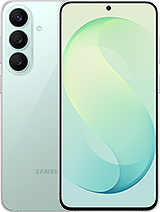
The Samsung Galaxy S26 FE, intended as an accessible entry point to the S-series, also presents a complex choice. Market data indicates that while the 8/256GB model is the most viable option, the base 128GB version lacks significant discounting. Furthermore, the S26 FE utilizes the Exynos 2500 chipset, which tests have shown to be less efficient and less powerful than the Snapdragon 8 Elite Gen 5 found in the higher-end S26 models. While the S26 FE represents a legitimate generational improvement over the S25 FE, it remains caught in a difficult position: it lacks the premium features of the S26+ but remains priced at a point where a $110 investment could potentially upgrade the user to a superior device.
Foldable Technology and the High-End Tier
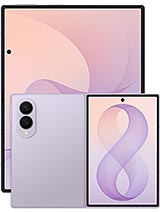
The foldable market, led by the Samsung Galaxy Z Fold8, has also seen a softening of prices. The 256GB and 512GB models have both received a $100 discount, bringing their entry prices to $1,600 and $1,800, respectively. This price reduction is a reaction to the broader market, where even non-folding traditional flagships are beginning to push toward the $1,600 threshold.
The Z Fold8 Ultra remains the top-tier option for enthusiasts, though it continues to carry a significant premium. Consumers are increasingly evaluating the Z Fold8 Ultra not just against other foldables, but against the S26 Ultra, creating a cross-category competition. The choice often comes down to the user’s preference for the multitasking capabilities of the foldable display versus the pure imaging and ergonomic superiority of the traditional S-series Ultra form factor.

Regarding the Google Pixel 11 series, the market has seen little change. The Pixel 11 Pro Fold continues to struggle with recommendations from industry reviewers, primarily due to the limitations of the Tensor G6 chipset. Critics argue that the Tensor G6 does not provide the sustained performance required for the heavy-duty multitasking that defines the foldable user experience. As a result, the Pixel 11 Pro and Pro XL remain at their established price points, with no significant incentive for early adopters to move until further promotional activities are initiated.
Broader Economic Implications and Consumer Strategy
The current state of the smartphone market reflects a period of recalibration. Manufacturers are navigating a consumer base that is increasingly aware of the diminishing returns of annual hardware upgrades. The presence of high-quality previous-generation devices, such as the S25 Ultra, creates a "value floor" that prevents manufacturers from overpricing their newest iterations.
From a macroeconomic perspective, the price fluctuations observed this week are indicative of a mature market. As the cost of manufacturing sophisticated components—specifically high-resolution camera sensors and foldable display panels—remains high, brands are forced to use software services and ecosystem integration to justify premium pricing. However, as evidenced by the performance of the S26 series, the market is highly sensitive to price-to-performance ratios.
For the average consumer, the current data suggests three clear strategies:
- Prioritize Value over Recency: The S25 Ultra currently provides more hardware capability per dollar than the current S26+ model.
- Monitor Market Fluctuations: Devices like the standard S26 have shown volatility; waiting for price stabilization is a financially sound strategy.
- Evaluate Use Cases for Foldables: Given the high entry price of the Z Fold8 series and the performance limitations of competing foldable chipsets, consumers should ensure that the multitasking benefits of a foldable device justify the significant cost premium over standard flagship models.
As we move into the next quarter, it is anticipated that manufacturers will continue to experiment with pricing models to clear inventory, potentially leading to further discounts as newer mid-range hardware enters the market. Consumers are encouraged to continue tracking these price shifts, as the gap between flagship tiers continues to close, offering more options for high-performance mobile computing than at any point in the previous fiscal year.