










The retail landscape has undergone a significant transformation in recent years, with the traditional singular day of Black Friday discounting evolving into an extended, month-long promotional period. While historically rooted in the Friday following Thanksgiving in the United States, the event has transitioned into a global consumer phenomenon, with major retailers now initiating aggressive pricing strategies as early as late October. This shift is driven by a desire to capture early holiday budgets, manage inventory logistics ahead of the peak festive rush, and gain a competitive edge in an increasingly saturated e-commerce market.
For consumers navigating the current audio-visual market, this extended window has surfaced several high-performing products at record-low prices. Industry experts have noted that the current wave of discounts is particularly noteworthy for the inclusion of premium, high-fidelity equipment—a segment that typically sees more conservative price fluctuations compared to entry-level consumer electronics.
The Evolution of the Black Friday Window
The commercial tradition of Black Friday originally served as a one-day retail sprint, intended to move retailers from "the red" into "the black" through mass-market clearance. Over the last decade, however, the digital transformation of the industry has rendered the 24-hour window obsolete. Supply chain challenges, particularly those observed between 2020 and 2022, prompted retailers to spread sales over several weeks to alleviate pressure on logistics networks.
This year, the trend has solidified. Major retailers are utilizing "early access" events to gauge consumer demand, allowing for more precise inventory management. By launching discounts in early November, companies can better balance their stock levels while simultaneously influencing the purchasing decisions of holiday shoppers who are increasingly wary of inflation and fluctuating economic conditions.
Notable Developments in Hi-Fi and Home Cinema Pricing
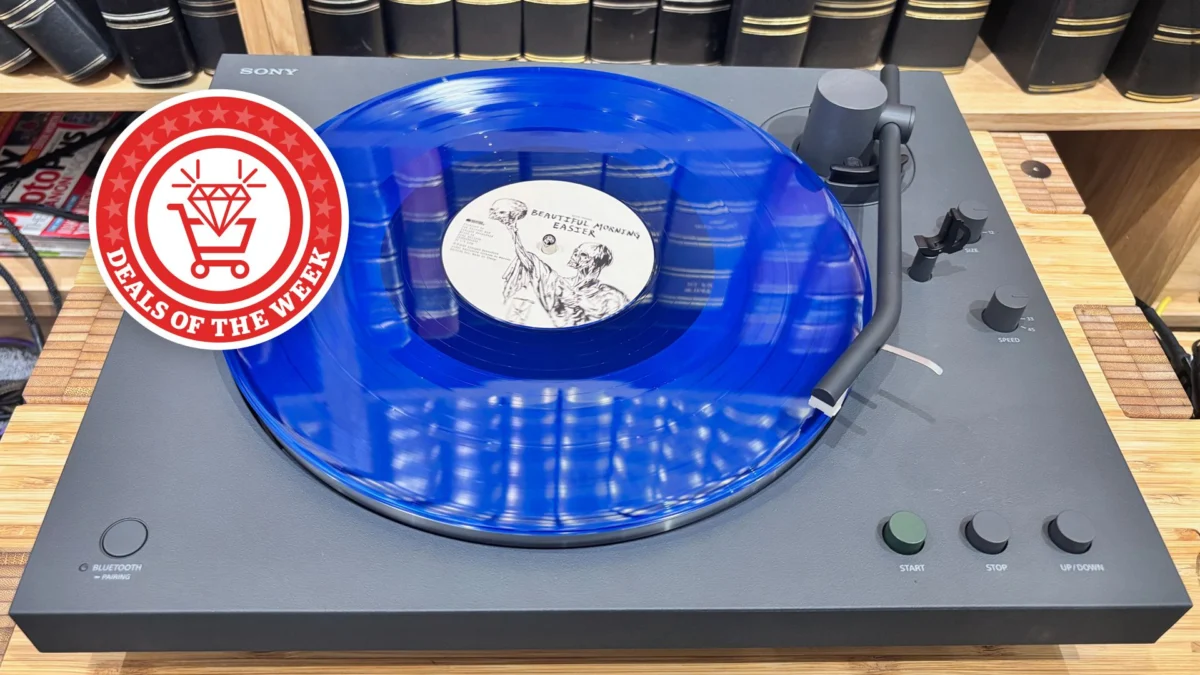
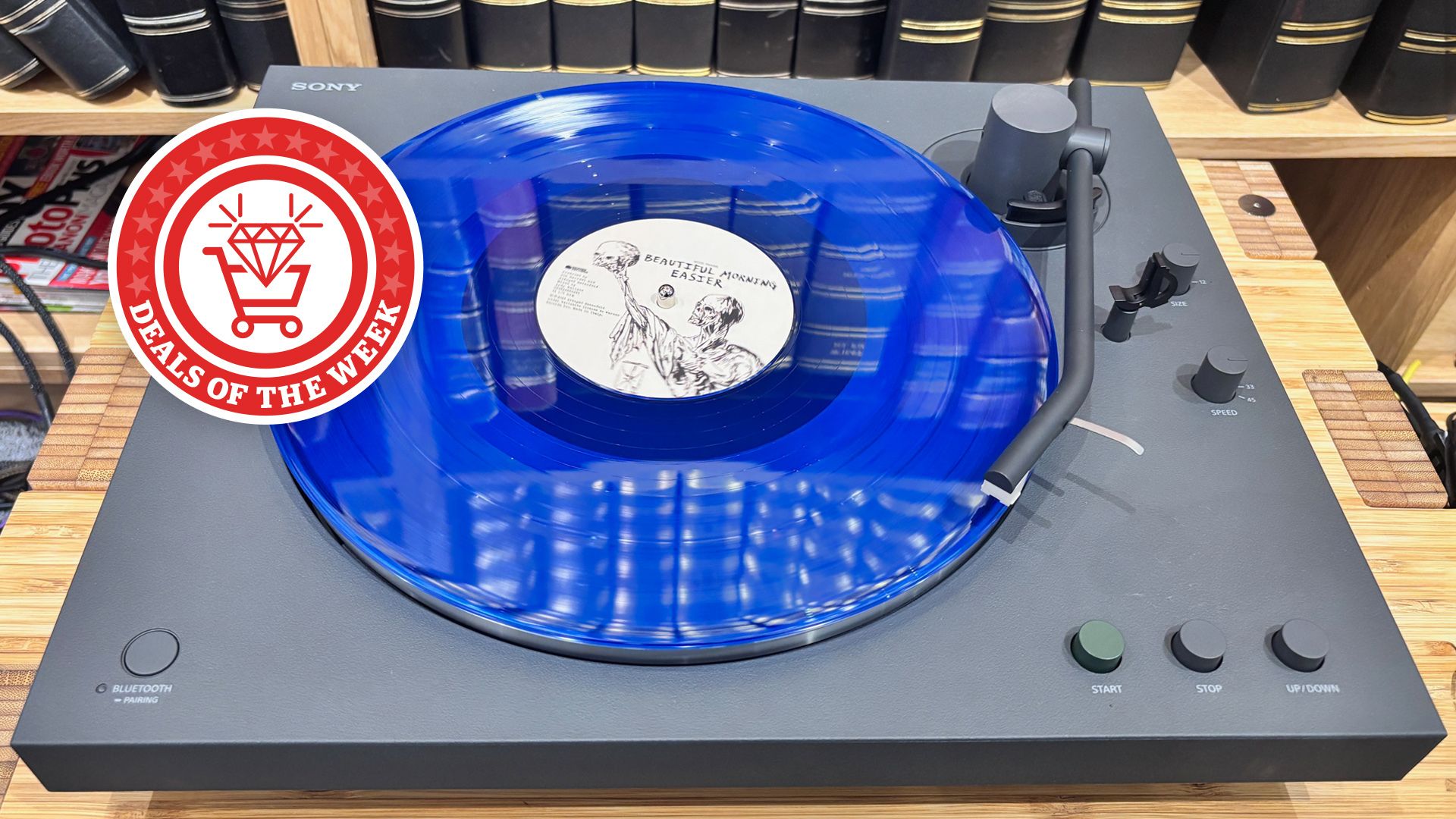
Data from recent market monitoring indicates that several five-star-rated products—those that have undergone rigorous testing for sonic accuracy, build quality, and feature integration—have reached new price floors. Among the most prominent examples is the Sony PS-LX3BT turntable. By integrating a built-in phono stage and Bluetooth connectivity, the device has successfully bridged the gap between analog enthusiasts and the modern wireless ecosystem. Its current price reduction makes it a benchmark entry point for those entering the vinyl market.
In the realm of home cinema, the Sony Bravia Theatre Trio has demonstrated the shift toward modular, high-end home audio. The three-piece system, which utilizes spatial audio mapping, has seen price incentives that bring its premium immersive performance into a more accessible bracket. When expanded with the dedicated Rear 9 speakers and Sub 8, the system provides a level of soundstage depth that competes directly with larger, more complex wired installations.
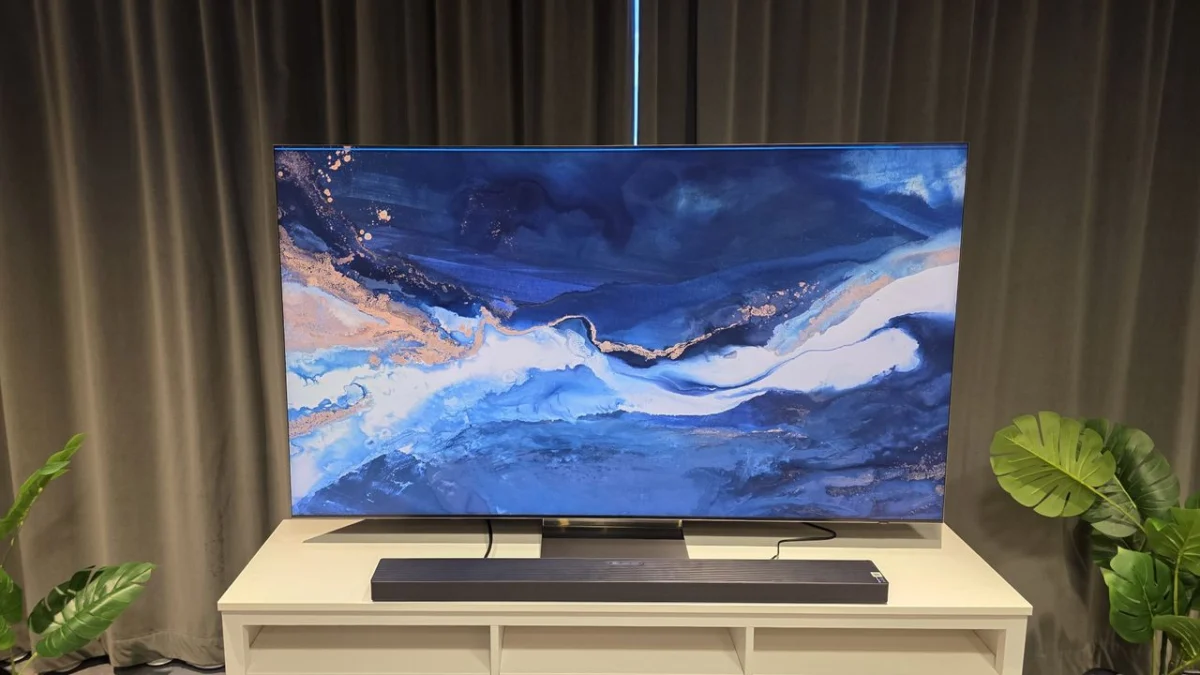
Further market activity has focused on television hardware. The TCL P8L, a model that has gained traction for its performance-to-cost ratio, is currently priced at £699. This positioning is significant, as it targets the high-demand segment of large-screen displays (65-inch) that remain popular among both cinephiles and gaming enthusiasts preparing for next-generation title releases.
Projector Technology and High-End Audio Components
A critical development in the home cinema sector is the increasing affordability of native 4K laser projection. The Sony VPL-XW5000ES, which garnered industry attention upon its release for being one of the first truly native 4K laser projectors at its price point, is now seeing promotional discounting via specific retailer codes. This reflects a broader trend: as laser light source technology matures and production costs decrease, manufacturers are lowering barriers to entry for home theater enthusiasts who require high-contrast, long-lasting visual solutions.
On the audio component front, the Arcam AVR5 has seen a notable price reduction. Unlike mass-market alternatives that prioritize broad feature sets, the AVR5 is recognized for its focus on core sonic performance—specifically its rhythmic agility and dynamic delivery. The current discounting suggests a clearing of inventory in preparation for potential new model cycles, a common strategy for premium audio brands during the final quarter of the year.
Simultaneously, the JBL Synthesis SDR-38 is currently available at a substantial discount for members of specific retail loyalty programs. This highlights the growing prevalence of "member-only" pricing, a tactic used by brick-and-mortar specialists to retain customer loyalty in the face of competition from global e-commerce giants. A reduction of over £4,000 for a flagship-grade processor underscores the volatility of the high-end market during the year-end sales cycle.
Economic Implications for the Consumer Electronics Sector
The implications of these early sales are twofold. For the consumer, the extended window allows for more deliberate research and comparison. Unlike the traditional "doorbuster" events of the past, which encouraged impulse purchasing through artificial scarcity, the current month-long format provides sufficient time for prospective buyers to consult technical reviews and analyze the longevity of their prospective purchases.
For manufacturers and retailers, the strategy is a delicate balancing act. While discounting drives volume, it also risks devaluing premium product lines if implemented too aggressively. However, in an economic environment characterized by cautious consumer spending, retailers are prioritizing market share over margins. By securing a purchase early in the quarter, retailers effectively lock in the consumer before they have the opportunity to spend their discretionary income with a competitor.
Future Outlook and Buying Advice
As the calendar approaches the traditional Black Friday date, analysts expect to see a stabilization of prices rather than a second wave of deep cuts. The consensus among market observers is that the current offers represent the "best-of-breed" for the remainder of the year.
For those looking to invest in home cinema or audio systems, the current recommendations focus on three key pillars:
- Technical Performance: Prioritize products that have been independently audited for performance rather than those marketed solely on feature lists.
- System Synergy: When building a home cinema system, consider the compatibility of components. The success of modular systems like the Sony Bravia Trio demonstrates that integrated ecosystems often provide a more seamless user experience than disparate, budget-oriented components.
- Longevity: With the rapid advancement of standards such as HDMI 2.1 and high-frame-rate gaming, consumers should prioritize hardware that offers future-proofing capabilities, particularly in the television and receiver categories.
The market for high-fidelity audio and home cinema equipment remains robust, buoyed by a constant demand for superior sensory experiences. While the "Black Friday" label has expanded to cover nearly a third of the fourth quarter, the underlying principle remains the same: the intersection of high-quality engineering and competitive pricing represents an optimal window for consumer acquisition. As retailers continue to refine their data-driven pricing models, the consumer is left with a wider array of high-performing options, provided they remain diligent in navigating the noise of the extended promotional season.