








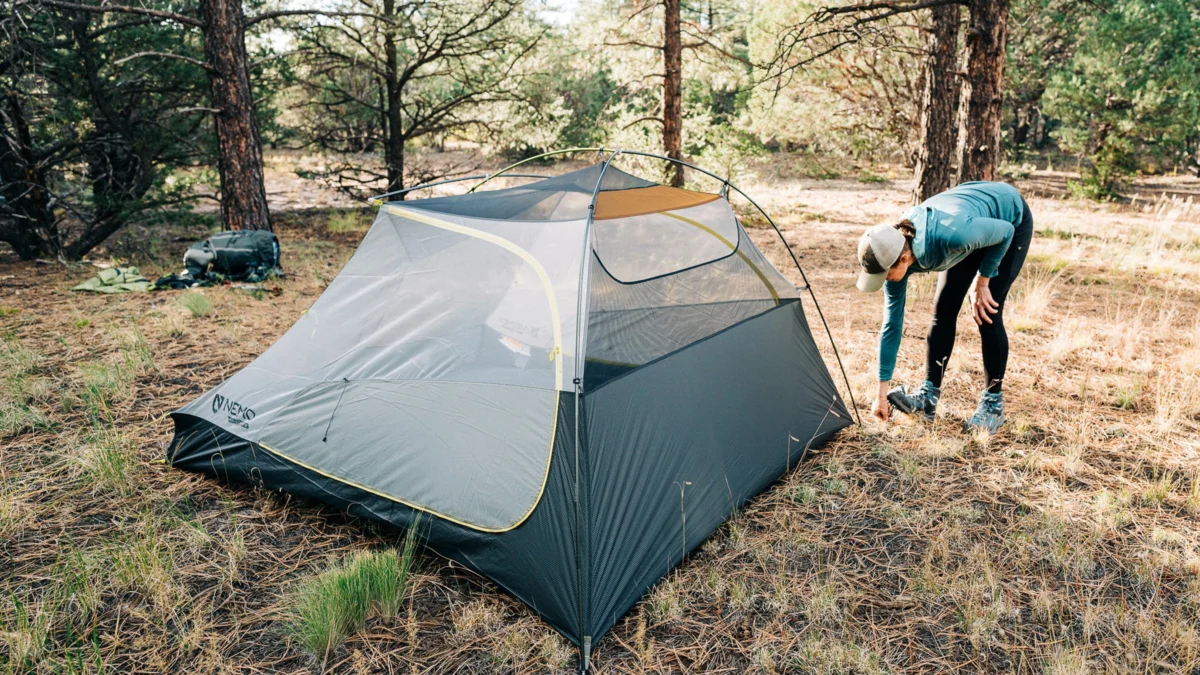

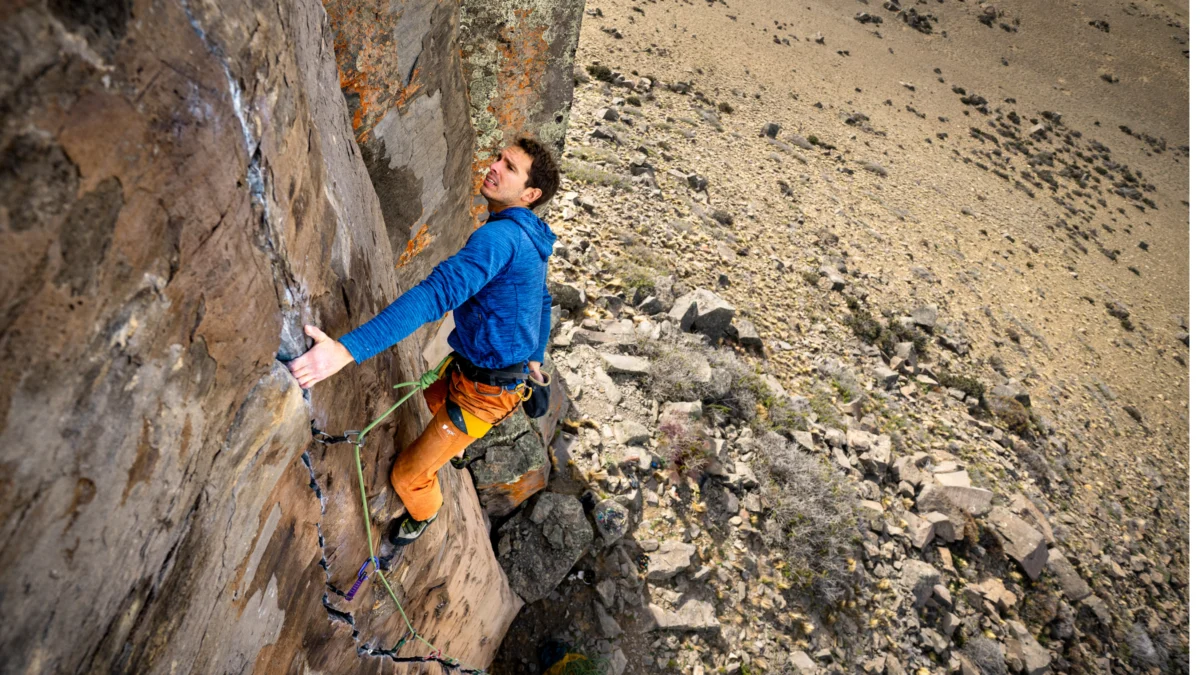
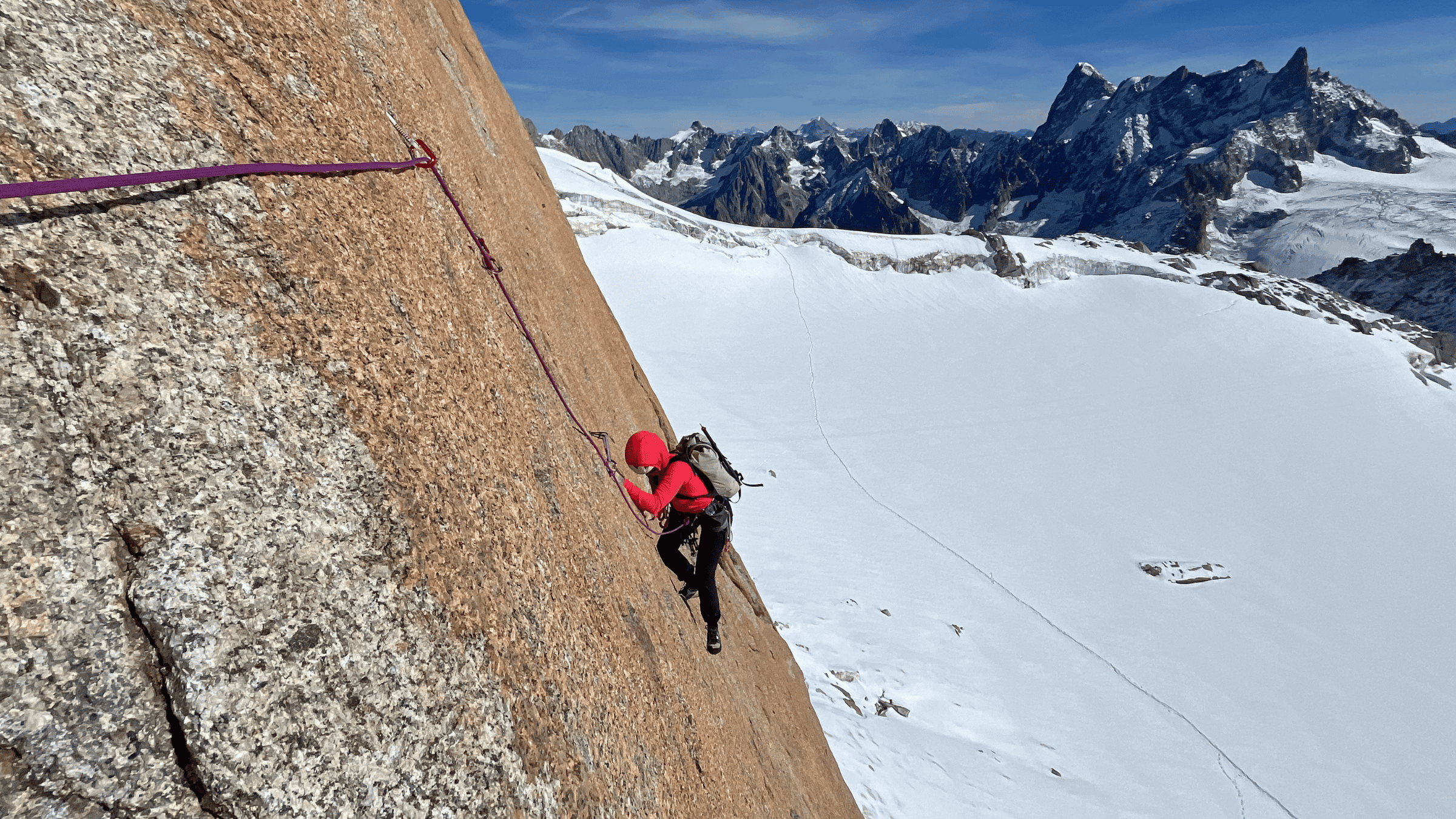
The transition from summer to autumn marks a critical juncture for the global climbing community. As temperatures drop and the humidity that plagues summer cragging begins to dissipate, the high-friction conditions favored by professional and recreational climbers alike return to the northern hemisphere. To prepare for this peak season, the Climbing Magazine gear-testing team has concluded an exhaustive, months-long evaluation of the equipment slated to define the 2026 climbing year. This annual testing cycle, which saw our team operating in high-altitude environments—including the demanding golden granite of Chamonix’s Aiguille du Midi—involved the rigorous assessment of 122 individual products across six core categories.
The testing protocol involved a systematic analysis of 28 harnesses, 27 pairs of climbing shoes, 30 pairs of approach shoes, 9 ropes, and 28 backpacks. The primary objective was to distinguish between marketing-led innovation and genuine functional advancement. Through a series of stress tests that included thousands of vertical feet of climbing, repetitive falls, and long-range alpine approaches, the team identified which products provide reliable performance and which fail under the stresses of real-world use.
The Evolution of Technical Footwear in 2026
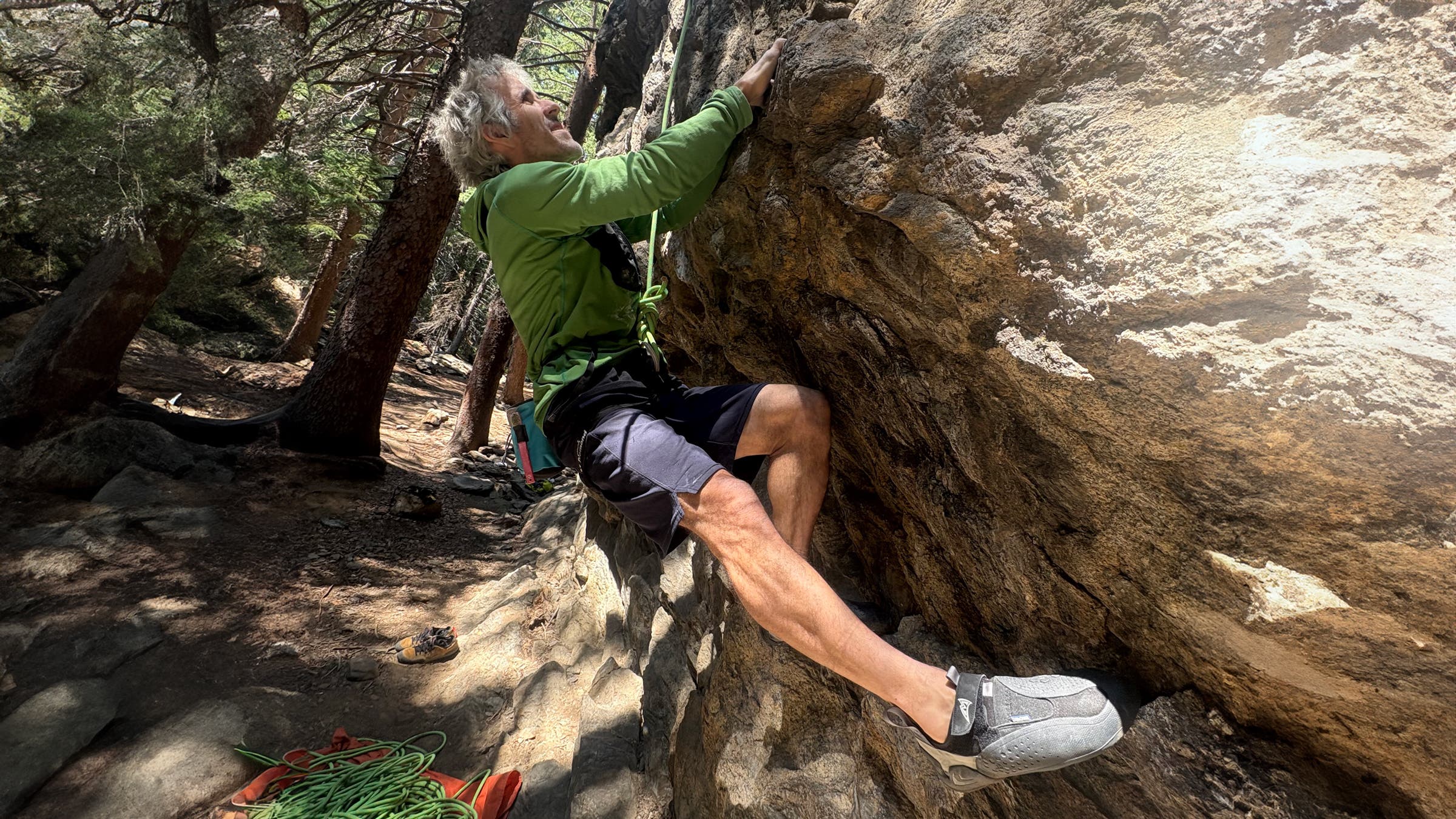
The 2026 climbing shoe market has reached a state of hyper-specialization. Historically, manufacturers sought to produce versatile, "all-arounder" shoes capable of performing adequately on both granite slabs and limestone overhangs. However, the 2026 data indicates a significant shift toward purpose-built design.
This year’s testing revealed a dichotomy in engineering philosophy. We observed the emergence of carbon-insert technology, which provides a level of stiffness previously unseen in soft-soled shoes, effectively acting as a platform for steep, technical sport routes. Conversely, there remains a market for ultra-flexible, minimalist footwear designed for maximum surface contact. Our findings suggest that climbers are increasingly adopting a "shoe quiver" approach—maintaining separate pairs for offwidth cracks, thin face climbing, and steep bouldering. This trend represents a departure from the consumer habits of the previous decade, signaling that climbers are prioritizing precision over multi-purpose utility.
Harness Engineering: Balancing Weight and Safety
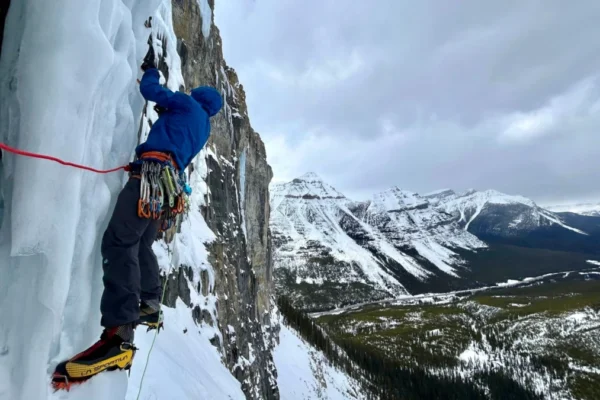
The harness testing process focused on the tension between weight reduction and structural integrity. Evaluators subjected harnesses to varied environments, ranging from cold-weather alpine missions in the Canadian Rockies to high-intensity sport climbing at the Red River Gorge.
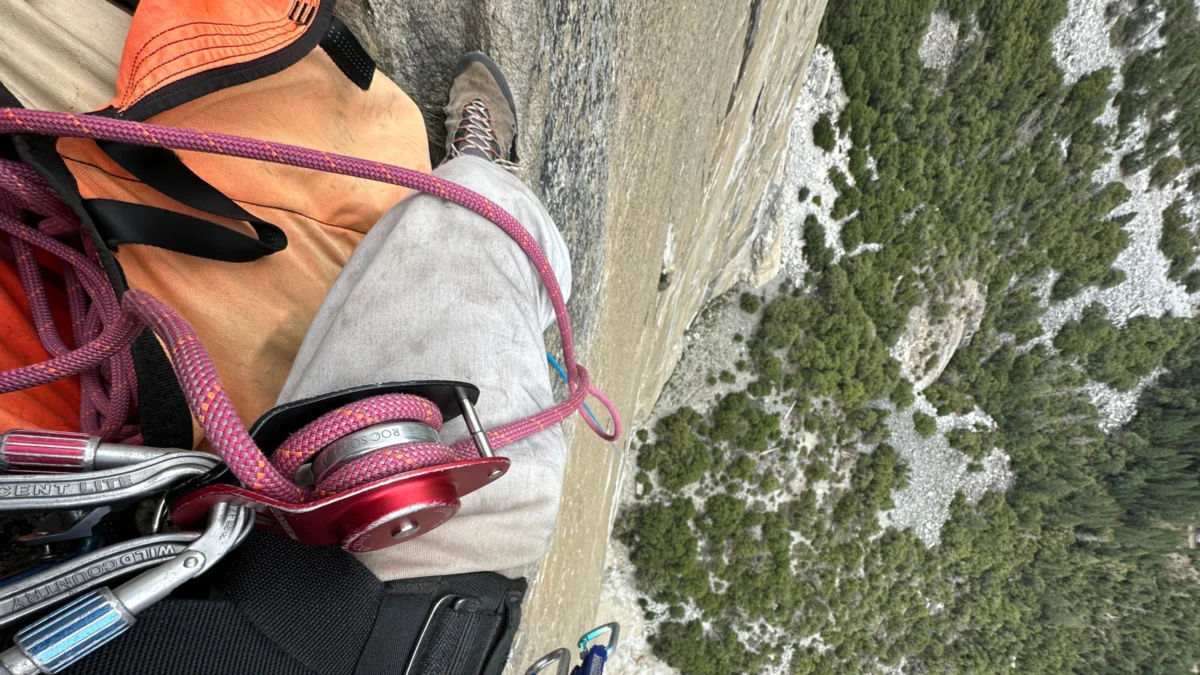
Data from the 2026 trials highlight that while ultralight "G-string" style harnesses are effective for alpine objectives where every gram matters, they often lack the lumbar support required for long days on big walls. The standout models of the year were those that successfully utilized load-distributing laminates to maintain a low profile while ensuring comfort during extended hanging belays. The primary takeaway for consumers is that the "one-size-fits-all" harness is becoming obsolete in favor of designs tailored to specific climbing disciplines.
Approach Shoes and the Backcountry Standard
Approach footwear serves as the crucial link between the trailhead and the wall. In 2026, the focus shifted toward durability and technical scrambling capability. While entry-level enthusiasts may gravitate toward casual, sneaker-style approach shoes, the top-performing models in our testing group featured high-friction rubber outsoles and reinforced randing designed for talus fields and technical terrain.
Analysis shows that a properly designed approach shoe significantly reduces energy expenditure during long treks, effectively preserving the climber’s physical resources for the actual ascent. The integration of waterproof membranes and breathable mesh in this year’s top six selections reflects a growing demand for gear that can handle unpredictable mountain weather without sacrificing comfort.
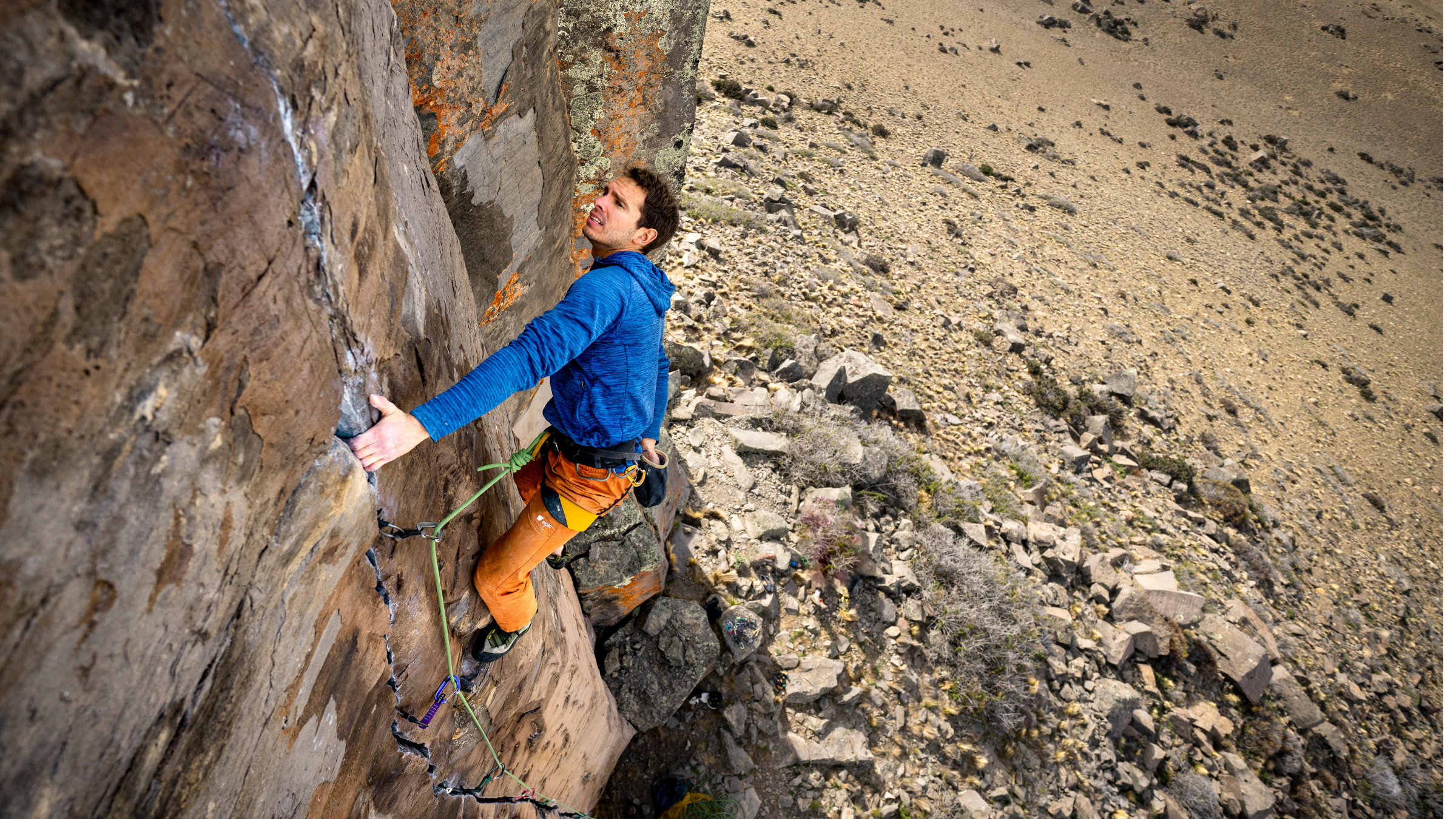
Advancements in Climbing Backpacks
Backpack design in 2026 has focused heavily on modularity and volume efficiency. The testing team evaluated products based on their ability to carry heavy loads—such as full double-rack systems and ropes—without restricting movement or causing uneven weight distribution.
A notable trend this year is the rise of the multi-day "hybrid" pack, which can be compressed for fast-and-light ascents or expanded for multi-day expeditions. Furthermore, the industry has responded to the needs of the traveling climber, with several manufacturers introducing carry-on-compliant haul bags that maintain the durability required for heavy-duty outdoor use. The ability of a pack to serve as both a technical tool on the wall and a travel bag is currently the benchmark for high-value luggage in the climbing industry.
The Durability of Modern Ropes
The rope category remains perhaps the most difficult to differentiate, as most modern climbing ropes meet high safety standards out of the box. However, our longitudinal testing shows that a rope’s true quality is revealed only after extensive use.
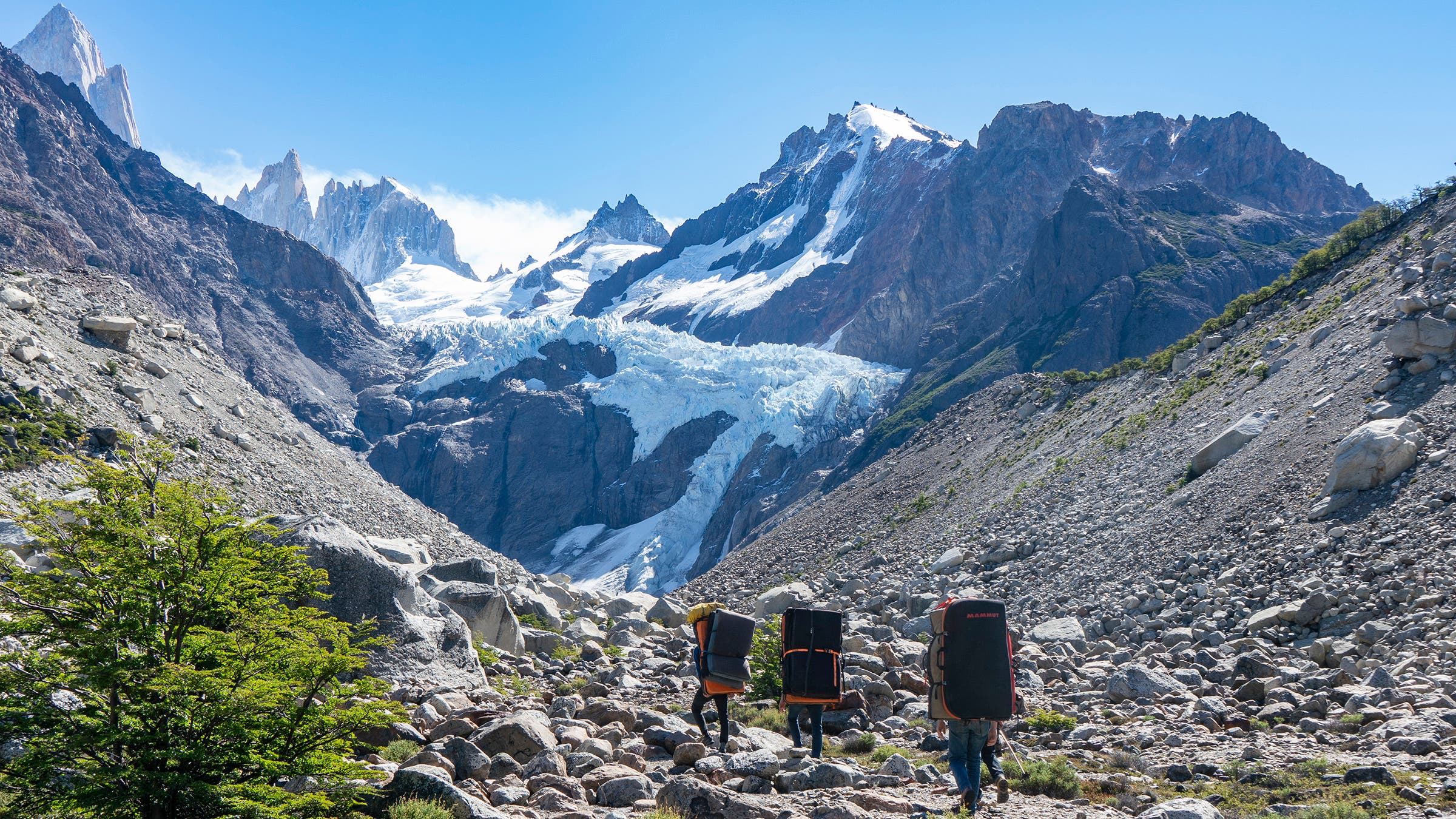
During the 2026 testing cycle, we monitored how ropes handled diverse conditions, including moisture absorption in snow and ice, and abrasion from grit and sand. The best ropes of the year were those that maintained their sheath integrity and handling characteristics after repeated exposure to the elements and multiple high-impact falls. The data suggests that for high-volume climbers, investing in premium treated ropes is a critical safety and financial decision, as these models consistently demonstrated a longer usable lifespan.
The Role of Helmets in Risk Mitigation
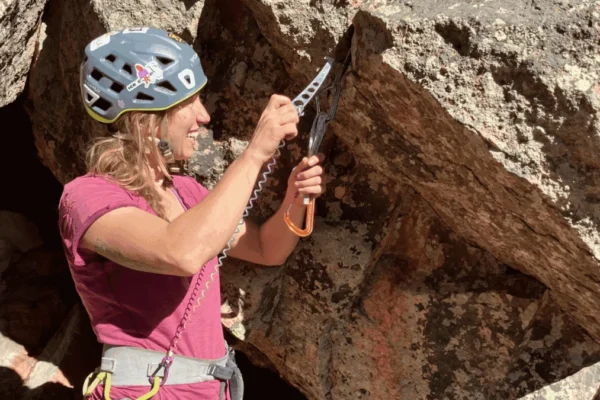
While often overlooked in favor of performance gear, the helmet remains the most important piece of safety equipment. The 2026 testing cycle emphasized the necessity of ergonomic fit and ventilation. Our analysis of accident reports indicates that many head injuries are the result of secondary impacts or rockfall, occurrences that are often mitigated by modern, lightweight helmet designs.
The industry standard for 2026 has shifted toward helmets that are so lightweight and breathable that the user is less likely to remove them during less-intense climbing phases. Findings from our testers suggest that the "best" helmet is simply the one that the climber finds comfortable enough to wear consistently throughout the entire duration of their time at the crag.
Broader Industry Implications and Future Outlook
The 2026 gear cycle underscores a maturing market. As climbing continues to grow as a mainstream sport, the demand for equipment that is both highly technical and exceptionally durable is rising. Manufacturers are no longer just competing on price; they are competing on the ability to solve specific, nuanced problems for the end-user.
Industry analysts suggest that this trend toward hyper-specialization will continue, with future innovation likely focusing on sustainable materials and circular manufacturing processes. For the individual climber, the implications of these findings are clear: by carefully selecting equipment that matches the specific environment and intensity of their climbing, they can improve both their performance and their long-term safety.
As the season progresses into the prime conditions of autumn, the synthesis of these findings serves as a guide for those looking to optimize their gear loadout. The 2026 season represents a milestone in equipment design, characterized by an unprecedented level of refinement and a commitment to technical excellence. While the "gear-testing game" involves its share of physical strain, the end result is a more informed community equipped with the tools necessary to push the boundaries of the sport.