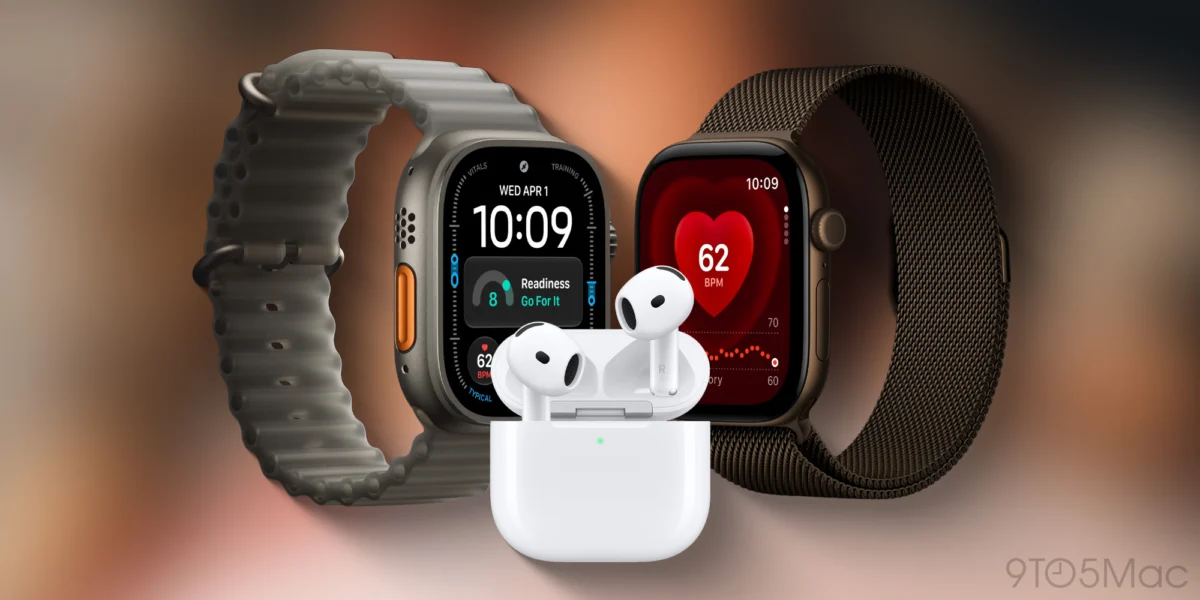





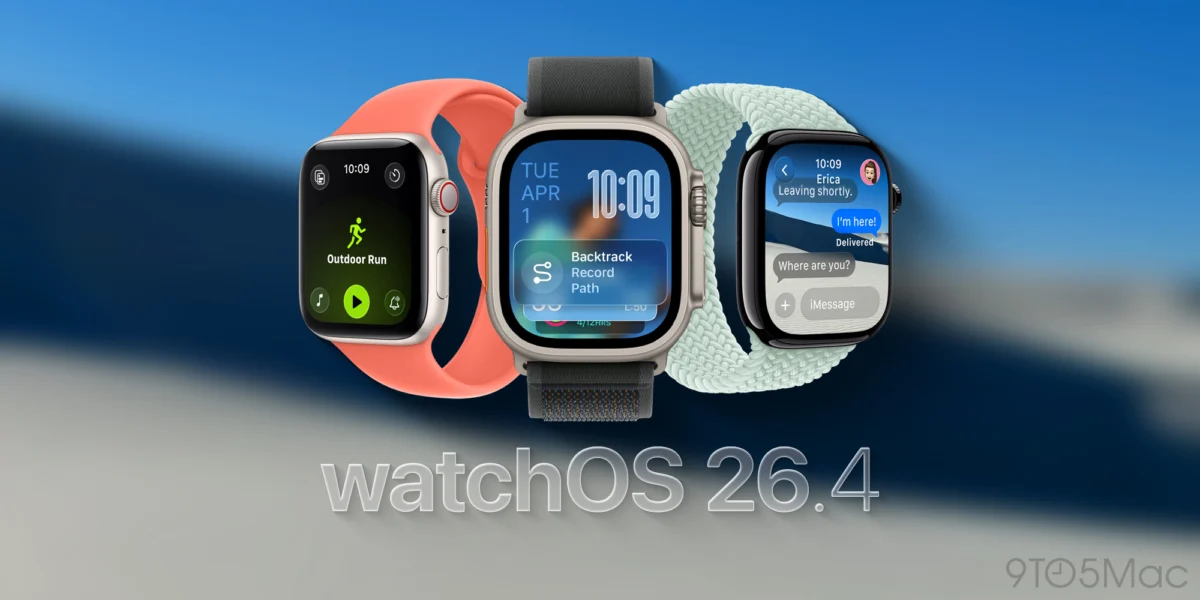



The release of the Apple Watch Series 12 and the Apple Watch Ultra 4 has solidified Apple’s commitment to integrating sophisticated artificial intelligence into its wearable ecosystem. As the hardware hits the wrists of consumers globally, Apple has confirmed that the true potential of these devices will be unlocked via an upcoming software update, watchOS 27.3. This mid-cycle refresh is set to introduce two significant "Audio Intelligence" features: Siri Recap and Live Rewind. These tools represent a pivot in how users interact with ambient audio and daily communication, leveraging the enhanced Neural Engine capabilities found in the S12 and S13 chips powering these new models.
The Evolution of watchOS and Apple Intelligence
The inclusion of Siri Recap and Live Rewind within the watchOS 27 architecture marks a transition from the Apple Watch serving primarily as a health-tracking and notification-mirroring device to a sophisticated, context-aware personal assistant. Since the introduction of Apple Intelligence across the wider ecosystem, the company has sought to bring similar computational power to the wrist.
Chronologically, the integration of generative AI into watchOS has been a steady progression. Following the announcement of watchOS 27 at the Worldwide Developers Conference (WWDC) earlier this year, Apple outlined a roadmap that prioritized privacy-first AI. The introduction of these features in the upcoming 27.3 update follows the initial launch of the Series 12 and Ultra 4, a strategy consistent with Apple’s tendency to debut hardware before deploying specific, heavy-duty software features that require rigorous validation and security testing.
Understanding Siri Recap: Ambient Contextual Awareness
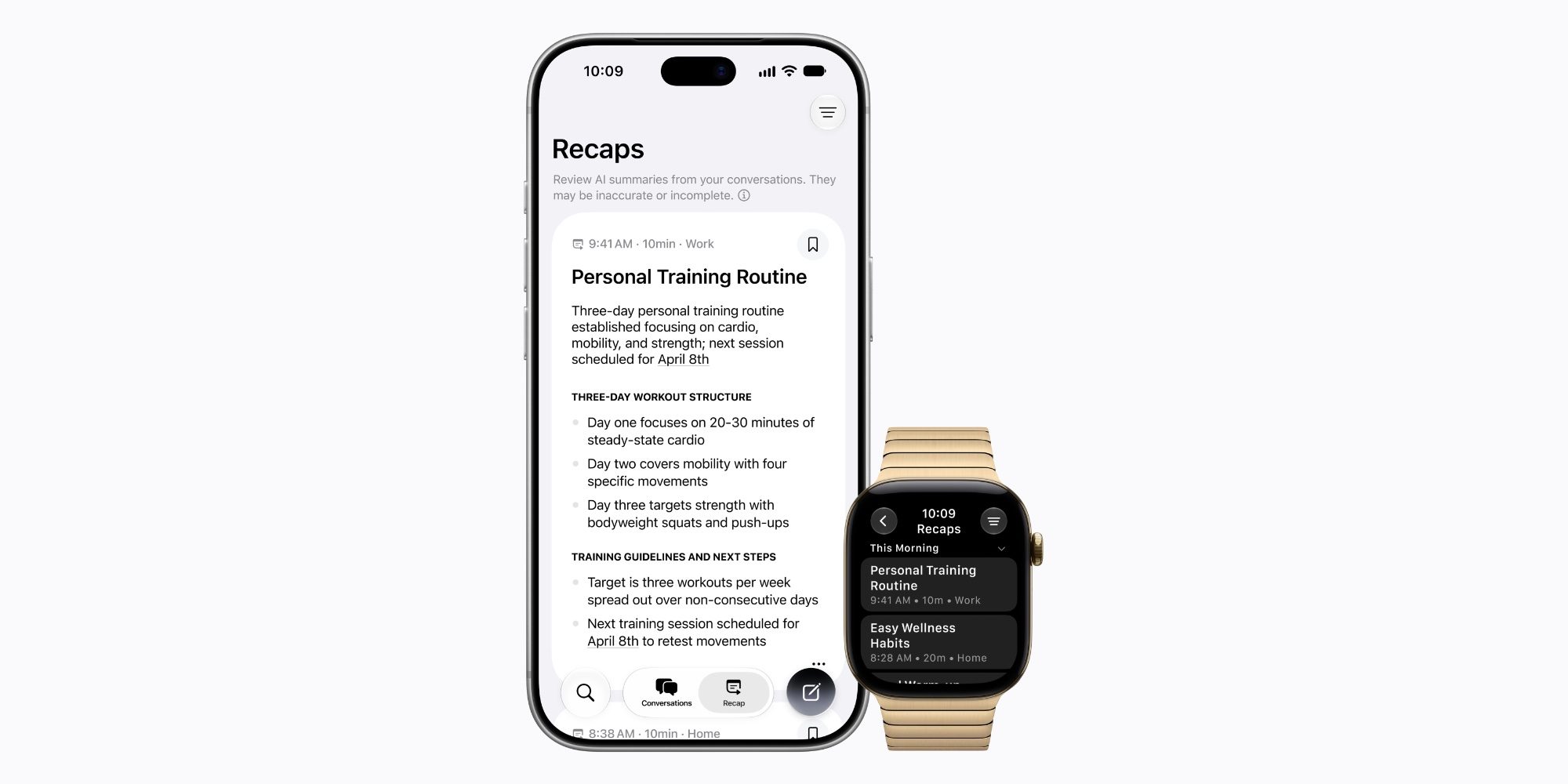
Siri Recap is designed to function as an "ambient" assistant. According to internal documentation provided by Apple, the feature operates by analyzing conversations throughout the user’s day to generate high-level, structured summaries. The primary goal is to provide a "memory jog" for users, allowing them to remain fully engaged in meetings, social gatherings, or professional interactions without the need to manually jot down notes.
The technical implementation of Siri Recap relies on local, on-device processing. To address potential privacy concerns, Apple has confirmed that all data processed for these summaries is subjected to strict data minimization policies. Most notably, any summaries generated by the feature are subject to an automatic deletion protocol after seven days, unless the user manually opts to save them to their device. This is a critical departure from cloud-based AI models that often store user data indefinitely for "model training" purposes.
Live Rewind: Instantaneous Auditory Recall
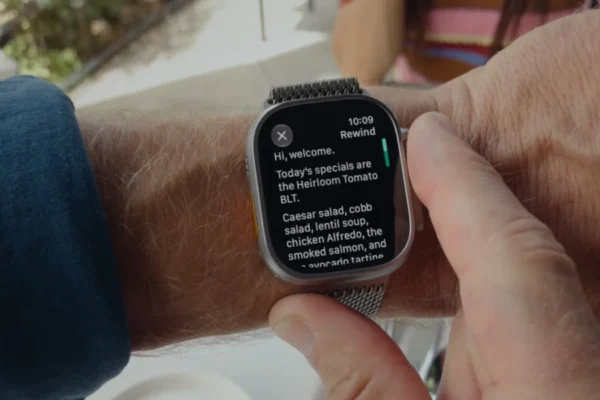
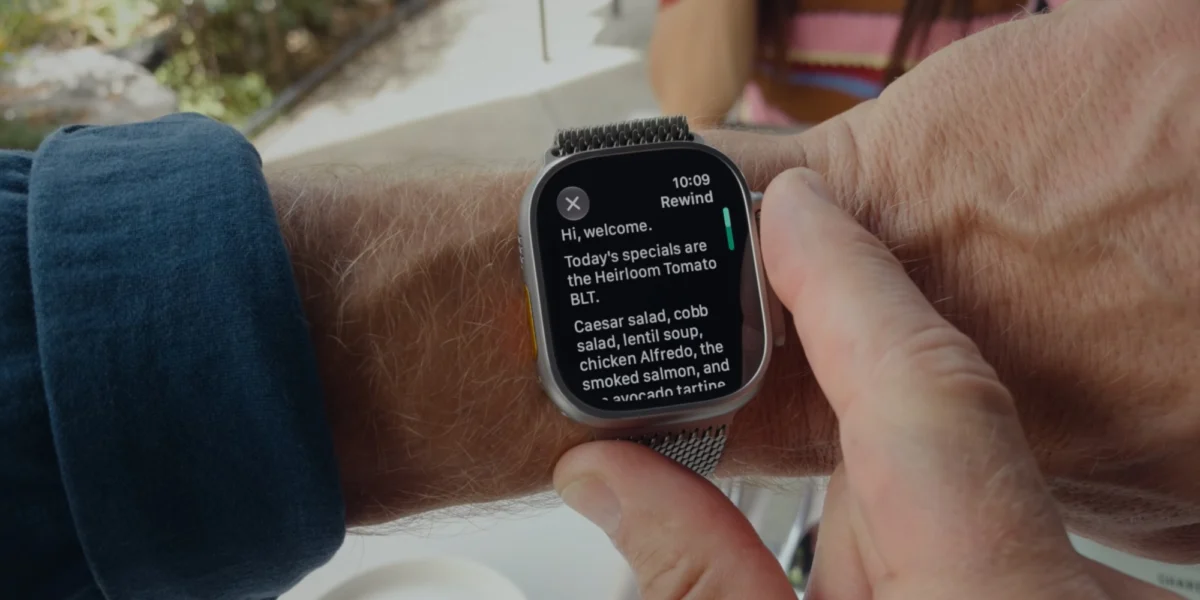
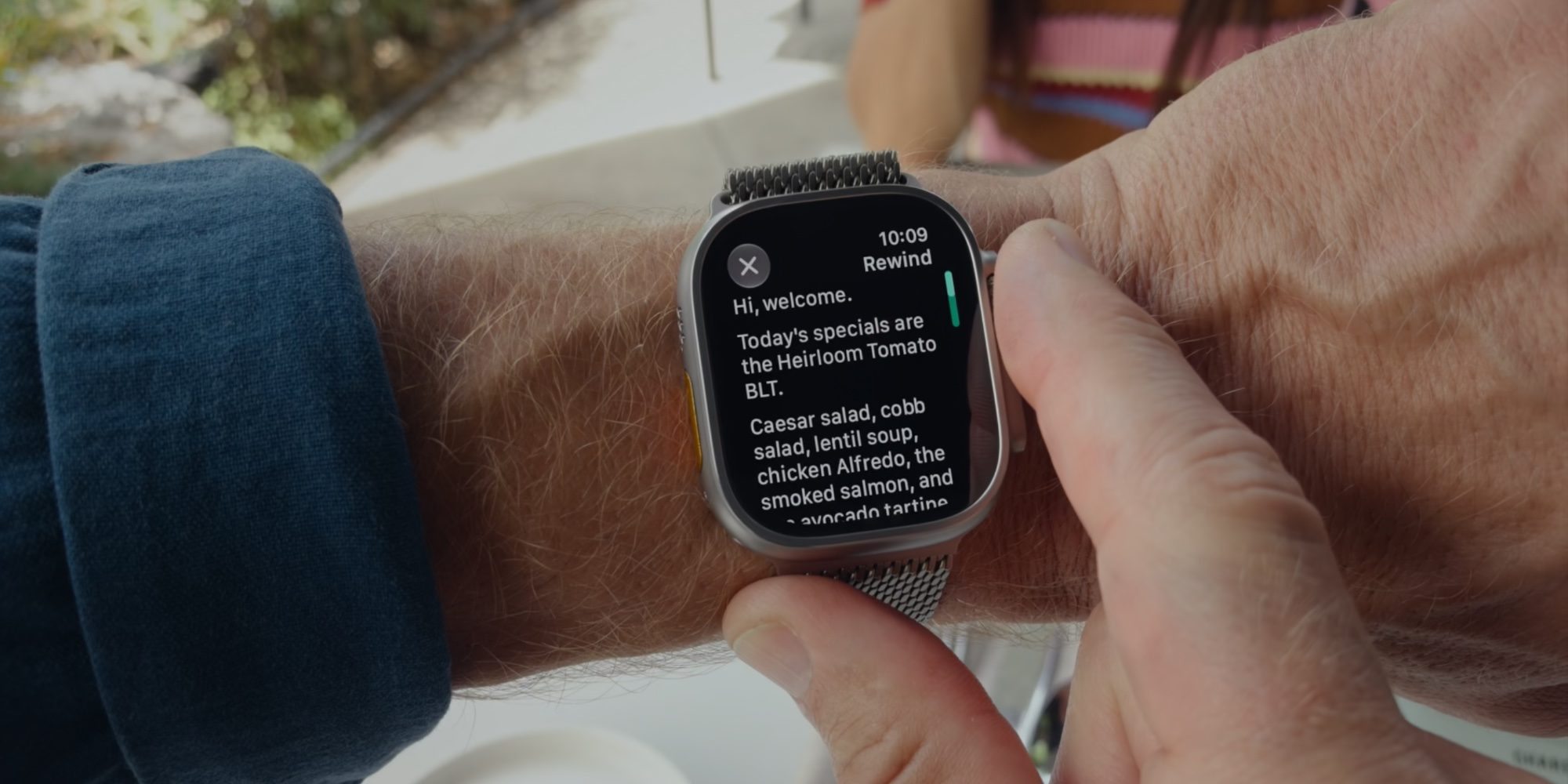
While Siri Recap focuses on long-form synthesis, Live Rewind is engineered for the immediate present. This feature functions as an auditory buffer, capturing the last 15 seconds of ambient speech. When a user double-presses the Digital Crown, the watch displays a concise text snippet of the preceding 15 seconds on the display.
This functionality serves a dual purpose: it acts as an accessibility tool for those with auditory processing challenges and as a productivity aid for professionals in fast-paced environments. By allowing users to quickly verify a missed instruction or a specific detail mentioned in a conversation, Apple is positioning the watch as a vital tool for high-stakes communication. Users also have the option to ask Siri follow-up questions regarding the content of the snippet or save the data directly to the dedicated Siri app for future reference.
Technical Infrastructure and Privacy Safeguards
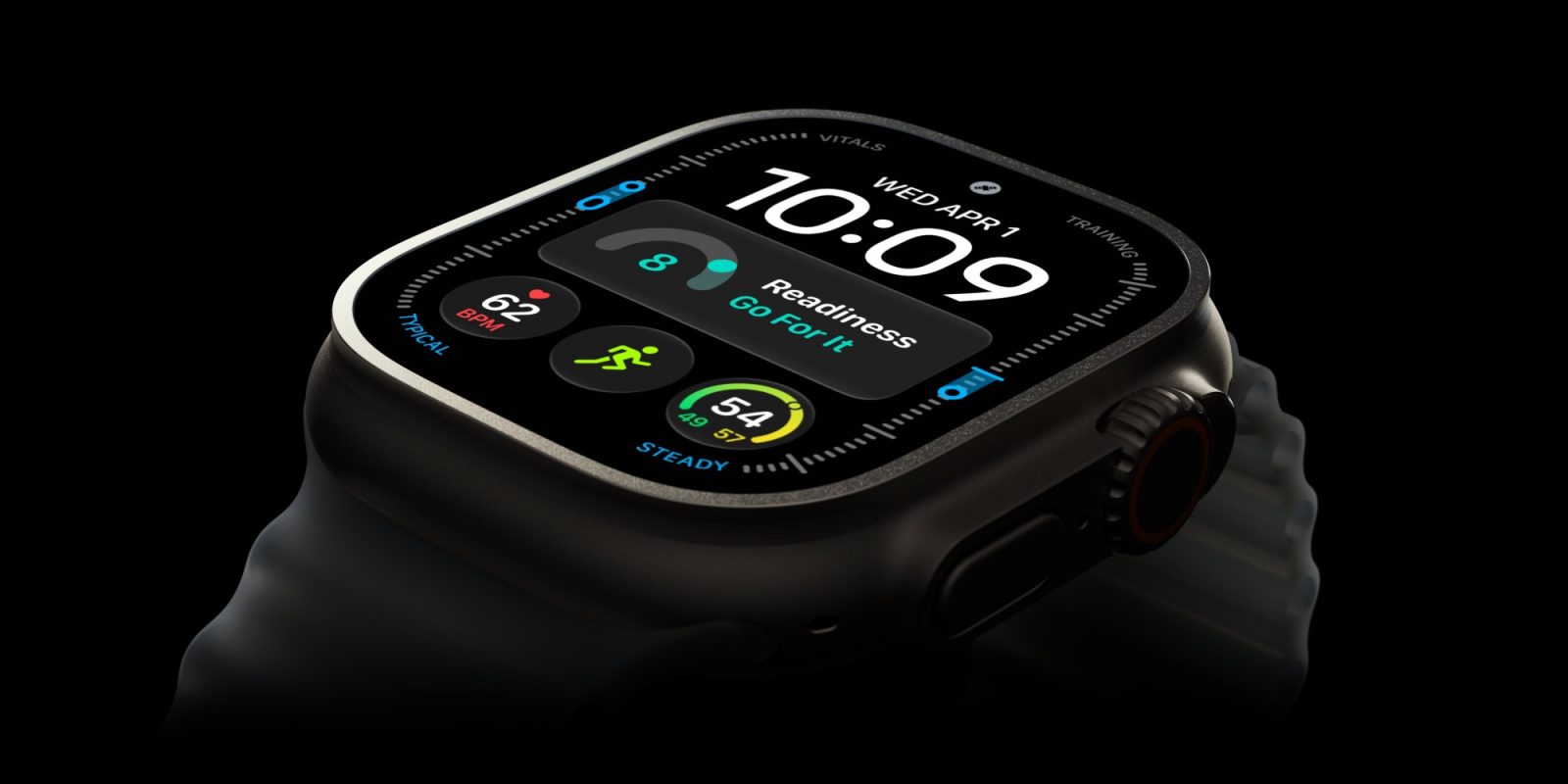
The processing power required for these features is substantial, which explains their restriction to the latest Series 12 and Ultra 4 models. The current-generation hardware features an updated neural processing unit capable of managing real-time audio transcription and summarization without causing significant latency or excessive battery drain.
Privacy has been the central pillar of Apple’s marketing narrative regarding these updates. In a detailed white paper released in September 2026, Apple outlined how the "Audio Intelligence" features utilize Private Cloud Compute (PCC) and on-device processing to ensure that sensitive audio data never leaves the user’s possession in a readable format. The company’s approach is to use a combination of local encryption and localized AI model execution to mitigate the risk of data leakage. This is a direct response to growing public scrutiny regarding the privacy implications of "always-on" listening devices.
Industry Implications and Market Impact
The introduction of these AI-centric features has several broader implications for the wearable technology market. First, it forces a shift in consumer expectations. Competitors in the smartwatch space, such as Samsung and Google, have also been integrating AI, but Apple’s emphasis on "ambient" assistance—where the device works in the background without constant user prompting—sets a new benchmark for device utility.
Furthermore, the focus on productivity-oriented features like Siri Recap may shift the demographic appeal of the Apple Watch. Traditionally marketed as a fitness and wellness companion, the Series 12 and Ultra 4 are increasingly being marketed as indispensable tools for the modern workplace. By automating the note-taking process, Apple is directly competing with third-party productivity applications and specialized voice-to-text hardware.
Timeline and Implementation
Apple is expected to release the beta version of watchOS 27.3 to developers and public beta testers in the coming weeks. A public rollout is anticipated for late autumn 2026. This timeline provides Apple with a window to refine the accuracy of the summarization algorithms based on real-world usage patterns captured during the beta phase.
For potential buyers, the addition of these features provides a compelling value proposition for upgrading to the Series 12 or the Ultra 4. While the physical hardware—the titanium cases, the brighter displays, and the improved battery life—provides the foundation, it is the software ecosystem that continues to drive the replacement cycle for Apple’s wearable products.
Summary of Strategic Positioning
The integration of Siri Recap and Live Rewind is not merely an incremental software update; it is a strategic maneuver to cement the Apple Watch as an essential node in the user’s digital life. By moving beyond health metrics into the realm of cognitive assistance, Apple is attempting to solve a common pain point: the loss of information in the rapid flow of daily communication.
As the tech industry continues to grapple with the ethical and practical applications of generative AI, Apple’s focus on on-device processing and strict data expiration dates serves as a differentiator. Whether these features will see widespread adoption remains to be seen, but their presence in the Series 12 and Ultra 4 serves as a clear indicator that the future of the smartwatch is inextricably linked to advanced, privacy-conscious artificial intelligence.

As we move toward the release of watchOS 27.3, users are encouraged to review the updated privacy settings on their devices. The shift toward "Audio Intelligence" necessitates a higher degree of user awareness regarding what data is being processed. Apple’s commitment to transparency through its technical white papers is a necessary step in building the consumer trust required for such intimate technology to become a mainstream reality. The success of these features will ultimately be determined by their reliability in noisy, real-world environments, a challenge that Apple’s engineering teams have been working to overcome throughout the development of the 2026 product cycle.