





Apple is embarking on a significant expansion of its smart home ecosystem through a strategic partnership with LG, marking a pivotal shift in how the tech giant approaches the consumer Internet of Things (IoT) market. According to recent reports, the two companies have been collaborating on a suite of domestic connected devices—including security cameras, smart locks, and environmental sensors—designed to function as core components of a revamped HomeKit architecture. While Apple is providing the design oversight and feature integration, LG will manage the manufacturing, product support, and distribution, effectively acting as a second-party hardware supplier.
This move signals a departure from Apple’s historical preference for exclusively producing its own smart home accessories. By leveraging LG’s manufacturing infrastructure and established supply chain, Apple is positioned to accelerate the deployment of a comprehensive smart home product line without the immense overhead typically required to develop, test, and support a vast array of niche hardware.
A Formal Reboot of the Apple Home Strategy
The collaboration with LG is widely viewed as a "formal reboot" of Apple’s long-standing HomeKit initiative. For years, Apple has relied on third-party manufacturers to provide the hardware that populates the Home app. However, this fragmented approach often resulted in inconsistent user experiences, varying levels of privacy protections, and compatibility hurdles. By co-developing these devices with a single, high-profile partner, Apple can ensure that the hardware meets the rigorous engineering and security standards that define the company’s brand identity.
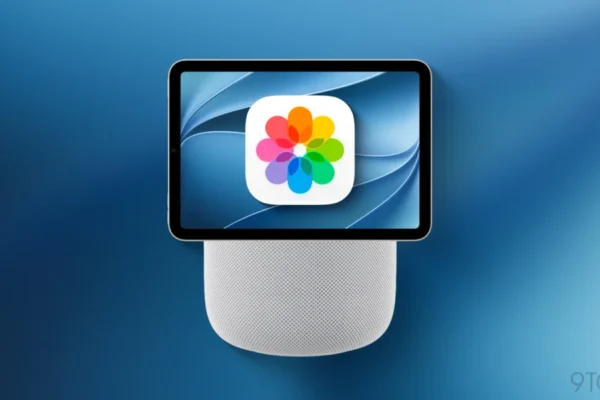
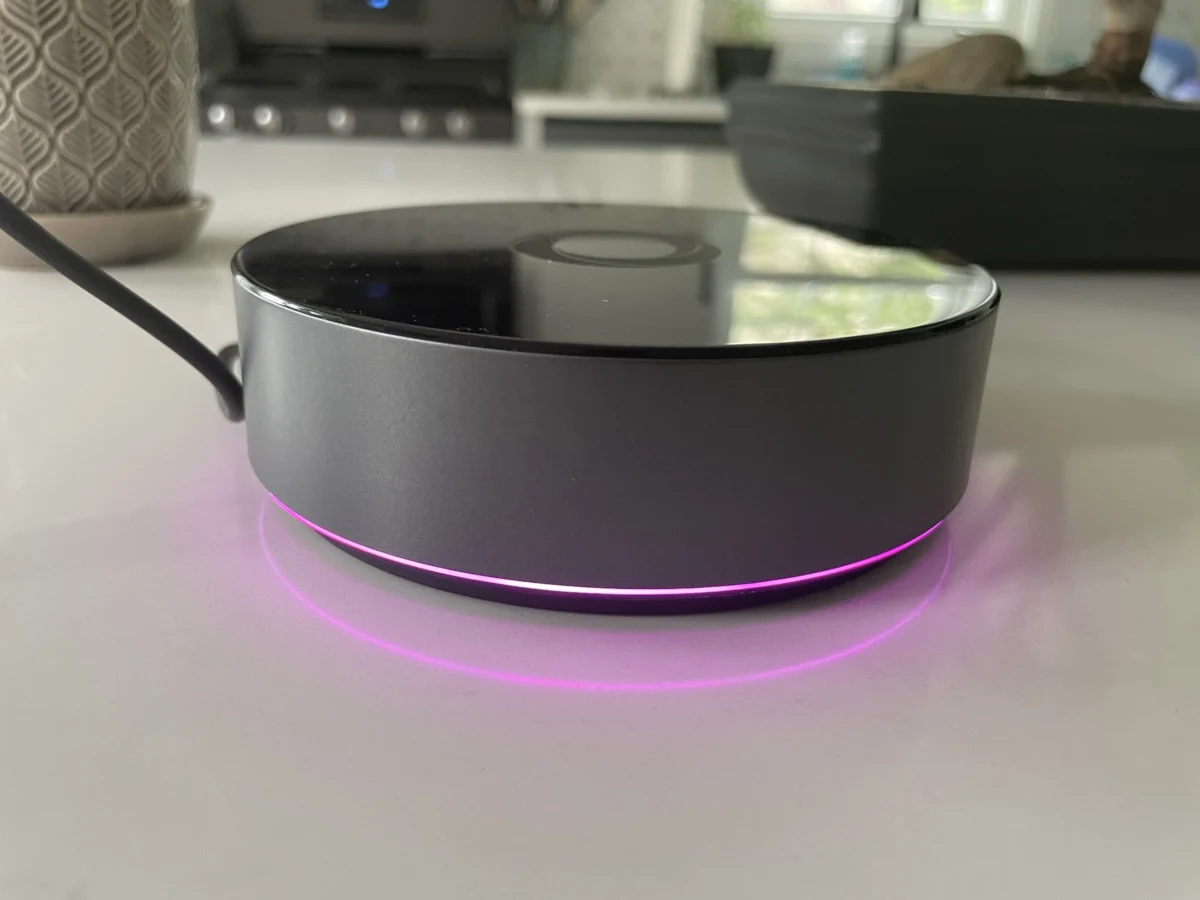
Industry analysts suggest that this partnership is part of a broader "connected home" offensive. This strategy is expected to gain momentum shortly with the introduction of new proprietary Apple hardware, including an updated Apple TV, a next-generation HomePod mini, and a high-end smart home hub—tentatively referred to as the "HomePad"—that will serve as the central nervous system for the ecosystem.
Detailed Product Roadmap and Regulatory Filings
The scale of the partnership is evidenced by recent filings with the U.S. Federal Communications Commission (FCC) and UL Solutions, a leading product safety and certification organization. These regulatory documents, filed by LG in recent weeks, confirm the existence of several upcoming products that will likely be marketed as "Apple Home compatible" or integrated directly into the Apple ecosystem.
The product lineup identified in these filings includes:
- LG Video Doorbell Wired: A high-definition smart doorbell with integrated motion sensing and two-way audio.
- LG Floodlight Cam and Outdoor Cam Plug-In: Weather-resistant security solutions designed for perimeter monitoring.
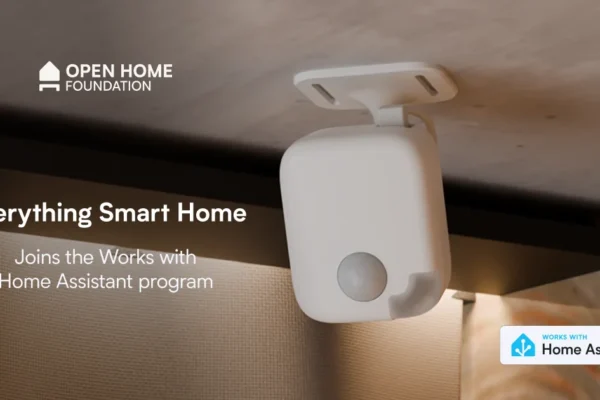
- LG Indoor Cam Plug-In: A compact camera aimed at interior home monitoring.
- LG Smart Deadbolt Lock: A sophisticated locking mechanism featuring Ultra-Wideband (UWB) technology, allowing for proximity-based unlocking as a user approaches with their iPhone or Apple Watch.
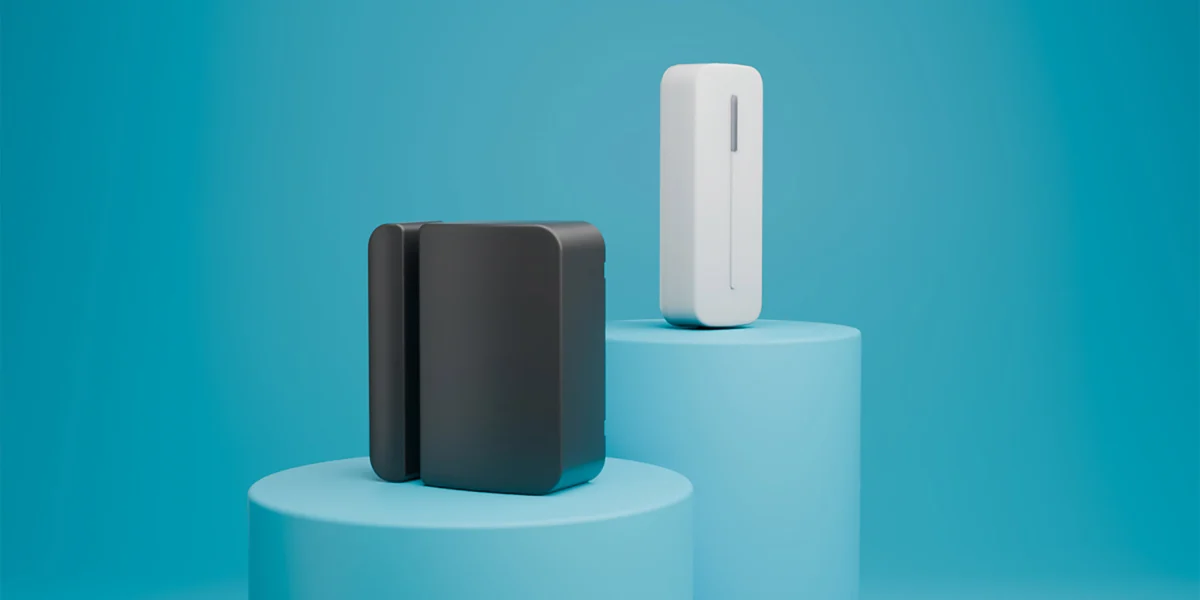
- LG Smart Thermostat and Temperature Sensor: Devices designed to provide granular control over home climate, optimizing for both comfort and energy efficiency.
Crucially, while the filings confirm the specifications and technical capabilities of these devices, they purposefully omit any mention of Apple’s involvement. This reflects a coordinated effort to maintain secrecy until the official product launch, which is projected to occur in the coming months.
Technological Standards and Interoperability
A key requirement for any modern smart home ecosystem is interoperability. The report highlights that the new suite of LG-manufactured products will support a robust array of connectivity standards, including Wi-Fi, Bluetooth, Thread, and Matter.
The inclusion of the Matter standard is particularly significant. Matter is an industry-unifying protocol that allows smart home devices to communicate across different ecosystems, such as Apple Home, Amazon Alexa, and Google Home. By adopting Matter, Apple and LG are signaling a commitment to a more open, user-friendly environment, reducing the "walled garden" friction that has historically hampered smart home adoption.

The integration of Ultra-Wideband (UWB) in the smart deadbolt is perhaps the most notable technical feature. UWB provides precise spatial awareness, which is far more secure and reliable than traditional Bluetooth-based proximity unlocking. This feature underscores Apple’s emphasis on "privacy-centric" security, a recurring theme in the company’s recent marketing and engineering philosophy.
Strategic Implications of the Second-Party Model
The decision to utilize LG as a second-party manufacturer serves as a strategic hedge for Apple. In the consumer electronics sector, the cost of entering a new product category is not limited to research and development; it includes the complex logistics of global manufacturing, inventory management, and the provision of long-term technical support.
By offloading the manufacturing and support responsibilities to LG, Apple can focus its internal resources on what it does best: software integration, UI/UX design, and ecosystem synergy. Apple retains the ability to "tailor their features and oversee engineering," ensuring that the final product feels like an Apple device, even if the LG logo appears on the exterior. This model is reminiscent of the way Apple collaborates with other manufacturing partners for its primary device lines, but with a more significant degree of control over the initial design specifications.
The Broader Vision: The Future of the Smart Home
Looking beyond the LG-manufactured accessories, Apple’s roadmap for the smart home is becoming increasingly clear. Insiders suggest that the company is currently developing several "next-generation" devices to bolster its ecosystem:
- Robotic-Arm Hub: A version of the smart home hub that features a screen mounted on a robotic arm, allowing the display to track the user as they move throughout a room.
- Privacy-Centric Monitoring: New dedicated hardware focused on in-home monitoring, emphasizing end-to-end encryption and local processing to alleviate consumer privacy concerns.
- In-Home Security Service: A professional monitoring subscription service, which would place Apple in direct competition with legacy home security providers.
These developments, combined with the new LG hardware, suggest that Apple is no longer content to merely provide a platform for third-party gadgets. The company is actively building an integrated, end-to-end smart home environment that spans from the hub on the kitchen wall to the lock on the front door.

Timeline and Market Outlook
While the industry expects Apple to unveil its new smart home hub and other proprietary hardware in the immediate future, consumers should not expect to see the LG-branded accessories on retail shelves for several months. The lag between regulatory filing and market availability is standard for consumer hardware, as it allows for final quality assurance testing, inventory staging, and the synchronization of marketing campaigns.
The shift toward a more cohesive hardware strategy arrives at a critical juncture. The smart home market has long been characterized by fragmentation and user frustration. By establishing a standard-setting, high-quality, and deeply integrated ecosystem, Apple is positioned to capture a significant share of the market from competitors that have historically relied on disparate third-party partnerships.
For LG, the partnership offers a unique opportunity to gain prominence within the lucrative Apple ecosystem, potentially driving sales of its own branded appliances. For Apple, it provides a low-risk, high-reward path to scaling its smart home ambitions. As the company continues to refine its "HomeKit reboot," the coming months will likely reveal whether this hybrid approach to hardware production is the missing piece in Apple’s quest to own the domestic connected landscape.