







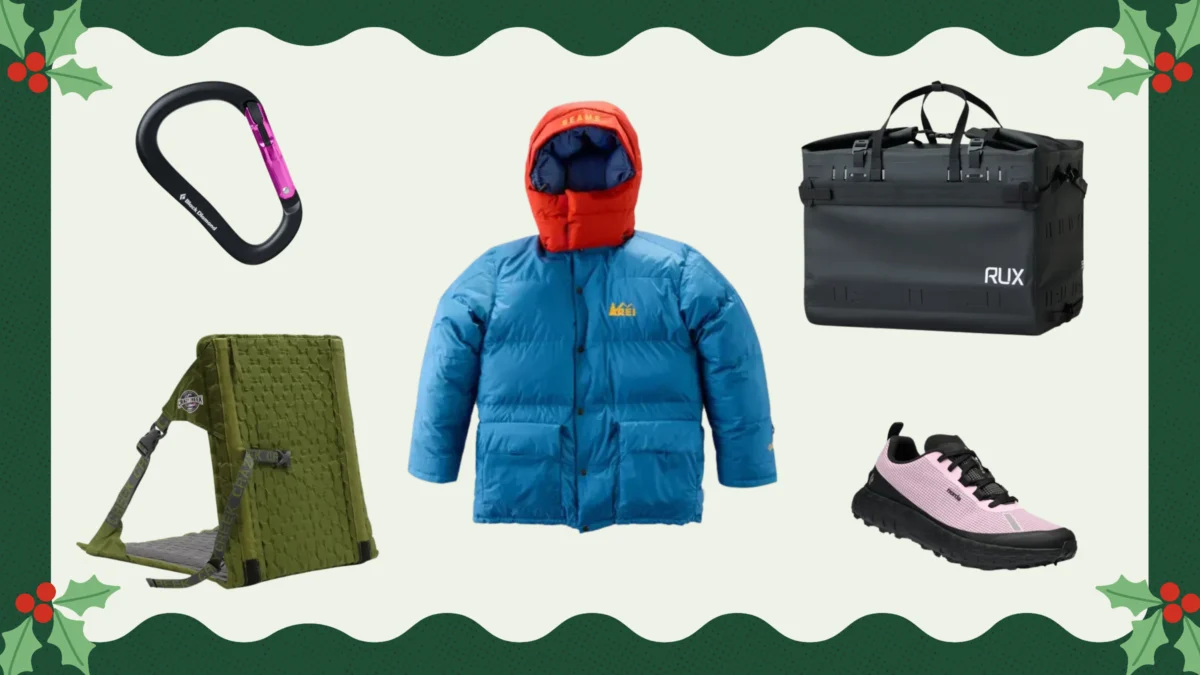
Finding the perfect gift for the individual who seems to possess every piece of technical gear imaginable often presents a significant challenge. However, industry analysts and retail experts suggest that this scenario should be viewed as an opportunity to shift from utilitarian requirements to items characterized by heritage, novelty, or artisanal craftsmanship. As the outdoor retail sector continues to evolve, market data from late 2026 indicates a growing consumer preference for limited-edition collaborations and "experience-based" hardware that serves as an antidote to the ubiquity of mass-produced equipment. The following selection of twelve items—ranging from DIY kits to limited-run archival apparel—represents a cross-section of current trends in outdoor recreation, balancing functional performance with unique design narratives.
The Shift Toward Niche Gear and Archivism
The current retail landscape for outdoor equipment has been heavily influenced by a surge in "archival" interest, where heritage brands are digging into their own historical records to reissue classic designs. This trend, bolstered by the success of collaborations between legacy outdoor companies and lifestyle labels, has created a secondary market for items that are as much about storytelling as they are about utility.
According to retail market reports, spending in the "gift-specialty" outdoor category typically peaks in early November, as consumers move away from core equipment needs—such as sleeping bags or tent systems—and toward peripheral items that enhance the overall outdoor experience. The following breakdown categorizes these items by price, reflecting the varying degrees of investment required for unique, specialized gear.
Entry-Level Innovation: Items Under $60
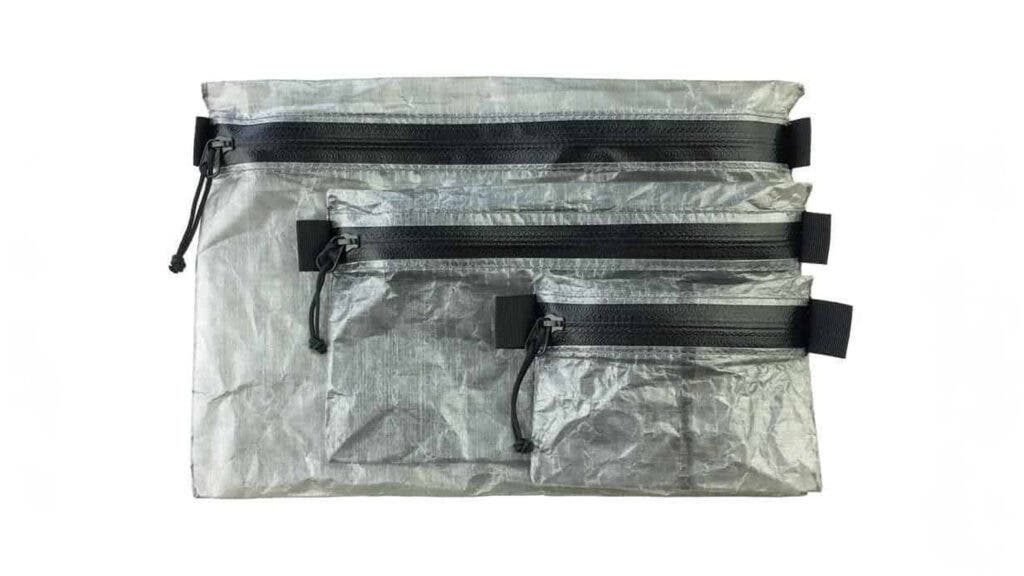
For the budget-conscious gift-giver, the focus is increasingly on modularity and personal utility. The Ripstop by the Roll DIY Zipper Pouch Kit, retailing from $12, exemplifies the "maker movement" within the outdoor community. By providing the essential components—Dyneema composite fabric, YKK zippers, and specialized hardware—the kit appeals to the demographic that values the customization of their own load-out. This reflects a broader trend toward DIY gear repair and construction, a movement that has seen a 15 percent growth in hobbyist participation over the last three years.
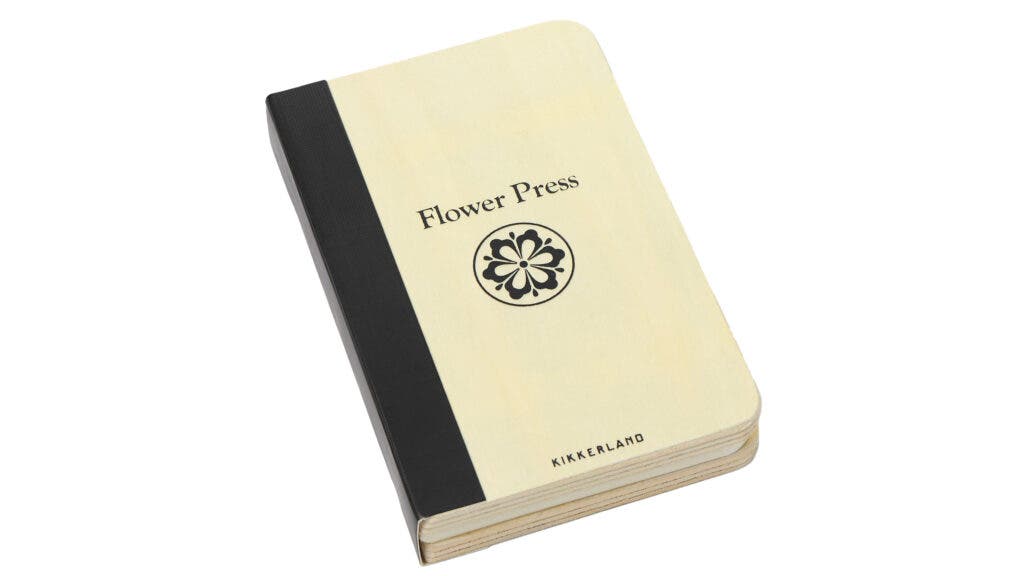
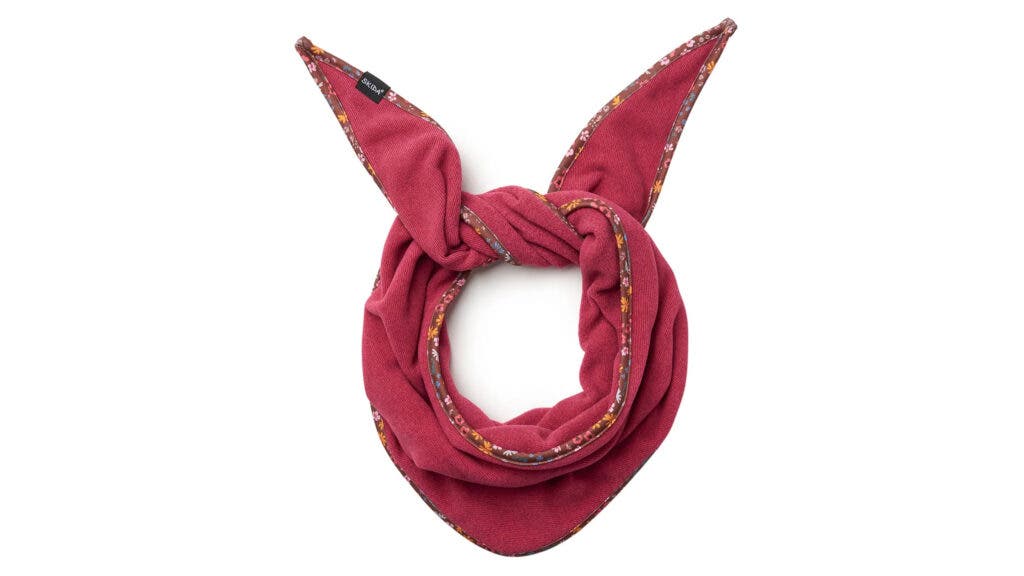
Similarly, the Kikkerland Flower Press ($12) targets the intersection of outdoor recreation and natural history. By facilitating the preservation of botanical samples, the item encourages a slower, more observational approach to hiking. Complementing this is the Skida Scarflette ($55), a piece of apparel that leverages Polartec Alpha microfleece technology to provide a high warmth-to-weight ratio. Its popularity is bolstered by the use of distinct, limited-run patterns that allow users to express individuality within a highly technical wardrobe.
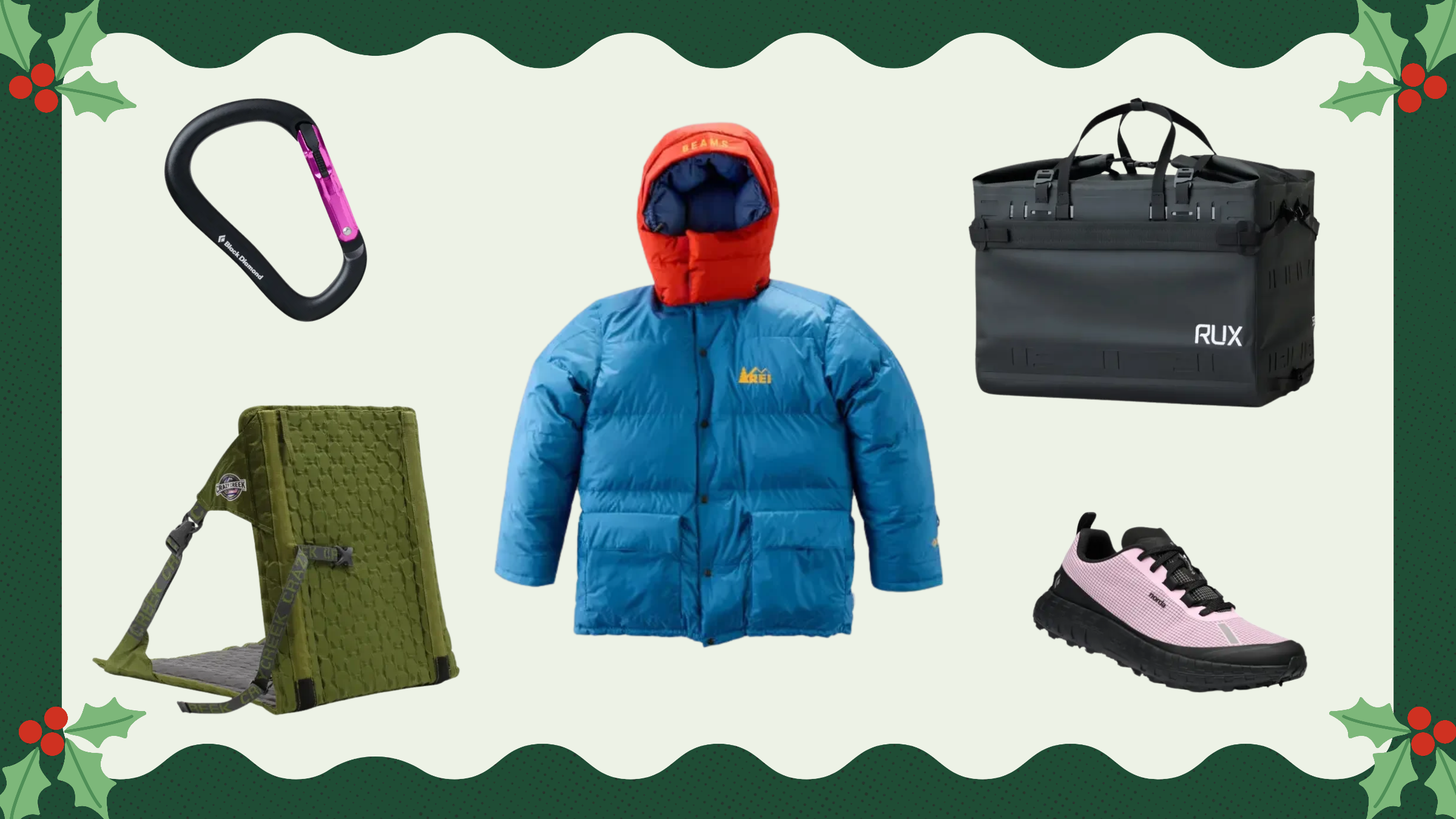
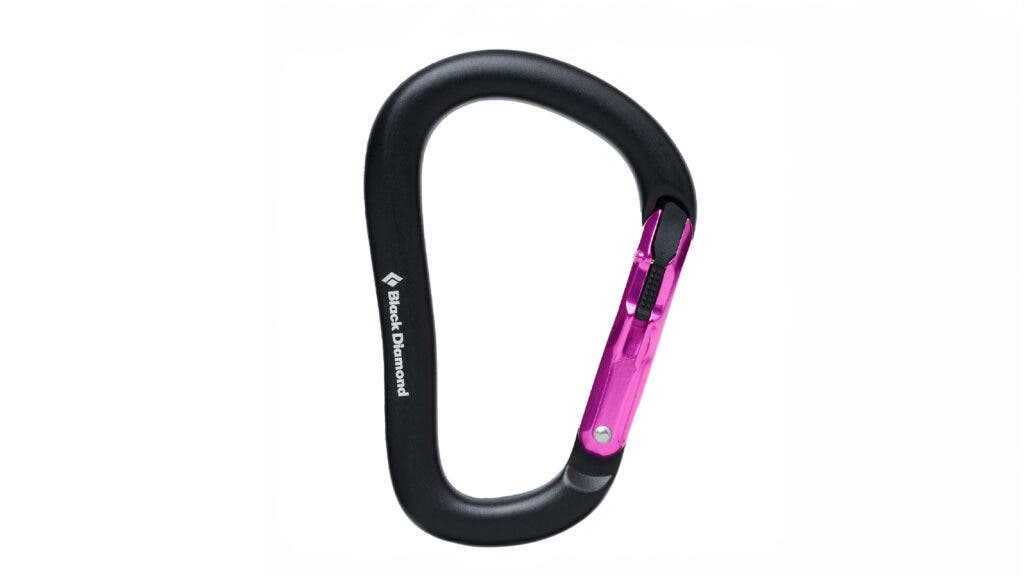
Perhaps most significant in this price bracket is the return of the Black Diamond RockLock Magnetron Carabiner ($55). After a six-year hiatus, its reintroduction highlights a specific segment of the climbing market that prioritizes safety innovations; the magnetic locking gate represents a technological departure from traditional screw-gate mechanisms, reducing the potential for user error.
The Mid-Tier Market: $61 to $200
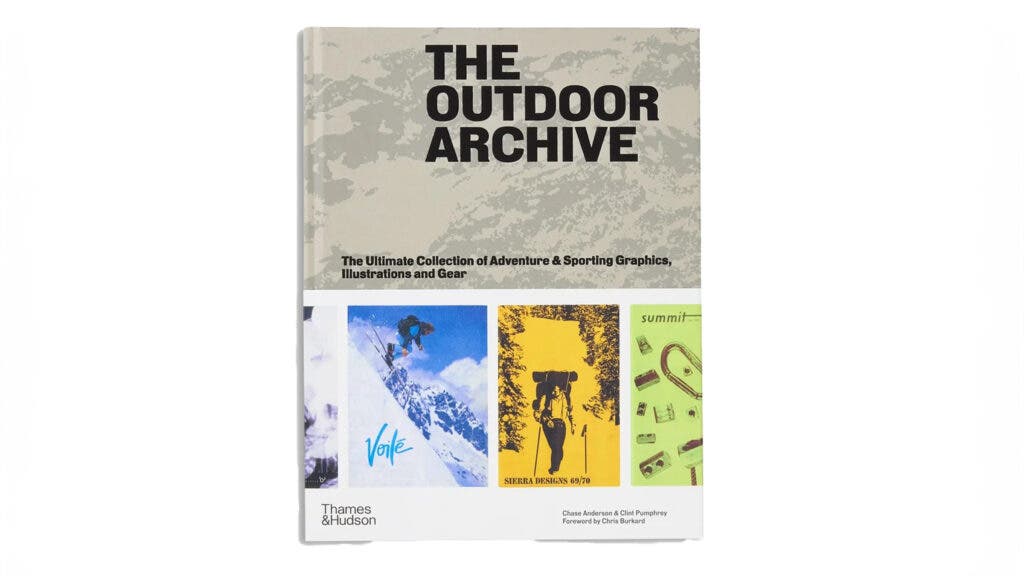
As the price point increases, the value proposition shifts toward prestige and historical relevance. The Outdoor Archive, a publication by Thames & Hudson ($69), serves as a visual document of the industry’s trajectory. By cataloging decades of product evolution from brands like The North Face and Snow Peak, the book provides context for the gear used by contemporary adventurers.
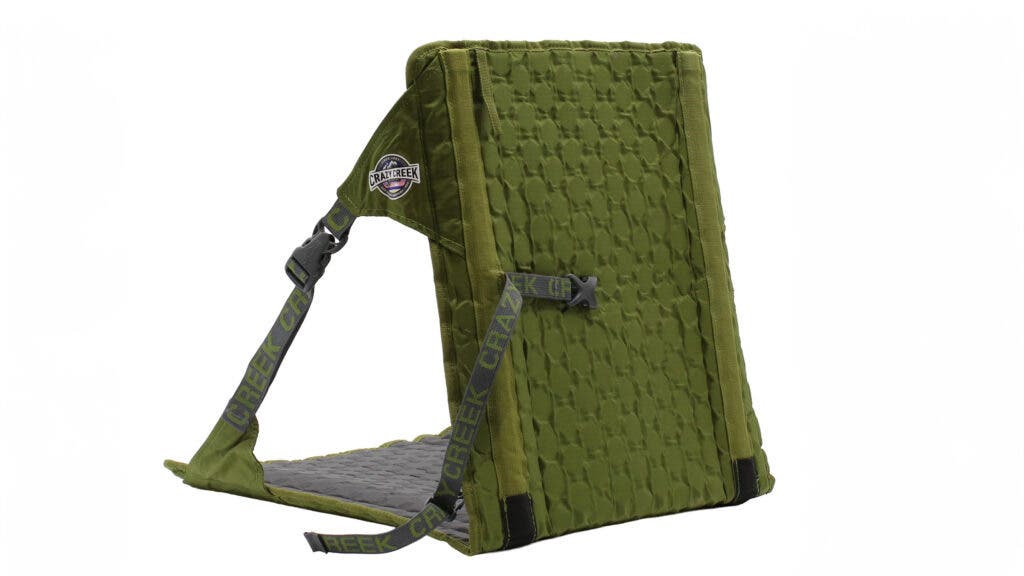
The Crazy Creek Hex 2.0 Original Chair ($70) remains a staple of the outdoor seating category. Its design, which has seen minimal changes over the years due to its high efficiency, demonstrates the market’s demand for multi-functional items. The chair serves as a stadium seat, a sleeping pad, and a thermal barrier against cold ground, making it an essential, if non-obvious, piece of gear.
In the kitchen-ware category, the Snow Peak Autumn Stacking Mug Set ($110) occupies a luxury space. While functional camp mugs are abundant, the brand’s focus on aesthetics and material quality—specifically the golden, autumnal-themed finish—positions it as a lifestyle object rather than a mere vessel. This is further elevated by the Camp Snap CS8 Point and Shoot Video Camcorder ($199). In an era of high-definition smartphone cameras, the Camp Snap’s success is rooted in its "lack of features"—specifically the absence of a playback screen. This forces a return to the tactile, intentional process of recording, a trend that mirrors the analog photography resurgence.
High-End Exclusives and Limited Runs: Over $200
At the higher end of the market, the focus is on scarcity and technical excellence. The BD x Norda 000 Trail Shoes ($295) represent a pinnacle of collaborative engineering. By merging Black Diamond’s climbing heritage with Norda’s expertise in bio-based materials and extreme-terrain footwear, the shoe has become a symbol of high-performance fashion. Industry experts note that such collaborations are intentionally limited in production to maintain brand equity and exclusivity.
For gear management, the RUX Waterproof Duffel Box ($390) provides a sophisticated solution to a perennial problem: organization. Utilizing 840-denier TPU-coated nylon, the box is designed to be "bombproof," reflecting the trend toward durable, modular storage systems that can transition seamlessly from the trunk of a vehicle to the base of a crag.
The apparel sector sees a similar focus on history. The Dale of Norway 1994 Lillehammer Wool Sweater ($390) is an authentic recreation of a historical piece, updated with modern yarn technology. It satisfies the demographic that prioritizes heritage over the latest synthetic trends. Finally, the REI x BEAMS Expedition Parka ($599) stands as the most exclusive item in this collection. Limited to only 500 units, the parka is a result of a direct archival project, pulling from REI’s 1986 design catalog. This level of exclusivity often results in rapid sell-outs, signaling a robust secondary market interest in vintage-inspired performance wear.
Implications for the Outdoor Retail Industry
The prevalence of these items in the 2026 holiday season points to a maturation of the outdoor consumer base. Customers are no longer satisfied with standard equipment; they are seeking products that offer a narrative, a connection to history, or an opportunity for personal creative expression.
The rise of the "archival" trend, specifically, suggests that outdoor brands are increasingly viewing themselves as cultural institutions rather than just manufacturers. By re-releasing legacy designs or partnering with high-fashion retailers like BEAMS, these companies are effectively creating a bridge between outdoor utility and street-level fashion.
Furthermore, the emphasis on DIY kits and analog technology, such as the Camp Snap camera, indicates a pushback against the "digital saturation" of the modern outdoors. As more people spend time in remote environments, there is a clear, data-backed desire to decouple from the smartphone-driven experience. The willingness of consumers to pay premium prices for these niche items—ranging from a $12 DIY pouch to a $599 limited-edition parka—confirms that the market for high-quality, story-driven gear remains exceptionally strong as we head into the 2027 calendar year.

In conclusion, the strategy for gifting to the "person who has everything" is to identify the intersection of their specific outdoor pursuit and the growing desire for items that provide a deeper, more intentional connection to the activities they love. Whether through the lens of history, the challenge of a DIY project, or the scarcity of a limited-run collaboration, these gifts offer value that transcends basic functionality.