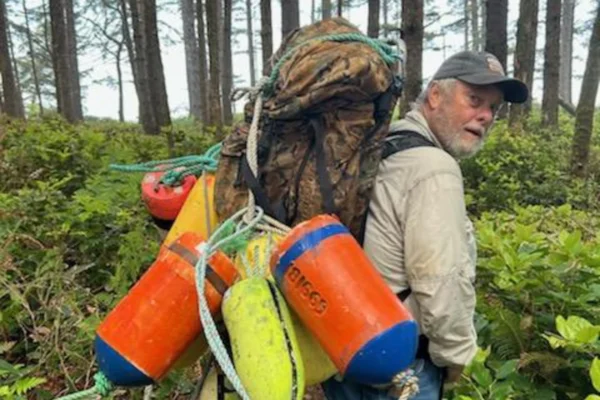










The intersection of advanced textile engineering and ultra-lightweight backpacking faced a rigorous real-world test when a solo traveler spent 25 consecutive days wearing a single set of specialized garments across Washington state without standard laundering. Traversing a demanding landscape that transitioned from the rugged western Cascades to the arid expanses of the Yakima River valley, the experiment evaluated whether emerging "laundry-free" apparel technologies could effectively combat bacterial growth, body odor, and physical degradation under extreme conditions.
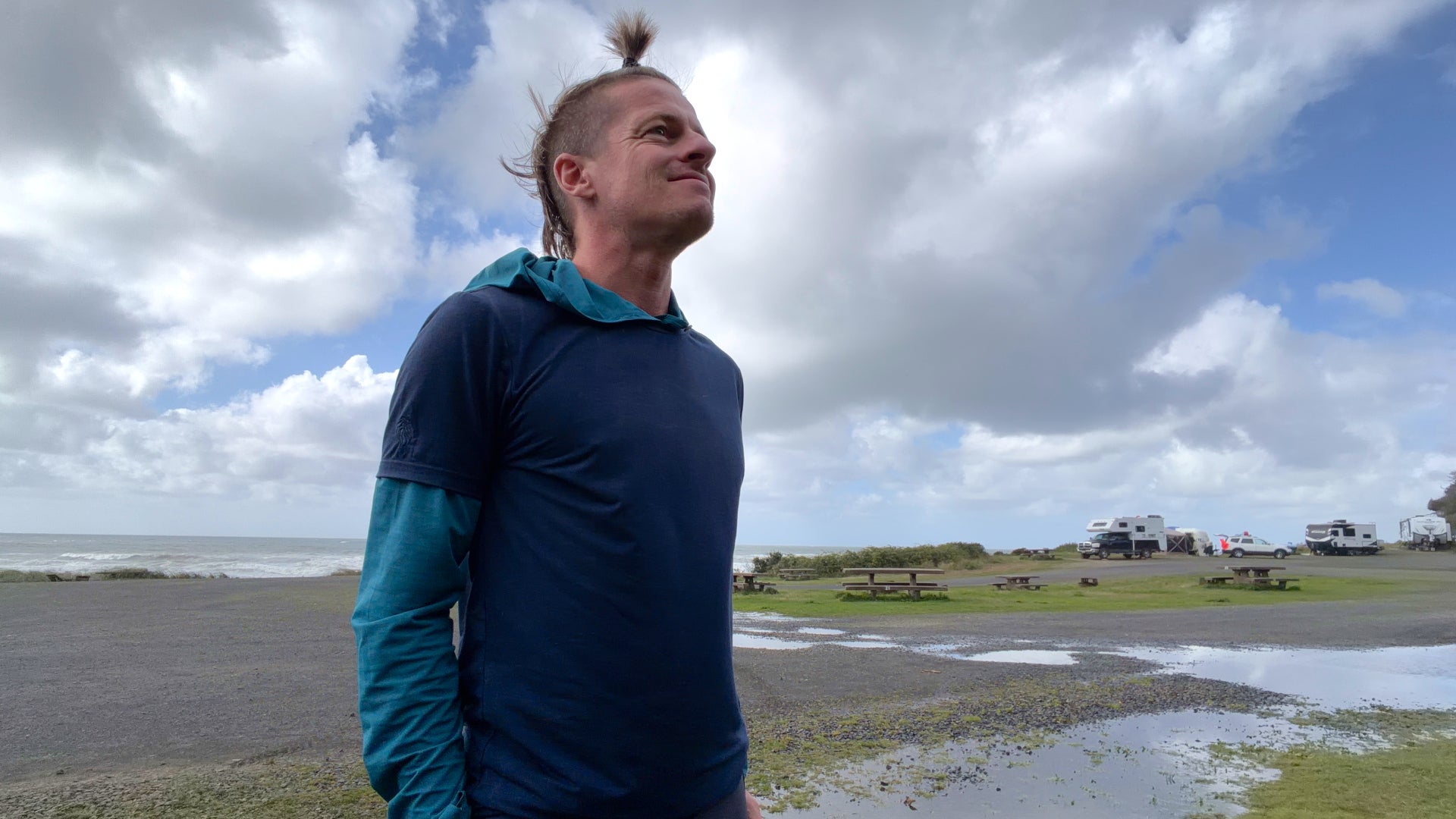
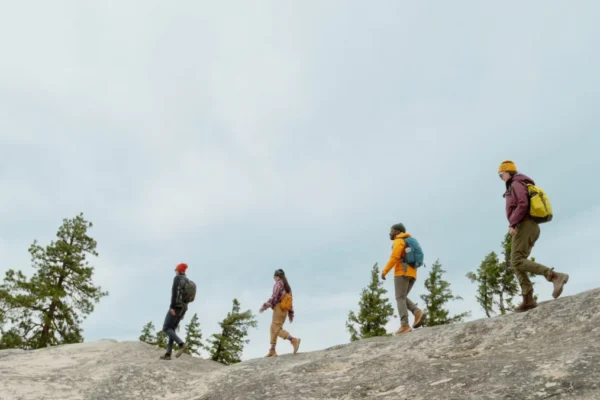
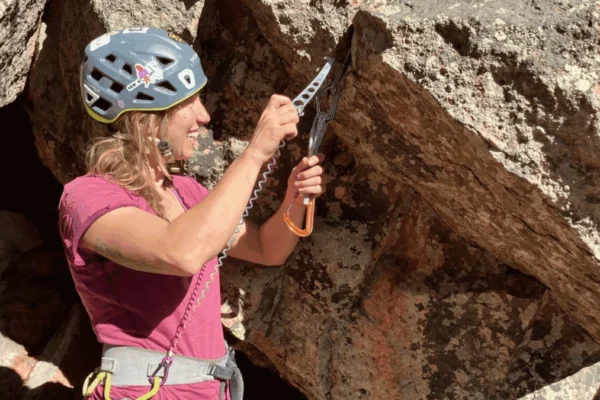
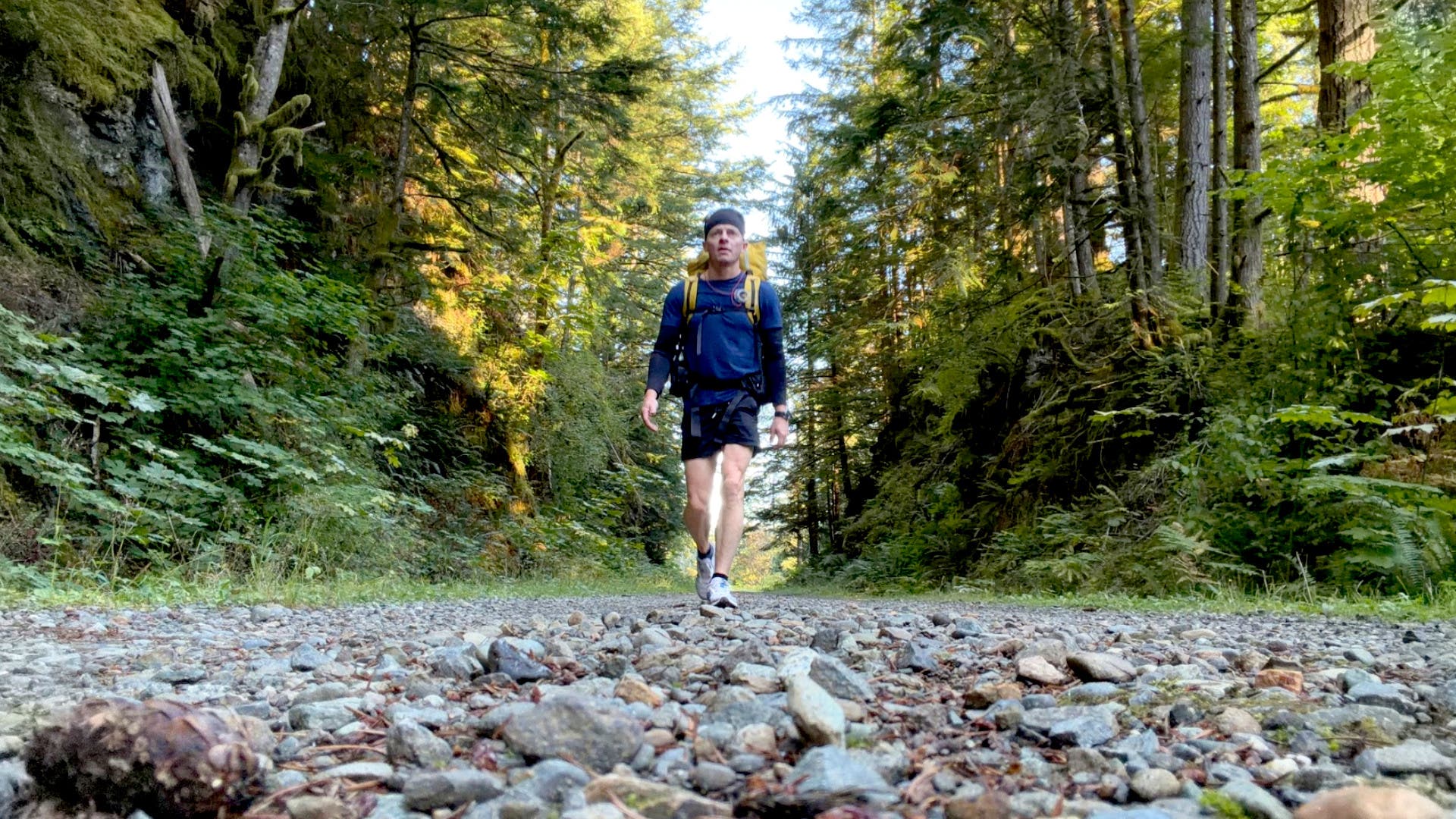
The expedition, originally mapped as a 330-mile segment of the Great American Rail Trail, required a minimalist wardrobe to reduce pack weight—a primary factor in long-distance hiking comfort. The participant equipped himself with items engineered by outdoor apparel manufacturer Patagonia and textile startup HercLeon, alongside quick-drying accessories from Lunatec. Despite an unexpected foot injury that truncated the continuous hiking portion at 60 miles, the field test was extended to include rock climbing, van camping, and rural town integration, subjecting the clothing to more than three weeks of continuous wear, heavy perspiration, smoke exposure, and outdoor labor.
The Science of Odor: Bacterial Proliferation and Textile Response
To evaluate the performance of these advanced textiles, it is necessary to examine the biological mechanisms of human body odor. Skin continuously generates natural oils, dead cells, and protein- and lipid-composed fluids from apocrine glands located in areas such as the armpits and groin. These secretions provide a constant nutrient source for resident skin bacteria. When these microorganisms metabolize the secretions and expel waste, volatile organic compounds are produced, resulting in distinct body odors.
Traditional synthetic fabrics, such as standard polyester, present specific challenges in multi-day wilderness scenarios. While polyester repels water, it inherently attracts and binds to skin oils. In standard laundering, these oils—alongside trapped bacteria and organic debris—frequently resist water penetration, leading to long-term odor retention commonly referred to as "permastink." Conversely, merino wool absorbs moisture into its core while repelling oils, keeping bacteria partially deprived of water.
The gear selected for the Washington expedition utilized proactive antimicrobial and moisture-management technologies designed to disrupt this cycle at the microscopic level.
Material Breakdown and Field Performance
HercLeon HercShirt and Boxer Briefs
HercLeon’s apparel incorporates a proprietary manufacturing method known as a "masterbatch," wherein microscopic particles of copper and charcoal are blended directly into the raw textile material—specifically lyocell, a wood-pulp-derived fiber—before spinning.
When damp, the embedded copper particles release antimicrobial ions that compromise bacterial cell walls, inhibiting proliferation. Simultaneously, the activated charcoal structure traps developed odor molecules. Furthermore, a plasma modification process applied during production alters the surface energy of the fibers, causing sweat to spread rapidly for accelerated evaporation rather than pooling against the skin.
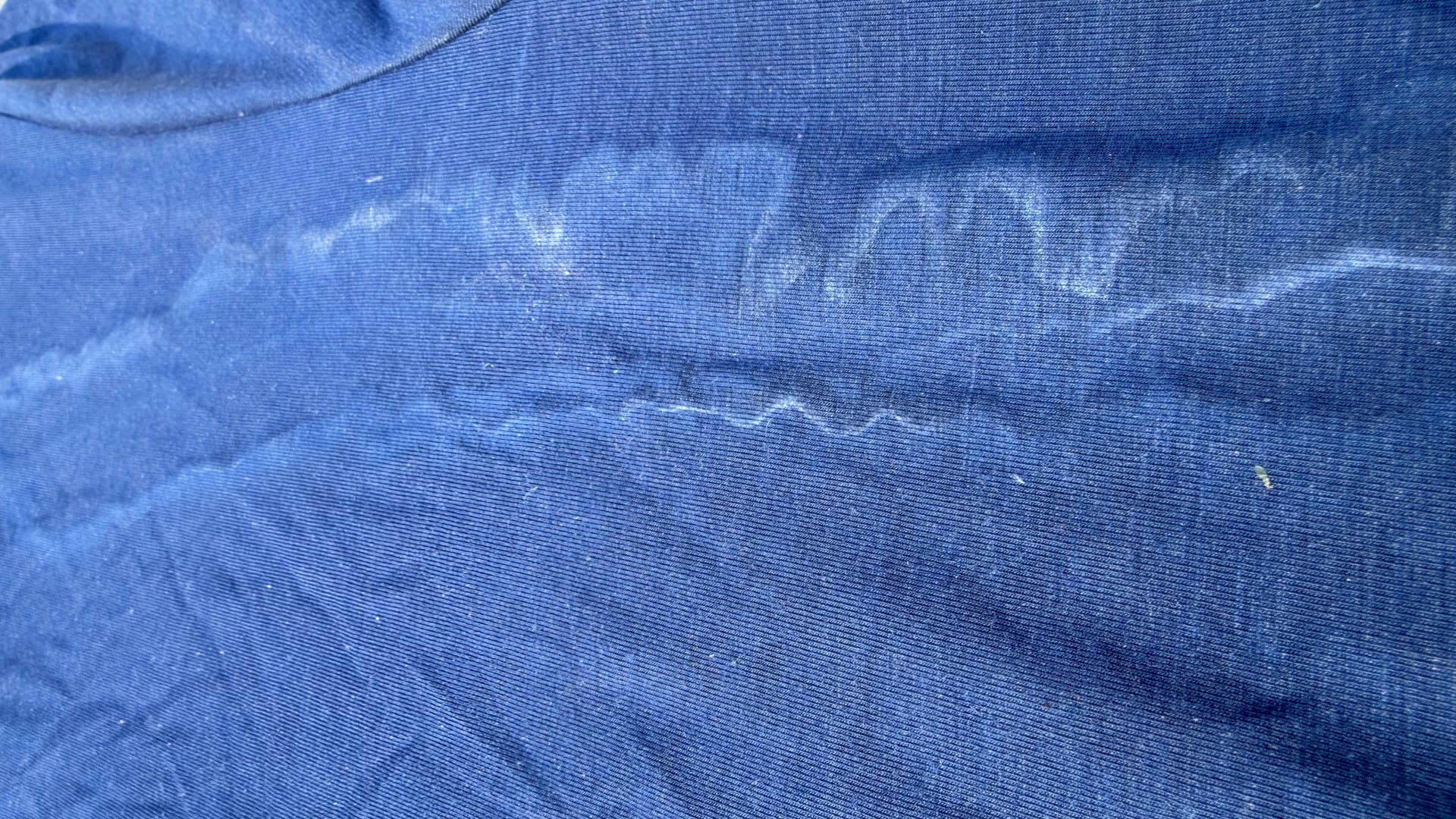
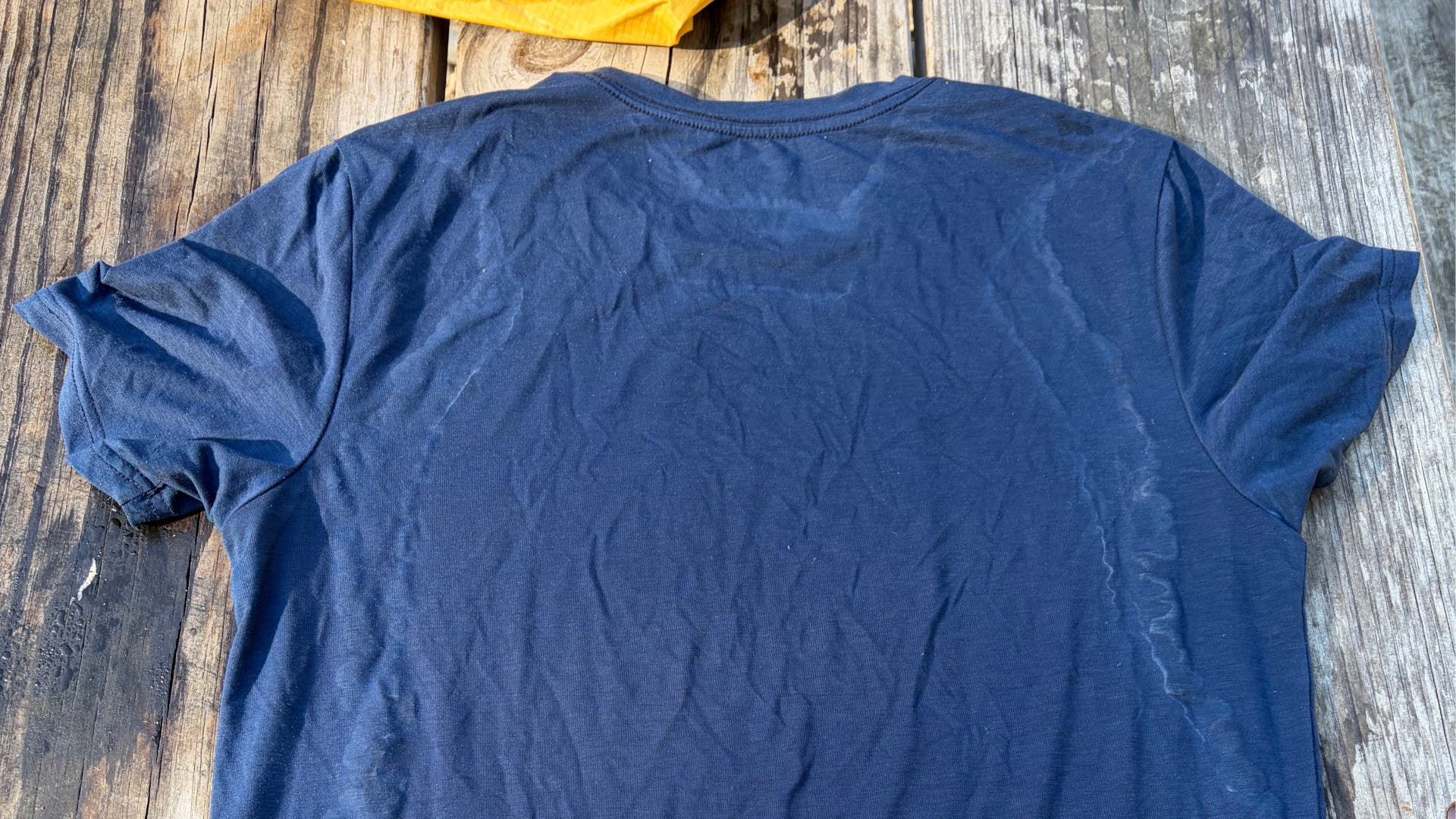
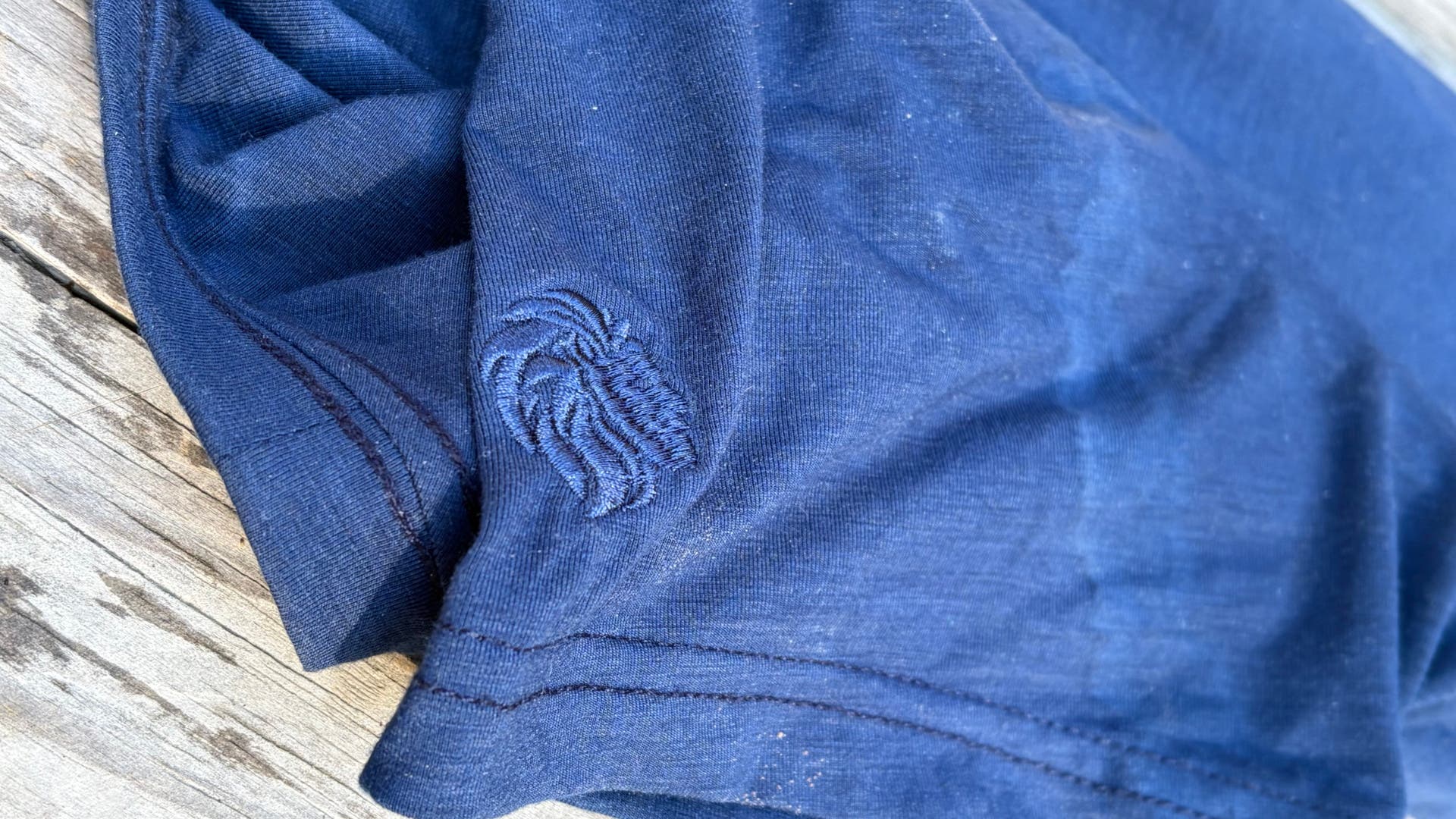
During the 25-day test, the HercShirt maintained its structural integrity, stretch, and deep navy coloration, exhibiting no permanent collar stretching or permanent underarm discoloration despite frequent exposure to rain, sweat, and camp smoke. While minor odor accumulation became noticeable in the final week—aligning closely with the manufacturer’s stated 10-day freshness threshold for continuous wear—the garment remained socially acceptable in public spaces.
The HercUnderwear 2.0 boxer briefs underwent a similar regimen. Supported by periodic sink rinses using basic soap and ocean dunks, a single primary pair was worn for intervals of up to nine days before requiring cleansing, significantly outperforming standard polyester-spandex alternatives that typically reached their threshold within four days.
Patagonia Capilene Cool Ultra Hoody
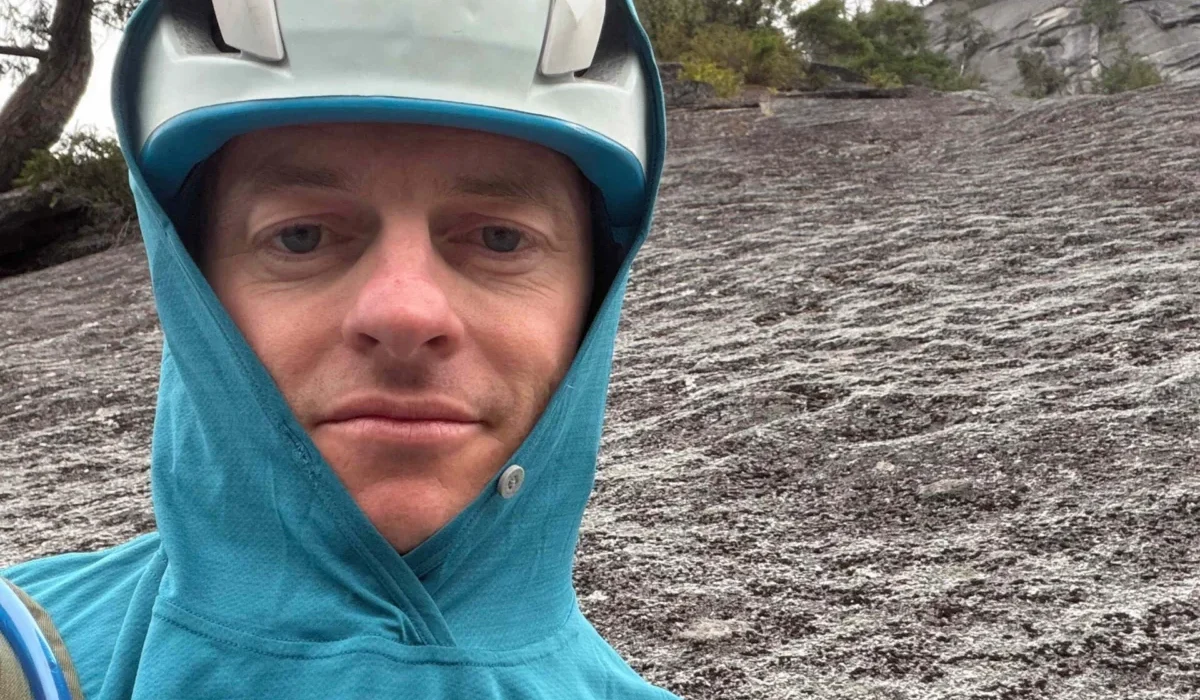
Patagonia’s lightest summer-weight sun hoody served as an essential upper-layer component during unseasonably high temperatures and damp alpine mornings. The garment relies on HeiQ Mint, a bio-based deodorizing treatment utilizing essential mint oils encapsulated within a proprietary matrix. According to the manufacturer, the capsules trap odor molecules during active wear and release them when exposed to the alkalinity of soapy water during laundering.
Although the hoody lacked the permanent copper integration of the HercLeon garments, it successfully controlled odor accumulation through the duration of the trip. Because the fabric dried rapidly, periodic river rinses effectively maintained its freshness without requiring conventional machine washing.
Lunatec Fast-Drying Washcloths and Dishcloths
Supplementing the apparel were 100% nylon, loosely woven camp cloths from Lunatec marketed as "never needs washing." Relying entirely on a diffuse physical weave rather than chemical treatments, the dishcloth and washcloth facilitated debris removal and quick-drying sanitation for both camp kitchenware and personal hygiene. The open structure prevented organic matter from embedding within the fibers, allowing simple water rinses to restore the cloths between uses.
Economic and Practical Implications for Outdoor Recreation
The successful completion of a three-week expedition using a minimal clothing rotation highlights broader shifts in outdoor apparel engineering and consumer habits. For long-distance backpackers and thru-hikers, reducing the volume and weight of spare clothing decreases pack loads, potentially lowering the incidence of exertion-related injuries and fatigue.
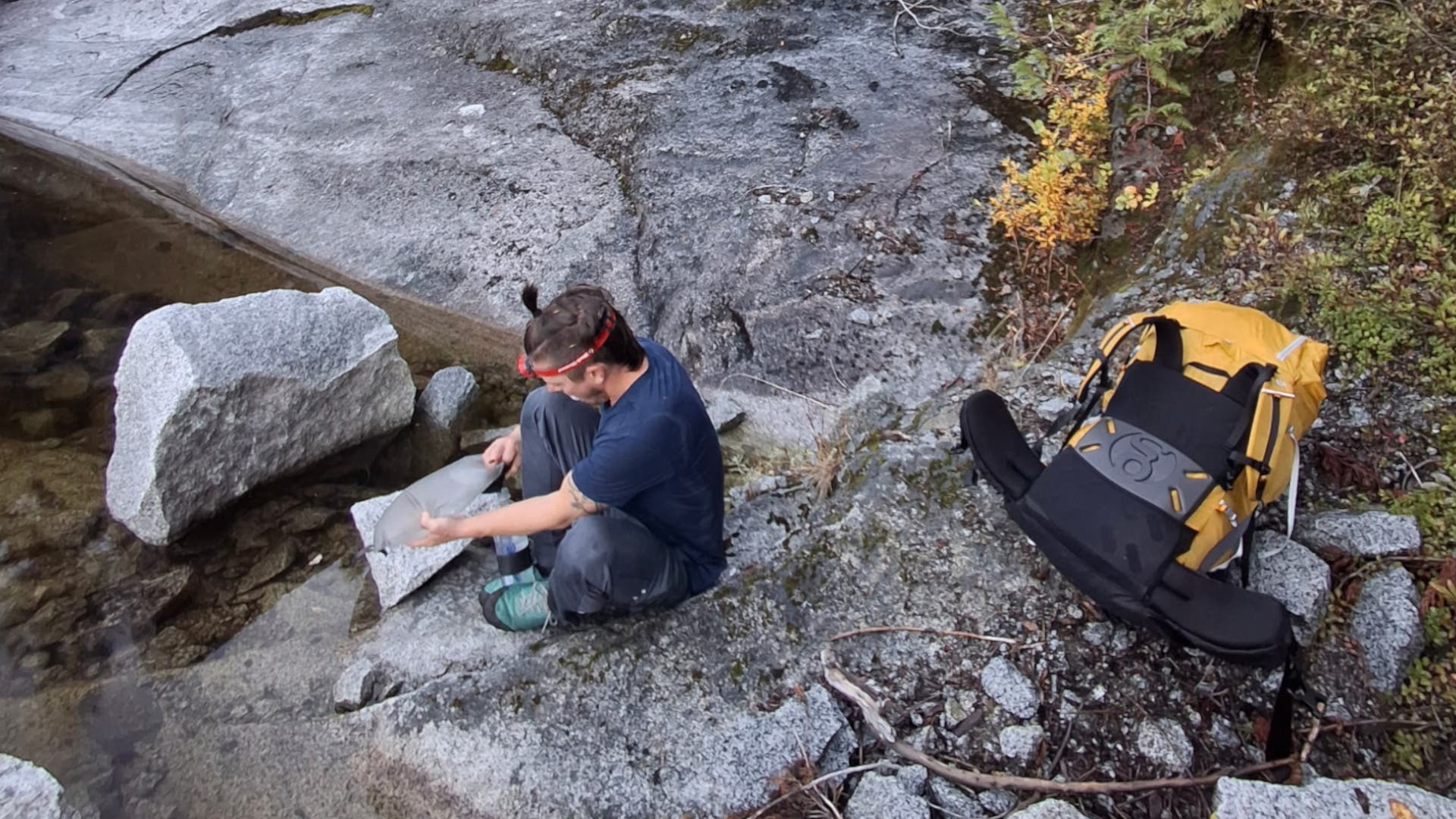
Furthermore, minimizing laundry frequency in remote or resource-limited environments addresses logistical challenges associated with extended backcountry travel. By relying on textiles treated with antimicrobial ions, botanical encapsulations, and advanced moisture-management properties, travelers can sustain baseline hygiene and social acceptability without access to washing facilities or excessive water consumption.
As textile technology advances, manufacturers continue to scale these innovations beyond niche outdoor markets into everyday consumer wear. While premium pricing—such as $130 for specialized copper-infused T-shirts—remains a barrier for widespread adoption, the extended lifecycle and reduced maintenance requirements of anti-odor garments offer measurable utility for high-activity lifestyles and resource-conscious consumers alike.