









The aesthetic of the Hollywood Golden Age, spanning roughly from 1920 to 1960, remains one of the most influential visual languages in modern cinema and portraiture. Defined by high-contrast lighting, meticulously crafted shadows, and an aura of aspirational sophistication, this era produced iconic imagery of stars such as Audrey Hepburn, Marilyn Monroe, and Clark Gable. Today, contemporary photographers are increasingly revisiting these techniques to move away from the "flat" or overly ambient lighting styles that have dominated digital portraiture for the last decade. By utilizing intentional lighting setups, historical posing techniques, and specific post-production workflows, modern practitioners can replicate the gravitas and cinematic quality that once defined the silver screen.
The Evolution of Portrait Lighting Trends
In the early 20th century, studio photographers were limited by the sensitivity of film stock and the sheer scale of the lighting equipment required to expose a scene. This necessity bred invention; technicians developed "hard" lighting techniques that sculpted the face, creating deep shadows and luminous highlights. This era saw the rise of the Paramount Pictures lighting style, characterized by the "butterfly" or "Paramount" lighting pattern, which placed the main light source high and centered above the subject to create a distinct shadow beneath the nose and define the cheekbones.

As digital photography matured in the early 21st century, there was a significant shift toward "light and airy" photography. This movement favored low-contrast, overexposed, and natural-light-dominant imagery. While this style excelled in wedding and lifestyle contexts, many critics and industry professionals argue that it often leaves portraits lacking depth and purpose. The modern challenge is the loss of "sculptural" quality in the human form. When lighting is too diffuse or uniform, the subject often blends into the background, stripping the image of its narrative strength. Reverting to the high-contrast methodologies of the 1930s and 40s provides a necessary corrective to this trend, offering a stylized, intentional look that commands the viewer’s attention.
Chronology of the Hollywood Glamour Aesthetic
The transition from silent films to "talkies" in the late 1920s necessitated a change in how stars were presented to the public. Studios realized that static portraiture was a vital marketing tool to build a star’s brand. Between 1930 and 1950, the "glamour shot" became a specialized discipline. Photographers like George Hurrell, often considered the master of this aesthetic, utilized massive tungsten lights and heavy diffusion to soften the skin while maintaining sharp, dramatic edges.
The technical methodology during this period followed a rigid sequence:

- Ambient Control: Studios were often pitch-black, allowing the photographer total control over the light hitting the film plane.
- Key Light Placement: A single, powerful source was placed to carve out the facial features.
- Fill and Rim Lighting: Secondary lights were used sparingly to separate the subject from the dark background, a technique known as "rim lighting" or "hair lighting."
- Retouching: In the era of analog film, retouching was a manual, physical process involving etching the negatives with specialized pencils—a precursor to modern digital skin smoothing.
Technical Implementation: A Four-Step Framework
For the modern photographer, replicating this look requires a departure from the "all-available-light" mentality. Achieving this level of quality requires a structured, multi-step technical approach.
Step 1: Establishing the Foundation with Ambient Exposure
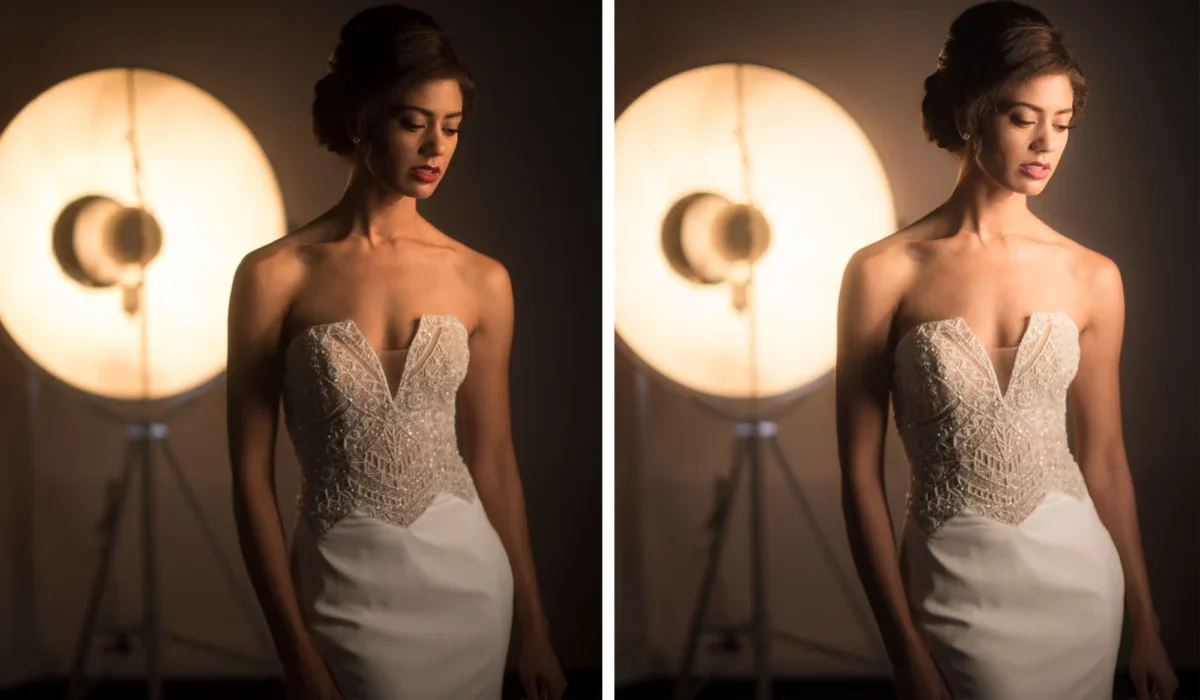
The primary error in contemporary portraiture is the failure to control the ambient light of the environment. To achieve a cinematic look, the photographer must intentionally "underexpose" the room. By dialing down the exposure to the point where the background is nearly black, the photographer creates a blank canvas. This is the foundation of high-contrast photography; by removing the clutter of the background through shadow, the subject becomes the sole point of visual interest.
Step 2: Strategic Light Sources and Multi-Point Setups
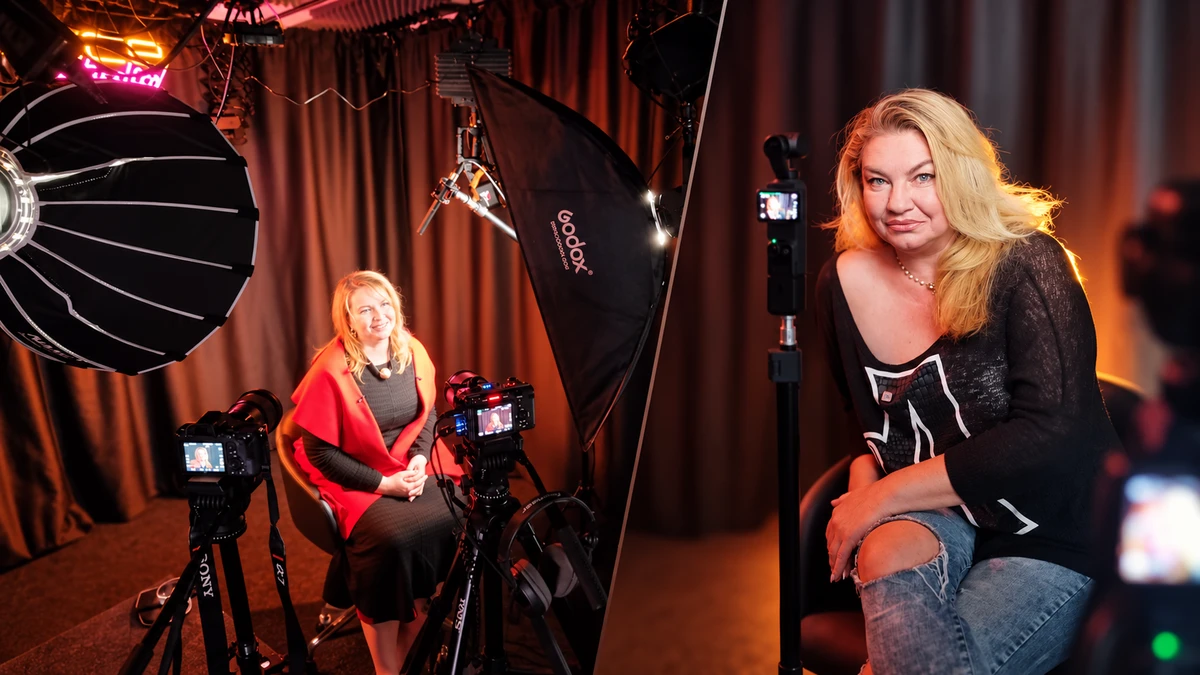
Modern equipment offers advantages that Golden Age photographers could only dream of. A contemporary setup utilizes a combination of constant lights and high-speed flash. Using a Kino Flo constant light as a primary "key" provides a soft, cinematic fall-off that mimics the warmth of older studio lamps. To add complexity, a flash unit with a grid attachment can be used at very low power (e.g., 1/64) to act as a "hair light" or "kicker," adding a touch of specular highlight to the subject’s hair or shoulders. Utilizing CTO (Color Temperature Orange) gels on these secondary lights allows the photographer to introduce warmth into the shadows, preventing the image from appearing clinical or cold.

Step 3: Direction and the Editorial Pose
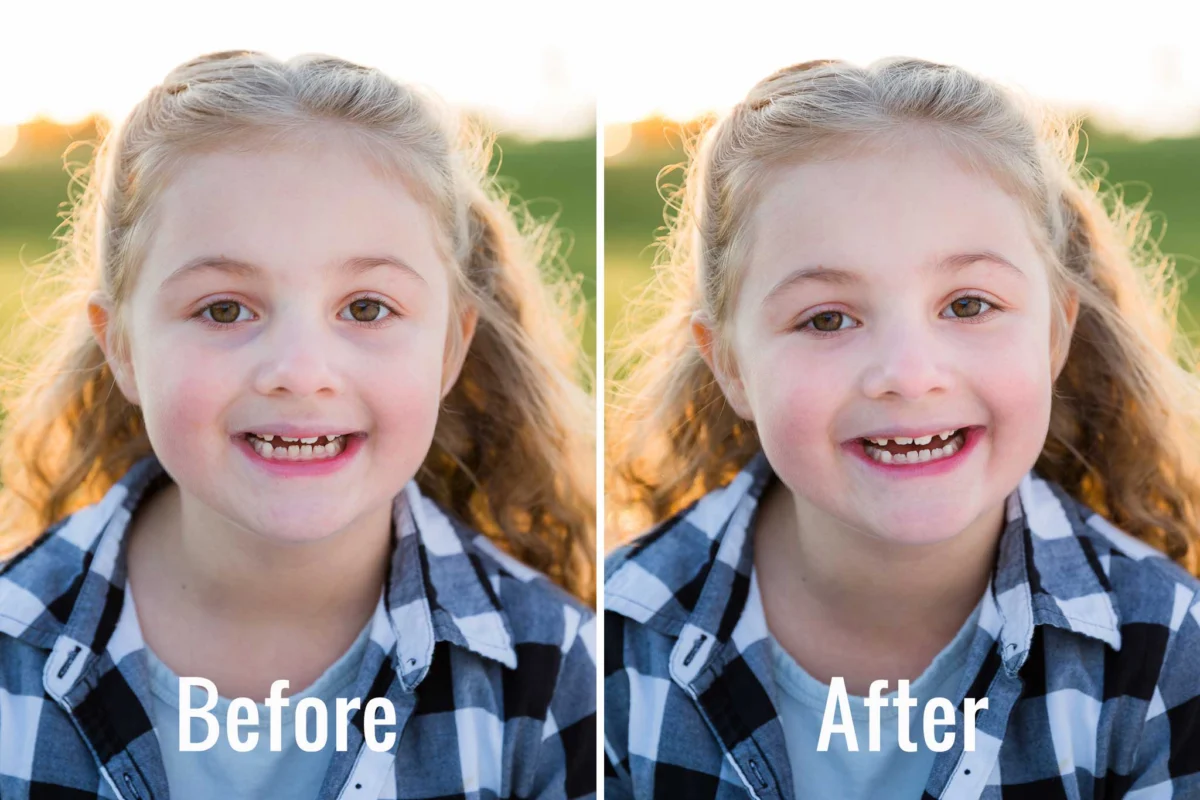
Lighting is only half of the equation; the pose must match the intensity of the light. The "Hollywood" look is inherently serious and editorial. Poses that are whimsical or candid often clash with the dramatic, deep-shadow lighting. Practitioners should direct subjects to adopt classic, structured poses: a slight turn of the head, a specific placement of the hands, and a neutral or contemplative facial expression. This is not the time for the "laughing in the field" style of portraiture; it is the time for the "starlet" or "leading man" intensity.
Step 4: The Digital Darkroom
The final stage is the post-production workflow. The digital image must be treated as a negative was in the 1940s. A "Soft Portrait" preset or custom calibration is often used to bring back the "glow" of film. Desaturating the image slightly—often pushing it toward a monochrome or muted color palette—helps mimic the chemical film processes of the past. Finally, lifting the shadows slightly (without washing out the contrast) ensures that the detail remains present in the dark areas, providing a rich, high-fidelity finish.
Broader Impact and Industry Implications
The resurgence of the Hollywood glamour style reflects a broader shift in consumer tastes. As digital content becomes more saturated, viewers are demonstrating a preference for "premium" imagery that feels crafted rather than accidental. This trend is visible in the rising demand for editorial-style headshots in the corporate and entertainment sectors.

Industry analysts note that photographers who can master these lighting techniques are able to command higher premiums for their work. The skill set required to manage multiple light sources—a "Lighting 101/201" competency—is increasingly viewed as a differentiator in a market saturated by amateur photography. Furthermore, the ability to produce these images in a small studio or even a hotel room (as seen in the historic Roosevelt Hotel shoots) underscores the efficiency of modern portable lighting gear.
Ultimately, the goal of adopting this style is not merely to mimic the past, but to understand the fundamental relationship between light and narrative. By treating portraiture as a purposeful, technical pursuit, photographers ensure that the medium remains an art form rather than a utility. The legacy of the Golden Age persists because it understood that a photograph is not just a recording of a person, but an architectural construction of light and shadow, designed to elevate the subject into an icon. Whether through a 50mm f/1.2 prime lens or a carefully placed grid-controlled flash, the mission remains the same: to create an image that possesses weight, permanence, and timeless allure.