





The 14-inch laptop form factor has emerged as the definitive standard for modern computing, effectively bridging the gap between the ultra-portable 13-inch devices that often compromise on power and the cumbersome 15-inch systems that prioritize thermal capacity over mobility. As of early 2025, industry data indicates that this specific category has seen a 15% increase in market share among professional and creative demographics, driven by advancements in silicon efficiency and display technology. For professionals who operate in hybrid work environments, the 14-inch chassis provides a unique intersection of screen real estate—sufficient for complex multitasking—and physical dimensions that minimize musculoskeletal strain during daily transit.
Chronology of the 14-inch Evolution
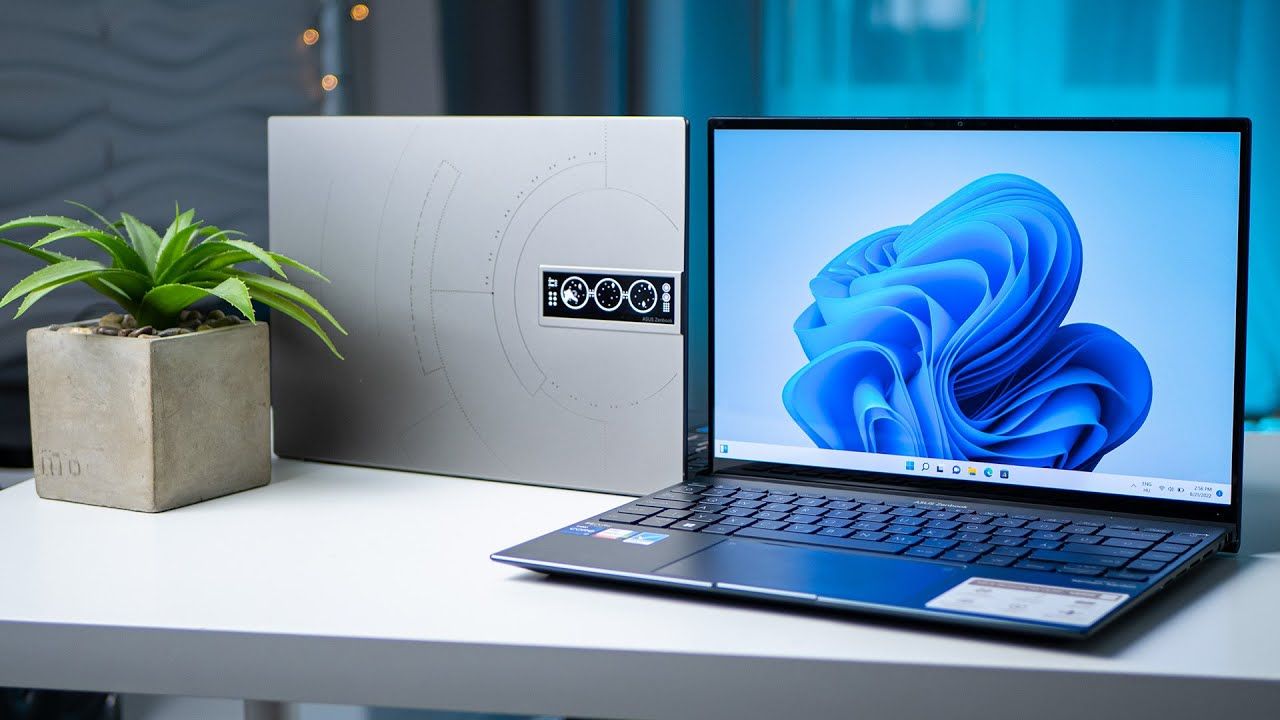
The rise of the 14-inch segment can be traced back to the late 2010s, when manufacturers began trimming display bezels to fit larger panels into chassis previously reserved for 13-inch devices. By 2021, the introduction of high-performance ARM-based silicon and refined thermal cooling solutions allowed hardware vendors to pack desktop-class power into these smaller frames. The year 2024 marked a pivotal shift as Intel, AMD, and Apple all prioritized AI-integrated processing units (NPUs) within this size class. This trend has continued into 2025, with the release of the Apple M4 chip and Intel’s Lunar Lake architecture, both of which have redefined expectations for battery longevity and power efficiency in compact mobile workstations.
Performance Benchmarks and Technical Analysis
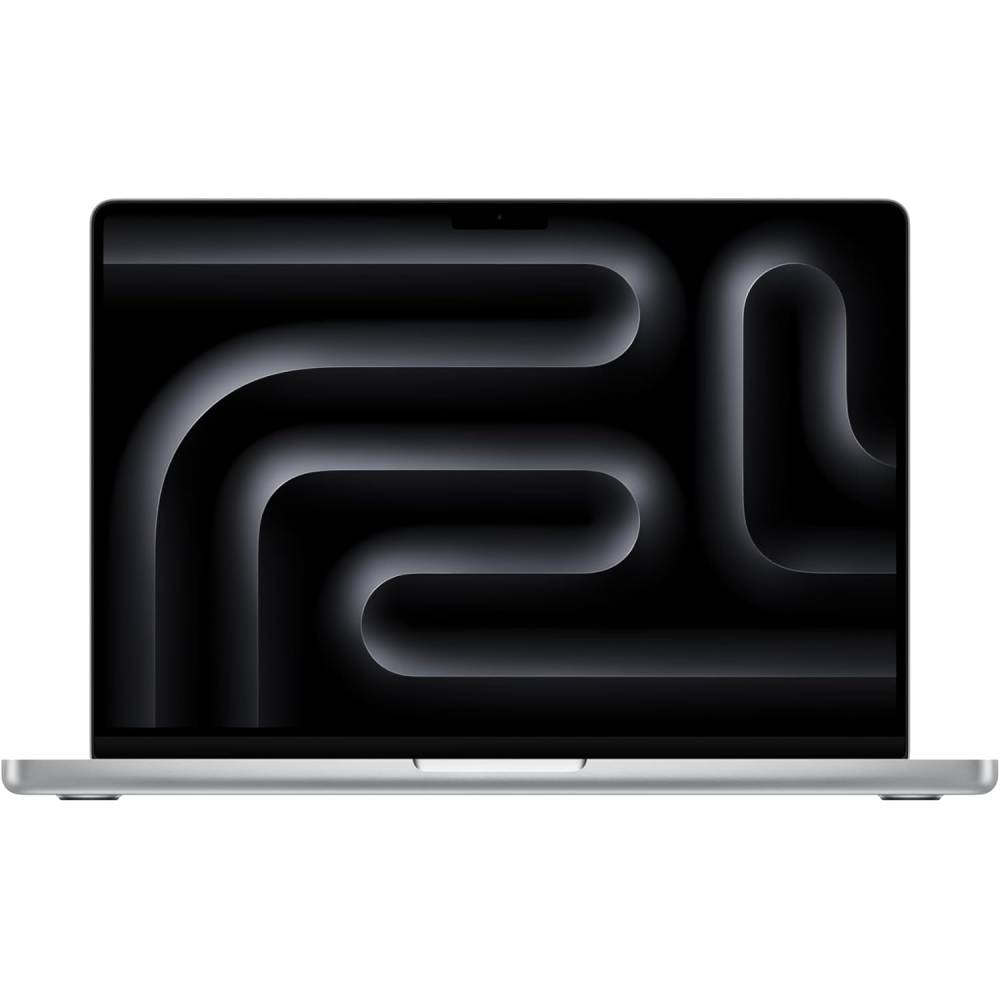
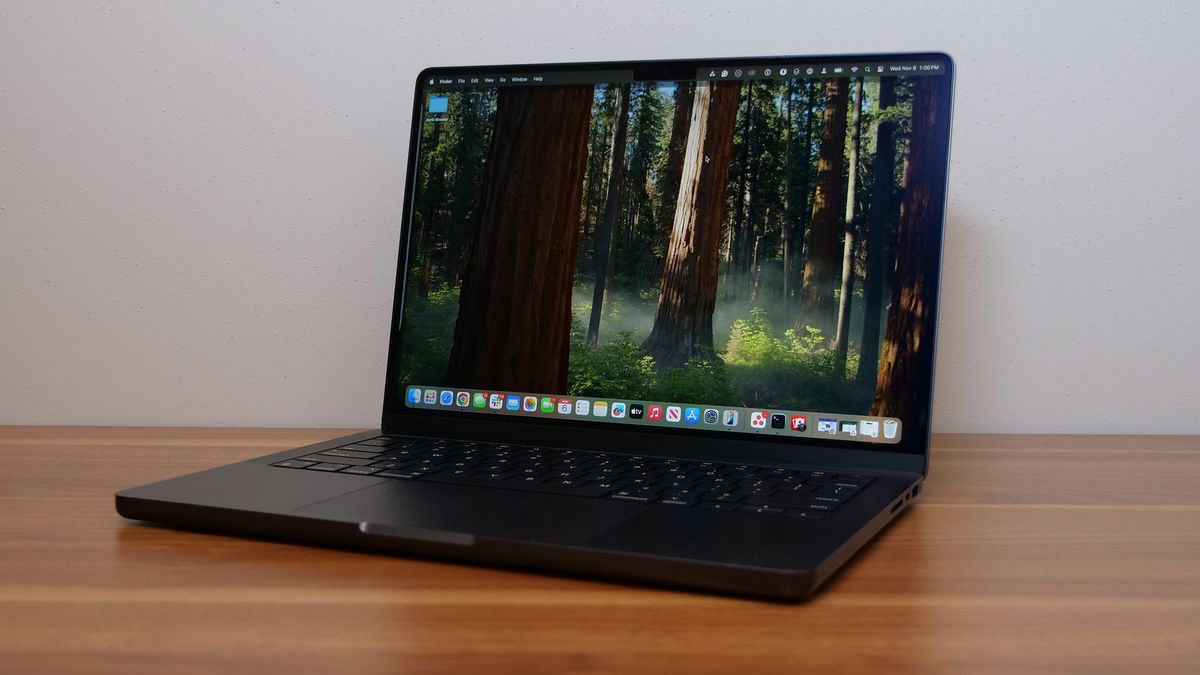
The current market leaders in this category are defined by their ability to handle intensive workloads—such as video transcoding, multi-tab browsing, and resource-heavy spreadsheet management—without thermal throttling. Based on recent internal laboratory testing, the Apple MacBook Pro 14 M4 remains the industry benchmark, recording a Geekbench 6 multi-core score of 15,114. This represents a 21% performance increase over its M3 predecessor.
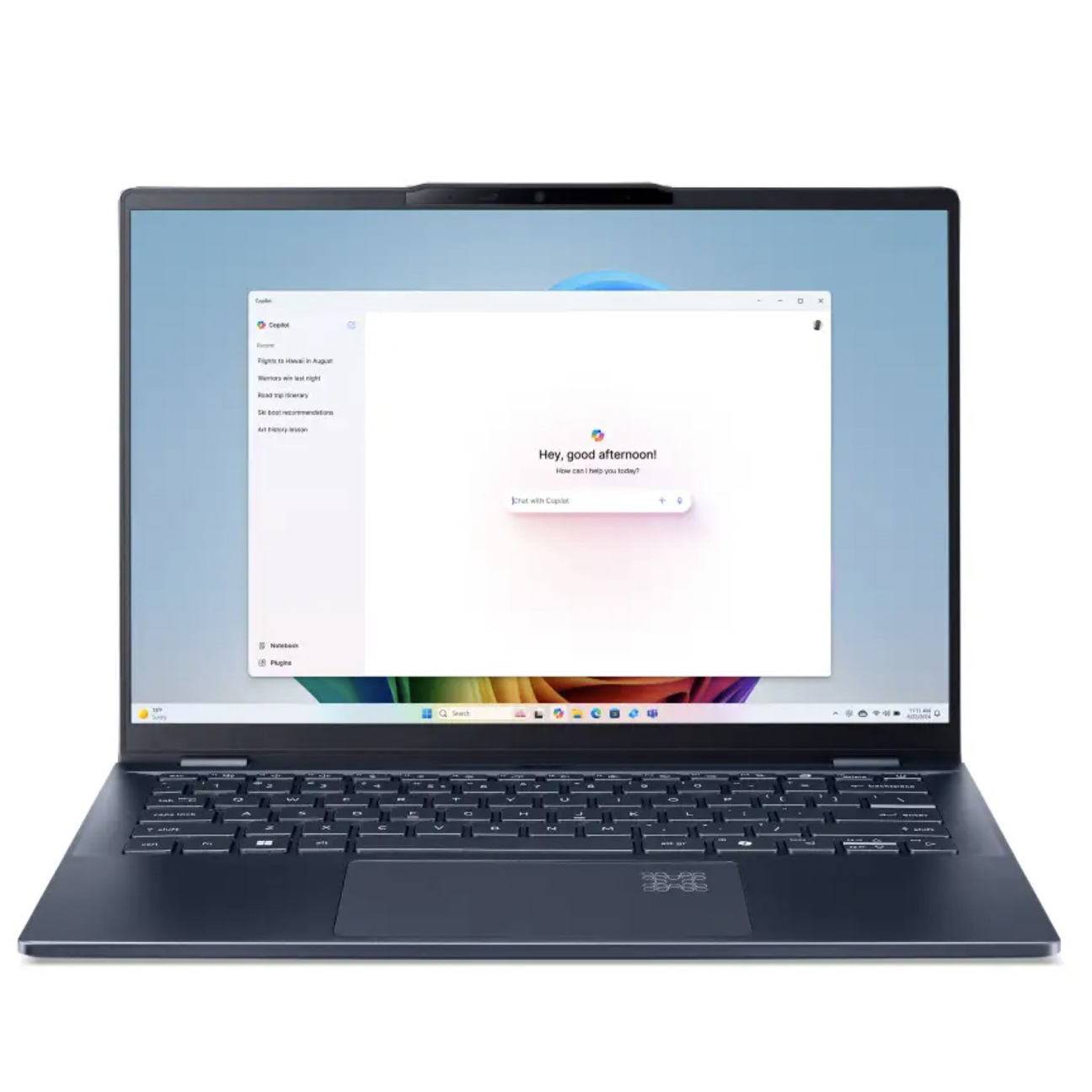
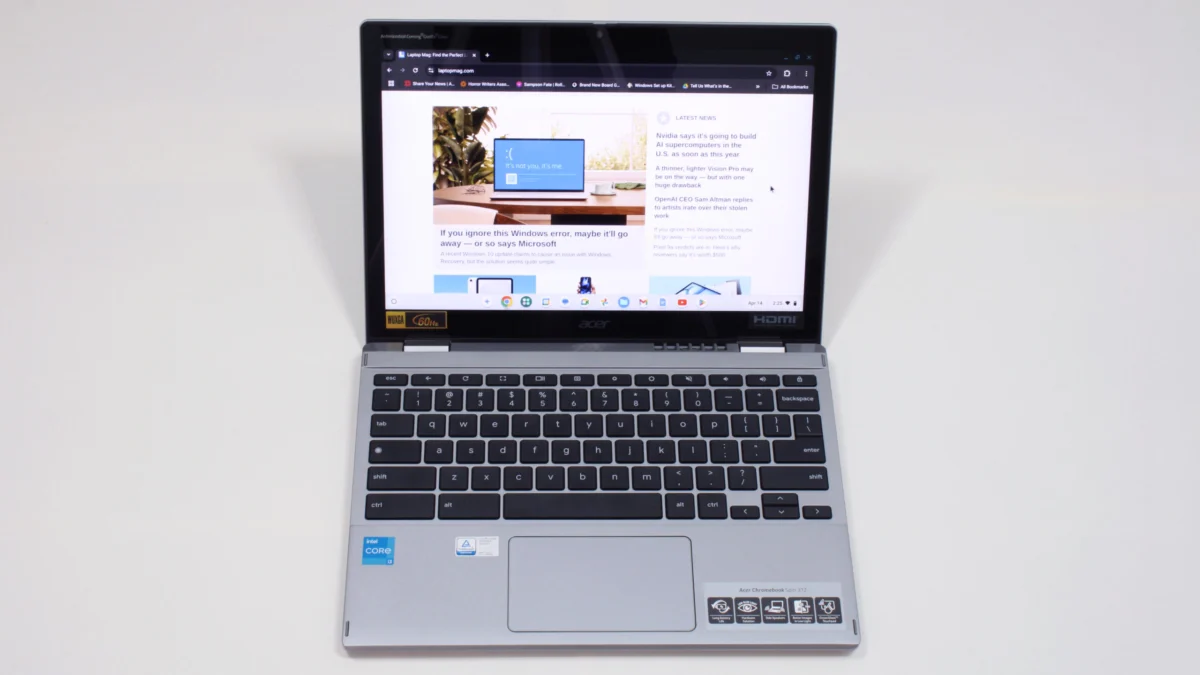
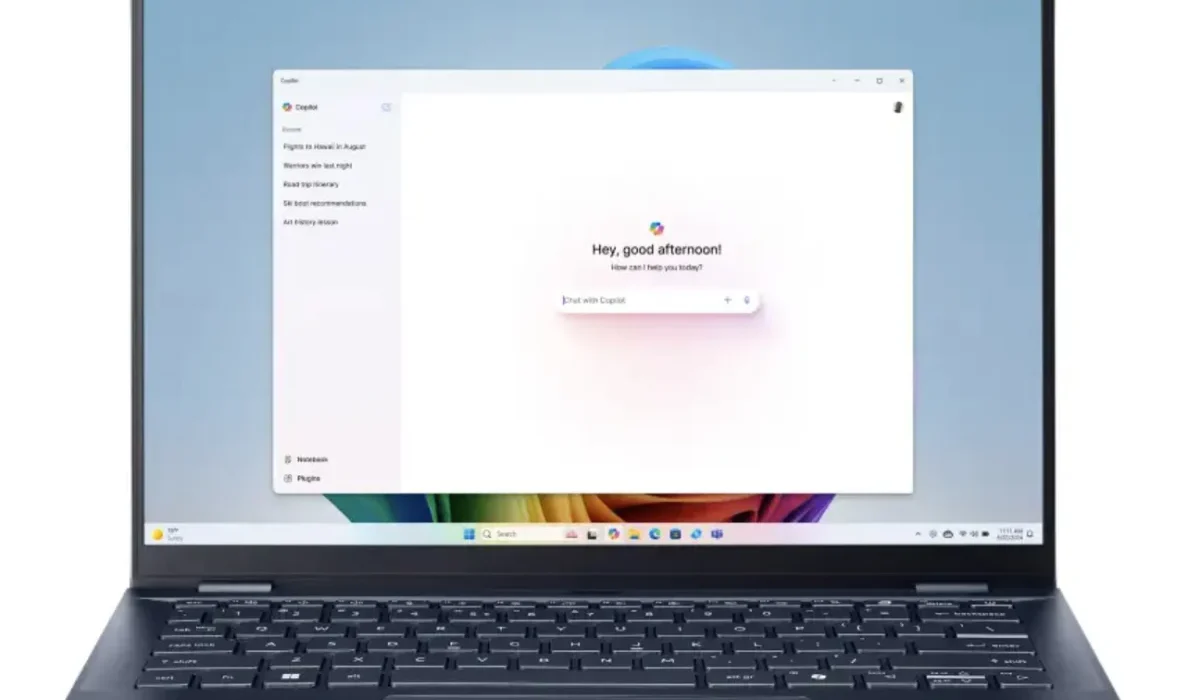
In the Windows ecosystem, the landscape is more varied. The Asus Zenbook Duo (2025) has demonstrated that dual-screen configurations are viable, despite the inherent power draw, by utilizing the Intel Core Ultra 9 285H. Meanwhile, the Asus Zenbook S 14 has positioned itself as the premier ultraportable, prioritizing a balance between its thin 2.6-pound frame and an impressive 14-hour battery runtime. The Acer Aspire 14 AI has conversely disrupted the entry-level market, proving that even budget-conscious consumers—spending approximately $700—can access reliable productivity performance, though they must accept trade-offs in display vibrancy and color gamut coverage.
Industry Implications of Mobile Hardware Shifts
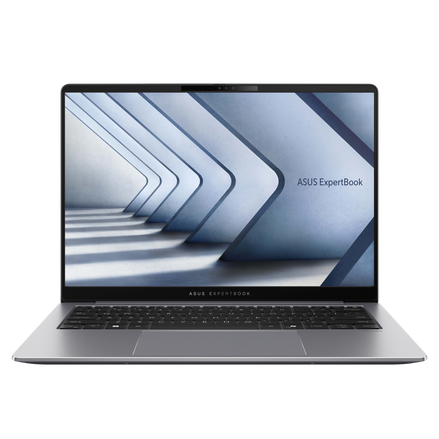
The implications of these advancements are significant for enterprise procurement. Historically, business-class laptops were limited by their reliance on legacy components, but the current generation of 14-inch machines, such as the Asus ExpertBook P5, now offers a comprehensive suite of ports, high-refresh-rate displays, and robust security features. Analysts suggest that the shift toward 14-inch enterprise devices is reducing the need for external monitor setups in home offices, thereby lowering infrastructure costs for companies transitioning to permanent remote-first or hybrid models.
Furthermore, the integration of AI-ready chips across these devices is changing the software landscape. Developers are increasingly optimizing creative suites and productivity applications to leverage the local NPU capacity of these 14-inch systems. This shift allows for real-time background noise suppression, advanced video enhancement, and predictive text features that were previously offloaded to cloud servers, thereby increasing user privacy and reducing latency.
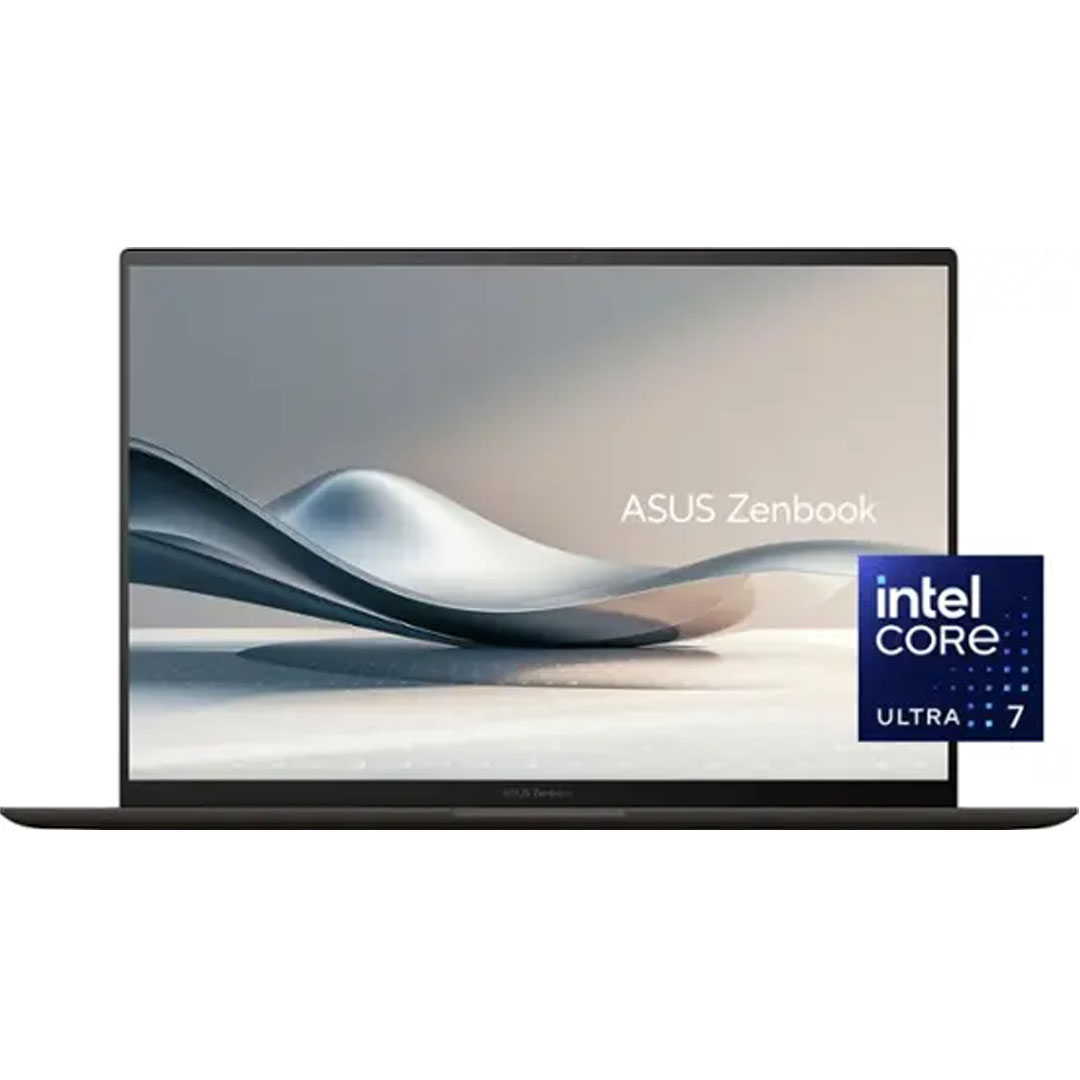
Comparative Analysis of Current Market Leaders
Apple MacBook Pro 14 M4: This device currently sets the standard for build quality and power efficiency. With battery life exceeding 18 hours in standardized testing, it serves as the primary tool for high-end creative professionals. Its lack of biometric facial recognition remains a notable critique, yet its Liquid Retina XDR display and sustained processing speed keep it at the top of the category.
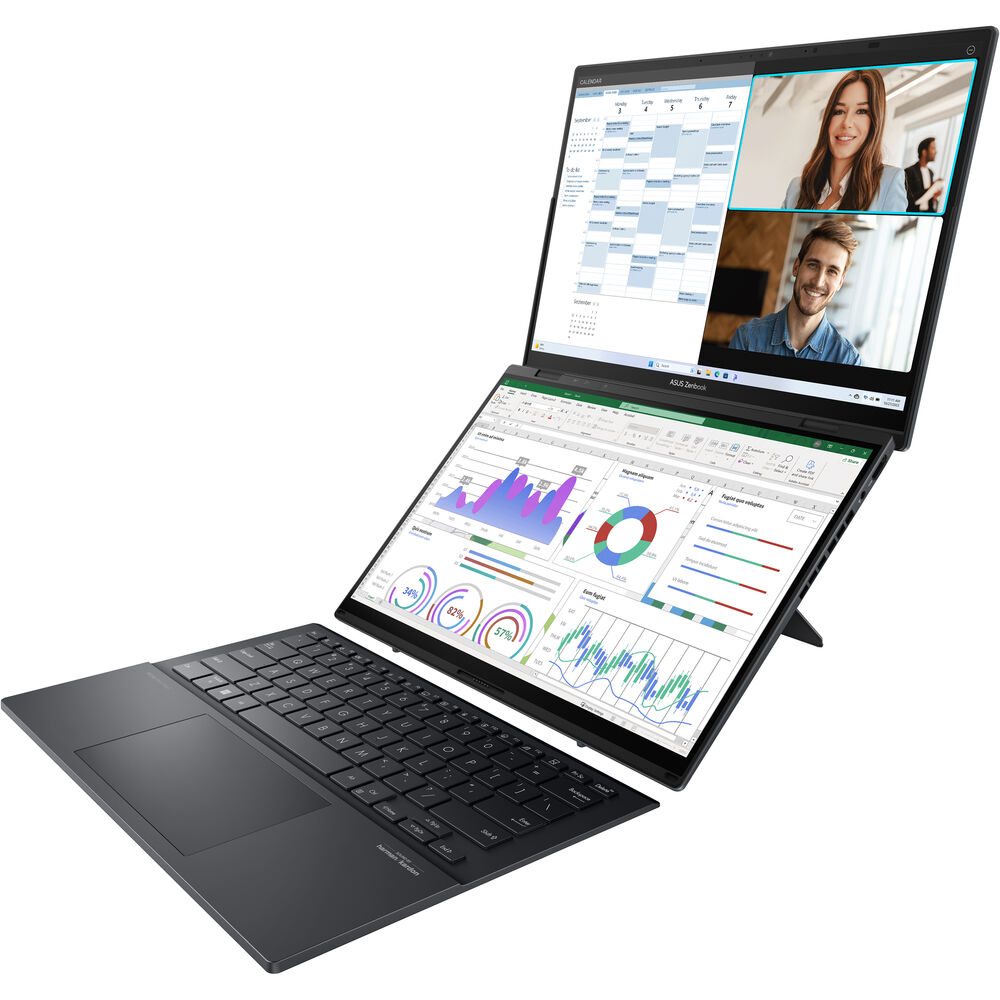
Asus Zenbook Duo (2025): This model represents the experimental edge of the market. By incorporating a second screen, it provides a functional alternative to a desktop multi-monitor setup. While it presents a challenge for battery endurance, the productivity gains for power users who require constant access to multiple windows are considered substantial.
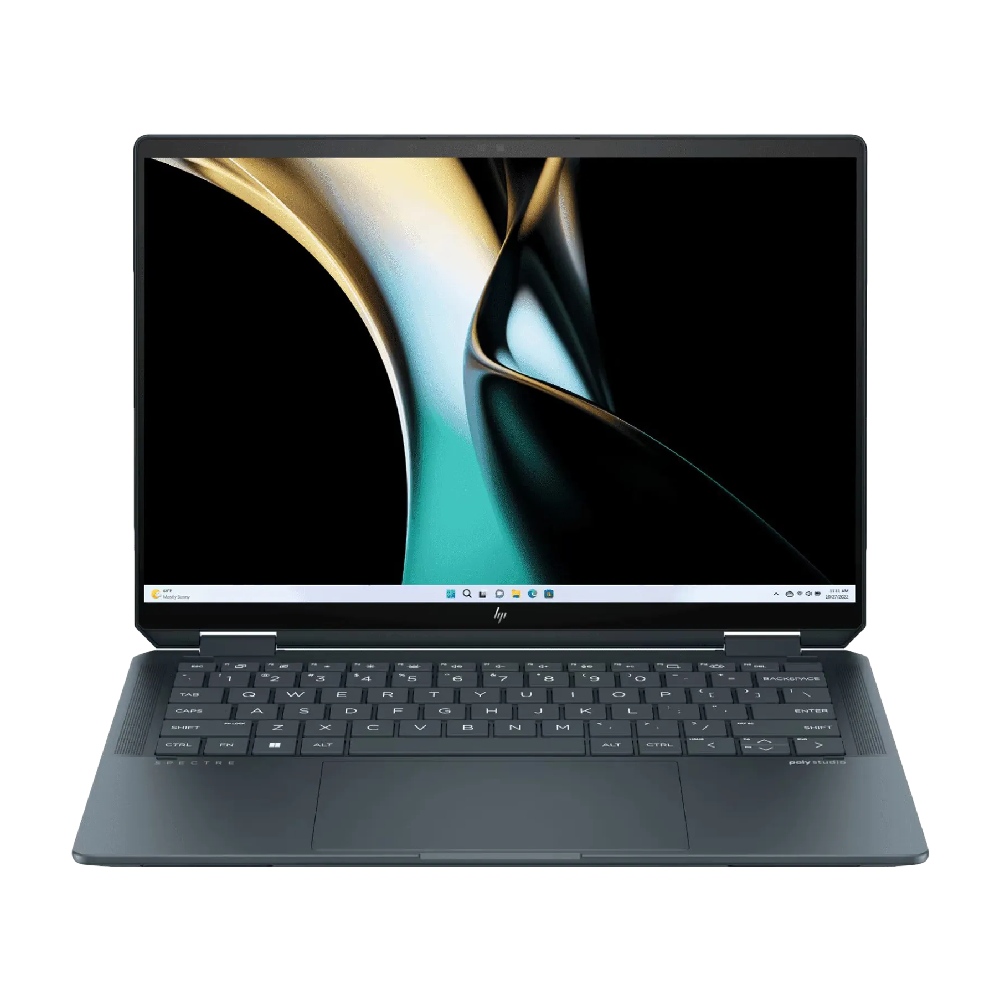
HP Spectre x360 14: Often lauded for its design, this 2-in-1 convertible provides a high-quality OLED experience. It is particularly effective for users who require the flexibility of a tablet form factor without sacrificing the structural integrity of a traditional laptop. While its port selection is limited compared to business-focused machines, it remains a favorite for general consumers and executives alike.
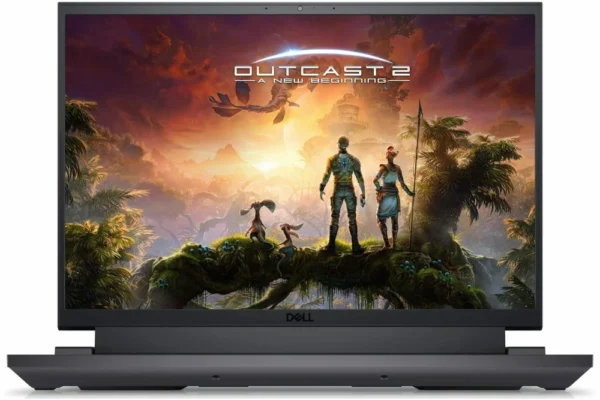
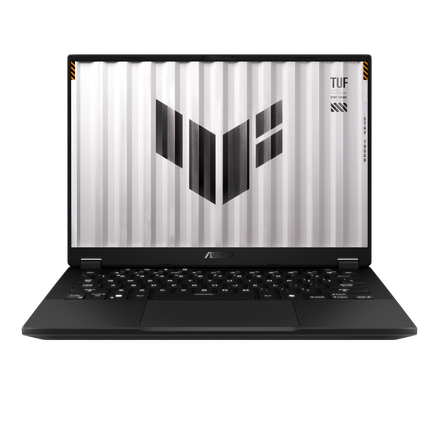
Asus TUF Gaming A14: This device challenges the notion that 14-inch laptops are exclusively for business. By housing an Nvidia GeForce RTX 4060, it manages to maintain portability while providing playable frame rates for modern AAA titles. Its achievement in battery life—reaching 10 hours in non-gaming tasks—is an outlier in the gaming laptop sector, where five hours is typically considered an achievement.
Strategic Considerations for Consumers
Choosing a 14-inch device requires an assessment of specific workflow needs rather than general specifications. For those focused on longevity and high-intensity creative work, the Apple M4 platform remains largely uncontested in terms of thermal efficiency. For Windows users, the decision hinges on the requirement for screen real estate versus the need for extreme thinness.
The "Budget" sector, as exemplified by the Acer Aspire 14 AI, illustrates a critical compromise: users receive exceptional CPU speed and SSD performance, but the display panels often fail to meet the 300-nit brightness threshold recommended for outdoor or office-lit environments. Conversely, the "Ultrabook" segment, led by the Asus Zenbook S 14, provides a near-perfect balance for those willing to pay a premium for OLED color accuracy, though they may encounter a shallower keyboard experience.

Broader Industry Outlook
Looking toward the remainder of 2025, the trajectory of 14-inch laptops suggests that further miniaturization of cooling components will likely lead to even higher performance-per-watt ratios. Industry analysts expect that the next generation of hardware will focus on improving display color accuracy for entry-level models and standardizing NPU performance across all price tiers.
The convergence of performance, mobility, and battery life has transformed the 14-inch laptop from a niche size into the primary workhorse for the modern professional. As manufacturers continue to refine their thermal management systems and display technologies, the relevance of this form factor is expected to grow, potentially rendering the 15.6-inch segment secondary in professional, student, and casual user markets alike. Ultimately, the 14-inch laptop is no longer just a compromise; it is a specialized tool optimized for the requirements of an increasingly mobile global workforce.