








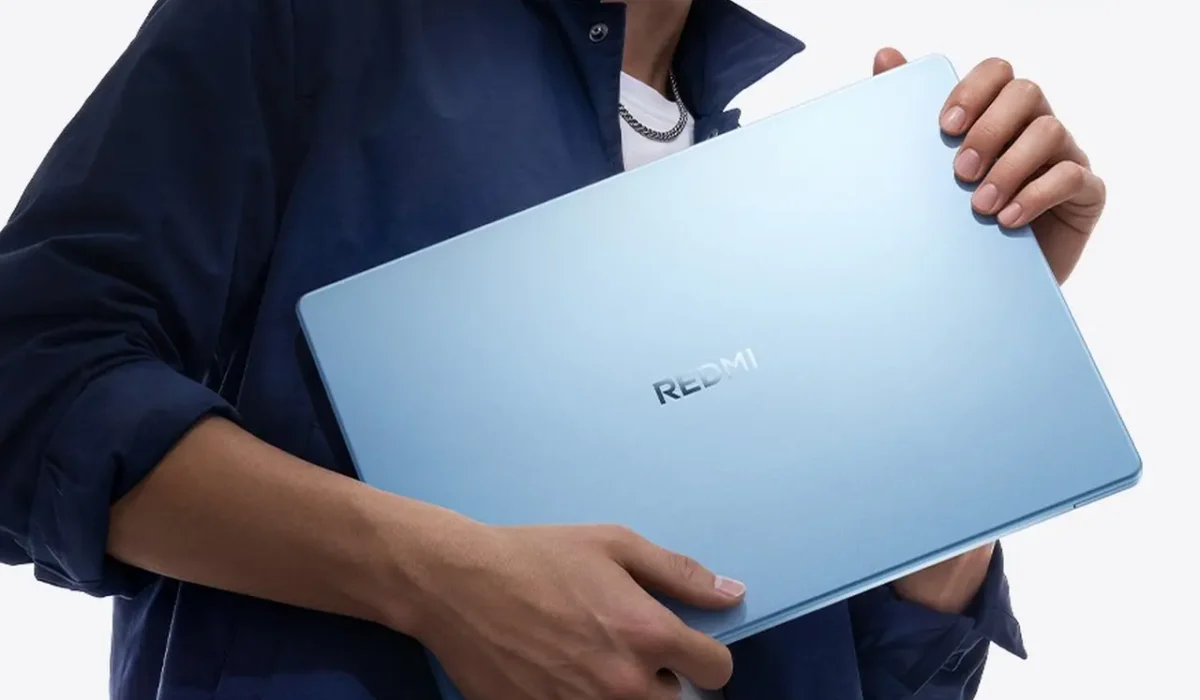
Xiaomi has officially expanded its robust personal computing ecosystem with the global and regional introduction of the Redmi Book 2027 series, reaffirming its commitment to delivering high-performance, cost-effective hardware for professionals, students, and casual power users alike. Available in two distinct form factors featuring 14-inch and 16-inch displays, the new lineup brings cutting-edge computing architectures into mainstream chassis designs. Anchored by Intel’s advanced "Wildcat Lake" processors, the latest iterations of the Redmi Book brand focus heavily on maximizing productivity through seamless artificial intelligence integration, high-refresh-rate visuals, and robust thermal engineering capable of sustained performance under load. As the laptop market shifts increasingly toward AI-enhanced workflows and ultra-portable yet powerful productivity machines, Xiaomi’s 2027 strategy aims to capture market share by democratizing features typically reserved for premium tier devices.
Main Facts and Hardware Specifications
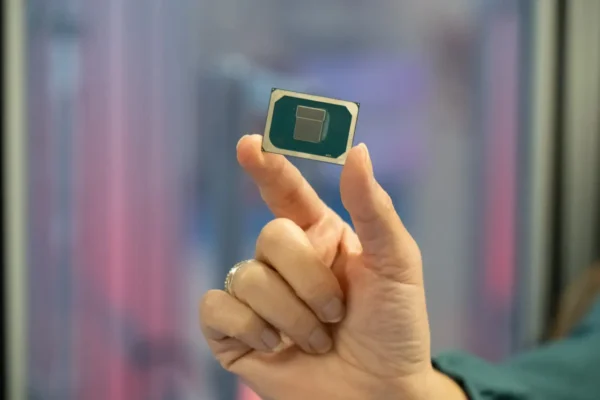
The Redmi Book 2027 lineup is spearheaded by two primary models: the Redmi Book 14 2027 and the Redmi Book 16 2027. Both devices share a common foundational architecture while catering to differing ergonomic preferences regarding screen real estate and physical footprint. Under the hood, the laptops are powered by Intel’s next-generation Wildcat Lake processors, specifically offering choices between the Intel Core 5 320 and the more robust Intel Core 7 350. These processors are paired with integrated Intel Graphics, engineered to handle everyday multimedia tasks, casual gaming, and hardware-accelerated creative applications efficiently. The Core 5 variants achieve maximum turbo frequencies of up to 4.6GHz, while the Core 7 variants push boundaries further up to 4.8GHz.
Memory and storage configurations are tailored for multitasking efficiency. Both the 14-inch and 16-inch variants are equipped with 16GB of high-speed LPDDR5X RAM, ensuring rapid data retrieval and fluid multitasking capabilities across heavy application suites. Storage needs are met via swift PCIe 4.0 NVMe solid-state drives, available in capacities of 512GB or 1TB.
Display technology stands out as one of the primary selling points for the Redmi Book 2027 series. The smaller Redmi Book 14 features a 13.95-inch physical footprint housing a 14-inch panel with an aspect ratio of 16:10. It delivers a sharp 2.8K resolution (2880 x 1800 pixels), a smooth 120Hz refresh rate, and a peak brightness of 500 nits, ensuring exceptional outdoor legibility and vibrant color reproduction. Meanwhile, the larger Redmi Book 16 utilizes a 14.35-inch physical footprint enclosing a 16-inch display with a 2.5K resolution (2560 x 1600 pixels), a 120Hz refresh rate, 400 nits of peak brightness, and 100% sRGB color gamut coverage. Both models prioritize eye comfort through DC dimming technologies and anti-glare coatings, making them suitable for extended working hours.

Chronology and Development Background
The unveiling of the Redmi Book 2027 series marks the latest milestone in Xiaomi’s systematic evolution of its sub-brand laptop portfolio. Over the past half-decade, Redmi has transitioned from offering basic, budget-oriented notebooks to crafting sophisticated productivity machines that challenge traditional industry heavyweights in build quality and value proposition. The conceptualization of the 2027 lineup began with engineering efforts directed toward optimizing thermal dissipation for Intel’s Wildcat Lake architecture, allowing the notebooks to sustain a 30W thermal design power (TDP) ceiling within remarkably thin aluminum alloy chassis.
Industry analysts note that Xiaomi’s timing for the Redmi Book 2027 release aligns with broader industry trends emphasizing on-device artificial intelligence processing. By integrating the Super Xiao Ai 2.0 assistant directly into the ecosystem, Xiaomi has synchronized its hardware launches with software frameworks designed to streamline cross-device connectivity between smartphones, tablets, and personal computers. The development cycle also heavily emphasized weight reduction and battery optimization, leading to the incorporation of high-density 72Wh batteries capable of rapid charging via the included 68W power adapters.
Supporting Data and Comprehensive Comparisons
To better understand the ergonomic and functional differences between the two models, a side-by-side technical comparison illustrates the precise engineering choices made by Xiaomi’s product development teams:
| Specification | Redmi Book 14 2027 | Redmi Book 16 2027 |
|---|---|---|
| Display Panel | 14-inch, 2880 x 1800 (2.8K), 120Hz, 500 nits, 16:10, 100% sRGB | 16-inch, 2560 x 1600 (2.5K), 120Hz, 400 nits, 16:10, 100% sRGB |
| Processor Options | Intel Core 5 320 / Intel Core 7 350 | Intel Core 5 320 / Intel Core 7 350 |
| Graphics | Integrated Intel Graphics | Integrated Intel Graphics |
| System Memory | 16GB LPDDR5X | 16GB LPDDR5X |
| Internal Storage | PCIe 4.0 SSD (512GB / 1TB) | PCIe 4.0 SSD (512GB / 1TB) |
| Battery Capacity | 72Wh | 72Wh |
| Charging Speed | 68W | 68W |
| Connectivity | Wi-Fi 6, Bluetooth 5.4, 2x USB-C 3.2 Gen 2, 2x USB-A 3.2 Gen 1, HDMI 2.1, 3.5mm Audio Jack | Wi-Fi 6, Bluetooth 5.4, 2x USB-C 3.2 Gen 2, 2x USB-A 3.2 Gen 1, HDMI 2.1, 3.5mm Audio Jack |
| Thickness | 13.95 mm | 14.35 mm |
| Weight | 1.28 kg | 1.56 kg |
Physical dimensions and weight distribution remain key highlights of the series. The Redmi Book 14 measures just 13.95 mm in thickness and weighs 1.28 kg, making it exceptionally portable for mobile professionals. Its larger sibling, the Redmi Book 16, maintains a slim profile at 14.35 mm while managing a weight of 1.56 kg. Both models feature comprehensive I/O port selections, including dual USB-C 3.2 Gen 2 ports with data transmission, power delivery, and display output capabilities; dual USB-A 3.2 Gen 1 ports; an HDMI 2.1 TMDS video output; and a standard 3.5mm headphone and microphone combo jack. Wireless connectivity is similarly forward-looking, featuring Wi-Fi 6 and Bluetooth 5.4 support.
Official Responses and Market Positioning
While direct public statements from competing laptop manufacturers remain muted, supply chain partners and internal Xiaomi executives have emphasized the strategic significance of the Redmi Book 2027 rollout. Representatives from Intel have highlighted the close hardware-software co-design process utilized for the Wildcat Lake platform, noting that Xiaomi’s implementation extracts optimal performance-per-watt metrics from the silicon.

Xiaomi’s internal product marketing teams have framed the 2027 series as an essential pillar for the company’s "Human x Car x Home" smart ecosystem strategy. By ensuring deep software integration through the Super Xiao Ai 2.0 suite, Xiaomi positions the laptops not merely as standalone computing tools, but as central command hubs for users deeply embedded in the brand’s broader consumer electronics network. Market analysts suggest that this ecosystem lock-in, combined with aggressive pricing strategies traditionally associated with the Redmi brand, will place considerable competitive pressure on established legacy PC vendors operating within the mid-tier consumer segment.
Broader Impact and Industry Implications
The commercial release of the Redmi Book 2027 series carries several noteworthy implications for the global laptop market. First, the normalization of high-refresh-rate (120Hz) panels and high-resolution 16:10 displays in mid-range notebooks accelerates consumer expectations, forcing competing brands to phase out legacy 60Hz FHD panels more rapidly. Second, the integration of advanced neural processing and AI assistant frameworks at accessible price points underscores how artificial intelligence is fast becoming a standard utility rather than a luxury feature reserved for high-end workstations.
Furthermore, the emphasis on slim aluminum chassis designs coupled with robust thermal limits demonstrates that users no longer need to compromise between portability and sustained computing power. As remote and hybrid work models continue to dominate professional landscapes, versatile laptops equipped with robust battery reserves—such as the 72Wh configuration found in the Redmi Book 2027—address critical consumer demands for all-day autonomy. Ultimately, Xiaomi’s latest release signals a maturing product category where high-end specifications are increasingly accessible to a wider demographic of global consumers, setting a new benchmark for value in the personal computer industry.