







The latest installment of the long-running tech podcast Pixelated, episode 123, brings a deep dive into the evolving hardware ecosystem of Google’s wearable technology division. Hosts Damien and Abner have officially unveiled their initial impressions of the Fitbit Edge, a device positioned as a strategic bridge between the entry-level Fitbit Air and the flagship Pixel Watch 5. As the wearables market continues to bifurcate between high-end smartwatches and specialized fitness trackers, the introduction of the Edge represents a pivot in Google’s strategy to capture the mid-market consumer who desires health-tracking precision without the premium cost associated with full-featured OS-integrated wearables.
The Fitbit Edge: Bridging the Wearable Gap
The Fitbit Edge enters a crowded market at a time when consumer demand for health-centric data is reaching an all-time high. According to recent industry data from IDC and Counterpoint Research, the global wearable market saw a compound annual growth rate (CAGR) of approximately 14% over the last fiscal year. The Edge is designed to address a common pain point: the feature dilution of mid-range trackers.
By positioning the Edge between the Air and the Pixel Watch 5, Google is attempting to standardize a tier of hardware that maintains advanced biometric sensors—such as continuous SpO2 monitoring and EDA stress tracking—while shedding the heavy application-processing requirements of the Wear OS-powered Pixel Watch line. Initial reports from the podcast suggest that the device’s primary value proposition lies in its display technology and battery efficiency, which are designed to prioritize the "always-on" clock functionality over power-draining third-party app support.
The Broader Hardware Context
The trajectory of the Fitbit brand has been subject to intense scrutiny since Google’s acquisition was finalized in early 2021. For several years, the integration process was marked by a transition from proprietary Fitbit software to the broader Google ecosystem. The release of the Fitbit Edge serves as a case study for this integration.
Historically, the Fitbit lineup was defined by its simplicity and long-term battery performance. In contrast, the Pixel Watch series focuses on smart functionality, deep integration with Google Assistant, and cellular connectivity. The introduction of the Edge acknowledges that a significant segment of the user base does not require the "computer-on-the-wrist" experience provided by the Pixel Watch 5. Instead, this demographic prioritizes the hardware’s utility as a health-monitoring tool that requires minimal intervention or daily charging.

Market Volatility and Hardware Costs
Beyond the specific launch of the Fitbit Edge, the podcast episode turned toward the macroeconomic factors currently affecting the consumer electronics sector, specifically the supply chain for Random Access Memory (RAM). Industry analysts have observed significant volatility in memory pricing, driven largely by the massive surge in demand for High Bandwidth Memory (HBM) required for generative AI training and server-side data processing.
As manufacturers like Samsung, SK Hynix, and Micron shift their fabrication capacity toward HBM and DDR5 modules for the enterprise sector, consumer-grade LPDDR memory used in mobile devices and wearables faces potential price hikes. This shift has created a "bleak" outlook for hardware enthusiasts who monitor component costs. If memory prices remain elevated, manufacturers will face a difficult choice: either absorb the costs—thereby shrinking profit margins—or pass the expense on to consumers, potentially stifling the growth of the budget and mid-range device market.
Competitive Dynamics: The Apple Factor
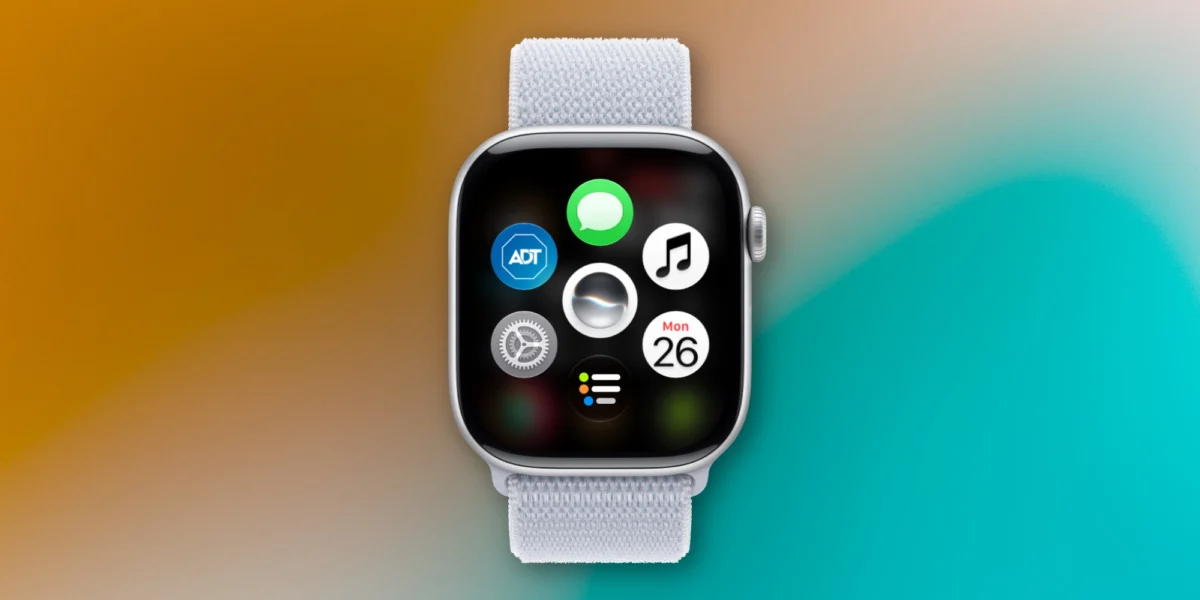
The discussion also touched upon the competitive landscape, specifically addressing the recent design and feature shifts within the Apple Watch ecosystem. Apple continues to set the benchmark for the "smartwatch" category, consistently leading in market share according to quarterly earnings reports. However, the divergence in strategy between Apple’s tightly integrated hardware-software loop and Google’s more fragmented, modular approach remains a point of contention.
Observers have noted that Apple’s recent updates, particularly regarding the Ultra and Series lines, focus heavily on health-tracking features that mirror the capabilities of medical-grade devices. When compared to the Fitbit Edge, the fundamental difference becomes clear: Apple is moving toward the medical-professional grade, while the Google-Fitbit partnership appears to be reinforcing the "wellness-tracker" identity. This strategic split ensures that the two companies are increasingly competing for distinct user segments rather than attempting to capture the entirety of the market with a single product philosophy.
Strategic Implications for Google
The deployment of the Fitbit Edge is part of a broader, multi-year strategy by Google to secure its footprint in the "Internet of Things" (IoT) space. By offering a tiered range of devices, Google is attempting to create a "sticky" ecosystem where a user starts with a Fitbit tracker and eventually upgrades to a Pixel Watch or a high-end smartphone.
However, this strategy relies heavily on software cohesion. The integration of Fitbit’s biometric data into the Google Health Connect API has been a significant milestone, allowing users to view data across various platforms. The success of the Edge will likely depend on whether users perceive the device as a standalone solution or merely an entry point into a more expensive ecosystem. If the user experience with the Edge is sufficiently robust, it may mitigate the impact of rising component costs and maintain brand loyalty in a segment that is notoriously price-sensitive.

Looking Ahead: The Future of Wearables
The consensus among tech analysts remains that the wearables market is entering a phase of maturity. The era of "growth at all costs" is being replaced by a focus on sustainable hardware development and long-term service models. For podcasts like Pixelated, this provides a wealth of material to dissect, as the industry moves away from radical, yearly hardware shifts toward iterative improvements in sensor accuracy and battery life.
As the industry moves into the next fiscal quarter, all eyes will be on how consumers react to the Fitbit Edge. If sales data reflects a strong preference for devices that prioritize battery life and specialized utility over expansive, application-heavy ecosystems, it may force a recalibration of the entire industry’s design language.
For those interested in the ongoing developments at 9to5Google, the team continues to provide granular coverage of these shifts through their podcast series and digital platforms. The transition from the hardware-focused era of the early 2010s to the current era of ecosystem integration is perhaps the most significant transformation in consumer technology in the last decade. As Google continues to iterate on its Fitbit and Pixel lines, the "primary value" of the device—whether it be a clock, a heart-rate monitor, or a smartwatch—will remain the central question for every potential buyer.
Summary of Key Findings
- Product Positioning: The Fitbit Edge is intended to occupy the "middle ground" of the wearable market, offering advanced biometric tracking without the complexity of a full-fledged smartwatch.
- Component Market: The electronics sector is facing potential price increases for mobile devices due to the redirection of DRAM and HBM production toward the AI and server industries.
- Strategic Direction: Google is doubling down on a tiered wearable strategy, leveraging the Fitbit brand to maintain a presence in the fitness-tracking sector while reserving the Pixel Watch for the premium, multi-purpose market.
- Industry Trends: The wearables market is shifting toward maturity, with a reduced focus on "novelty" features and an increased focus on battery longevity and actionable health data.
As the landscape evolves, the interplay between hardware costs, software integration, and consumer demand will continue to dictate the success of these devices. The Pixelated team’s analysis underscores a fundamental truth in the current tech climate: as features become standardized across brands, the value proposition—the "why" behind the purchase—must be clearer than ever before. Whether it is the simplicity of a clock or the complexity of an integrated health ecosystem, the market is signaling that consumers are ready for products that do one thing exceptionally well rather than everything poorly.