








Apple is preparing a significant expansion of its consumer ecosystem, with plans to launch a comprehensive home security and monitoring service by 2027. According to a report by Bloomberg’s Mark Gurman, this initiative represents a strategic shift in how the technology giant approaches the smart home sector, moving beyond hardware sales to create a recurring revenue stream centered on privacy-focused domestic protection.
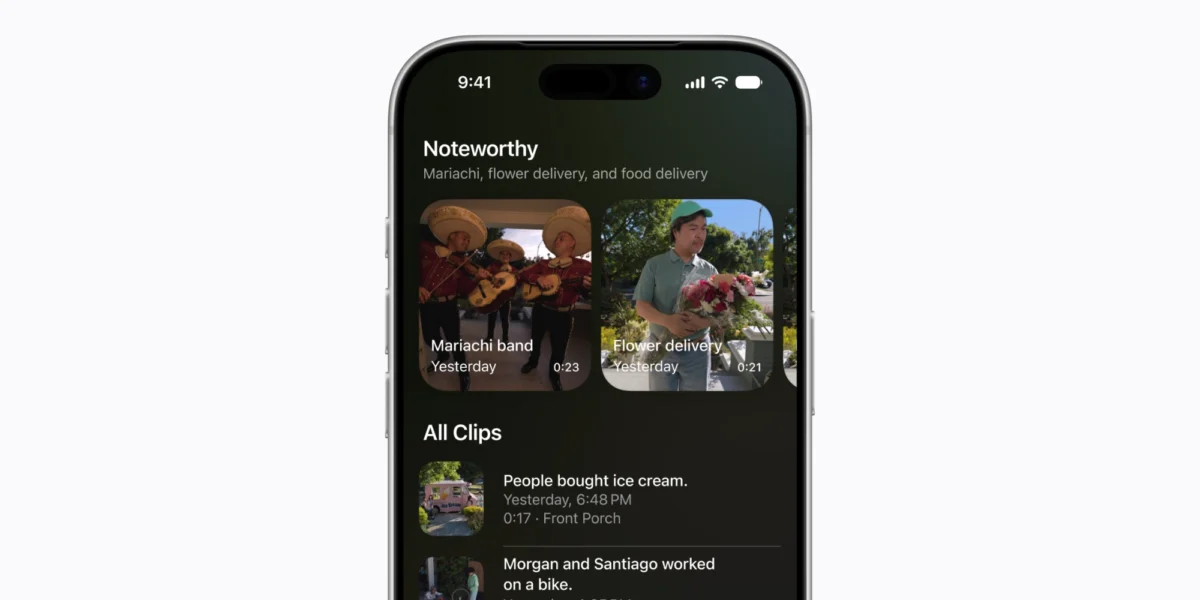
The proposed system deviates from traditional security models by emphasizing artificial intelligence over raw surveillance. Rather than relying on continuous video feeds that capture the intimate details of a user’s private life, the new security sensor and automation device will utilize AI to interpret the surrounding environment. This design philosophy aligns with Apple’s long-standing public commitment to user privacy, positioning the hardware as an analytical tool that monitors for anomalies—such as unauthorized entry or unusual motion—without the necessity of storing or transmitting sensitive visual data.

A Strategic Pivot in the Smart Home Market
The integration of a security and monitoring service marks a maturation of Apple’s "Home" division. For years, the company has operated through the HomeKit framework and the Apple Home app, providing a platform for third-party accessories. However, the introduction of a proprietary, service-backed security system suggests that Apple intends to exert greater control over the end-to-end user experience.
By entering the home security market, Apple is positioning itself to compete directly with established incumbents such as Amazon’s Ring, Google’s Nest, and dedicated security providers like ADT. The market for smart home security has seen explosive growth over the last decade, driven by consumer demand for integrated, easy-to-use protection. According to recent industry projections, the global smart home security market is expected to reach a valuation exceeding $100 billion by 2030, as homeowners increasingly prioritize automated monitoring solutions that can be managed via smartphones.
The Roadmap to 2027: A Timeline of Home Innovation
Apple’s move into professional monitoring is the culmination of a multi-year effort to overhaul its home-based product lineup. The company’s trajectory toward this 2027 service launch can be traced through several critical milestones:
- 2024–2025: Strengthening the Foundation: Apple focused on standardizing the Matter smart home protocol across its devices, ensuring that its ecosystem became more interoperable with third-party hardware. During this period, the company also refined the AI capabilities integrated into its silicon, laying the groundwork for on-device processing that does not require cloud-based video storage.
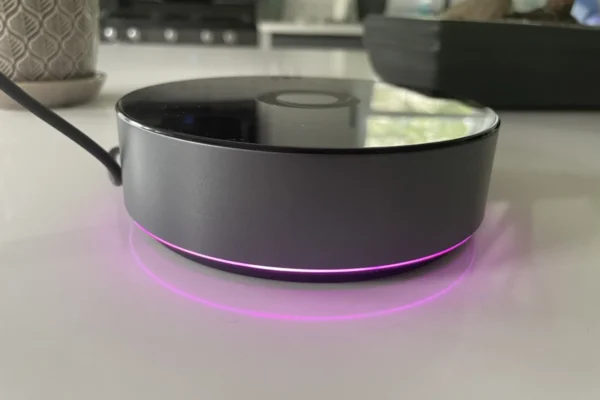
- 2026: The Hardware Overhaul: As the current year progresses, Apple has begun rolling out a series of hardware upgrades, including a revamped Apple TV 4K, an updated HomePod mini, and the introduction of a new home hub device known as the "HomePad." These devices serve as the essential infrastructure for the future security ecosystem.
- 2027: Service Integration: The anticipated launch of the security and monitoring service represents the final phase of this roadmap, turning the hardware into a cohesive, subscription-based ecosystem.
Technical Implications and the Privacy-First Paradigm
The most notable aspect of the upcoming Apple security system is its departure from traditional camera-based monitoring. Conventional security cameras are often viewed as a trade-off: homeowners gain protection but forfeit a degree of privacy by placing internet-connected lenses in their most private spaces.
Apple’s solution aims to solve this via "Privacy-Centric Monitoring." By utilizing AI sensors that interpret behavior and presence rather than capturing identity-revealing video footage, the system can alert users to potential threats while maintaining a high standard of data minimization. This approach is not merely a feature; it is a marketing differentiator. While competitors rely on cloud storage of video clips, Apple’s model seeks to perform the heavy lifting of data analysis on the local hardware (the "HomePad" or the security sensor itself). This strategy minimizes the amount of data sent to the cloud, significantly reducing the risk of unauthorized access or data breaches—a recurring concern for users of traditional surveillance systems.
The Financial Logic: Scaling Apple Services
From a financial perspective, the inclusion of a home security service is a strategic move to deepen the company’s services revenue, which has become a vital pillar of Apple’s quarterly earnings. By introducing a paid, monthly monitoring service, Apple can leverage its existing customer base to build a recurring revenue stream that is highly "sticky."

There is considerable potential for integration with the Apple One subscription bundle. By bundling home security with existing services like iCloud+, Apple Music, and Apple TV+, the company could offer a compelling value proposition that increases the cost of switching to a rival ecosystem. Industry analysts suggest that if Apple can provide a seamless, reliable, and private alternative to current security options, it could capture a significant share of the market, particularly among existing iPhone and Mac users who already trust the company’s privacy credentials.
Broader Market Impact and Competitor Responses
The entrance of a tech giant like Apple into the professional monitoring space will likely force competitors to re-evaluate their own privacy policies. If Apple successfully markets a security system that does not record video, it could set a new industry standard, forcing companies that rely on video-based monitoring to offer better data protection and transparency to remain competitive.
Furthermore, this development signals that the "Smart Home" is finally moving toward a "Unified Home." Previously, the market was fragmented, with disparate devices failing to communicate effectively. With Apple providing both the hub, the sensor, and the monitoring service, the potential for a frictionless experience is significantly higher.

However, challenges remain. Apple must ensure that its security system is not only intelligent but also robust enough to handle the critical nature of emergency response. Whether the service will involve partnerships with local law enforcement or simply offer internal alerts to the user remains to be seen. Given Apple’s history, the company will likely focus on a sophisticated notification system that empowers the user to verify threats before escalating to emergency services.
Conclusion and Outlook
The move toward a 2027 home security service is more than a simple product launch; it is an assertion of Apple’s role in the personal lives of its users. As the company continues to refine its AI capabilities, the home becomes the next major frontier for its ecosystem.
For the average consumer, the shift toward a privacy-focused security system may alleviate the long-standing tension between the desire for safety and the right to privacy. While the market remains crowded and highly competitive, Apple’s unique ability to vertically integrate hardware, software, and services gives it a distinct advantage. As we approach 2027, the success of this initiative will depend on how effectively Apple balances its complex AI-driven detection with the reliable performance required for a service as critical as home security. If the company can deliver on its promise of privacy without compromising on effectiveness, it may well define the next generation of domestic monitoring.