





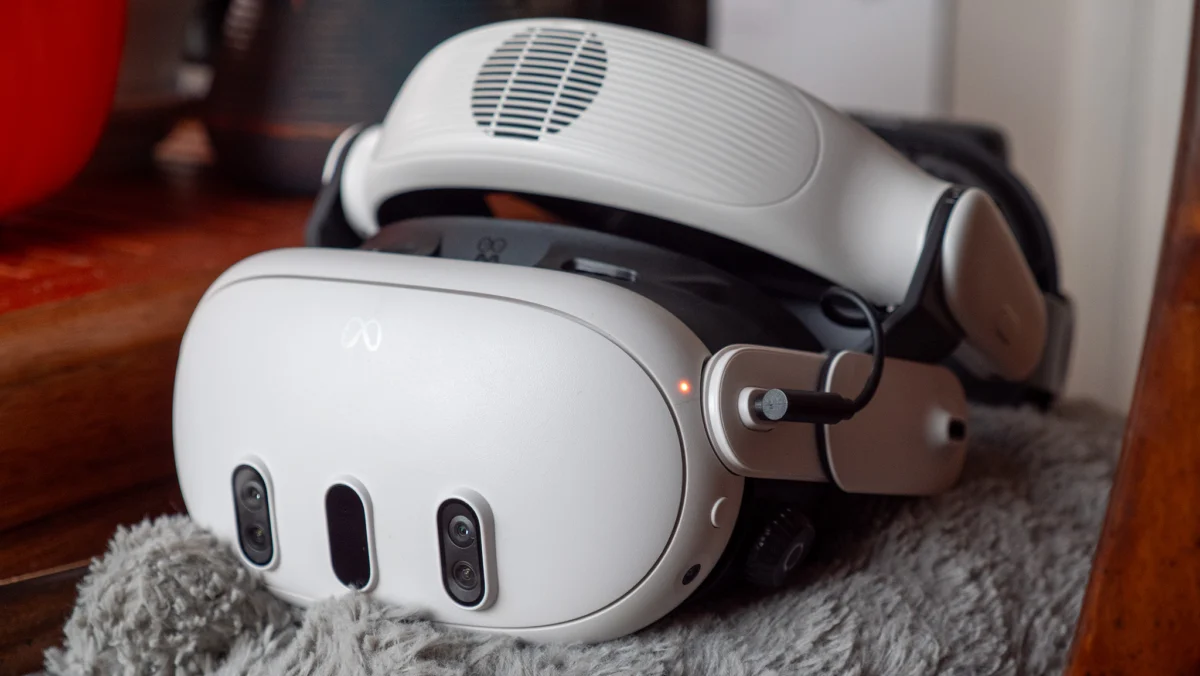
The virtual reality accessory market has reached a new benchmark in user comfort and hardware longevity with the release of the upgraded AMVR BS1 head strap, a peripheral specifically engineered for the Meta Quest 3 and Quest 3S. As VR hardware continues to evolve toward higher-fidelity experiences and extended usage sessions, the demand for ergonomic stability and thermal management has become paramount. The AMVR BS1 addresses these requirements by integrating active cooling technology, modular battery management, and advanced weight-distribution architecture.
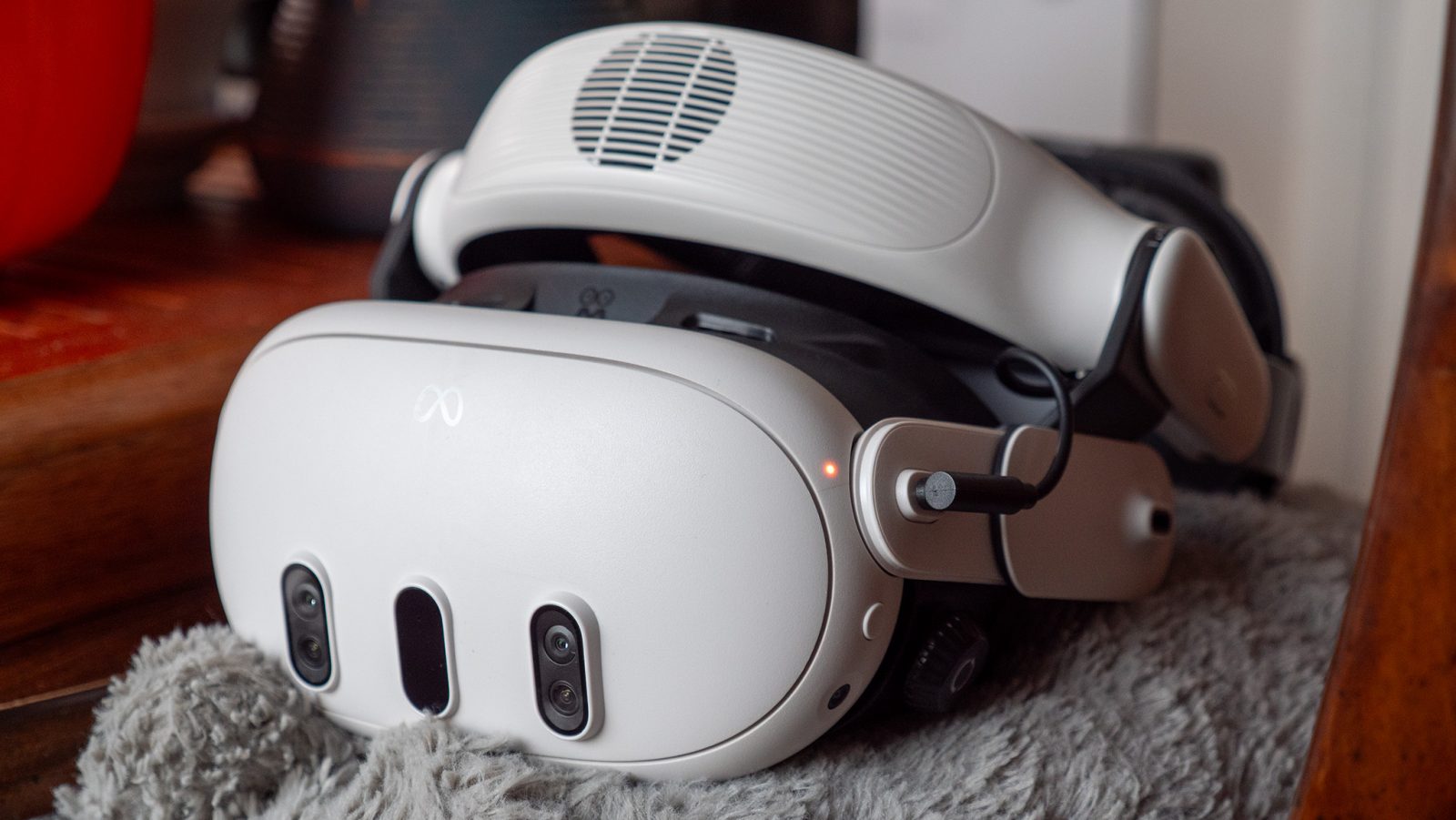
This iteration of the BS1 represents a significant pivot in how third-party manufacturers are responding to the specific ergonomic challenges posed by Meta’s latest standalone headsets. By addressing the common user grievances of frontal weight bias, lens fogging, and battery depletion, the device serves as a comprehensive solution for enthusiasts seeking to extend their immersion time without sacrificing physical comfort.
Chronology of VR Ergonomic Evolution
The progression of head-mounted display (HMD) comfort has seen a distinct shift since the inception of the standalone VR category. Early iterations of the Quest series relied heavily on elastic cloth straps, which often resulted in significant pressure on the user’s face and cheekbones to maintain a clear visual field.
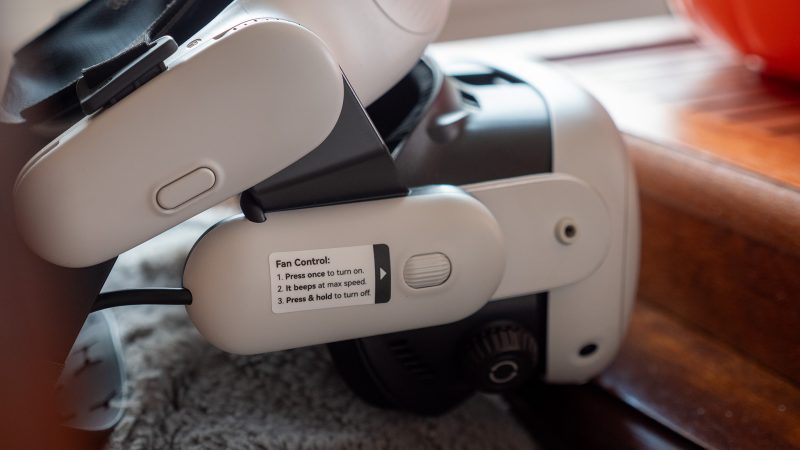
The industry responded in several stages:
- The Early Adaptation Phase (2019–2021): Users primarily relied on DIY modifications, such as counterweights attached to the rear of the strap, to mitigate the front-heavy nature of the hardware.
- The Pro-Strap Era (2021–2023): Companies like BoboVR and AMVR began introducing hard-shell, halo-style straps with ratcheting mechanisms, allowing for a more secure, crown-based fit that lifted the weight off the facial interface.
- The Active Integration Era (2024–Present): The current focus has transitioned toward "active" comfort. This involves integrating heat-dissipation fans to manage perspiration—which often leads to internal lens fogging—and high-capacity, swappable battery systems to ensure continuous power delivery.
The launch of the upgraded AMVR BS1 follows this trajectory, refining the "active" model by streamlining the integration of cooling fans and magnetic battery mounts.
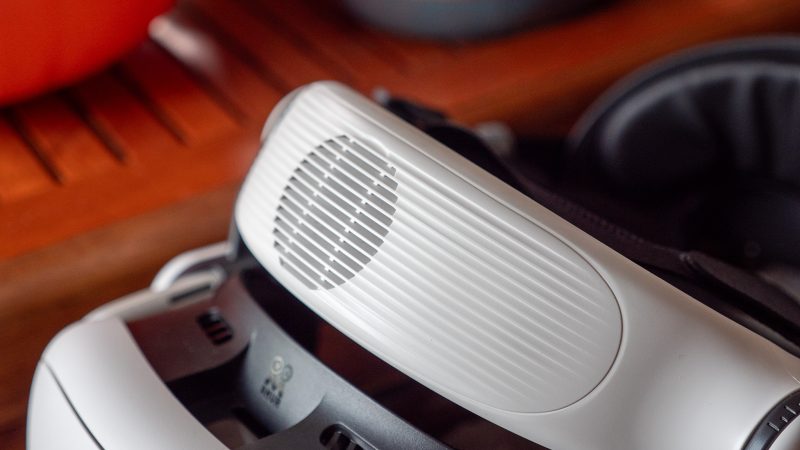
Technical Specifications and Thermal Management
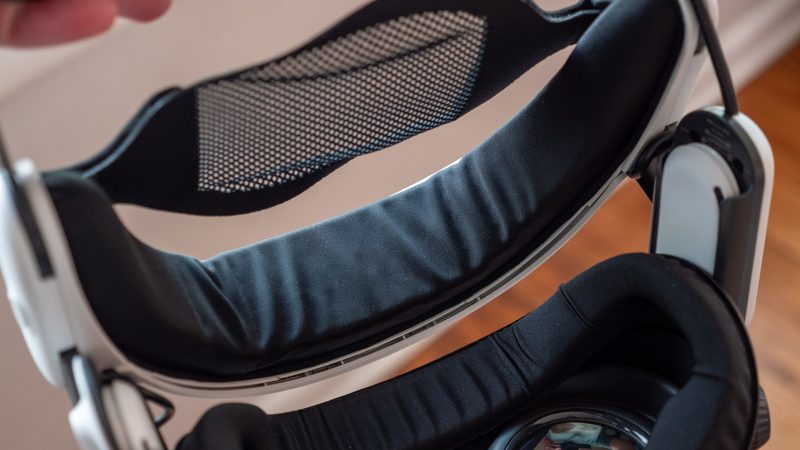
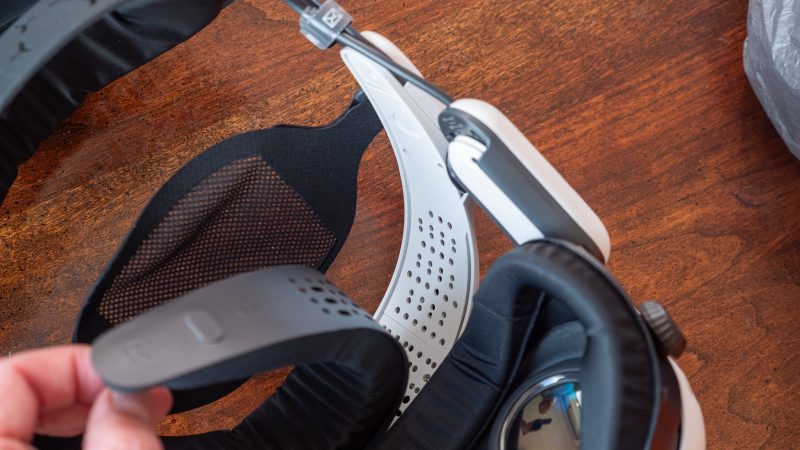
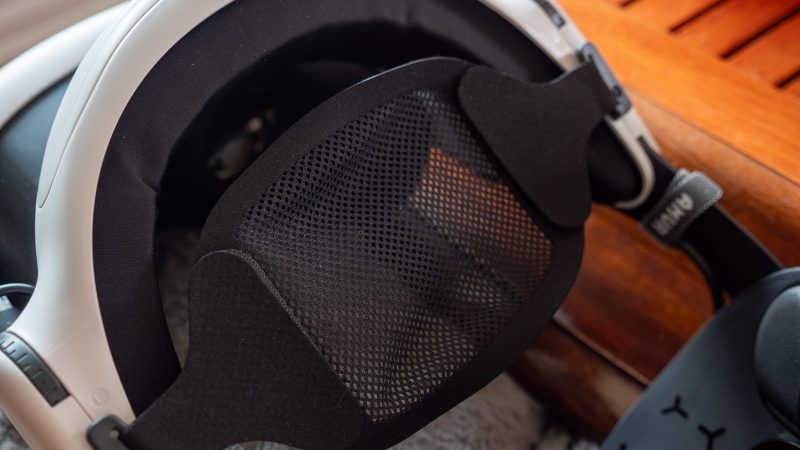
The core of the AMVR BS1’s functionality lies in its dual-purpose cooling system. The forehead pad, which features a breathable mesh lining, is attached via a high-strength magnetic array to the primary support bar. This structural choice serves two purposes: it allows for modular cleaning and maintenance, and it acts as an air duct for the internal, variable-speed fan.
Thermal regulation is a critical factor in VR performance. When a user’s body temperature rises during high-intensity VR gaming—such as rhythm games or fitness-oriented applications—the difference in temperature between the warm facial interface and the cool glass lenses often results in condensation or "fogging." The BS1’s integrated fan, controlled by a recessed, tactile wheel on the right side of the strap, facilitates constant airflow. By maintaining a stable temperature at the facial interface, the device prevents moisture buildup, ensuring that visual clarity remains consistent throughout extended play sessions.
Power Management and Weight Distribution
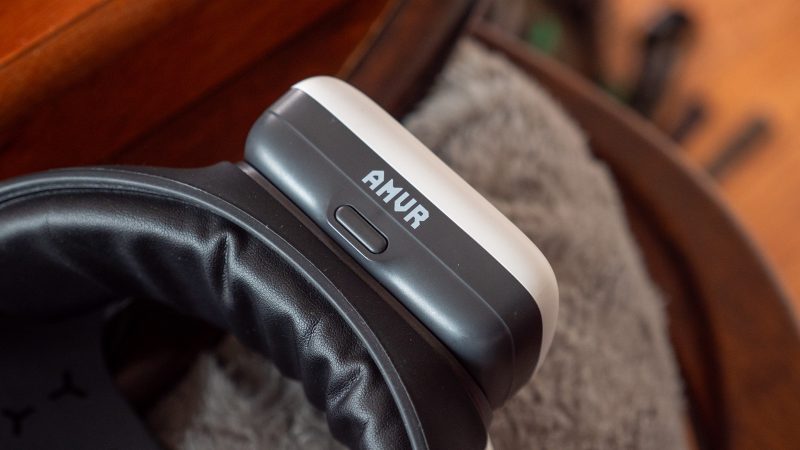
One of the most persistent issues with the Meta Quest 3 and 3S is their power-to-weight ratio. The internal battery typically provides between two and three hours of gameplay, depending on the intensity of the application. The AMVR BS1 addresses this with an 8,800mAh magnetic, swappable battery pack.
The positioning of this battery at the rear of the head strap serves as a functional counterweight. By shifting the center of gravity closer to the center of the user’s head, the strap significantly reduces the amount of pressure required by the facial interface to hold the display in place. This adjustment alleviates common complaints of "face-heavy" fatigue, where users experience discomfort around the cheekbones and nose after less than an hour of use.
The battery itself is designed for hot-swapping. Given the magnetic connection, users can replace a depleted pack with a fully charged unit in seconds, effectively removing the hard limit on session duration. Each pack provides roughly four hours of additional runtime, facilitating long-form gaming or professional productivity tasks that would otherwise be interrupted by charging cycles.
Materials Science and User Hygiene
In addition to its mechanical features, the BS1 emphasizes material durability and hygiene. The padding throughout the strap is constructed from high-density, breathable materials designed to wick sweat away from the skin.
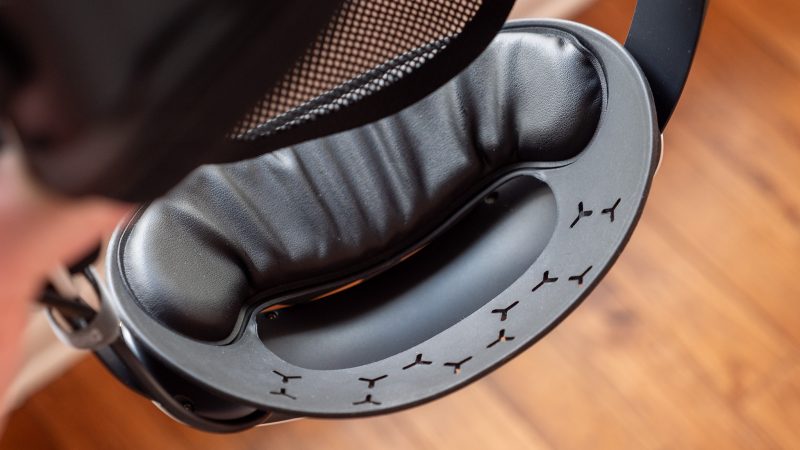
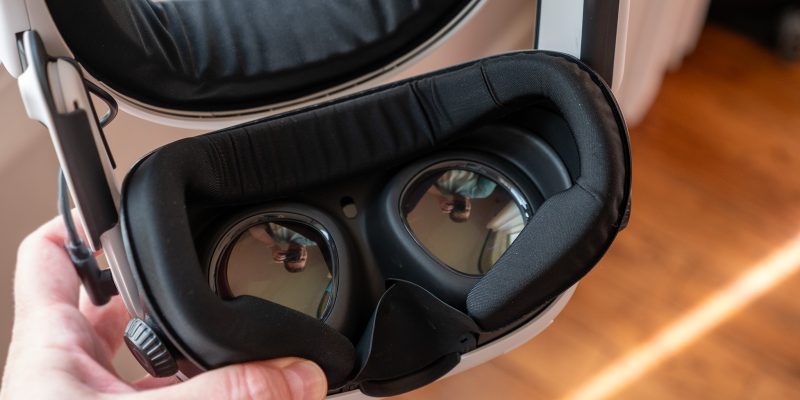
Hygiene in VR is a frequent concern, particularly when devices are shared among multiple users or utilized in fitness environments. The modular nature of the padding allows for quick removal and sanitation. For users who prefer a dedicated hygiene solution, the compatibility with the AMVR FC4M face pad creates an ecosystem where every contact point between the hardware and the user can be detached and cleaned. The FC4M face pad, which also utilizes a magnetic attachment mechanism, further enhances comfort by providing a more ergonomic fit than the stock foam provided by Meta.
Comparative Market Analysis
When evaluating the market, the BS1 faces competition from established players such as the BoboVR M3 Pro+. The BoboVR series has long been considered the industry standard for halo-style strap comfort. However, the BS1 offers a distinct value proposition through its active cooling.
Financial analysts note that while the BoboVR M3 Pro+ is often priced approximately $17 lower than the AMVR BS1, the latter’s inclusion of a dedicated, speed-adjustable fan system provides a feature set that the base-model competitor lacks. For the casual user, the cost savings of a non-fan strap may be appealing; however, for power users or those in warmer climates, the marginal increase in price for the BS1’s cooling functionality is generally viewed as a necessary investment in device utility.
Implications for the Future of VR Hardware
The success of modular, third-party accessories like the AMVR BS1 suggests that consumers are increasingly prioritizing the "total system experience" over the limitations of out-of-the-box hardware. Meta’s design philosophy for the Quest 3 and 3S focuses on a streamlined, lightweight aesthetic, which necessitates trade-offs in battery capacity and cooling infrastructure.
The growth of the aftermarket accessory sector signals that manufacturers like AMVR are effectively filling a gap left by hardware giants. As VR transitions from a niche gaming hobby into a broader tool for fitness, professional design, and remote collaboration, the ability to tailor hardware for comfort will remain a primary driver of user retention.
Furthermore, the integration of these features—cooling, weight balancing, and extended power—highlights a maturing market. Consumers are no longer satisfied with "good enough" performance. They demand a system that can sustain high-fidelity immersion for several hours without physical discomfort.
Conclusion
The AMVR BS1 head strap represents a high-water mark for third-party VR engineering. By solving the most immediate pain points of the Meta Quest 3—specifically thermal management and weight distribution—the device transforms the headset from a platform intended for shorter bursts of activity into a robust system capable of long-duration engagement.
As the VR landscape continues to evolve, the reliance on such specialized hardware will likely persist. Whether for the casual gamer looking to avoid lens fog or the power user requiring four-plus hours of battery life, the BS1 offers a comprehensive,, and well-thought-out upgrade path that standardizes the expected quality of life for the modern VR enthusiast.