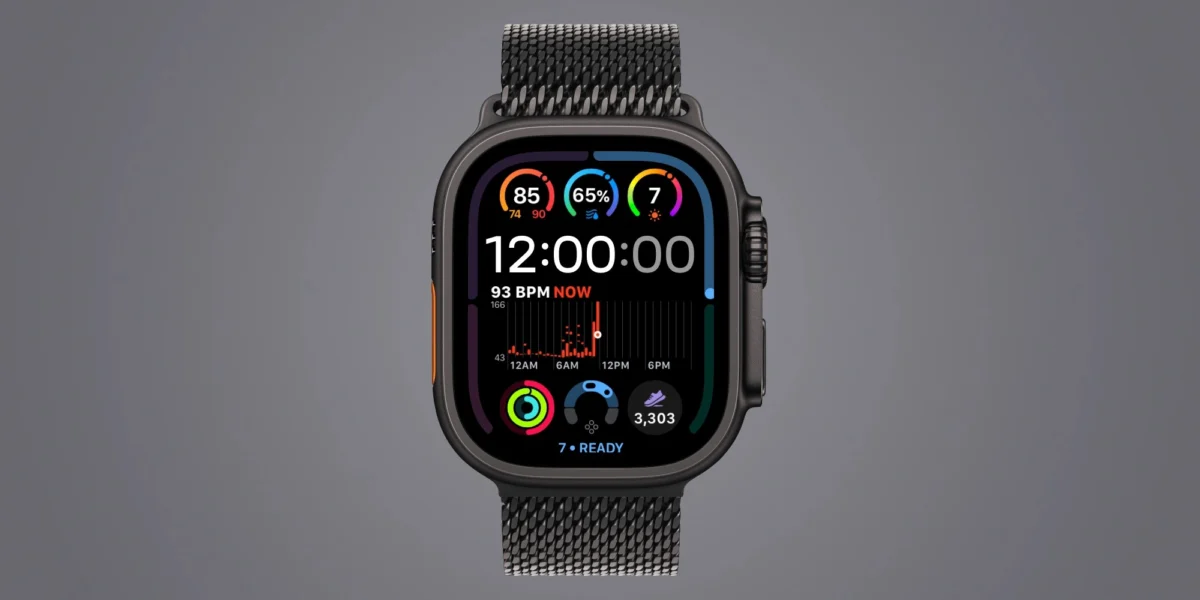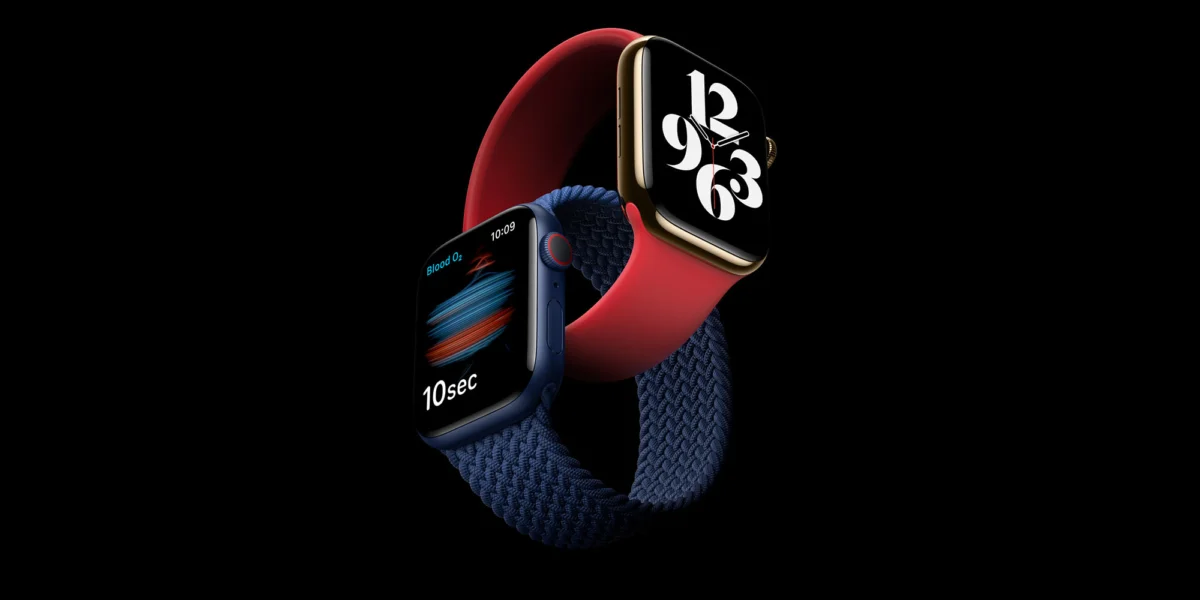







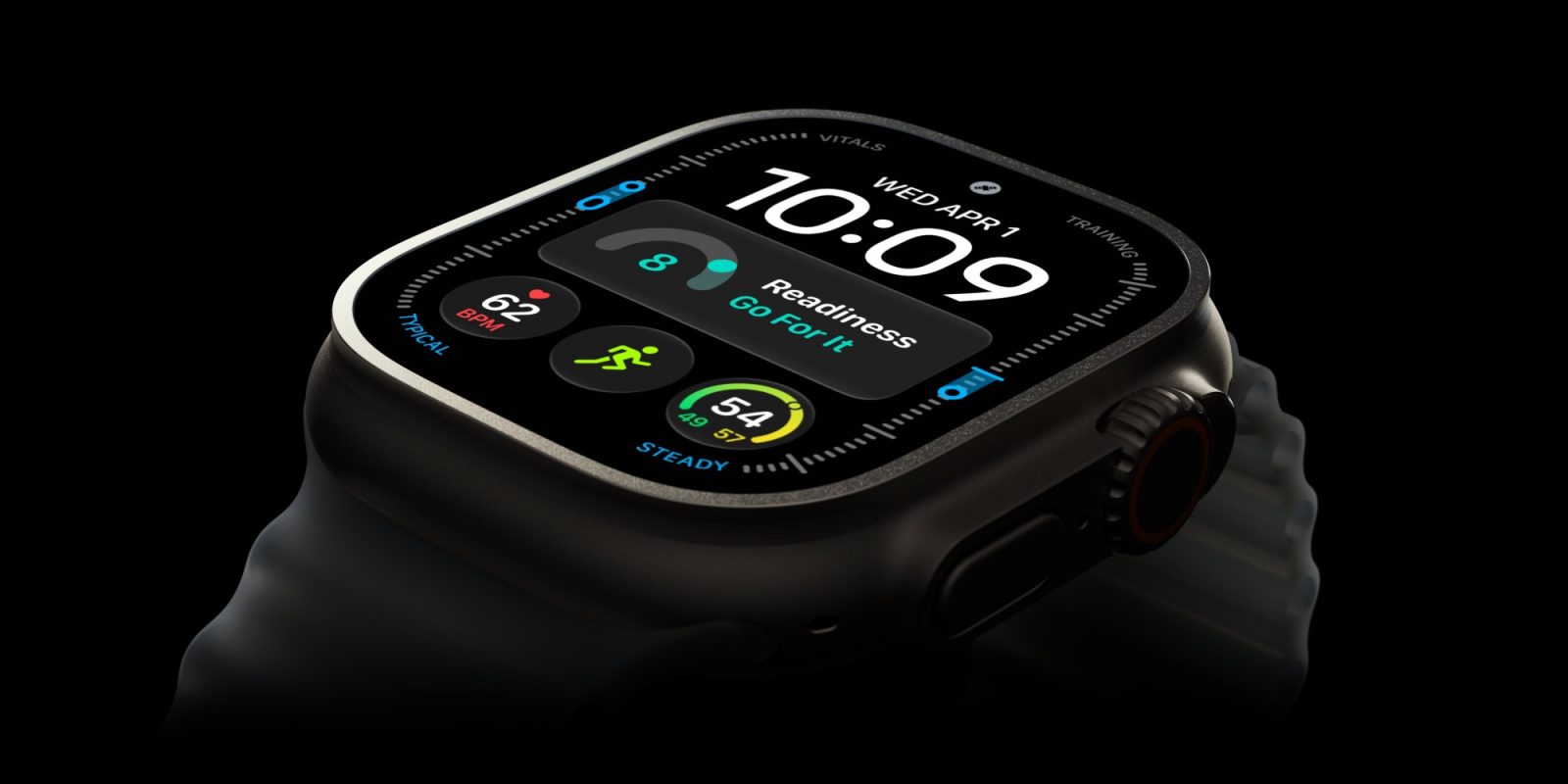
The launch of the Apple Watch Series 12 and the Apple Watch Ultra 4 has marked a significant evolution in wearable technology, pushing the boundaries of what consumers expect from a wrist-worn device. While these flagship wearables debuted with robust hardware specifications, Apple has confirmed that their full potential will be realized later this year through the introduction of two groundbreaking software features: Siri Recap and Live Rewind. These additions, integrated into the upcoming watchOS 27.3 update, represent a shift toward "ambient intelligence," utilizing the onboard processing power of the new S-series chips to assist users in managing daily interactions and information retention.
The Evolution of Apple Intelligence in Wearables
The integration of advanced machine learning into the Apple Watch ecosystem is the cornerstone of watchOS 27. For years, the Apple Watch has served primarily as a health-monitoring and notification-forwarding device. However, with the release of the Series 12 and Ultra 4, the hardware has reached a level of computational maturity that allows for real-time audio processing directly on the device.
Apple’s strategy revolves around the "Apple Intelligence" framework—a suite of generative models designed to operate with a focus on privacy. By performing the heavy lifting of speech-to-text and summarization locally on the watch’s Neural Engine, Apple aims to mitigate concerns regarding cloud-based data harvesting, a common criticism leveled against competing voice-assistant technologies.
Siri Recap: Enhancing Cognitive Recall
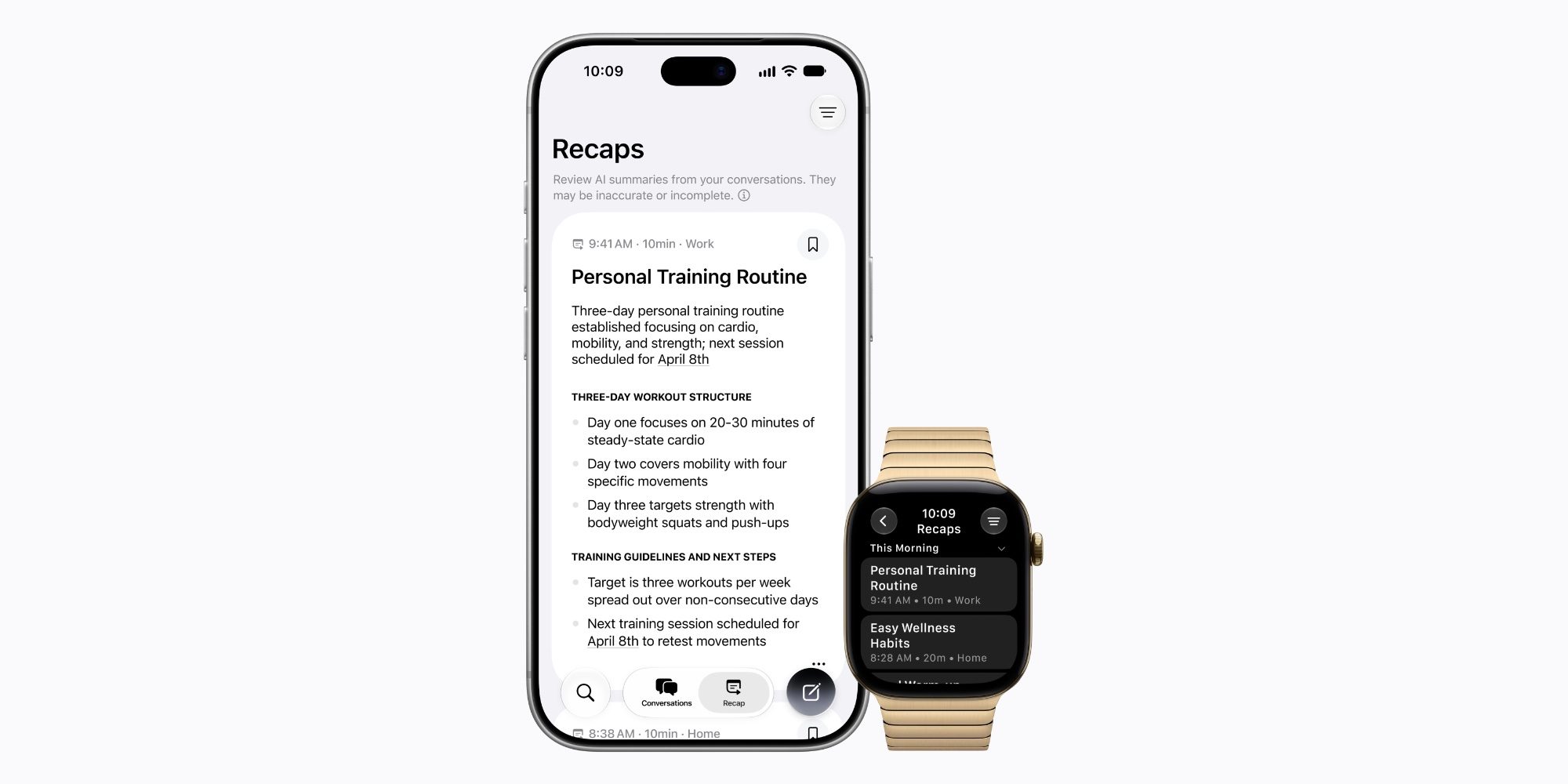
Siri Recap is perhaps the most ambitious of the two new features. Designed as a passive note-taking assistant, it monitors ambient conversations throughout the day to generate high-level summaries of meetings, social interactions, or personal reminders.
According to Apple’s technical documentation, the feature is designed to alleviate the cognitive load on the user. Instead of manually recording notes or relying on memory, the watch acts as a digital ledger of key points. From a technical standpoint, the feature employs a rolling buffer system. To address privacy concerns, Apple has implemented a strict seven-day auto-deletion policy for all summaries unless the user explicitly flags them for long-term storage within the Siri app.
This implementation highlights a growing trend in consumer electronics: the shift from reactive AI—where the device waits for a prompt—to proactive, ambient AI that works in the background to provide value. The implications for professionals, students, and those with accessibility requirements are profound, potentially transforming the watch from a simple fitness tracker into an indispensable personal secretary.
Live Rewind: Real-Time Audio Transcription
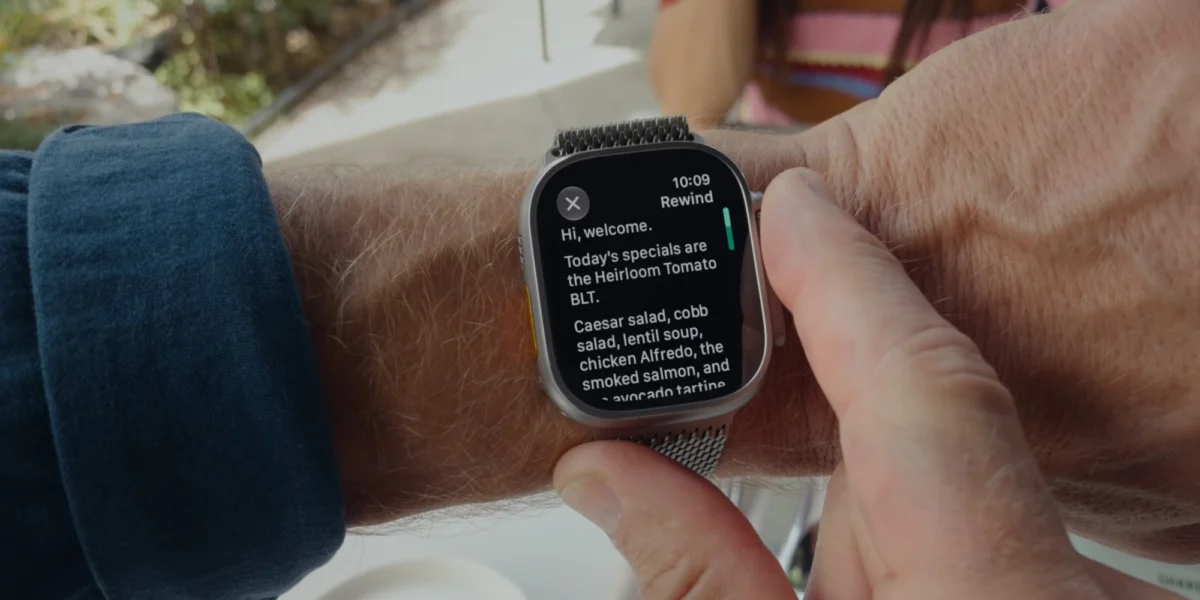
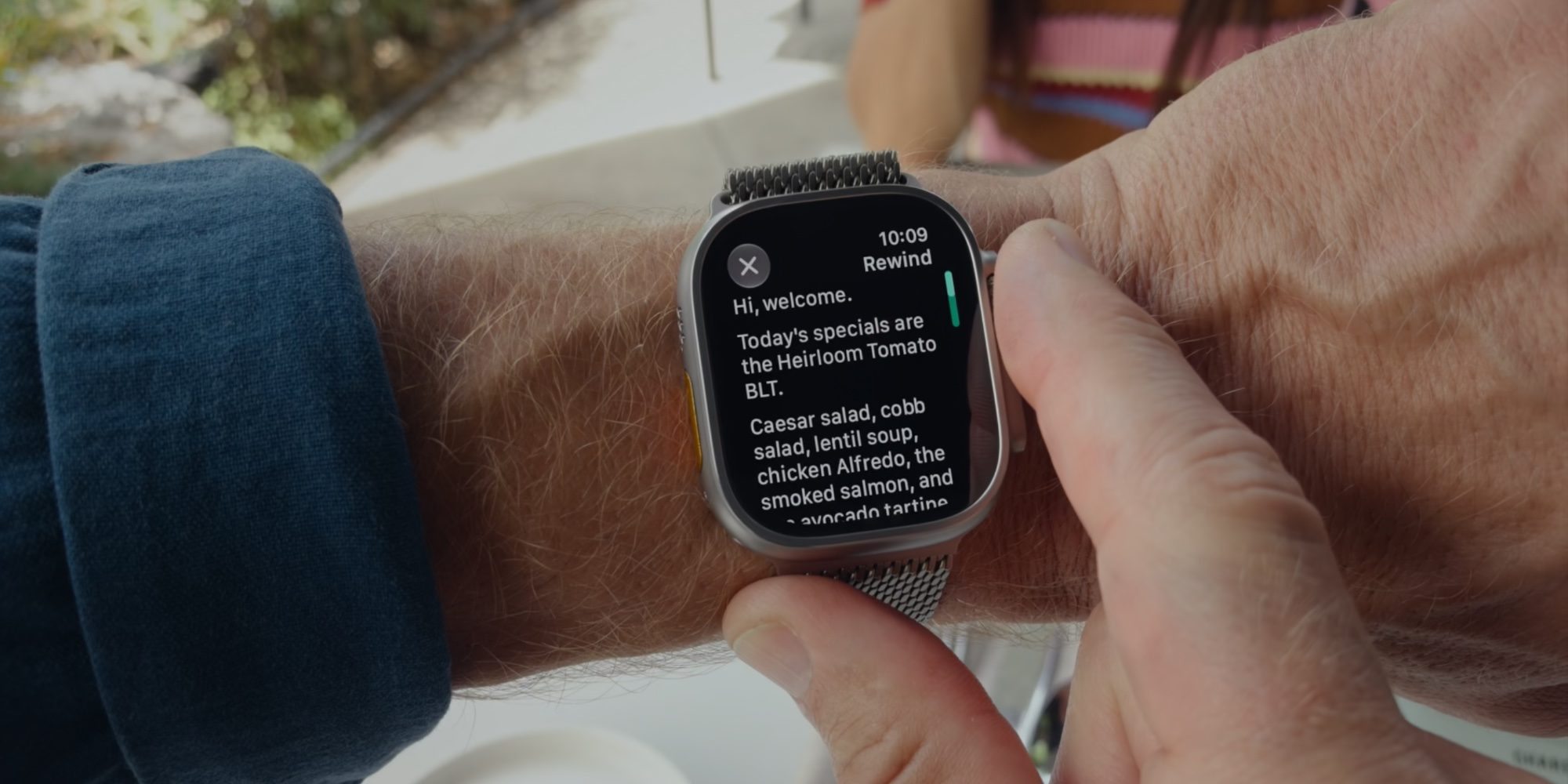
While Siri Recap focuses on long-term summarization, Live Rewind is engineered for immediate utility. This feature allows users to recover audio information that they may have missed in real-time. By double-pressing the Digital Crown, the watch displays a text transcript of the last 15 seconds of ambient audio.
This feature is particularly beneficial in fast-paced environments, such as lecture halls, crowded business meetings, or high-noise outdoor settings where auditory clarity may be compromised. By converting the immediate past into a readable format on the OLED display, the Apple Watch provides an essential accessibility tool for users who are hard of hearing or those who simply need to confirm a specific detail, such as an address or a time mentioned in passing.
The integration of this feature into the hardware—specifically the tactile feedback of the Digital Crown—suggests that Apple is prioritizing intuitive, friction-less interaction. The ability to then ask Siri follow-up questions about the transcribed snippet or save the text for later reference bridges the gap between ephemeral audio and permanent, searchable data.
Privacy and Data Security Framework
The introduction of audio-processing features has naturally invited scrutiny regarding user privacy. Recognizing this, Apple has published a comprehensive white paper detailing the "Audio Intelligence" architecture. The core tenet of this framework is on-device processing. Unlike previous iterations of Siri that relied heavily on server-side requests, the Series 12 and Ultra 4 utilize localized models that do not transmit raw audio data to Apple’s servers.
Furthermore, the company has implemented visual and haptic indicators to notify users when active recording or transcription is occurring. This transparency is a strategic move to preempt potential regulatory pushback regarding unauthorized surveillance, ensuring that the technology remains a tool for individual productivity rather than a privacy liability. Industry analysts suggest that this "Privacy-First AI" approach is Apple’s primary differentiator against competitors like Google and Meta, whose business models are more closely tied to cloud-based data utilization.
Timeline and Implementation
Apple has confirmed that both Siri Recap and Live Rewind will be deployed as part of the watchOS 27.3 update. The rollout is expected to follow the company’s traditional software lifecycle:
- Beta Phase (Late Q3 2026): Developers and public beta testers will receive access to the features to stress-test the machine learning models under diverse linguistic and environmental conditions.
- Refinement Phase (Mid-Q4 2026): Feedback from the beta period will be used to calibrate the accuracy of the summarization models and ensure optimal battery efficiency.
- General Release (Late 2026): The stable version of watchOS 27.3 will be pushed to all compatible Apple Watch Series 12 and Ultra 4 devices, marking the official launch of the new AI capabilities.
Market Implications and Future Outlook
The addition of these features serves as a significant value proposition for the Series 12 and Ultra 4, particularly as the wearable market faces increased saturation. By shifting the focus toward software-enabled intelligence, Apple is effectively extending the lifecycle of its hardware. Consumers who might have previously viewed the annual upgrade as incremental now have a compelling reason to invest in the latest models due to the exclusive nature of these AI capabilities.
From an industry perspective, this development signals the next frontier in the "Quantified Self" movement. While the first decade of the Apple Watch was defined by the measurement of physical metrics—steps, heart rate, and blood oxygen—the next decade will likely be defined by the measurement and curation of the user’s digital and auditory life.
However, the success of these features will depend heavily on the accuracy of the natural language processing (NLP) models in real-world conditions. Ambient noise, multiple speakers, and varied accents present persistent challenges for voice-recognition technology. If the Apple Watch can successfully navigate these variables, it could set a new industry standard for wearable intelligence.

Accessibility and Broader Utility
Beyond the mainstream consumer, these features represent a monumental step forward for accessibility. For individuals with auditory processing disorders or those who struggle with executive functioning, tools that can "capture" the moment and summarize it offer a level of independence that was previously unavailable in a device of this size.
By treating these tools not just as "smart" features but as fundamental components of the user interface, Apple is reinforcing its commitment to inclusive design. As the AI models continue to learn and adapt, the potential for personalized accessibility profiles—where the watch learns to prioritize the voices or information types most relevant to the individual user—becomes increasingly feasible.
As the tech community awaits the release of watchOS 27.3, the focus remains on whether these features will indeed become "daily drivers" for the average user. If successful, Siri Recap and Live Rewind will cement the Apple Watch’s position not just as a peripheral to the iPhone, but as a powerful, independent computing platform capable of navigating the complexities of modern, information-rich environments. The forthcoming software update is poised to be one of the most significant in the device’s history, proving that the most powerful hardware is only as good as the intelligence that drives it.