








The specialized demands of professional culinary environments necessitate a unique approach to personal equipment, often requiring a distinct separation between tools used for food preparation and those utilized for utility tasks. For Stephen, a full-time cook based in Minnesota, the challenge of maintaining hygiene standards while ensuring the availability of essential tools has resulted in a highly curated everyday carry (EDC) system. This system incorporates a multi-blade strategy that separates culinary instruments from the heavy-duty gear required for box cutting, maintenance, and administrative tasks.
The Philosophy of Separation in Culinary EDC
In the high-pressure environment of a commercial kitchen, cross-contamination is a critical concern. Health and safety regulations, such as those governed by the FDA Food Code in the United States, emphasize the necessity of keeping food-contact surfaces and non-food-contact tools strictly segregated. For culinary professionals, this reality dictates the structure of their daily gear.
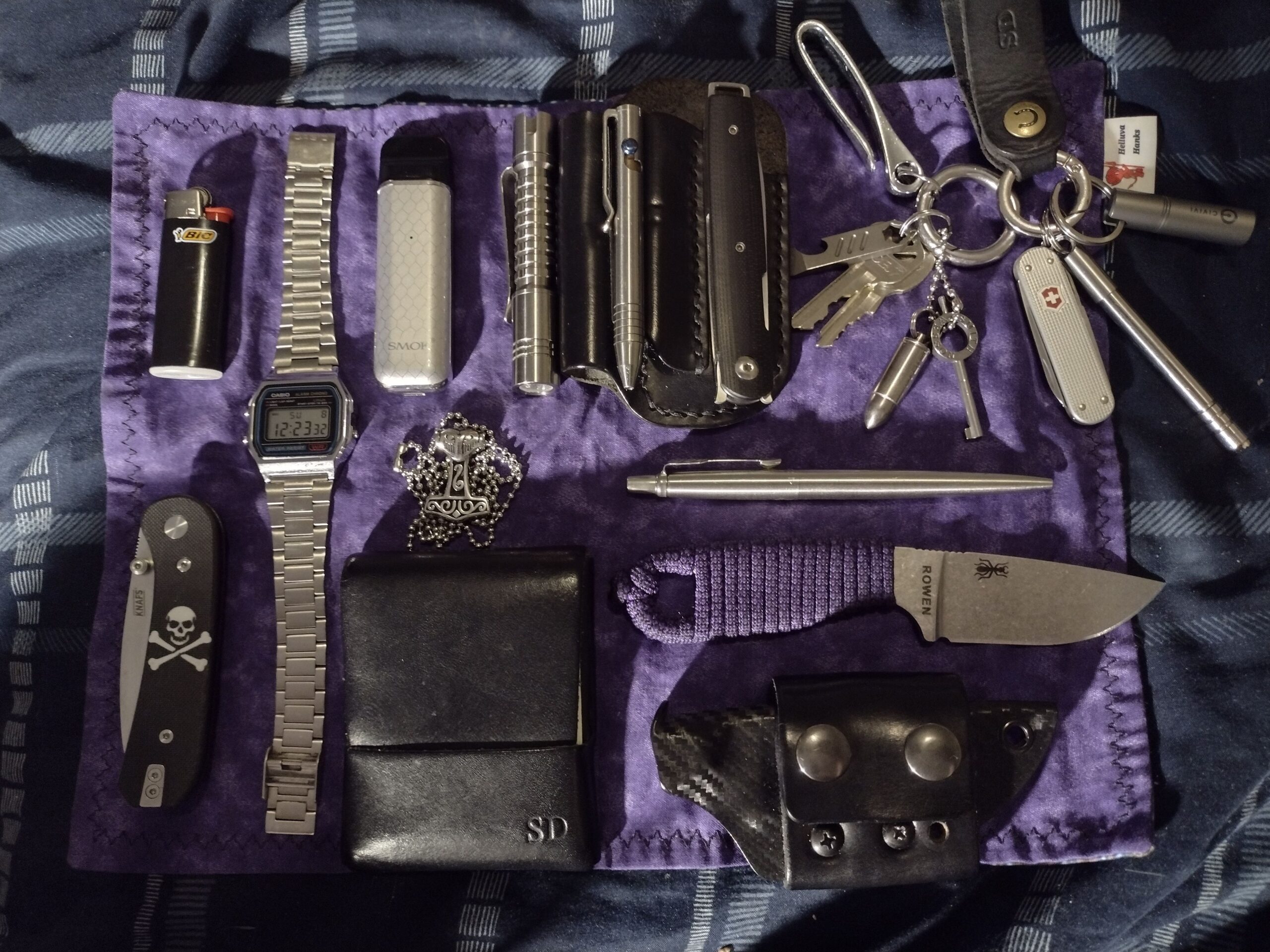
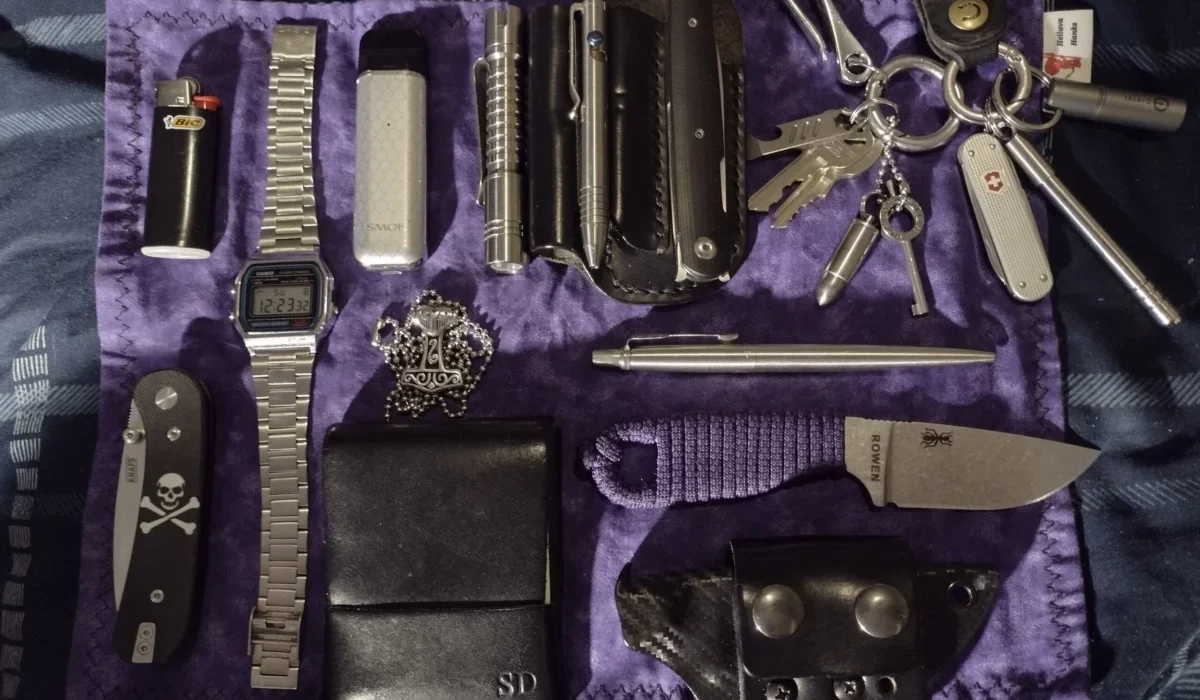
Stephen’s approach involves carrying four distinct knives, each designated for specific non-food tasks. By maintaining a clear boundary between his kitchen-grade cutlery and his utility blades, he ensures that the tools used to break down shipping boxes or perform general maintenance never compromise the sanitary integrity of his workspace. This methodology aligns with standard professional kitchen practices where the "mise en place" philosophy—everything in its place—extends to the contents of a cook’s pockets.
Anatomy of a Professional Utility Loadout
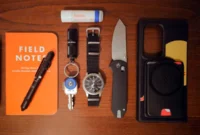
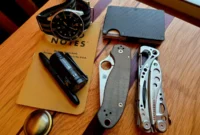
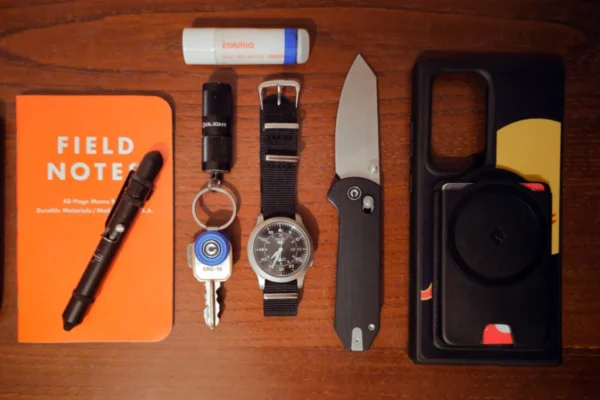
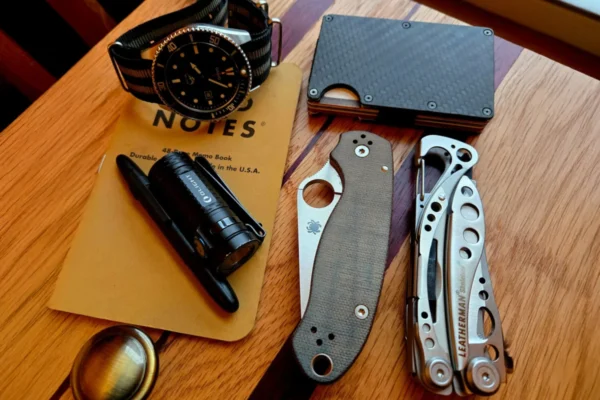
The core of Stephen’s carry includes a blend of high-end and high-value tools, reflecting a pragmatic philosophy toward equipment. His selection includes:
- The ESEE Izula (S35VN): Serving as his primary workhorse, the Izula is a fixed-blade knife renowned for its durability and compact footprint. The use of S35VN steel provides excellent edge retention and corrosion resistance, making it suitable for the humid and often chaotic environment of a kitchen back-of-house.
- Knafs and Boker Folders: These secondary and tertiary blades offer versatility. By carrying a mix of folders, Stephen can rotate his tools based on the specific requirements of his shift, such as precision tasks versus heavy-duty cutting.
- The Pen Portfolio: A notable feature of his carry is the deliberate juxtaposition of a Parker Jotter and a premium titanium bolt-action pen. The Parker Jotter, often cited for its reliability and stainless-steel construction, serves as a budget-friendly workhorse, while the titanium bolt-action pen represents the enthusiast side of the EDC community—providing durability and a superior tactile experience for taking inventory notes or signing shipping receipts.
The Role of Organization in Pocket Management
The logistical challenge of carrying multiple knives and accessories is solved through the use of leather sheaths and keychain retention systems. In a professional kitchen, space is at a premium; bulky pocket contents can impede movement. By utilizing external retention systems, Stephen ensures his tools are accessible without cluttering his uniform or compromising his mobility.
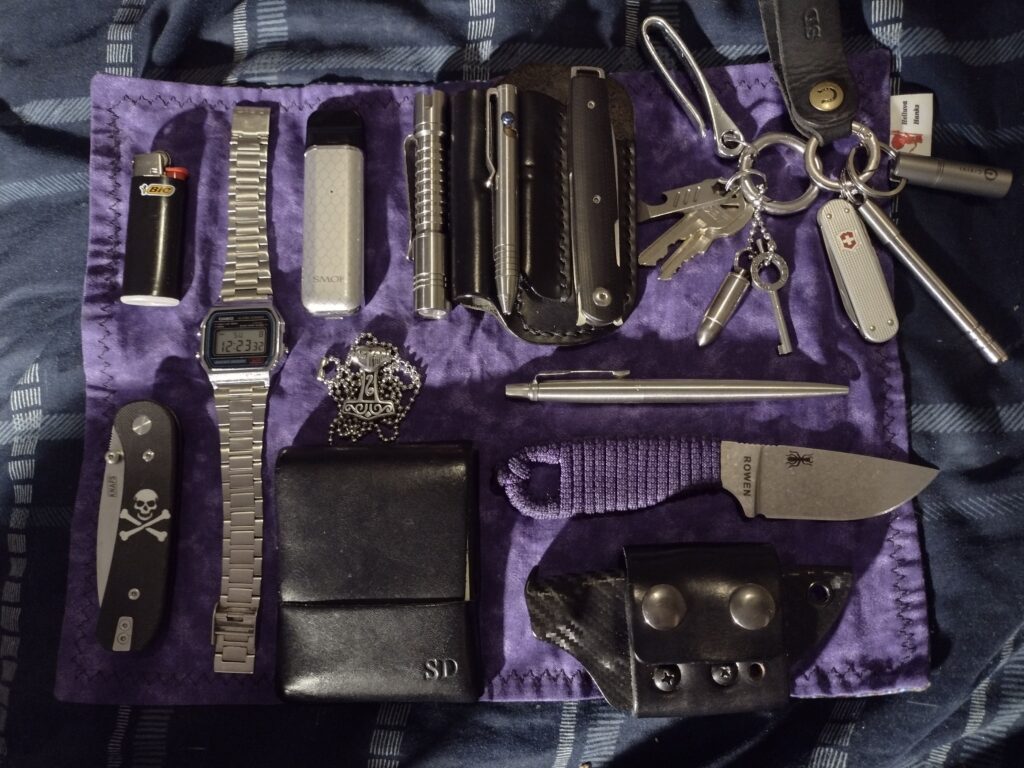
The trend toward "hanging" gear off the body or utilizing modular organizers has gained significant traction within the professional trades. This practice allows for a standardized layout, ensuring that when a tool is needed, it is consistently in the same location, reducing the time spent searching for equipment during a busy service window.
Market Trends in Professional Everyday Carry
The gear choices highlighted in this loadout reflect broader trends in the EDC market. There is an increasing shift toward materials like titanium and high-performance blade steels like S35VN, even among professionals who view these items as strictly functional rather than collectible.
Data from the consumer goods sector suggests that interest in high-quality EDC tools has risen by approximately 15% annually since 2020. This growth is driven by professionals in service, construction, and healthcare who are seeking tools that can withstand the rigors of daily use while maintaining their aesthetic and functional integrity. The "value-plus-premium" strategy—pairing a sub-$10 pen with a $150+ custom titanium piece—is a common pattern among users who prioritize performance where it matters most while finding cost-effective solutions for high-loss or high-wear items.

Safety and Compliance Context
For a chef, the tools in their pocket are an extension of their professional capability. However, this is balanced against strict workplace safety protocols. Many culinary establishments have policies regarding the types of knives that can be brought into the kitchen. By keeping his "utility" blades clearly distinguished from his "kitchen" blades—often through physical design (fixed blade vs. folding) and by ensuring they remain in their sheaths while in the kitchen environment—Stephen adheres to both safety standards and professional decorum.
Broader Implications for Trade Professionals
The professionalization of EDC gear has significant implications for how workers in various industries manage their daily workflow. For chefs, the ability to rapidly open crates, label containers, and perform minor equipment repairs without leaving the line is a measurable efficiency gain. When equipment is reliable, the "down-time" associated with dull blades or failing pens is minimized.
Furthermore, the emphasis on quality tools reflects a broader cultural shift toward sustainability. Rather than purchasing disposable, low-quality items that require frequent replacement, professionals are investing in durable goods that can be sharpened, serviced, or passed down. The inclusion of an ESEE Izula—a brand known for its lifetime warranty and rugged construction—is indicative of a desire for longevity in a career field defined by rapid turnover.
Conclusion
Stephen’s EDC strategy serves as a blueprint for other culinary professionals looking to organize their personal gear. By prioritizing hygiene, durability, and accessibility, he has successfully integrated his outside-the-kitchen utility needs with the strict demands of his profession. As the market for professional-grade everyday carry continues to expand, the intersection of high-performance materials and practical, daily application will remain a critical focus for those who rely on their tools to earn a living.
The success of this loadout—marked by a thoughtful selection of steel and a disciplined approach to organization—highlights that even in a high-intensity kitchen, a well-curated set of tools is not merely a hobbyist’s endeavor, but a legitimate component of professional readiness. Whether it is the precision of a bolt-action pen or the reliability of a fixed-blade knife, the right equipment allows the modern cook to maintain control in an environment where precision is the only standard.