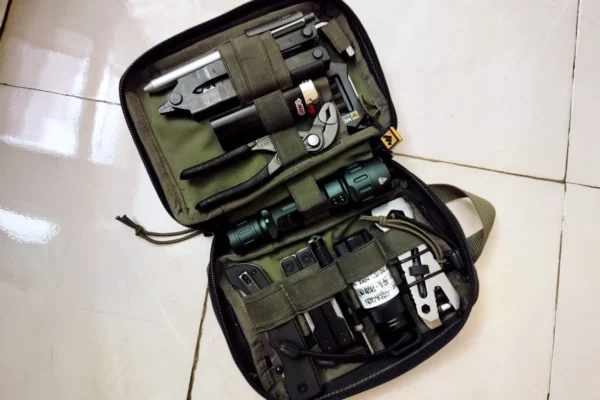









In the contemporary professional environment, the concept of "Everyday Carry" (EDC) has evolved from a niche hobby for survivalists and outdoor enthusiasts into a sophisticated discipline of personal efficiency. For individuals operating in high-stakes, technical roles—such as aeronautical automation operators—the gear carried on one’s person is no longer merely a collection of trinkets, but a curated toolkit designed to enhance workflow, ensure reliability, and maintain minimalist organization. The recent insights shared by Ruben Caeiro, an aeronautical automation professional based in Portugal, serve as a compelling case study in how modern professionals are integrating high-value, ergonomic tools into their daily routines to bridge the gap between industrial demands and personal lifestyle requirements.
The Philosophy of Minimalist Utility
At the core of the modern EDC movement lies a fundamental rejection of clutter. Professionals who operate in complex, automated systems often favor gear that provides maximum utility with minimal physical footprint. This trend is driven by the realization that in an era of digital dependency, the "analog" items we choose to carry—notebooks, pocket knives, and timepieces—must justify their presence by providing immediate, reliable solutions to common problems.
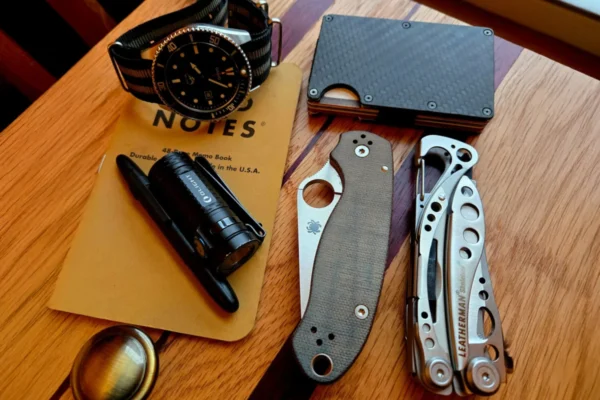
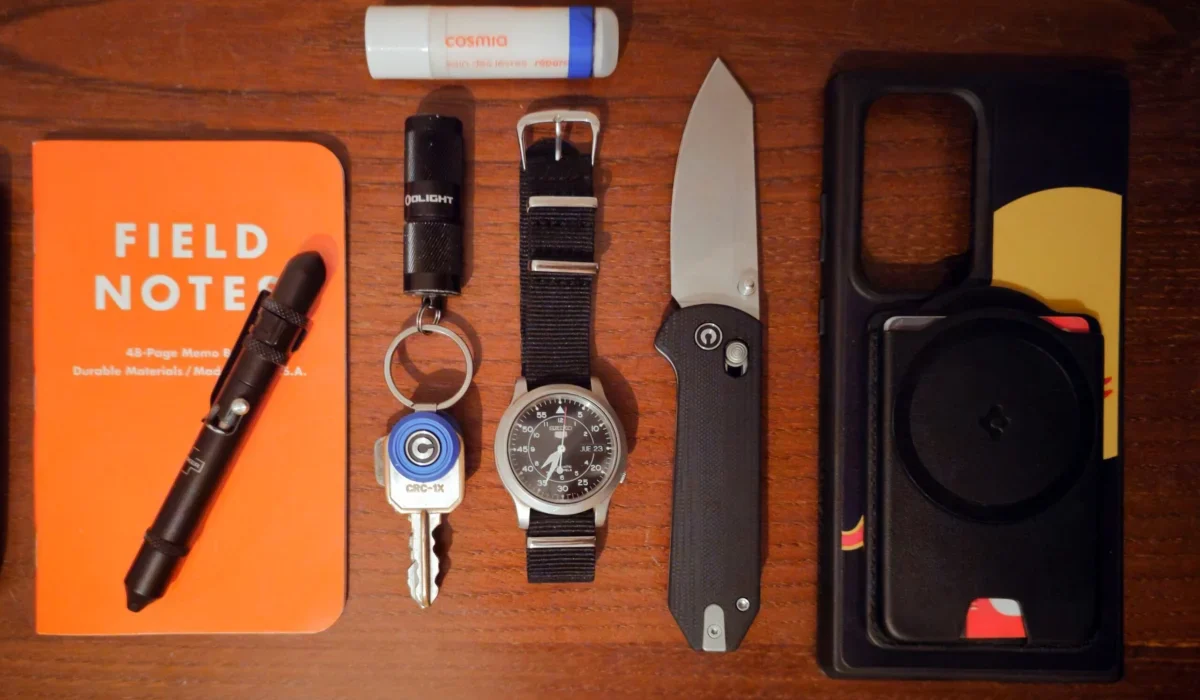
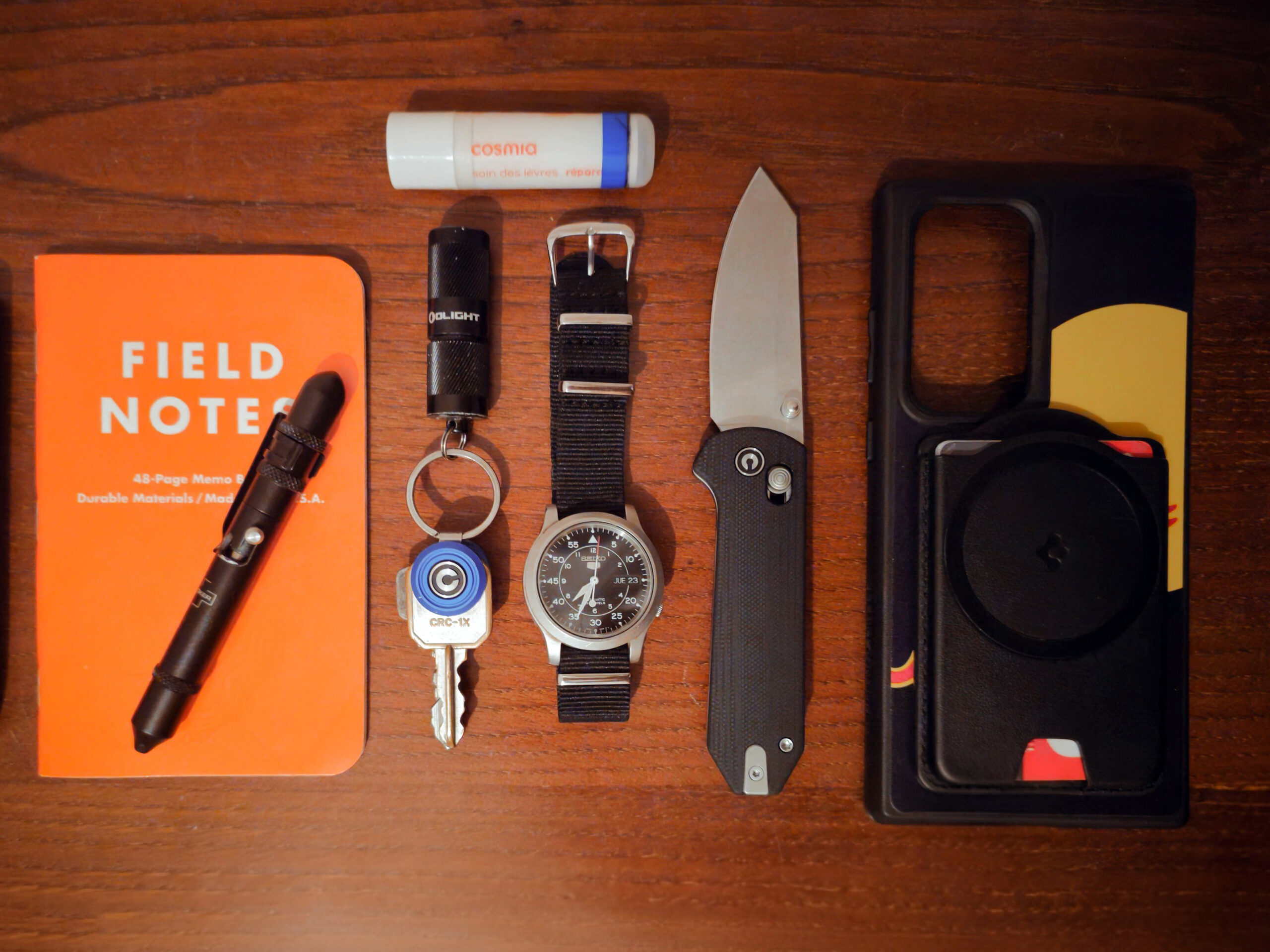
For Caeiro, the transition toward a refined carry system involves a strategic selection of items that can seamlessly bridge the divide between a high-pressure workplace and off-duty leisure. The integration of a Field Notes notebook and the award-winning CIVIVI Yonder pocket knife represents a deliberate shift toward tools that emphasize tactile feedback and mechanical precision. By maintaining a stable, consistent set of tools, the professional reduces "cognitive load"—the mental effort required to manage and maintain personal gear—allowing for greater focus on the technical responsibilities of aeronautical operations.
Chronology of the Modern EDC Movement
The rise of the EDC community can be traced back to the early 2000s, gaining significant momentum with the proliferation of internet forums and social media platforms. Initially focused on "tactical" gear, the movement has undergone a major aesthetic and functional pivot over the last decade.
- 2005–2010: The nascent stage of EDC, characterized by heavy emphasis on self-defense tools, flashlights, and survivalist gear.
- 2011–2016: The "gentleman’s folder" era, where traditional pocket knives and leather goods began to merge with modern technology, such as smartphones and modular key organizers.
- 2017–2021: The rise of high-end materials, including titanium, carbon fiber, and Damascus steel. EDC became a status symbol, with a focus on "boutique" manufacturing.
- 2022–Present: The current era, defined by a return to "value-driven utility." As global economic pressures have increased, there is a clear trend toward high-quality, budget-friendly tools that do not sacrifice performance for price.
The selection of the CIVIVI Yonder by Caeiro is emblematic of this current phase. Awarded "Best Buy of the Year" at the 2024 Blade Show, the Yonder demonstrates that engineering excellence—specifically regarding crossbar-locking mechanisms and ergonomic geometry—is no longer the exclusive domain of luxury, high-priced knife manufacturers.
Technical Analysis of EDC Gear Selection
The gear utilized by Caeiro highlights several key principles of modern industrial carry. An analysis of these items reveals why they are favored by technical professionals.
1. The CIVIVI Yonder and Mechanical Reliability
Designed by Zac Whitmore, the Yonder is categorized as a "crossbar-locked" knife. This mechanism is prized for its ambidexterity and high safety rating, as the user’s fingers never need to cross the blade’s path during closure. In an industrial environment where a professional might be wearing gloves or operating with one hand, this feature is critical.
2. The Role of Analog Documentation
Despite the ubiquity of digital tablets and smartphones in the aviation sector, the physical notebook remains an essential tool. The "Field Notes" system provides a high-reliability backup to digital data, allowing for rapid sketching, note-taking during meetings, or drafting schematics without the latency of booting up software.
3. Strategic Rotation for Lifestyle Balance
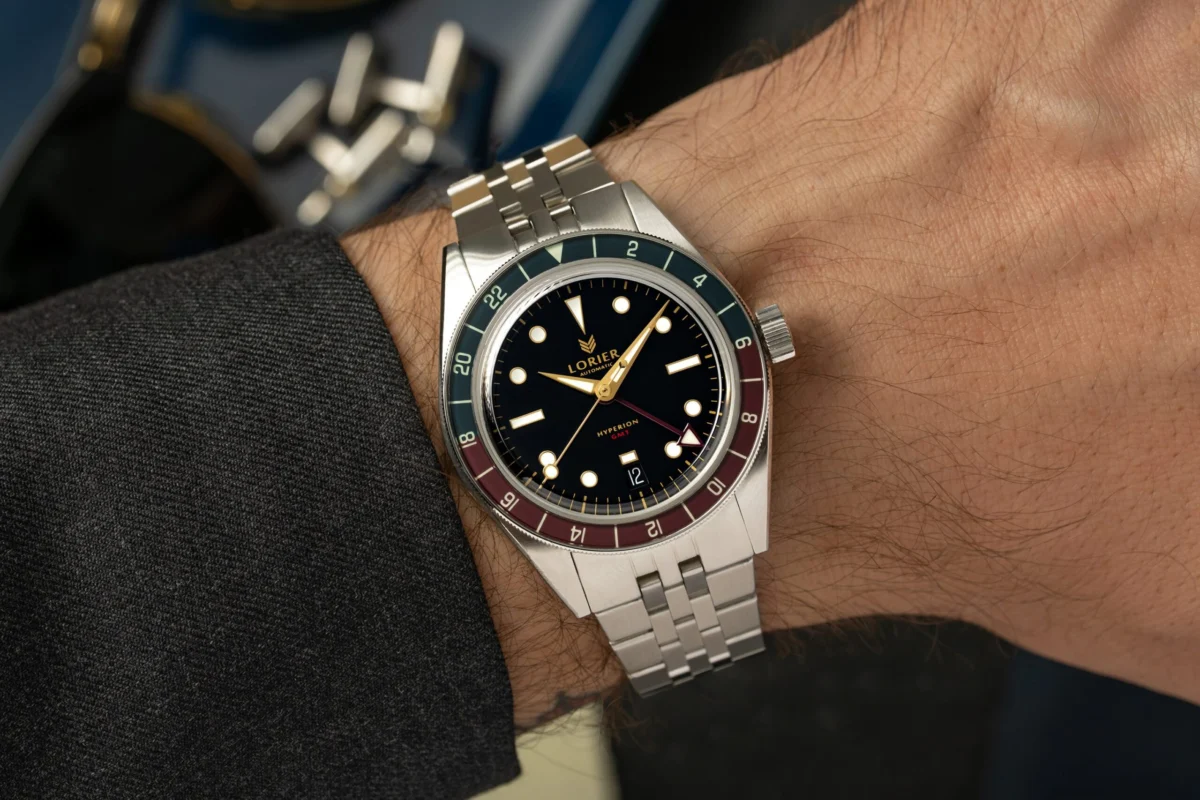
The practice of swapping equipment based on context—such as transitioning from a professional work knife to a more aesthetic Kizer Feist, or swapping a utilitarian watch for a Casio Edifice with a "Tiffany" dial—reflects a sophisticated understanding of professional branding. It acknowledges that while tools must be functional, they also serve as an extension of personal identity in social or formal settings.
Broader Implications for Workplace Efficiency
Industry experts have noted that the "EDC culture" within technical workplaces can have measurable impacts on operational readiness. By encouraging employees to maintain a standard set of high-quality, well-maintained tools, companies often see a reduction in time wasted searching for basic items like pens, knives, or illumination tools.
Furthermore, the emphasis on quality tools reflects a broader trend in workplace ergonomics. When a professional utilizes a tool that is perfectly weighted, intuitive to operate, and aesthetically pleasing, it can contribute to a sense of professional pride and psychological comfort. In sectors like aeronautical automation, where precision is the baseline expectation, this attention to detail in one’s personal kit often mirrors the attention to detail required in one’s professional output.
The Value-Driven Market Shift
Data from recent retail trends suggests that the market for high-value, mid-range EDC items is expanding faster than the luxury sector. Consumers are increasingly conducting rigorous research into material science—comparing the benefits of different steel types like Nitro-V versus S35VN—before making a purchase.
The CIVIVI Yonder, for example, represents this shift. It offers premium features—such as a lightweight build and a highly refined locking mechanism—at a price point that makes it accessible to a wider demographic of professionals. This democratization of quality gear allows individuals like Caeiro to curate a professional-grade kit without the prohibitive costs associated with custom or small-batch manufacturing.
Future Outlook and Integration
As the integration of wearable technology and smart tools continues, the EDC landscape will likely see a convergence between mechanical utility and digital connectivity. We are already observing the rise of "smart wallets" that integrate with phone tracking systems and multi-tools that incorporate USB-C connectivity.
However, the core tenets established by enthusiasts like Caeiro—reliability, minimalism, and situational adaptability—will remain the gold standard. Whether one is monitoring flight automation systems or managing a team in a corporate office, the goal remains the same: to carry what is necessary, remove what is redundant, and ensure that every item in one’s pocket serves a clear, functional purpose.
Conclusion
The testimony provided by Ruben Caeiro is more than a list of items; it is a reflection of a mindset that values preparation and efficiency in a complex world. By focusing on high-value tools that balance performance with accessibility, modern professionals are successfully navigating the demands of their careers while maintaining a clear sense of personal style. As the EDC movement continues to mature, the focus will undoubtedly remain on these foundational principles, proving that the most effective tool is often the one that is reliably at hand when the need arises. Through the strategic curation of gear—from the mechanical precision of a crossbar-locked knife to the simple utility of a notepad—professionals are equipping themselves to face the challenges of the modern era with confidence and consistency.