







In the high-stakes environment of professional portrait and wedding photography, the success of an image is rarely determined by a single technical element. While composition, lighting, and camera settings provide the structural foundation, the nuances of human body language—specifically the positioning of hands—serve as the primary vehicles for emotion and narrative. For professional photographers, understanding the "visual weight" of limbs is no longer an optional skill but a core requirement for delivering high-end, emotive imagery that resonates with clients.
The Science of Natural Pointers and Visual Direction
At the heart of posing theory lies the concept of "natural pointers." In visual communication, limbs act as directional arrows that guide the viewer’s gaze. When a subject’s arm or hand is extended, the eye naturally follows that line, often leaving the frame or fixating on an unintended area. If a photographer is unaware of these pointers, they risk creating a "distraction trap" where the focus shifts away from the subject’s face toward an awkward finger gesture or an unflattering body contour.

Data from industry workshops suggests that viewers typically scan a portrait in a "Z" or circular pattern, beginning at the eyes. If a hand is placed in a way that creates a harsh, angular line, the viewer’s eye is forced to break that natural flow. Consequently, professional standards now dictate that photographers must curate "continual loops"—poses where the eyes, arms, and hands are arranged to keep the viewer’s focus within the core of the composition.
Evolution of Posing: From Staged to Authentic
The historical timeline of wedding photography has shifted dramatically over the past two decades. In the early 2000s, the industry was dominated by static, rigid structures, often referred to as "prom poses." These involve symmetrical, tightly locked arrangements that prioritize formality over connection. However, contemporary market demand has pivoted toward "candid-posed" imagery.
This transition marks a departure from the "shrimp cocktail" hand-holding style—where fingers are awkwardly interlaced—toward more relaxed, layered placements. Modern industry leaders advocate for the "one-hand-over-the-other" technique, which minimizes the visual clutter of knuckles and tangled fingers, creating a cleaner, more elegant aesthetic. This evolution is driven by a broader trend in visual media that favors authenticity; clients today are increasingly sensitive to images that look "manufactured."

The Psychological Impact of Body Language
The implications of hand placement extend beyond aesthetics into the realm of client psychology. A photographer’s choice of pose can inadvertently amplify a client’s personal insecurities. For example, in maternity or bridal portraiture, placing a hand across the midsection can serve to highlight a desired feature, or, if poorly executed, draw unwanted attention to an area of discomfort.
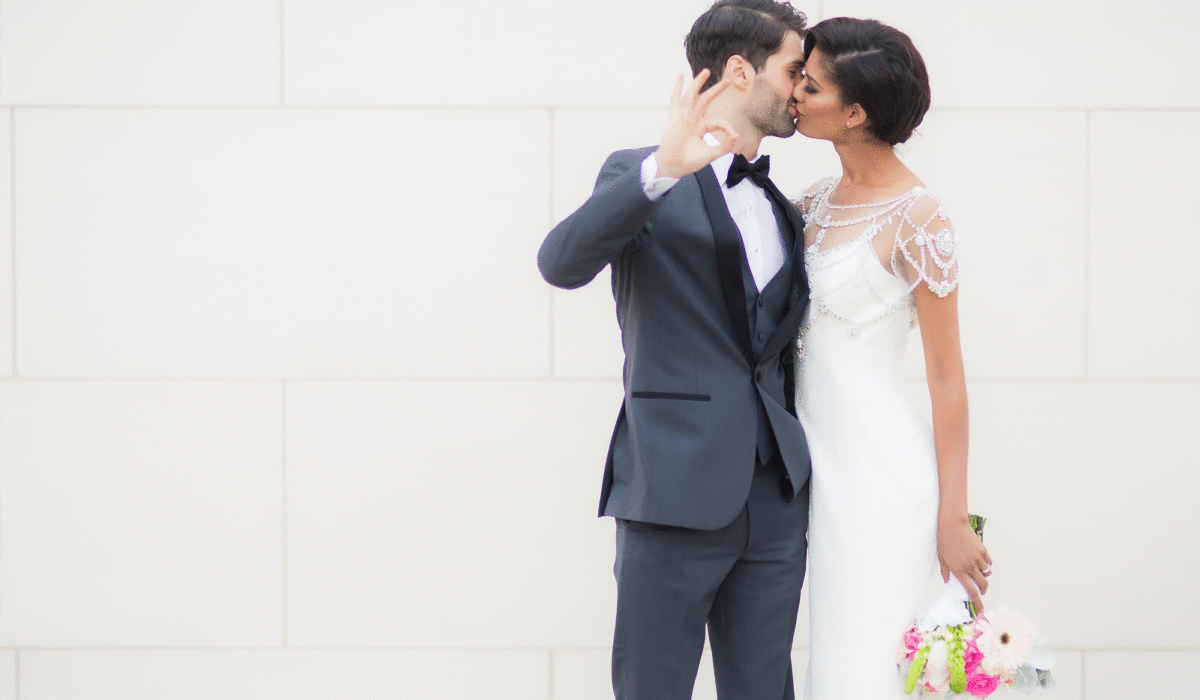
Industry analysts emphasize that a photographer’s role is akin to a director. By consciously managing touchpoints—where and how one person touches another—a photographer can evoke specific emotional states. Placing hands on a partner’s neck or chest, for instance, increases the density of physical connection points, which correlates with higher viewer ratings of "intimacy" in post-shoot critiques. Conversely, keeping hands invisible or tucked away can strip an image of its emotional weight, resulting in a detached, impersonal photograph.
Tactical Guidelines for Professional Execution
To achieve high-quality results, professionals are now incorporating a set of standardized, though adaptable, posing frameworks. These guidelines focus on minimizing visual noise and maximizing thematic consistency:

- Eliminate the "Shrimp Cocktail": Avoid complex interlacing of fingers. Simple, soft, and open-handed contact is consistently perceived as more refined.
- The Open-Pose Protocol: By positioning the feet and chests of both subjects toward the camera and making minor, iterative adjustments to the hands, photographers create a more welcoming, open composition. This is a foundational technique for bridal portraiture.
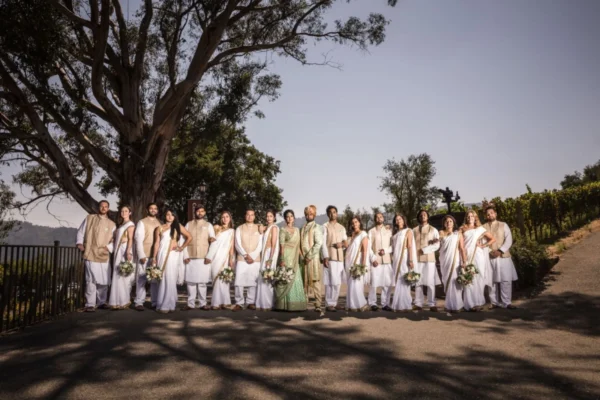
- The Rule of Variation in Groups: When photographing groups of three or more, symmetry is often the enemy of engagement. Professional standards suggest that hand positions should be varied in height and angle to prevent a rigid, military-like appearance. If every person in a group places their hands in their pockets or on their hips identically, the image loses its organic feel.
- Mitigating Distracting Intersections: Photographers must be vigilant about how hands intersect with the body. A hand crossing the face or obscuring a key piece of jewelry can diminish the image’s quality. Small adjustments—moving a hand just an inch to reveal a jawline or a wedding band—can elevate a mediocre shot to a professional standard.
Industry Perspectives on Mirroring vs. Variation
There is an ongoing debate regarding the use of mirrored posing. Mirroring—where two subjects adopt the exact same body language—can create a sense of unity and balance. This is often utilized in formal wedding portraiture where a traditional, "stately" aesthetic is requested. However, for lifestyle-oriented shoots, the industry consensus has moved toward varied, asymmetrical posing.
Variation in arm angles and hand heights creates a more dynamic, "in-the-moment" feel. This is particularly relevant when working with couples who are not professional models. When individuals are asked to mirror each other, they often become stiff, hyper-aware of their limbs. By providing specific, varied instructions, the photographer occupies the subject’s cognitive space, reducing self-consciousness and allowing for more genuine expressions to emerge.
Broader Implications for the Photography Market
The increasing professionalization of posing techniques reflects the broader democratization of photography. As high-quality cameras become more accessible, the differentiator for professional photographers is no longer just the hardware, but the "human element"—the ability to direct subjects with confidence and psychological insight.

In a competitive market, a photographer’s ability to communicate with their subjects is a measurable asset. Images that feature intentional, flattering hand placement are more likely to be shared on social media and selected for professional portfolios. As a result, educational platforms have seen a surge in interest for workshops dedicated specifically to the mechanics of the body.
Conclusion
The study of hand placement is, at its core, a study of visual storytelling. While technical skills like exposure and focus are non-negotiable, the ability to manage the subtle geometry of the human form is what separates professional-grade work from amateur efforts. By treating hands as active components of the narrative—rather than static appendages—photographers can ensure their work conveys the intimacy, joy, and connection that clients expect.
Whether working with an individual, a couple, or a large wedding party, the photographer must remain a constant observer of the "natural pointers" within the frame. Through the application of these deliberate, time-tested strategies, photographers can move beyond the cliché and deliver images that are both technically precise and emotionally profound. The ultimate goal remains the same: to create a visual record that not only documents an event but captures the essence of the human connection, one subtle, well-placed gesture at a time.