











The most memorable wildlife encounters frequently occur away from dedicated wilderness reserves and when specialized equipment is left behind. This phenomenon was recently highlighted at a bustling urban park in Michigan, where Hillary K. Grigonis, US Editor for Digital Camera World, encountered a North American River Otter. Rather than being equipped with a professional super-telephoto zoom lens, Grigonis was carrying a portrait-focused 90mm prime lens while evaluating children’s cameras alongside her family. The unexpected sighting underscores the unpredictable nature of wildlife photography, while also highlighting the ecological comeback of a species that was once rare in the region.
Chronology of an Unlikely Encounter
The event took place during an unseasonably warm afternoon in October. Grigonis had visited a popular riverside park in Michigan, a location typically defined by heavy human traffic, including a noisy nearby highway, a busy playground, and a pedestrian bridge frequented by joggers. Given the constant human activity and urban noise pollution, the most notable local fauna typically observed at the site consisted of common mallard ducks.
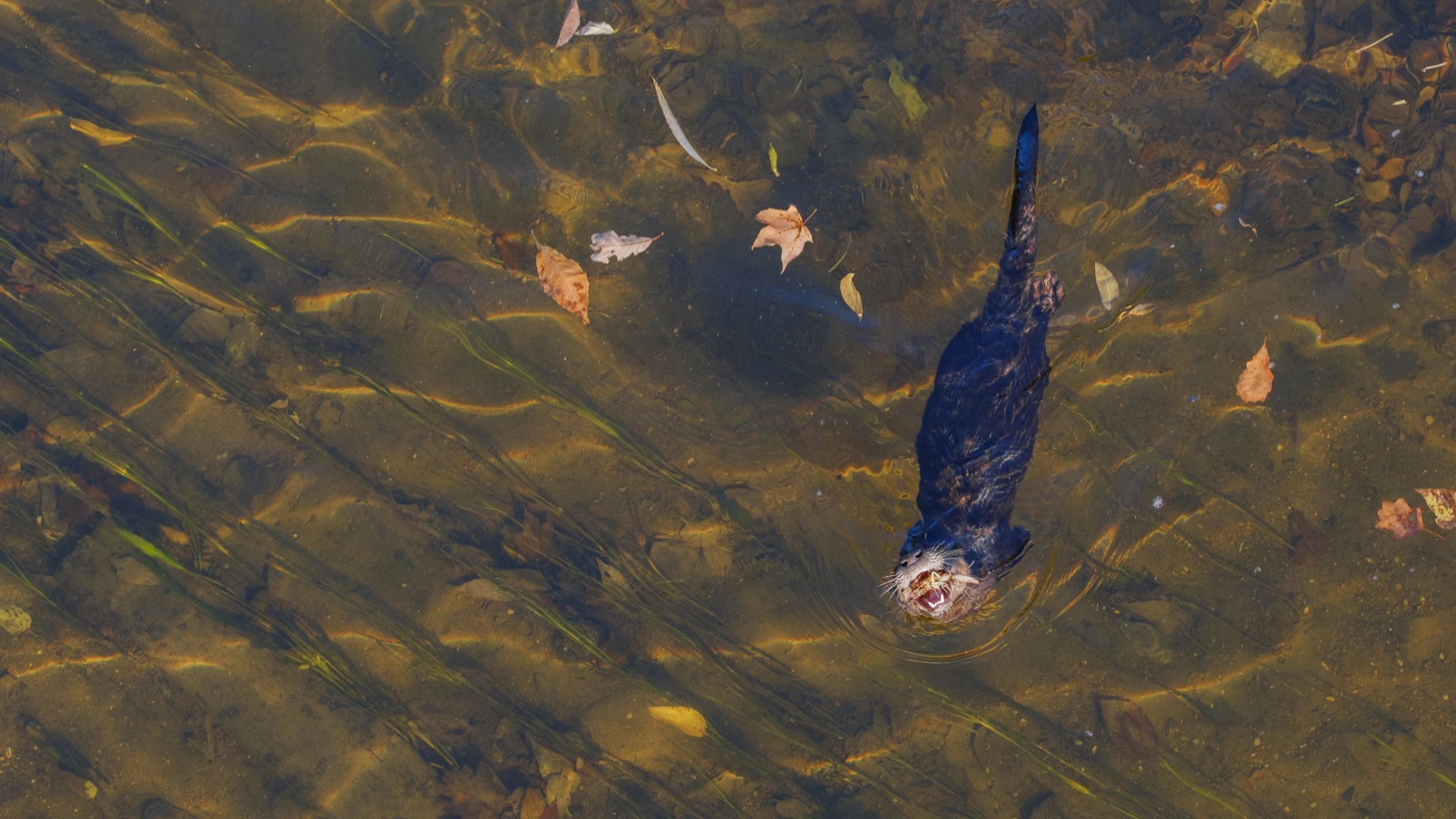
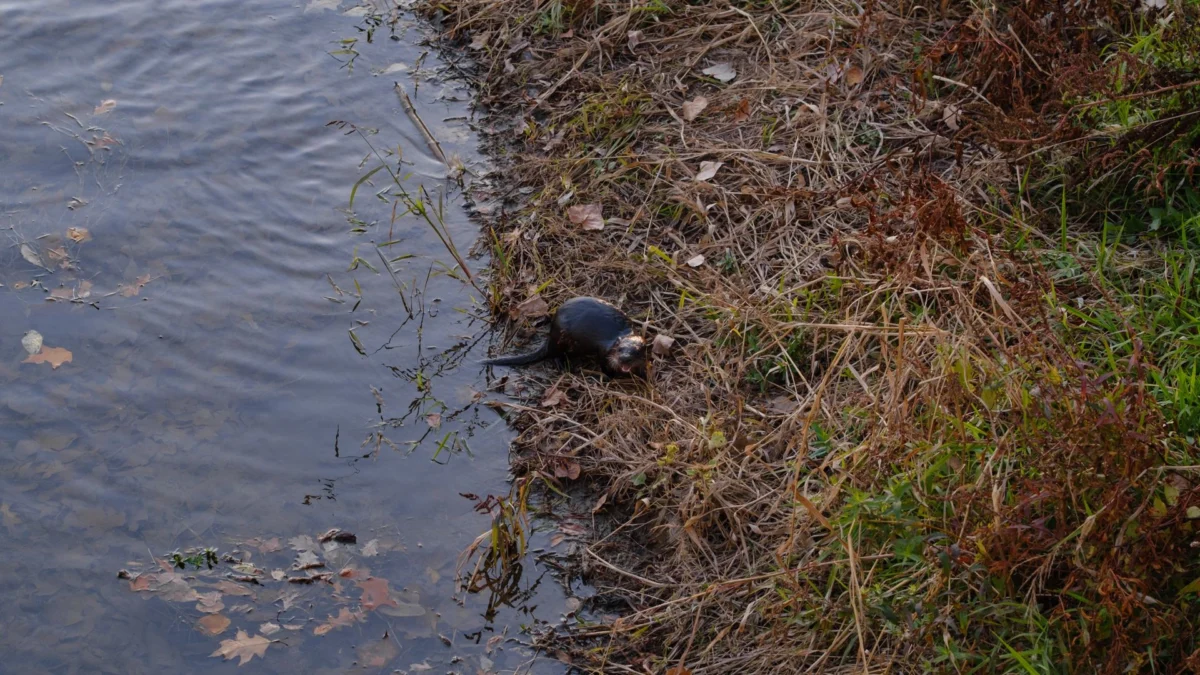
While walking across the park’s pedestrian bridge with her children, Grigonis’s seven-year-old son spotted an animal moving through the water below and alerted the group. Initially suspecting the sighting was a muskrat—a rodent frequently found in local waterways and visually similar at a distance—Grigonis peered over the edge of the bridge. Instead of a muskrat, she identified the distinctive facial features of a North American River Otter (Lontra canadensis), recognizable by its rounded ears, prominent nose, thick whiskers, and slender tail.
At the time of the encounter, Grigonis’s camera bag contained basic, single-digit megapixel cameras intended for testing, paired with a Fujifilm X-T4 body and a Fujinon XF 90mm f/2 R LM WR lens. The 90mm focal length, which provides a 135mm full-frame equivalent, is traditionally utilized for portraiture to achieve shallow depth of field and soft background separation. It is fundamentally unsuited for wildlife photography, which generally requires robust telephoto reach ranging from 400mm to 600mm to safely isolate subjects without causing disturbance.
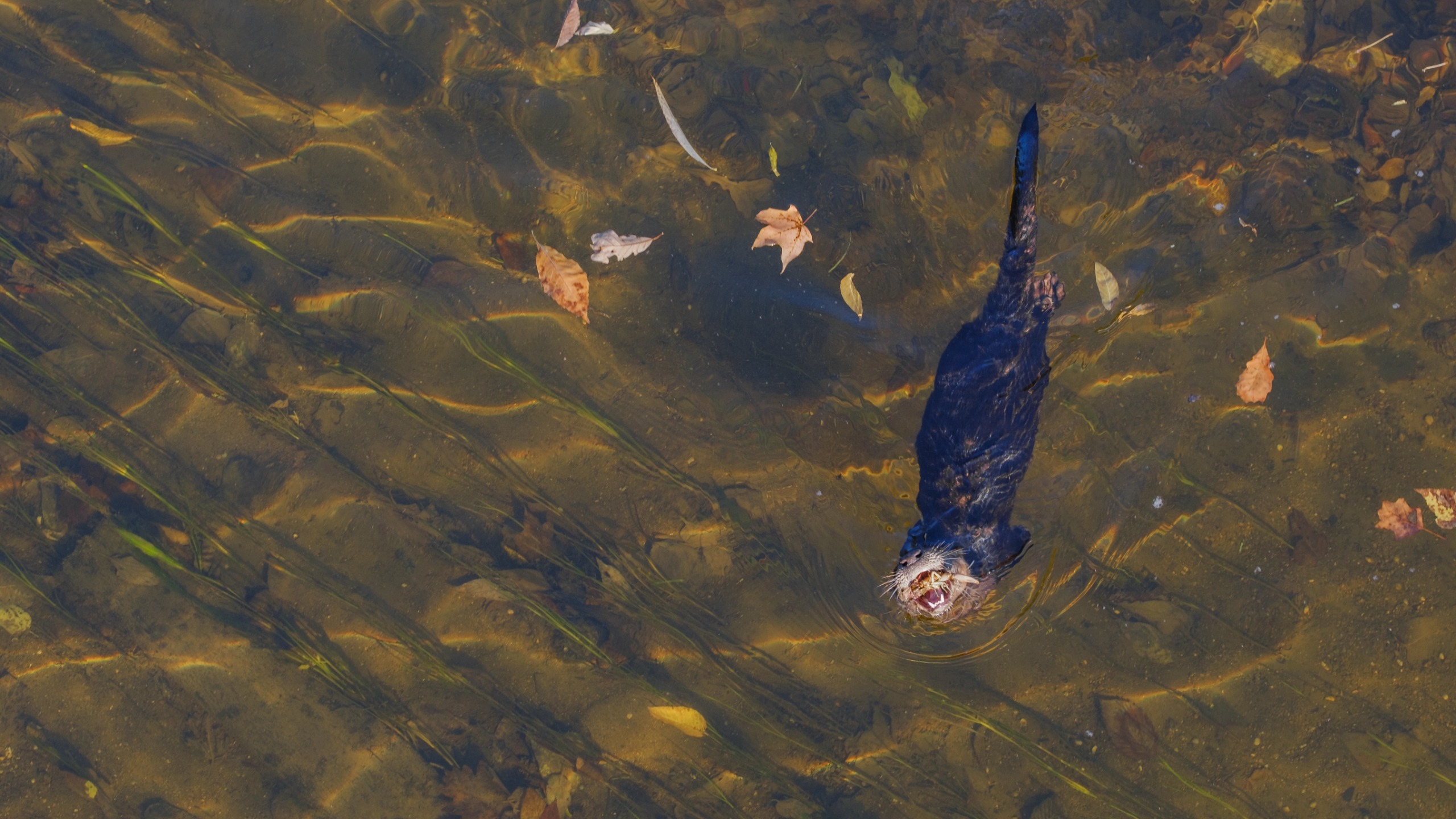
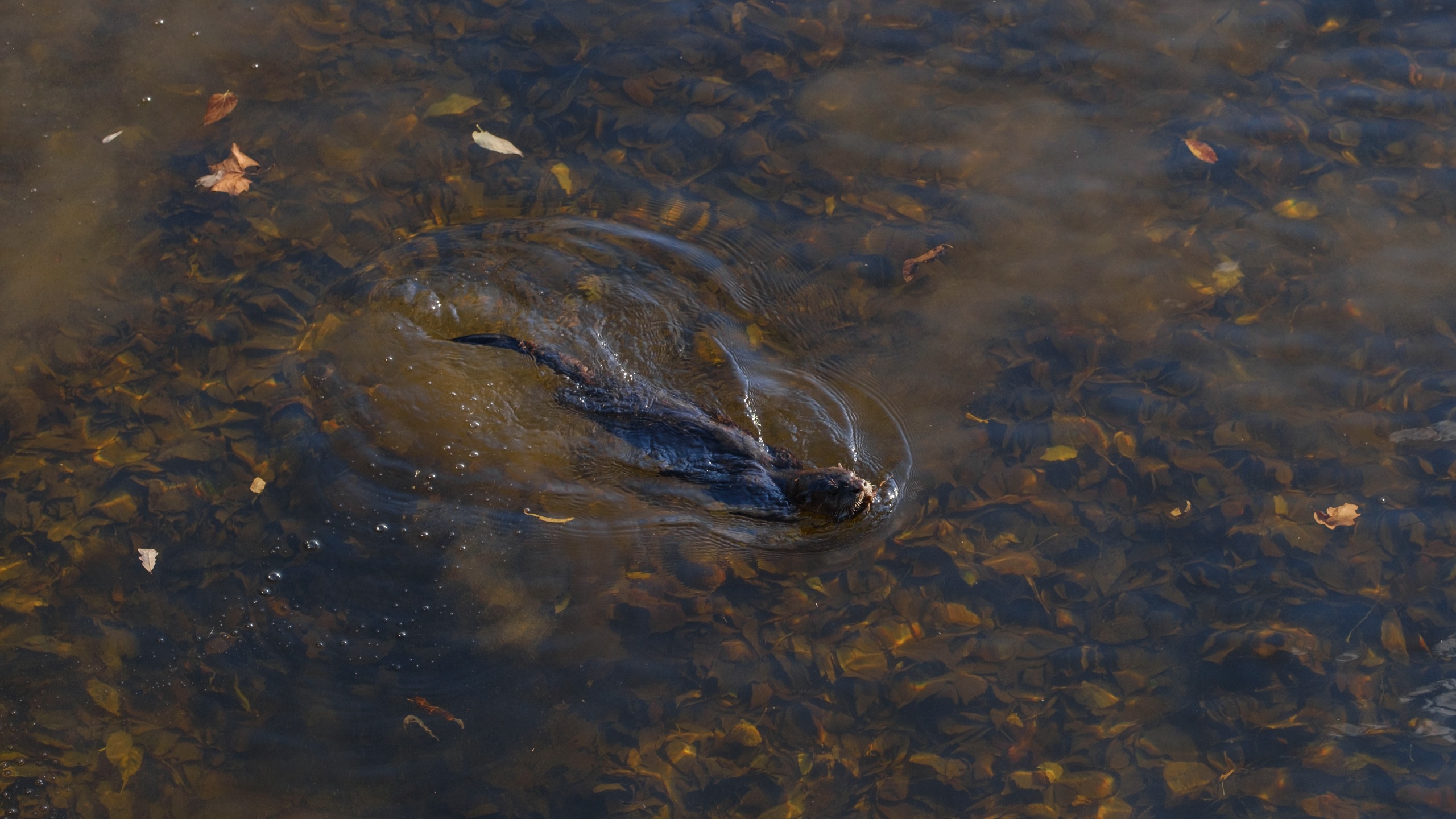
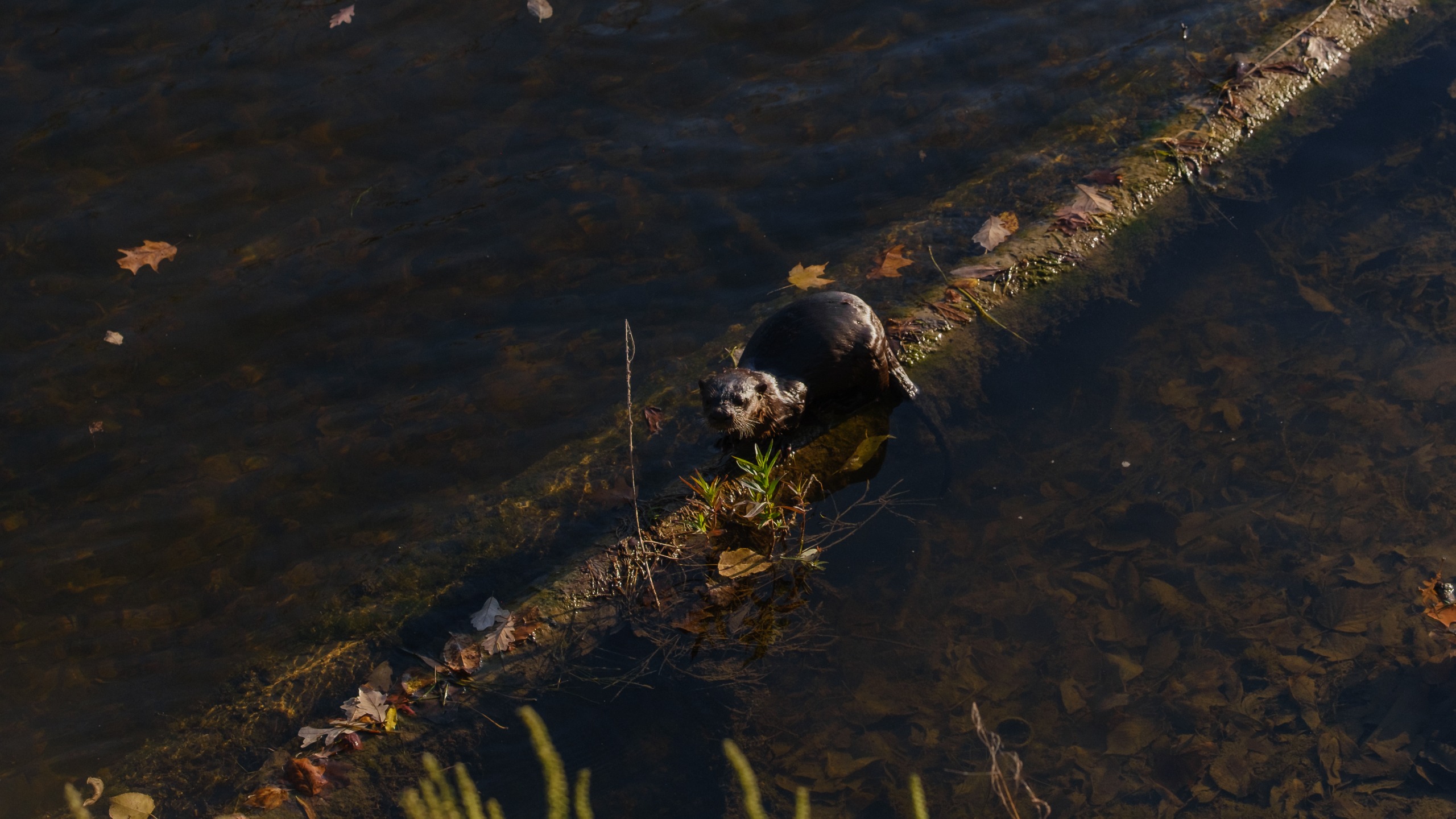
Despite the optical limitations, the proximity to the subject allowed for adequate environmental documentation. Standing directly above on the bridge, Grigonis could audibly hear the otter consuming freshly caught fish and crayfish. The animal moved between the deep shadows cast by the bridge structure and patches of bright autumn sunlight, surrounded by fallen leaves floating in the river. Unbothered by the nearby joggers and playground sounds, the otter continued foraging, providing a rare photographic opportunity despite the lack of specialized gear.
The Ecological Context: Rebound of the North American River Otter
While the encounter served as a lighthearted reminder of the photography adage that rare subjects appear only when proper equipment is absent, the presence of the otter in a heavily urbanized Michigan waterway holds broader biological significance.
Historically, North American River Otters were widespread across North America, inhabiting diverse aquatic ecosystems including rivers, lakes, swamps, and estuaries. However, historical pressures—most notably unregulated trapping, habitat destruction, and severe water pollution—decimated populations across the American Midwest. By the mid-20th century, river otters were largely extirpated from Michigan’s Lower Peninsula.
In recent decades, however, targeted conservation initiatives, stricter environmental regulations, and large-scale watershed restoration projects have facilitated a remarkable population rebound. According to environmental agencies and the Michigan Department of Natural Resources (DNR), river otters have gradually recolonized many southern and central watersheds in the state.
Wildlife biologists frequently cite the return of apex aquatic predators like the river otter as a primary biological indicator of ecosystem health. Because otters sit near the top of the aquatic food web, their presence depends entirely on robust populations of fish, amphibians, and invertebrates, as well as high water quality. Ongoing monitoring programs by the DNR and federal wildlife organizations utilize field surveys, telemetry, and citizen science reports to track the expanding population distribution across the state.
Biological Resilience and Conservation Status
Taxonomically, the North American River Otter belongs to the Mustelidae family, which also includes badgers, weasels, ferrets, and minks. Globally, otter species face severe anthropogenic threats. Out of roughly 13 distinct otter species worldwide, the vast majority are currently classified by conservation organizations as vulnerable, threatened, or endangered due to habitat loss, chemical pollution, and illegal wildlife trade.
The North American River Otter stands as a notable exception. Due to successful interstate reintroduction programs implemented throughout the late 20th century—many of which involved translocating otters from robust populations in Canada and northern Michigan to depleted southern river systems—the species is currently categorized globally and nationally as a species of "Least Concern" by the International Union for Conservation of Nature (IUCN).
Nevertheless, local populations remain sensitive to rapid industrial development and agricultural runoff. Conservationists emphasize that maintaining clean waterways, preserving natural riparian vegetation corridors, and managing pollutants such as polychlorinated biphenyls (PCBs) and heavy metals are essential to ensuring that urbanizing rivers remain viable habitats for expanding wildlife populations.
Implications for Wildlife Photography and Urban Ecology
The Michigan encounter reinforces several broader takeaways regarding both wildlife photography and modern urban ecology. For photographers, the incident highlights the ongoing debate between traveling light and carrying comprehensive, heavy telephoto kits. While professionals advocate for specialized super-telephoto lenses to capture crisp, detailed close-ups of distant animals, spontaneous wildlife interactions in unexpected locations demonstrate that environmental storytelling is achievable with alternative focal lengths.
From an ecological perspective, the normalization of wildlife sightings in urban and suburban environments signals an ongoing adaptation by certain adaptable mammal species. As municipal governments invest in green infrastructure, river restoration, and urban parks management, wildlife species are increasingly finding habitable niches within human-dominated landscapes.
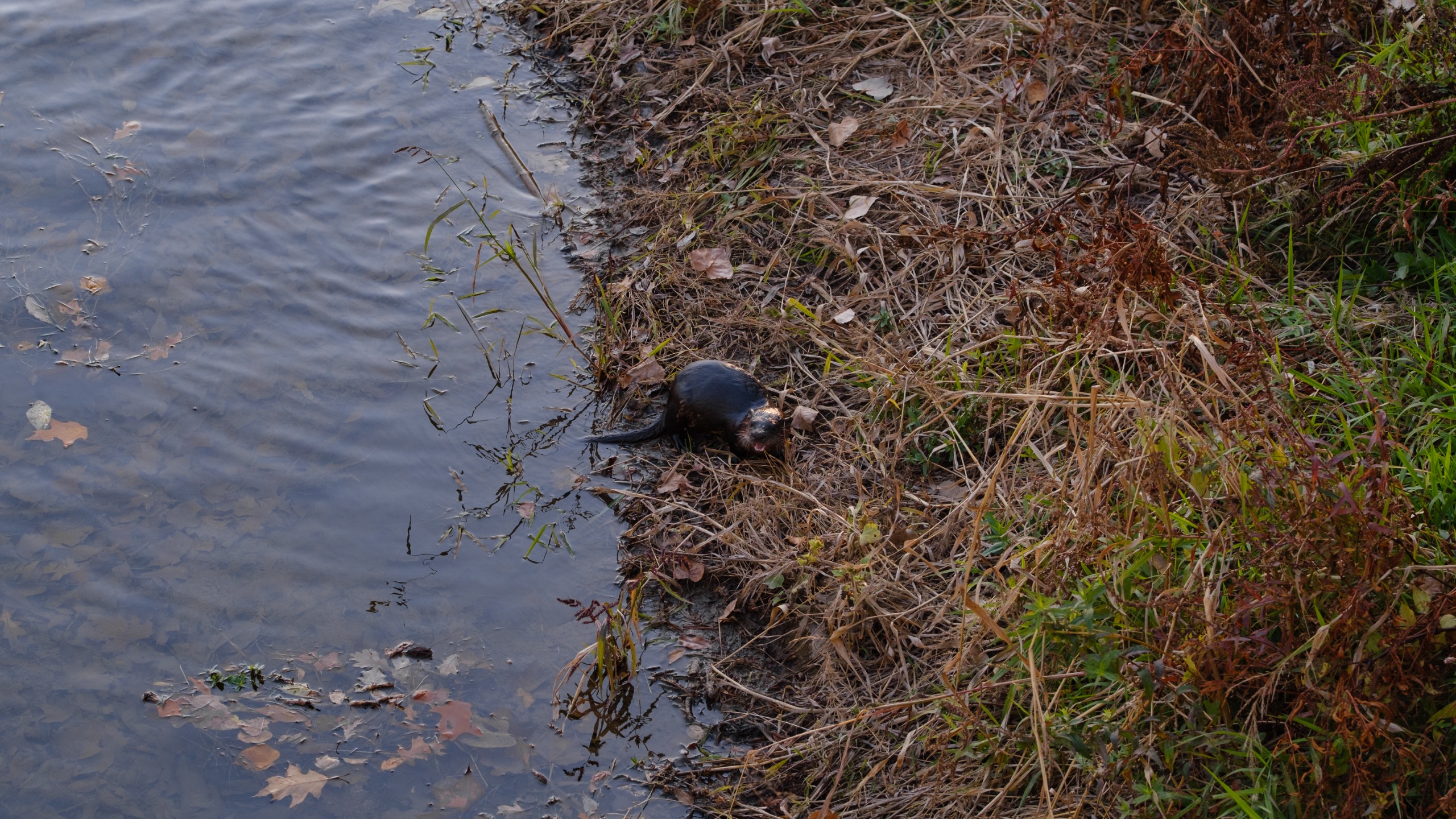
While encounters like the one on the Michigan pedestrian bridge catch observers off guard, they serve as tangible evidence of successful conservation policies. The ability of a apex aquatic mammal to forage successfully beneath a busy urban bridge illustrates that ecological restoration efforts can yield visible dividends, bridging the gap between urban development and natural habitat preservation.