








The release of the Apple Watch Ultra 4 marks a significant shift in how Apple prioritizes physiological recovery data, integrating it directly into the most prominent aspects of the user interface. Central to this update is the introduction of the "Readiness" bezel configuration, a feature exclusive to the Ultra 4 that elevates the newly launched Readiness app from a background utility to a persistent visual dashboard. By utilizing the expansive, high-resolution edge of the Ultra’s display, Apple is providing users with a real-time pulse on their physical state, fundamentally changing how athletes and casual users interact with their biometric data.
The Evolution of Biometric Tracking at Apple
To understand the significance of the Readiness bezel, one must examine the progression of health tracking on the Apple Watch. Since the introduction of the first Apple Watch, the company has steadily moved from simple activity rings—which measured movement, exercise, and standing—toward complex, integrated health analysis.
The journey began with basic heart rate monitoring, followed by the introduction of ECG capabilities in the Series 4, blood oxygen sensors in the Series 6, and advanced temperature sensing in the Series 8. However, until the launch of the Apple Watch Series 12 and Ultra 4, these metrics often existed in silos. Users had to navigate through various sub-menus or third-party applications to correlate their sleep quality with their cardiovascular strain.
The new Readiness app serves as the central hub for these metrics. It synthesizes overnight vitals—including resting heart rate, respiratory rate, wrist temperature, and recovery heart rate variability (HRV)—with daytime activity levels to generate a single, actionable score. This transition from raw data collection to actionable insight represents a broader industry trend toward "holistic wellness" metrics, a space where competitors like Oura and Garmin have historically held a competitive edge.
Decoding the Readiness Bezel
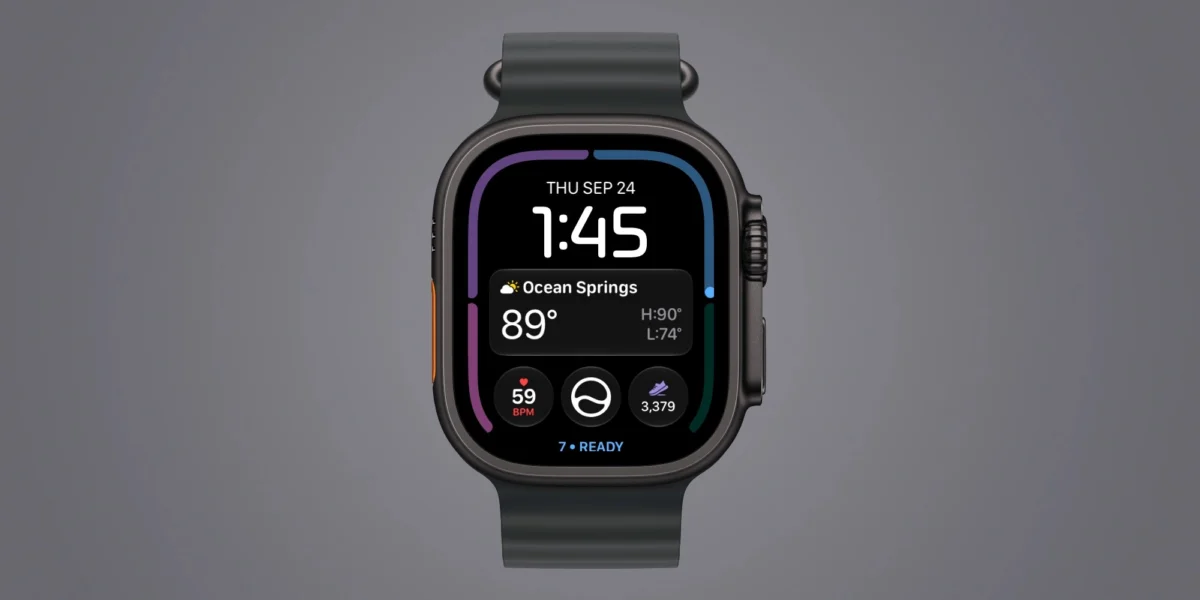
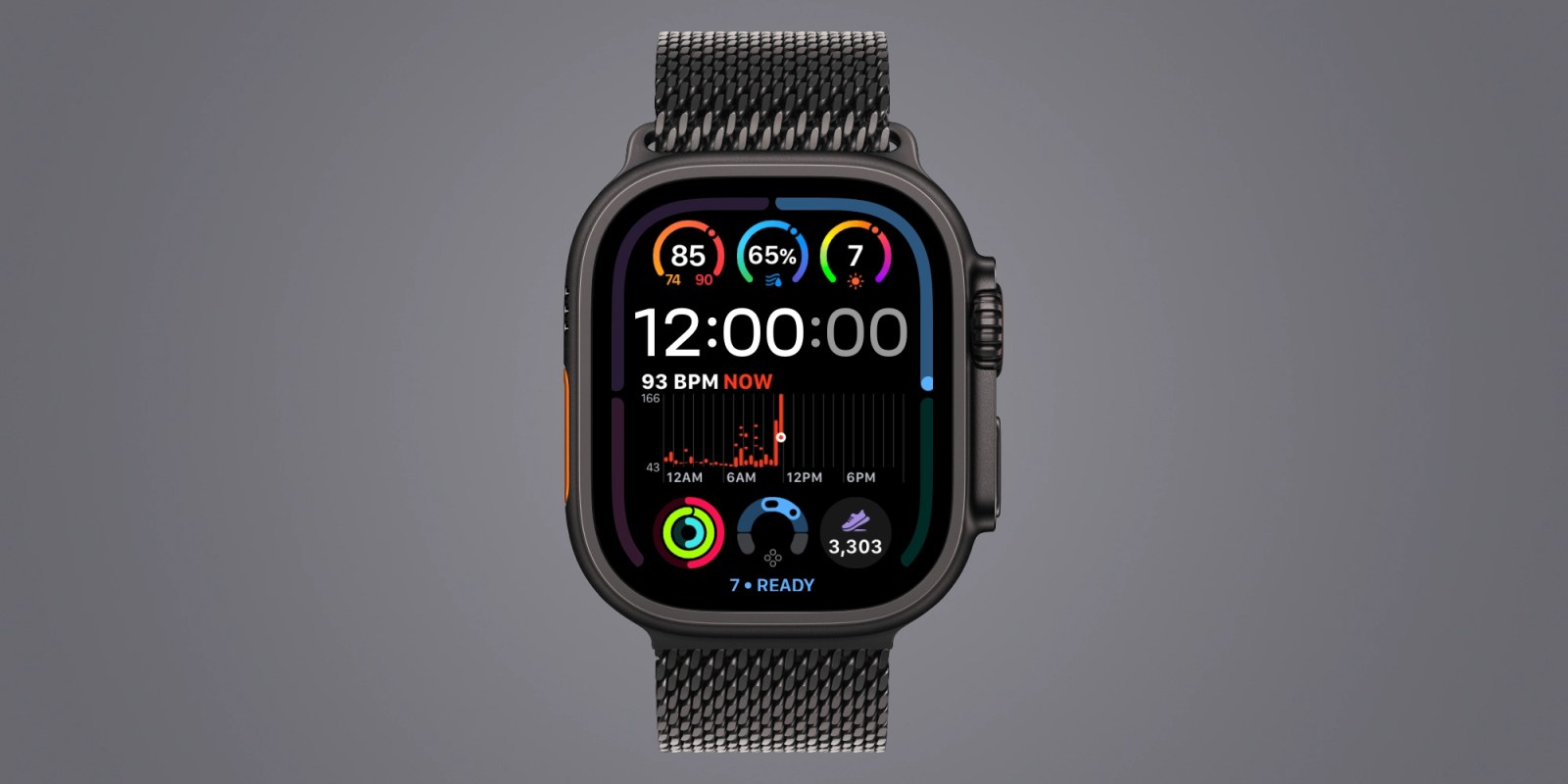
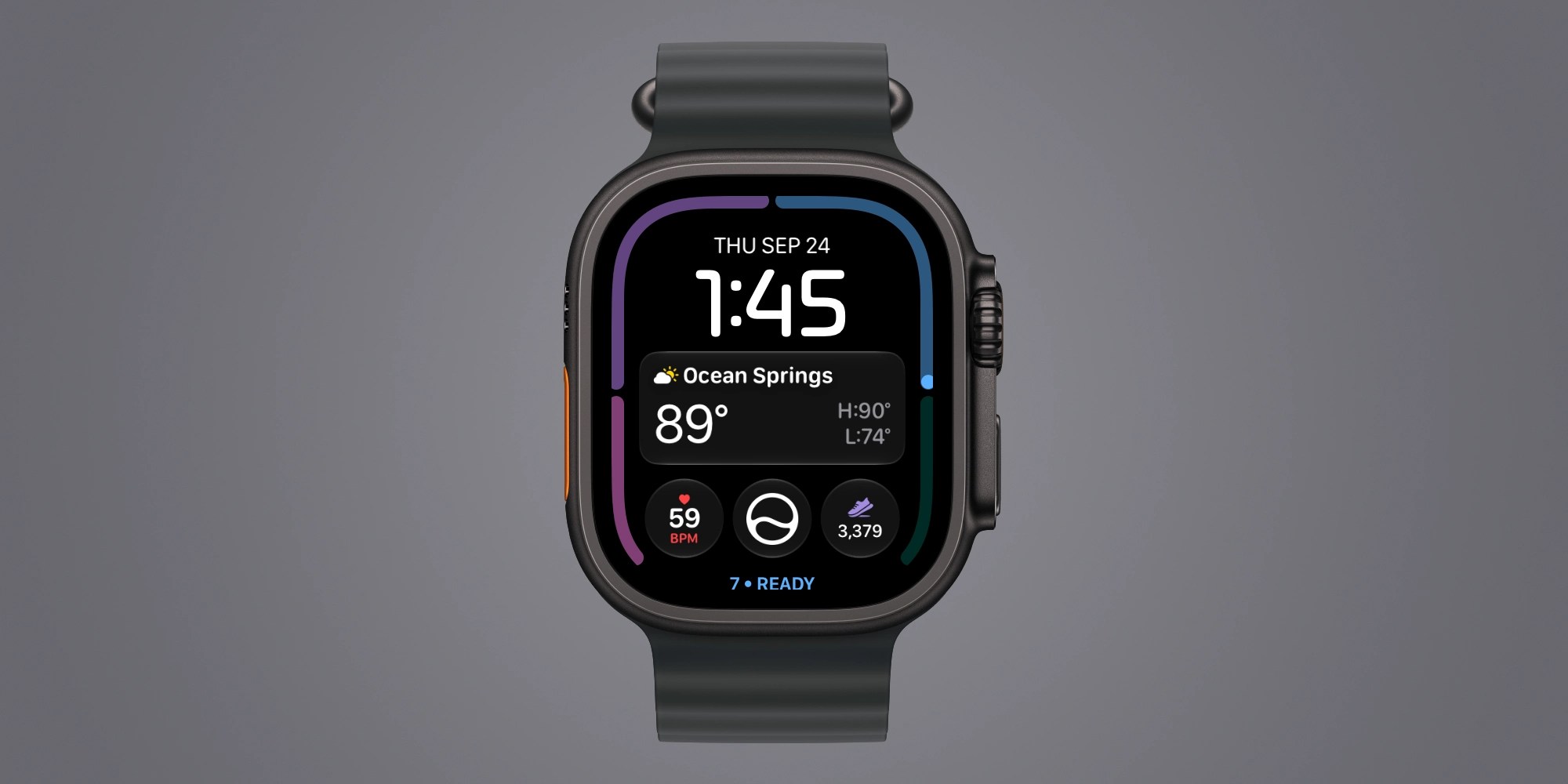
The Readiness bezel option on the Apple Watch Ultra 4 is a sophisticated visual representation of complex data. When configured on faces like the Modular Ultra or the new Siri Modular face, the feature occupies the outer perimeter of the display.
The interface is structured into two primary components:
- Numerical Data: A clean, digital readout at the bottom of the watch face provides the user with their current Readiness score and a concise descriptive status. This allows for an immediate glance-and-go experience, reducing the friction of opening the dedicated app.
- Visual Progression: The edge of the watch face is divided into four distinct bars that represent different intensity and recovery tiers. A precise dot indicator moves along these bars, providing an intuitive sense of where the user’s current score sits within their personal recovery spectrum.
This design choice leverages the Ultra 4’s unique hardware architecture. Unlike the standard Series 12, which features a more traditional display geometry, the Ultra 4’s flat sapphire crystal and elevated chassis allow for this "bezel-first" information design, ensuring that the critical data remains visible even at steep viewing angles or under direct sunlight.
Data Synthesis: How the Score is Calculated
The efficacy of the Readiness bezel depends entirely on the accuracy and breadth of the data feed. Apple’s methodology for calculating this score is multifaceted, relying on a baseline established over the user’s first 14 days of wearing the device.
Overnight vitals are the bedrock of the score. By monitoring heart rate and respiratory rate during sleep, the device can identify signs of physiological stress or illness before the user may consciously notice symptoms. Recovery HRV—the variation in time between heartbeats—is perhaps the most vital indicator of nervous system health. A higher HRV typically indicates that the body is in a parasympathetic state, ready to handle physical or mental stress, while a significant drop suggests that the body is struggling to recover from previous exertion.
By adding daytime vitals, such as real-time heart rate and ongoing HRV fluctuations, the Apple Watch Ultra 4 ensures the score remains dynamic. If a user engages in a high-intensity workout in the morning, the bezel will reflect the resulting dip in readiness by the afternoon, providing an immediate visual cue that perhaps a lighter recovery day is in order.
Industry Implications and Market Context
The integration of a persistent readiness metric on a high-end wearable signals a shift in Apple’s market positioning. By targeting the "Ultra" demographic—comprising professional athletes, outdoor enthusiasts, and power users—Apple is acknowledging that these users require more than just tracking; they require performance management.

Analysts have noted that this move directly addresses the "recovery gap" that has previously defined the smartwatch market. While Garmin devices have long featured "Body Battery" or "Training Readiness" metrics, Apple’s implementation is arguably more accessible due to its integration with the broader watchOS ecosystem. By making this data available as a customizable bezel, Apple is betting that users will change their behavior based on the score—resting when the watch tells them to, or pushing harder when the data indicates peak recovery.
Furthermore, the introduction of this feature alongside the Series 12 suggests a standardized approach to health. While the hardware execution differs—with the Ultra 4 offering the more premium bezel display—the underlying algorithm is consistent across the product line. This ensures that the user experience is unified, even as the hardware form factors diverge to meet different lifestyle needs.
Future Perspectives: The Role of AI and Machine Learning
Looking ahead, the Readiness feature is likely to become more predictive rather than just reactive. With the integration of advanced machine learning models within watchOS, the device is already beginning to identify patterns in a user’s recovery. For instance, if a user consistently shows a low readiness score following a specific type of workout or late-night meal, the system could theoretically offer proactive, AI-driven coaching suggestions to improve those outcomes.
The use of the Siri Modular face to display this information also hints at a future where the watch acts as a personal digital assistant rather than just a passive sensor. By combining the proactive intelligence of Siri with the hard data of the Readiness app, Apple is positioning the watch as a preventative health tool.

Conclusion: A New Standard for Wearables
The Apple Watch Ultra 4, through its innovative use of the bezel for the Readiness feature, has set a new benchmark for how health data should be presented to the user. By moving the most important metric—the ability of the body to perform—to the very edge of the interface, Apple has successfully merged aesthetic design with high-stakes utility.
For the end user, this represents a major convenience. The ability to monitor one’s physical state without navigating through menus or tapping on complications is a significant upgrade in usability. As the industry continues to evolve, the emphasis will undoubtedly remain on these "glanceable" insights. Whether for a marathon runner monitoring their training load or an office worker tracking their stress levels, the Readiness bezel provides a clear, objective, and highly accessible window into the body’s internal state.
As the Apple Watch Series 12 and Ultra 4 continue to permeate the market, the impact of this data-centric design will likely be felt across the wearable tech sector, forcing competitors to rethink how they present complex health metrics to the everyday consumer. The era of the "smart" watch is increasingly becoming the era of the "biometric" watch, with Apple currently leading the charge in ensuring that this data is not just collected, but understood and utilized by those who need it most.