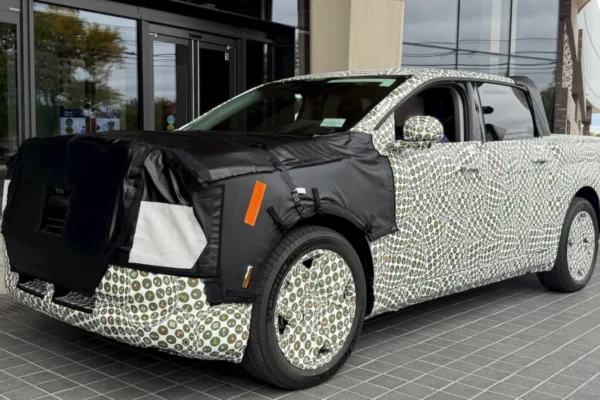











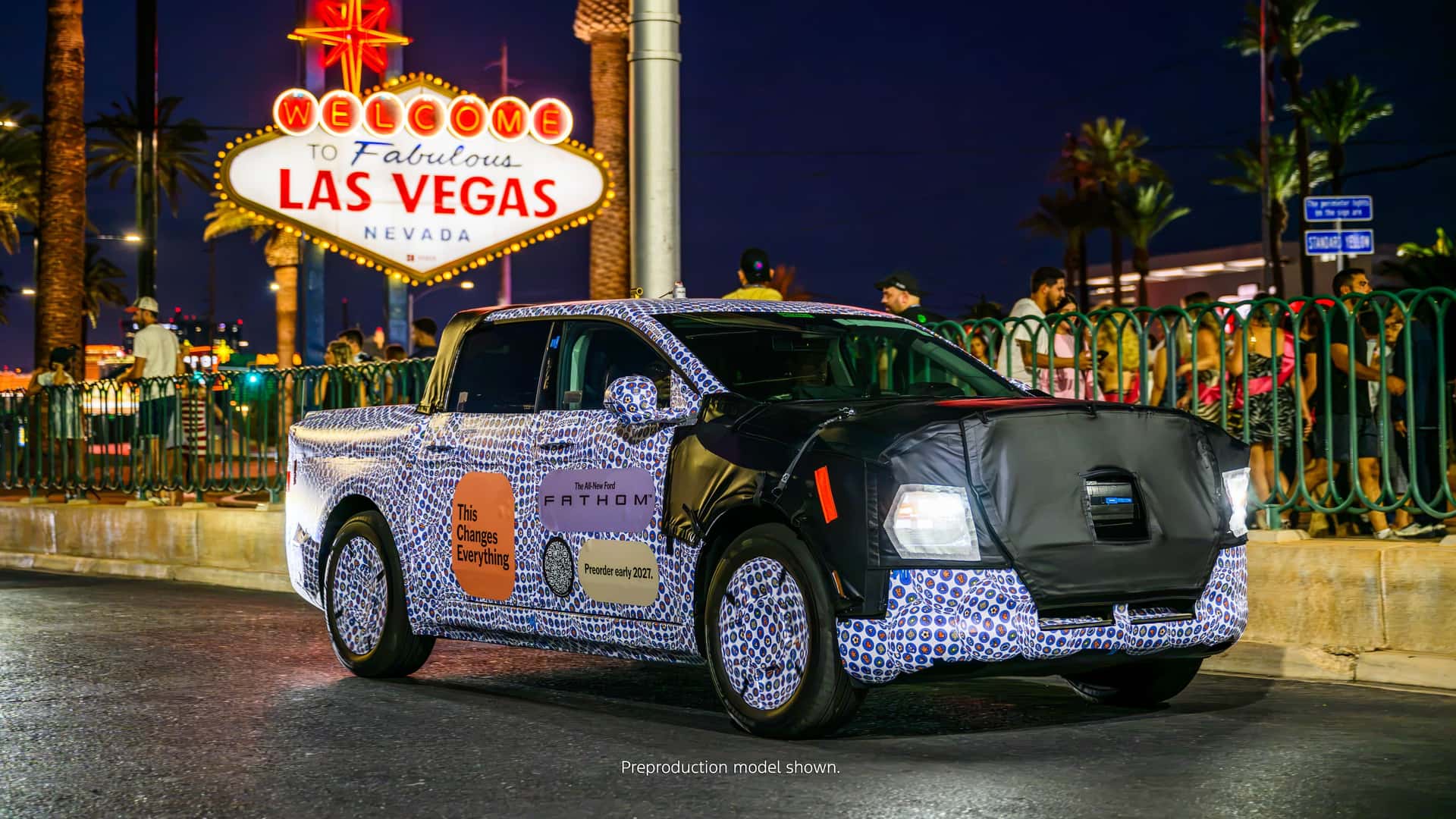
The American automotive landscape is currently navigating a period of unprecedented economic friction, characterized by skyrocketing interest rates, persistent inflationary pressures, and the rapid, often expensive, transition toward vehicle electrification. As the average transaction price for a new vehicle in the United States continues to hover near record highs, often exceeding $48,000, millions of middle-class consumers find themselves effectively priced out of the new car market. Ford Motor Company is positioning its forthcoming electric pickup, the Fathom, as a strategic intervention in this affordability crisis. Slated for a debut in the coming year, the Fathom is designed to serve as a high-volume, cost-effective entry point into the electric vehicle (EV) segment, aiming to bridge the gap between traditional combustion-engine utility and modern zero-emission technology.
The Strategy Behind the Price Point
Ford’s commitment to a sub-$30,000 starting price—inclusive of destination fees—represents a significant departure from the premium pricing models that have dominated the early years of the EV revolution. By targeting this specific price bracket, Ford is not merely chasing a niche demographic but is instead attempting to capture the "heart of the market."
Andrew Frick, president of Ford Blue and Model E, has emphasized that the Fathom lineup will offer a tiered structure, with higher-end configurations extending into the high $30,000 range. This multi-tiered approach allows Ford to maximize its total addressable market, catering to both budget-conscious buyers and those seeking additional utility or technological amenities. Industry analysts suggest that by keeping the top-trim variants under the $40,000 threshold, Ford is effectively insulating the Fathom from the luxury-segment saturation currently plaguing many of its competitors.
The company’s objective is to lure a diverse customer base, including current EV owners, individuals transitioning from gasoline-powered trucks, and hybrid enthusiasts who have been hesitant to commit to a full electric platform due to cost concerns. A critical pillar of this marketing strategy is the promise of reduced total cost of ownership (TCO). Ford is betting that the combination of lower fuel costs, reduced maintenance requirements associated with electric drivetrains, and the competitive entry price will provide a compelling value proposition that outweighs the upfront capital expenditure.
Engineering and Production: The Unicasting Revolution
The path to achieving such an aggressive price point has not been without significant engineering challenges. Ford CEO Jim Farley has been transparent about the logistical and technical hurdles inherent in bringing the Fathom to market. The vehicle utilizes an entirely new architecture that mandates a shift in how Ford conceptualizes vehicle manufacturing.
Central to this new process is the use of large aluminum unicastings. By consolidating numerous individual parts into single, large-scale castings, Ford aims to dramatically reduce production complexity, weight, and assembly time. This approach is intended to streamline the supply chain and lower the variable costs associated with vehicle construction.
However, scaling this technology is a substantial undertaking. In early October, during a corporate address, Farley remarked that launching the Fathom at scale, at the target cost, and on schedule would require a "heck of an effort." The pressure on the manufacturing team is immense, as the Fathom is widely considered the most important vehicle launch for the automaker in over a generation. To support this transition, Ford has already manufactured over 5,000 of these unicastings, demonstrating a commitment to building a buffer of components before full-scale production commences.
Supply Chain Management and Operational Readiness
Beyond the factory floor, the success of the Fathom hinges on the stability and quality of the supplier base. Kumar Galhotra, Ford’s chief operating officer, noted during the company’s recent earnings call that securing a robust supply chain for the Fathom’s unique components remains a primary operational focus.
The procurement team is currently engaged in a multi-month effort to ensure that suppliers can meet the volume requirements necessary for a successful rollout. This involves not only managing raw material procurement but also ensuring that secondary and tertiary suppliers have the technical capacity to integrate with Ford’s new, streamlined manufacturing philosophy. Analysts point out that for a vehicle priced in the $30,000 range, margins will be thin; therefore, any supply chain disruption could have an outsized impact on profitability. Ford’s strategy, therefore, is to prioritize operational efficiency and component standardization to maintain these margins without sacrificing quality.
Performance Metrics and Technological Integration
Despite its focus on affordability, Ford has indicated that the Fathom will not be a "stripped-down" utilitarian tool. The automaker has set ambitious benchmarks, promising that the vehicle will offer more interior space than the high-selling Toyota RAV4 and acceleration performance comparable to a Ford Mustang equipped with an EcoBoost engine.
If the Fathom can indeed achieve a zero-to-60 mph time in the high 4-second range, it would set a new performance-per-dollar benchmark for the entry-level pickup segment. Beyond raw mechanical power, the vehicle will feature advanced digital integration. During recent earnings calls, Jim Farley highlighted the inclusion of embedded Apple Maps as a "game changer" for the segment, suggesting that the software experience will be a core differentiator for the truck. The focus on high-quality infotainment at a low price point reflects a broader industry trend where the "cockpit experience" is becoming just as critical as powertrain specifications in driving consumer purchasing decisions.
Market Context and Future Outlook
The launch of the Fathom occurs against a backdrop of shifting consumer sentiment regarding EVs. While demand for early-adopter, high-priced luxury electric vehicles has cooled in some regions, there remains a persistent demand for practical, affordable, and durable work vehicles. Ford is betting that the Fathom will tap into this underserved segment.
Historically, the American pickup truck market has been fiercely loyal to internal combustion engines. Ford’s challenge is to convince a skeptical, traditionalist demographic that an electric platform can handle the rigors of daily utility as effectively as the venerable F-150. If the company succeeds, it could solidify its leadership position in the North American electrification race. Conversely, any delay in production or significant quality control issues during the initial rollout could damage the company’s reputation at a pivotal moment in its transition.
Ford plans to begin accepting preorders early next year, with an official reveal scheduled for later in the year. The automotive industry, regulators, and consumers are watching closely. The Fathom is not merely a new truck; it is a laboratory for Ford’s long-term viability as a manufacturer of mass-market electric vehicles.
Implications for the Industry
The broader implications of the Fathom’s success or failure are substantial. If Ford manages to profitably produce and sell a capable electric truck at a sub-$30,000 price point, it will likely force competitors to accelerate their own low-cost EV development. This could lead to a systemic downward pressure on vehicle pricing across the industry, finally providing some relief to the affordability crisis that has defined the post-pandemic automotive market.
Conversely, if the costs of production remain higher than anticipated, or if the technical complexity of the unicasting process leads to manufacturing bottlenecks, the industry may see a slower shift toward electric mobility. The Fathom serves as a litmus test for the feasibility of "affordable electrification." It is a high-stakes, high-reward initiative that reflects the fundamental tension between the necessity of technological innovation and the harsh realities of manufacturing economics.
As the launch date approaches, the focus for Ford remains on execution. From the procurement of raw aluminum for its unicastings to the final assembly line protocols, every step is being scrutinized. For the average American consumer, the Fathom represents a potential return to the possibility of purchasing a brand-new, modern vehicle without the burden of long-term, high-interest debt—a prospect that, in the current economic climate, is increasingly rare.