The outdoor apparel industry has long operated under a quiet, resource-intensive paradox. Every autumn, outdoor gear retailers worldwide fill their floors with black mid-layers, fleeces, and accessories that look identical to the naked eye. Yet, behind this uniformity lies a fragmented supply chain: dozens of competing brands independently commission their own custom dye runs for shades of black that are functionally indistinguishable from one another. This redundant operational model multiplies chemical usage, inflates energy demands, and drives up water pollution.
To address this hidden inefficiency, heritage outdoor brand Haglöfs and textile innovator Polartec have introduced Standard Issue Black, a collaborative initiative designed to unify the industry around a single, shared standard of black for synthetic fabrics. The project moves beyond conventional corporate sustainability pledges by targeting a structural vulnerability in global textile manufacturing: the cumulative environmental toll of decentralized dye processing.
The Genesis of the Black Capsule Project
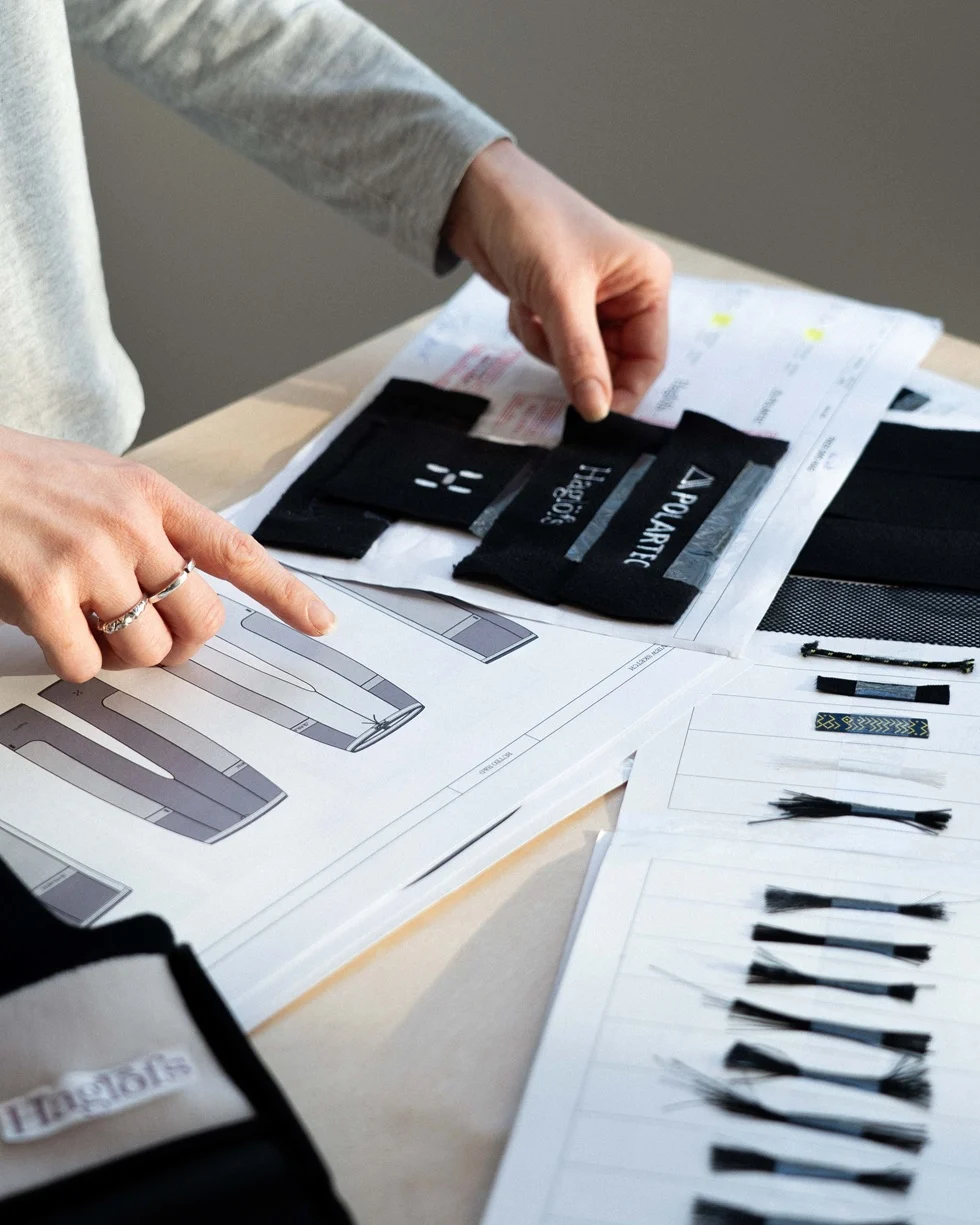
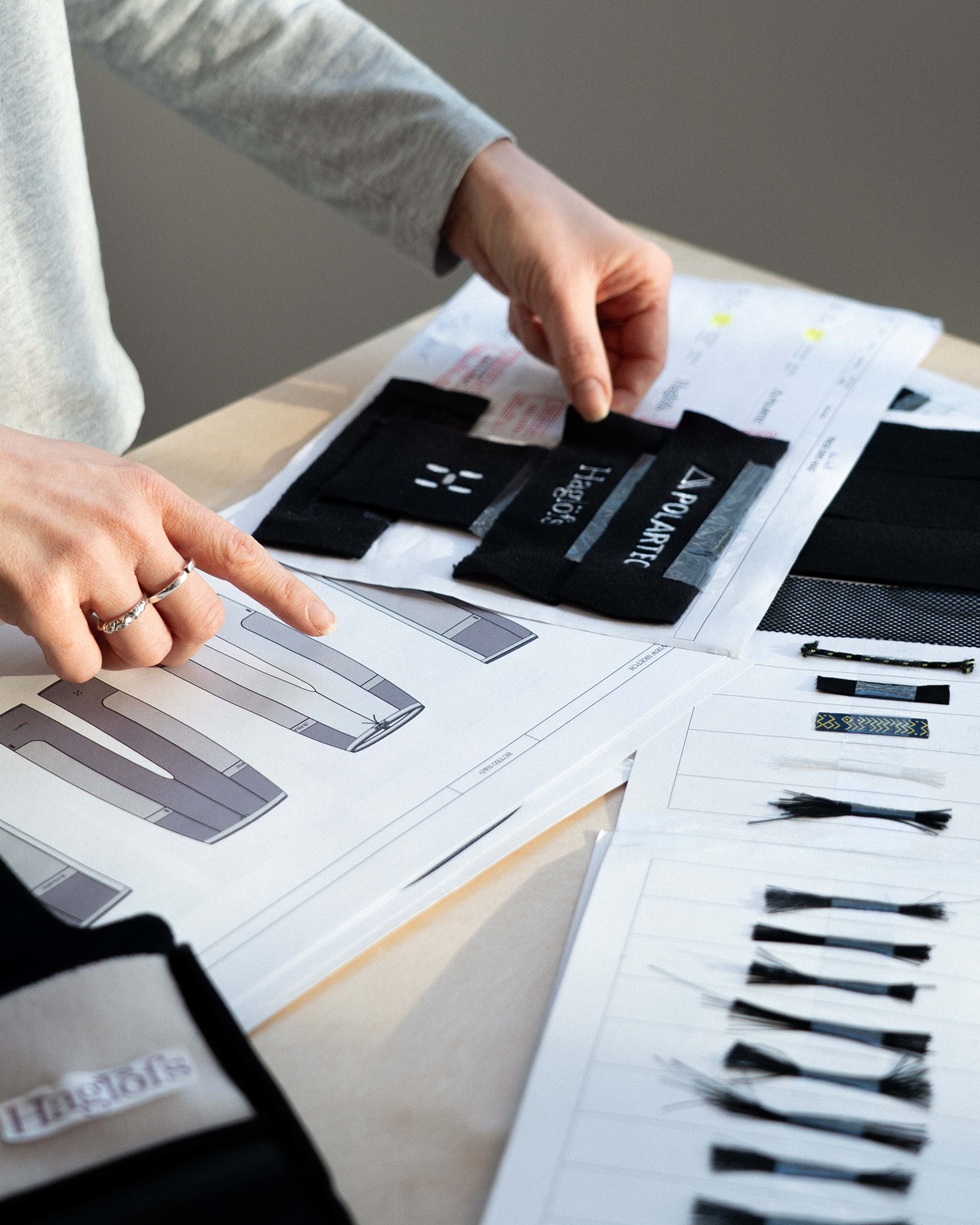
The initiative began as a conceptual experiment rather than a commercial product line. Haglöfs assembled a specialized design team to examine leftover black Polartec fleece fragments accumulated across multiple seasons and manufacturing runs. Even within the same fabric category, placing these swatches side by side under direct light revealed subtle, visible variations in tone, undertone, and saturation.
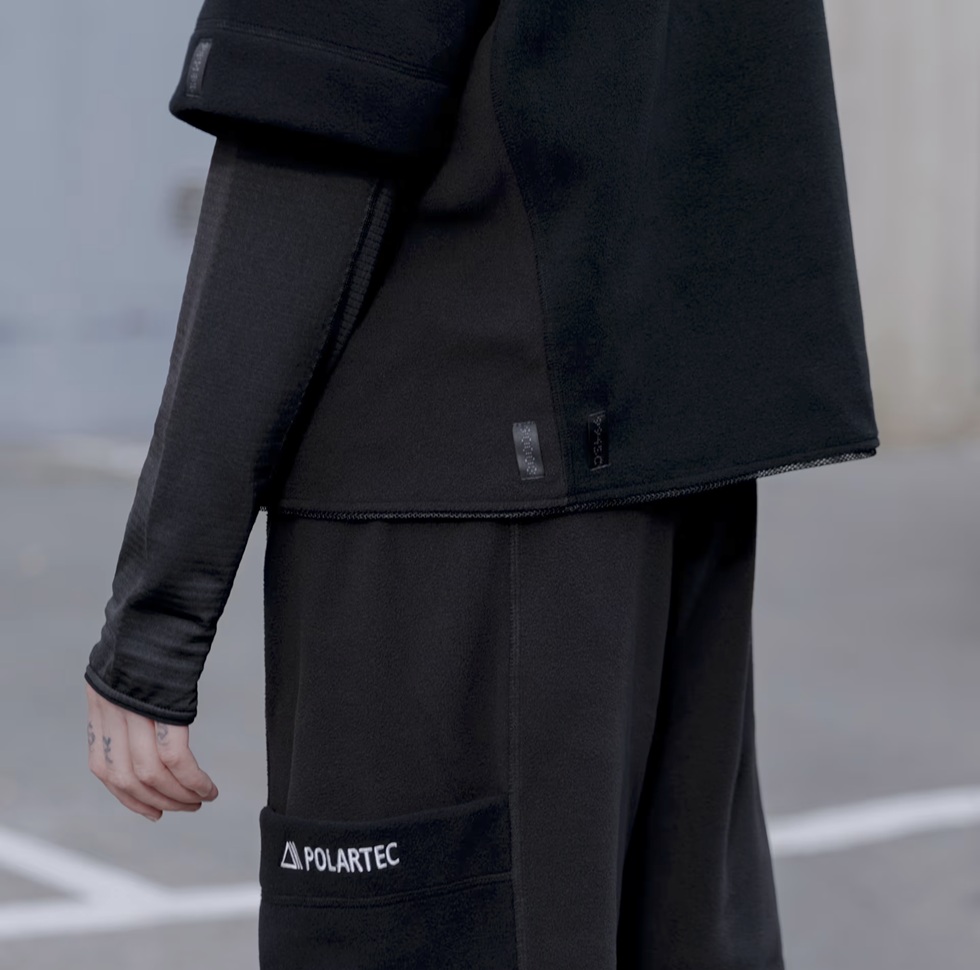
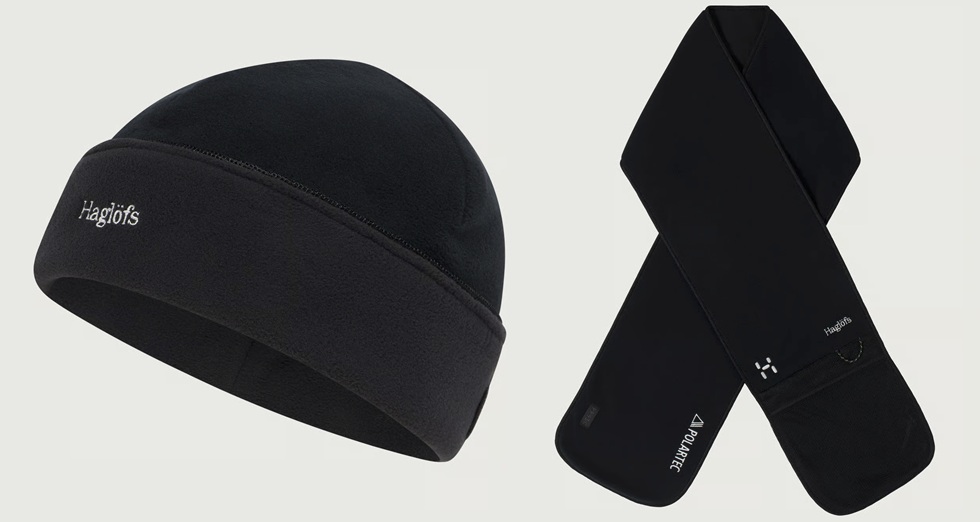
To make this hidden waste visible to consumers, Haglöfs manufactured the Black Capsule collection—comprising a Project Tee, a beanie, a scarf, and a pair of pants. Each garment was deliberately constructed from panels of distinct leftover black Polartec fleece. Every individual pattern piece featured a woven label displaying its precise color batch number. This design choice visually demonstrated the central premise of the project: the outdoor apparel sector was maintaining dozens of separate dye processes, each requiring individual chemical formulas, distinct minimum order quantities (MOQs), and independent supply chain overhead, simply to yield the same baseline color.
Understanding the Mechanics of Synthetic Dyeing
To grasp the magnitude of the problem, industry analysts point to the fundamental chemistry of synthetic materials. Unlike natural fibers such as wool and cotton, which readily absorb water-based dyes at relatively low thermal thresholds, polyester is fundamentally hydrophobic. It repels moisture, necessitating the use of disperse dyes applied under intense pressure in aqueous baths heated to 130 degrees Celsius or higher.
This process requires a significant, continuous draw of thermal energy. Furthermore, achieving a deep, enduring, and colorfast black requires the complex layering of multiple disperse dye molecules within a single thermal cycle. According to global textile impact studies, the fashion and textile sectors are responsible for roughly 20 percent of worldwide industrial water pollution, with wet processing—specifically dyeing and finishing—accounting for the lion’s share. Processing a single kilogram of polyester fabric can consume anywhere from 30 to 150 liters of water. Because black represents the darkest and most chemically demanding shade in any color palette, it sits squarely at the resource-intensive end of this spectrum.
When multiplied across hundreds of outdoor brands—each ordering separate runs to satisfy internal aesthetic specifications or minimum dye house thresholds—the collective environmental cost compounds rapidly. Dye houses operate most efficiently when processing large volumes of fabric, often requiring minimum order quantities of several hundred kilograms per batch. Smaller brands or niche lines that fail to meet these thresholds face pricing penalties or contribute to fragmented micro-batches, multiplying chemical waste and energy consumption across the global supply chain.
Strategic Implementation and Commercial Rollout
Following the conceptual proof delivered by the Black Capsule collection, Haglöfs and Polartec translated the research into a scalable commercial framework. The core mechanism of Standard Issue Black is elegantly straightforward: both entities agreed upon a single, optimized shade of black, engineered by Polartec as part of its primary production schedule, and made it accessible to the broader textile and apparel marketplace without proprietary licensing constraints or financial penalties.
By consolidating dozens of fragmented, low-volume dye batches into massive, unified production runs, the initiative achieves immediate efficiencies. Internal environmental assessments conducted by Haglöfs indicate that this batch consolidation yields a reduction of over 50 percent in water usage and at least a 20 percent decrease in thermal energy consumption compared to conventional, decentralized piece-dyeing operations for black synthetic fabrics. While these figures represent manufacturer-supplied calculations rather than independent third-party audits, the underlying chemical engineering principles are well established within industrial manufacturing.
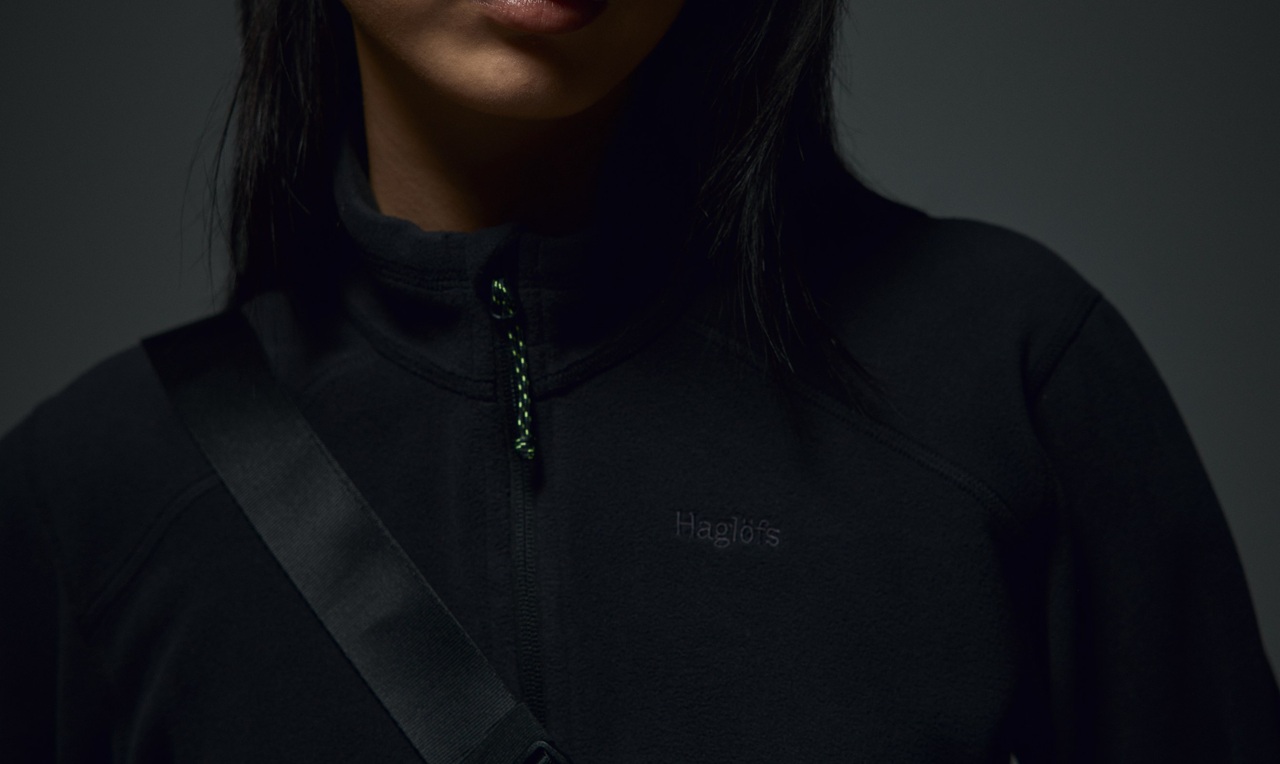
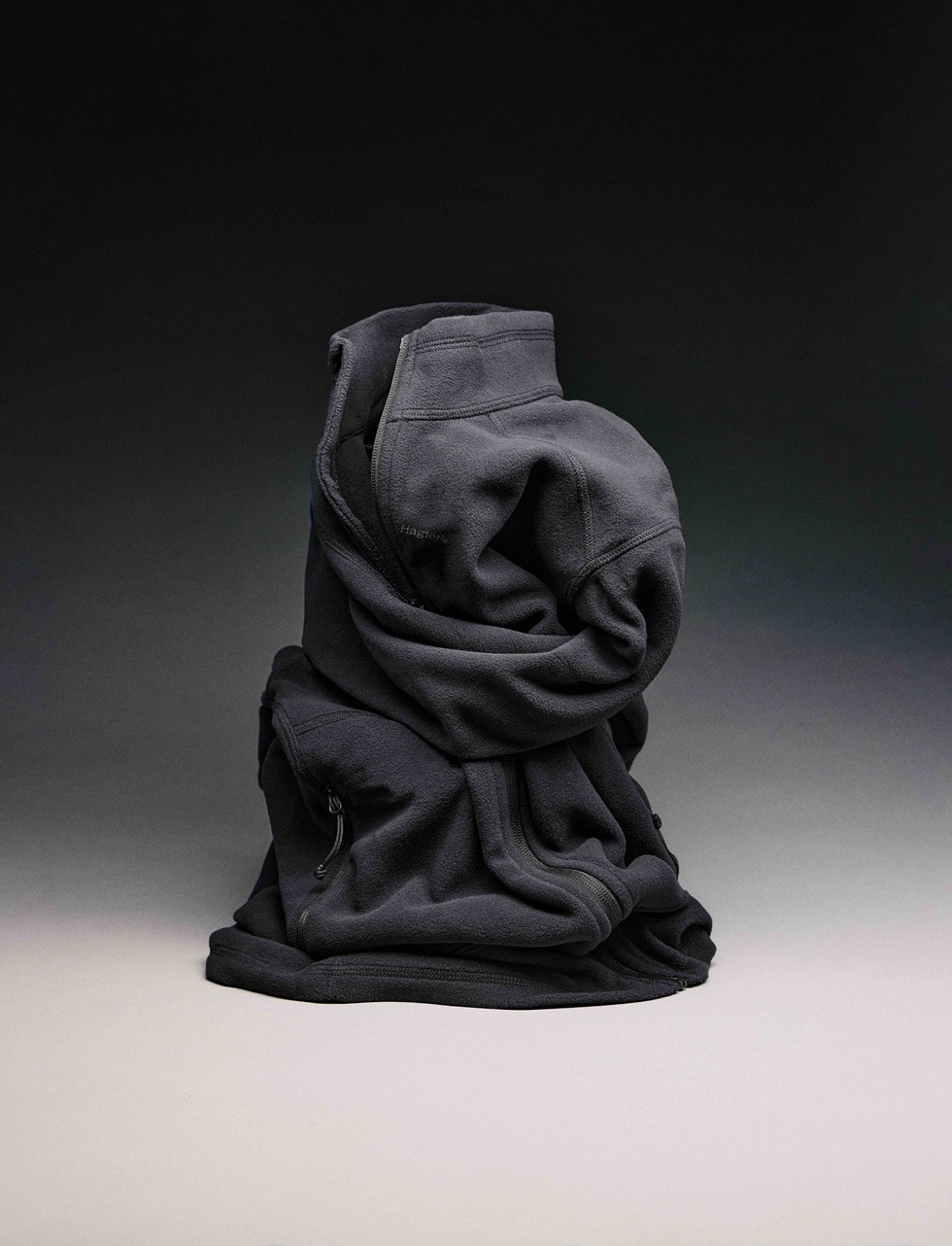
The transition from concept to widespread commercial availability officially begins with Haglöfs’ Fall/Winter 2026 collection. Crucially, the brand bypassed niche, limited-edition runs in favor of applying the standard to high-volume bestsellers. The Buteo Mid II Jacket serves as the primary commercial vehicle for the launch. By integrating Standard Issue Black into a high-turnover garment rather than an exclusive capsule piece, Haglöfs aims to prove that standardized color can support mass-market commercial demand.
Overcoming the Creativity Dilemma in Apparel Design
A frequent critique raised by apparel designers when confronting standardization is the potential erosion of creative differentiation. Within the fashion and outdoor industries, colorways often serve as primary markers of brand identity and seasonal storytelling.
Industry leaders, however, argue that black has never functioned as a core point of creative distinction for technical outerwear. Differentiation in the outdoor sector traditionally relies on silhouette engineering, ergonomic cut, technical fabric specifications, hardware selection, trim details, pocket configurations, and secondary accent colors. Black remains a foundational, neutral constant across nearly every outdoor catalog.
Eva Weiss, Head of Design and R&D at Haglöfs, addressed these concerns during the rollout of the initiative, noting that standardization provides a framework that frees up creative energy rather than restricting it. By aligning on a universal black, design teams can redirect resources toward structural innovation and functional performance while streamlining internal color-approval bottlenecks.
This operational shift mirrors parallel historical standards within the apparel industry. Decades ago, the outdoor sector converged on a limited array of zipper and fastener manufacturers, most notably YKK. The widespread adoption of standardized hardware did not stifle design innovation; instead, it established a reliable baseline of functional quality, allowing brands to focus on advanced weatherproofing, sustainable material sourcing, and ergonomic fit. Proponents of Standard Issue Black argue that color specification should follow a similar trajectory.
Broader Industry Implications and Institutional Inertia
Despite the clear economic and environmental arguments in favor of Standard Issue Black, market analysts note that widespread adoption across competing brands faces significant hurdles. The outdoor apparel industry has a documented history of well-intentioned sustainability initiatives that struggle to gain traction outside of their founding partnerships due to institutional inertia.
Furthermore, the persistent gap between consumer sustainability preferences and purchasing behaviors—frequently termed the "green premium" problem—has historically derailed innovations that require complex supply chain cooperation. Standard Issue Black is intentionally structured to bypass this financial friction; because consolidated dyeing increases manufacturing efficiency, the standard is cost-neutral or potentially cost-positive for participating brands.
Nevertheless, breaking established procurement habits requires a deliberate departure from legacy operating procedures. The apparel supply chain is governed by long-standing supplier relationships, proprietary color-matching protocols, and established quality-assurance workflows. Shifting these systems demands a degree of inter-brand cooperation that runs counter to traditional competitive strategies.
As the Buteo Mid II Jacket and subsequent Standard Issue Black garments enter the retail market through Haglöfs’ distribution channels, the wider industry is observing the rollout closely. The ultimate test of the initiative will not be its reception as a design philosophy, but whether competing outdoor brands are willing to set aside proprietary color variations in favor of collective resource efficiency. What began as a forensic examination of leftover fleece fragments has ultimately evolved into a pragmatic stress test for the outdoor sector’s commitment to systemic supply chain reform.