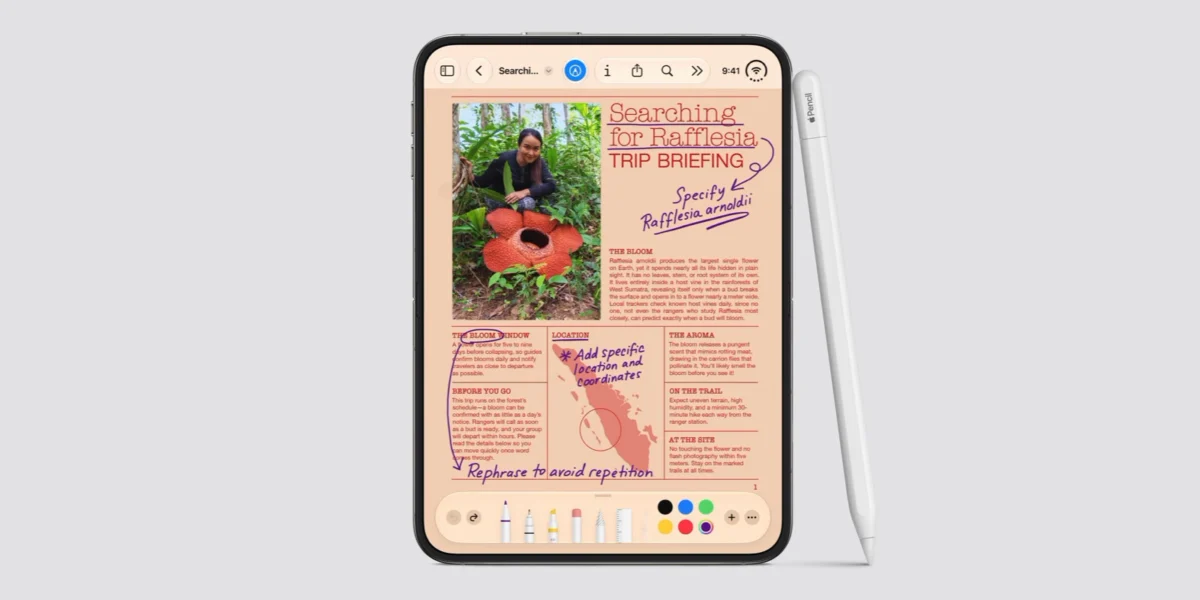
The landscape of the foldable smartphone market underwent a significant recalibration with the release of Apple’s iPhone Duo. While the device did not fundamentally rewrite the rules of foldable ergonomics or user interface design, it brought a level of refinement that has forced industry incumbents—specifically Samsung—to re-evaluate their design philosophies. Central to this shift is the introduction of stylus support for the iPhone Duo, a feature that, while seemingly straightforward to the end user, represents a complex engineering challenge that Apple navigated through a series of tactical pivots.
The Evolution of Stylus Integration in Foldables
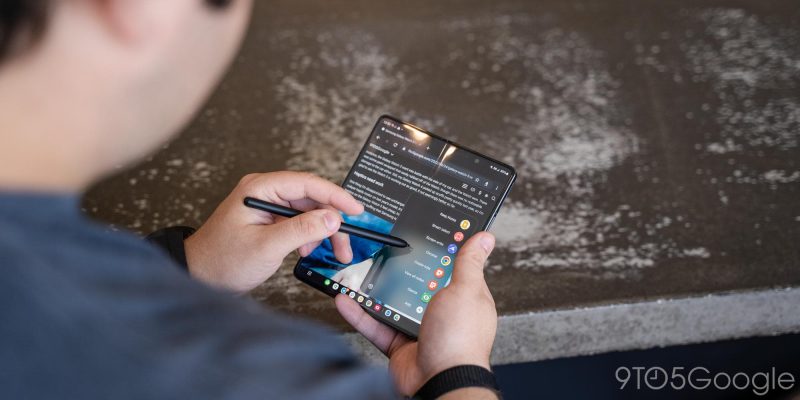
To understand the current state of the foldable market, one must examine the trajectory of the Samsung Galaxy Z Fold series. When Samsung launched the Galaxy Z Fold 3 in 2021, it was widely hailed as a turning point for mobile productivity. By integrating S Pen support into a folding form factor, Samsung effectively positioned its device as the spiritual successor to the Galaxy Note line.
The initial implementation required a specialized "S Pen Fold Edition." Unlike the traditional Bluetooth-enabled S Pens that fit inside the chassis of the Galaxy S24 Ultra, this version utilized an active electromagnetic resonance (EMR) digitizer layer integrated directly into the display stack. Because it did not require an internal battery, the stylus was thinner, yet it lacked the ability to be stowed within the device’s frame. For three iterations—the Fold 3, Fold 4, and Fold 5—this arrangement served as the gold standard for foldable utility.
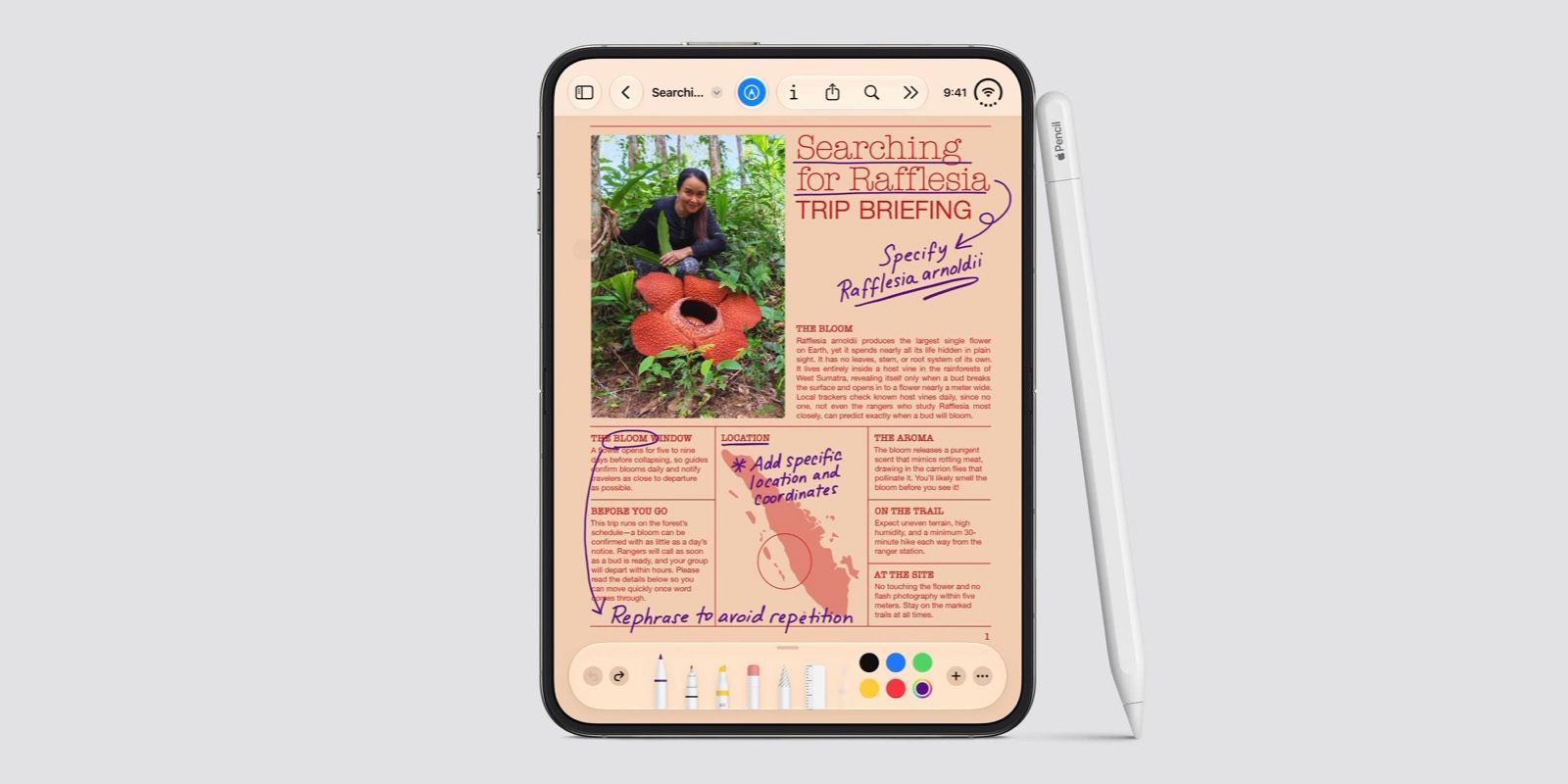
However, the industry’s obsession with achieving "paper-thin" profiles led to a drastic pivot. With the release of the Galaxy Z Fold 7, Samsung made the controversial decision to remove the digitizer layer entirely. The objective was clear: prioritize chassis reduction and weight optimization to compete with the sleekest offerings from Chinese manufacturers. As a result, the Fold 7 and subsequent models, including the Fold 8 and Fold 8 Ultra, abandoned stylus compatibility, much to the chagrin of power users who relied on the precision input for creative work and document annotation.
The Apple iPhone Duo Development Pivot
Apple’s approach to the iPhone Duo mirrors the complexity often associated with its hardware development cycles. According to reports from Bloomberg, the company did not initially intend to support existing iPad styluses. Internal development roadmaps revealed that Apple had been prototyping a proprietary, shortened version of the Apple Pencil specifically for the iPhone Duo. This specialized peripheral was designed to attach magnetically to the device’s hinge, maintaining the aesthetic and functional cleanliness that Apple users demand.
The strategy hit a wall just months before the scheduled mass production. Technical hurdles, likely related to the electromagnetic interference generated by the folding display and the structural integrity of the hinge-mounted charging coil, forced a last-minute cancellation of the dedicated accessory. Rather than delay the launch, Apple opted to enable support for existing USB-C Apple Pencils.
This transition was not a simple firmware toggle. Enabling stylus input requires precise calibration of the display’s touch-sensing controller to account for the increased pressure sensitivity and the specific latency requirements of the Apple Pencil ecosystem. Consequently, Apple has indicated that this functionality will not be available at launch, with a software update slated for late 2026 to unlock the feature. This measured rollout suggests that Apple is prioritizing stability and a "just-works" user experience, even if it means delivering the feature post-market.
Comparative Analysis: Samsung vs. Apple Engineering
The current divergence between the two tech giants creates a fascinating case study in product prioritization. Samsung’s primary engineering goal has been the reduction of physical bulk. The digitizer layer required for stylus input is not merely a piece of film; it is a complex component that adds thickness to the screen assembly. By removing it, Samsung successfully achieved a form factor that feels more like a standard smartphone when folded.
However, the cost of this thinness is a narrowing of the device’s use-case profile. By contrast, Apple is positioning the iPhone Duo as a productivity-first device that bridges the gap between a pocketable phone and a digital notepad. While Samsung has experimented with external, case-integrated stylus solutions, these have historically failed to gain mass-market traction due to their bulk and inconvenience.
The industry now finds itself in a situation where the competition is forcing a reassessment. Chinese manufacturers, including brands like Honor, Xiaomi, and Vivo, have largely embraced stylus support across their foldable lineups, often managing to maintain thin profiles without sacrificing input functionality. As Apple enters the fray, the lack of stylus support in the Galaxy Z Fold 8 and Fold 8 Ultra looks increasingly like a missed opportunity to dominate the "pro" segment of the market.
Chronology of Foldable Stylus Support
- August 2021: Samsung launches the Galaxy Z Fold 3, marking the first mainstream foldable with S Pen support using a dedicated digitizer layer.
- August 2022–August 2024: Samsung refines the S Pen experience with the Fold 4 and Fold 5, though the stylus remains an external accessory requiring a separate carry method.
- July 2025: Samsung releases the Galaxy Z Fold 7. In a strategic pivot toward ultra-thin hardware, Samsung removes the digitizer layer, ending S Pen support.
- September 2026: Apple announces the iPhone Duo. While a dedicated stylus is canceled due to production issues, Apple confirms support for existing iPad-compatible USB-C Pencils via a forthcoming software update.
- Late 2026 (Projected): Apple releases the software update enabling stylus functionality for the iPhone Duo.
- 2027 and Beyond: Industry analysts anticipate a return to stylus support in the Galaxy Z Fold 9, driven by competitive pressure and declining consumer satisfaction with stylus-less foldables.
The Path Forward for Foldables
The implications of this development are significant for the broader mobile industry. Samsung is currently in a defensive position. While the company has officially stated that it has not ruled out the return of the S Pen in future iterations, the engineering trade-offs remain high. To reintroduce a digitizer, Samsung would either need to accept a slight increase in device thickness or invest in next-generation, ultra-thin digitizer materials that currently carry high manufacturing costs.
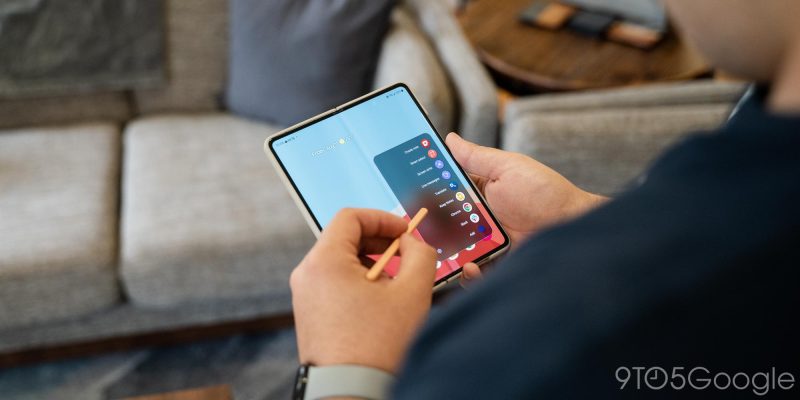
Market data suggests that while the general consumer prioritizes slimness, the core demographic for foldables—business professionals, digital artists, and students—places a premium on input versatility. Apple’s decision to include stylus support serves as a validation of this demographic’s needs. If Apple’s implementation proves successful, it will likely provide the necessary leverage for Samsung’s product teams to argue for the reintroduction of the S Pen in the Galaxy Z Fold 9.
Furthermore, this shift highlights the maturing of the foldable category. Initial iterations were focused on the "wow factor" of the flexible display. The current phase is defined by utility and ecosystem integration. For Apple, the iPhone Duo is an extension of the iPad/Mac workflow; for Samsung, the Z Fold is intended to be the ultimate mobile workstation. Both paths now seem to converge on the necessity of a stylus as an essential tool for the modern digital creator.
Conclusion: A Turning Point for the Industry
The current state of the foldable market demonstrates that hardware design is a zero-sum game of trade-offs. Samsung’s push for the "thinnest foldable" was a successful marketing tactic that clearly resonated with a specific segment of the market, but it left a void in professional functionality. Apple’s entry with the iPhone Duo, despite the manufacturing setbacks regarding its custom stylus, has effectively moved the goalposts.
By forcing a conversation about input methods, Apple has highlighted the gap between the "foldable phone" and the "foldable computer." As we look toward the 2027 product cycles, the pressure on Samsung will only increase. Whether the solution lies in new material science or a compromise on device thickness, the return of the stylus to the premier foldable lineup appears increasingly inevitable. The industry has entered a phase where the "polish" of the user experience—supported by robust, multi-modal input—has become just as important as the mechanics of the hinge itself.