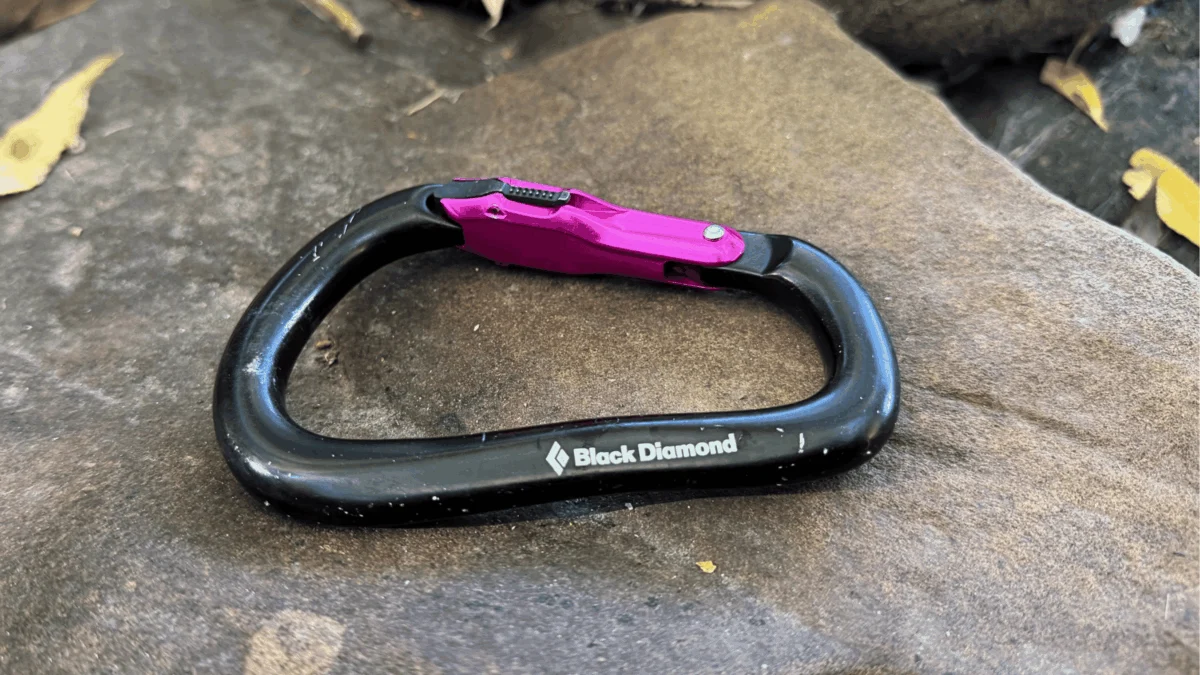
The Black Diamond Magnetron carabiner, once considered a relic of experimental gear design, has officially returned to the market, sparking a renewed debate regarding the intersection of mechanical innovation and practical climbing utility. The re-release of this triple-action, magnetic-locking carabiner, built on the familiar RockLock geometry, follows a multi-year hiatus that saw original units achieve a near-mythical status among gear enthusiasts and collectors. The resurgence of the Magnetron—a device that utilizes opposing magnetic fields to hold the gate closed—represents a significant moment for the outdoor equipment industry, highlighting the tension between high-tech engineering and the rugged, often harsh requirements of traditional climbing environments.
The Chronology of the Magnetron
The history of the Magnetron is defined by cycles of extreme anticipation followed by production challenges. First introduced over a decade ago, the Magnetron was marketed as a revolutionary solution to the "forgotten locker" problem—the human error of failing to screw or lock a carabiner gate. By utilizing magnets embedded in both the gate and the nose of the carabiner, Black Diamond created a mechanism that required no manual twisting or threading, offering an automated, secure closure that could be operated with one hand.
However, the manufacturing complexity of the original units proved unsustainable. The precision required to align the magnetic fields while maintaining the structural integrity of a load-bearing carabiner resulted in high production costs and slim margins. Black Diamond eventually phased out the product line, leading to a secondary market surge. During the intervening years, used Magnetrons were frequently listed on platforms such as Facebook Marketplace and eBay for prices significantly higher than their original MSRP. The gear became a "collector’s item," mentioned in the same breath as other discontinued legends like the Silent Partner or the original C3 cams, underscoring the fervent, if niche, devotion the design commanded.
The current re-release follows a strategic pre-sale campaign conducted in August 2026, which saw initial inventory depleted within hours of the announcement. This consumer behavior suggests that while the climbing community is often conservative regarding gear safety, there remains a powerful appetite for premium, "high-convenience" hardware.
Mechanical Specifications and Technical Design
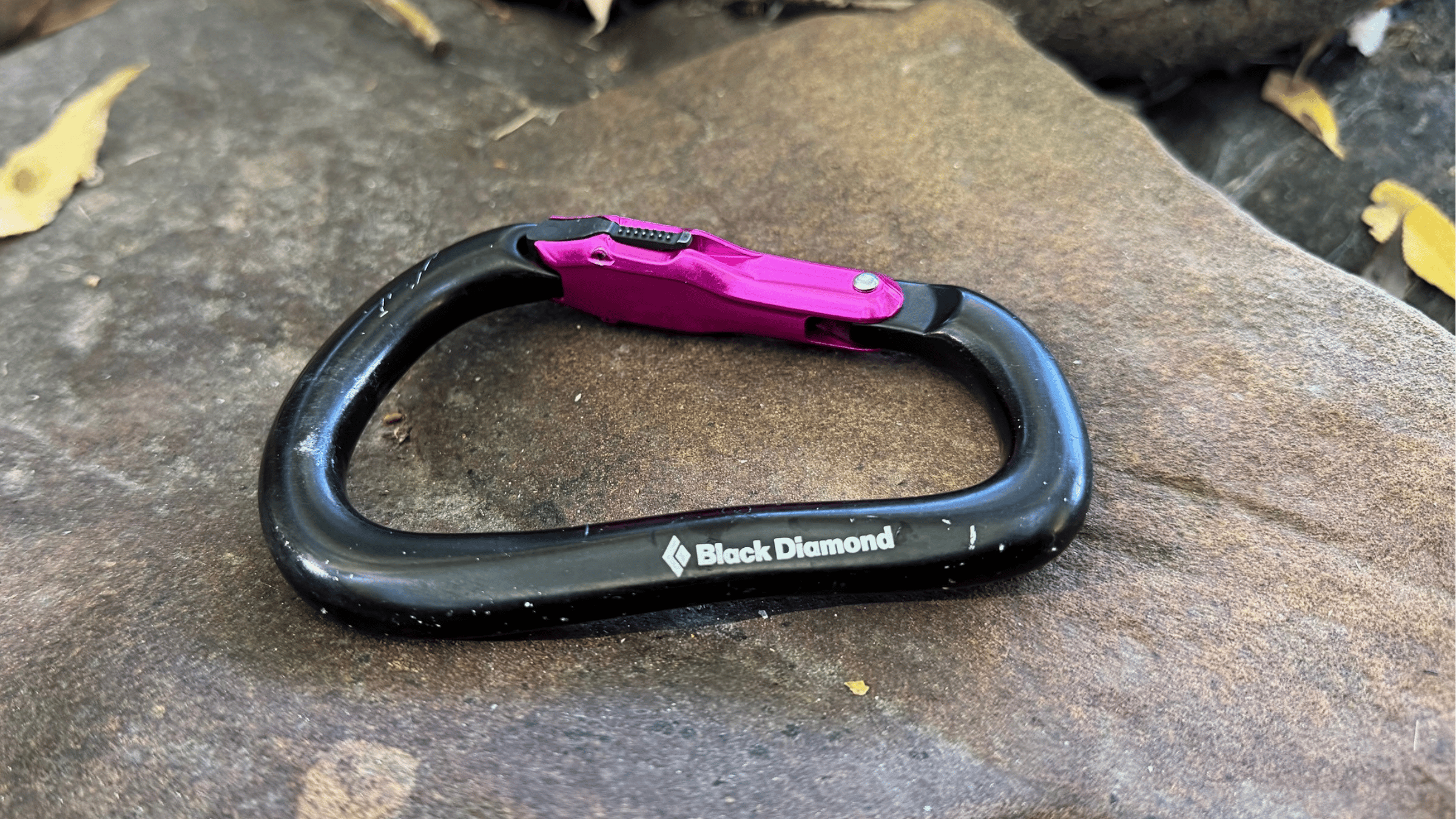
The newly released Magnetron is built upon the chassis of the Black Diamond RockLock, a classic pear-shaped carabiner. This design choice is intentional, as the large basket is well-suited for belaying with Munter hitches, managing multiple ropes, or serving as a master point at a climbing anchor.
From a technical standpoint, the Magnetron operates on a simple principle: two magnetic arms on the gate are attracted to steel inserts in the nose of the carabiner. To open the gate, the user must apply pressure to both sides of the gate simultaneously to disengage the magnetic lock. This triple-action security mechanism is designed to prevent accidental opening, a common failure point in standard screw-gate or twist-lock carabiners where vibrations or rope movement can occasionally cause a lock to unscrew.
However, the hardware introduces specific trade-offs. The unit weighs approximately 92 grams, a significant figure when compared to modern lightweight wire-gate or even standard screw-gate carabiners, which often weigh between 50 and 70 grams. This weight penalty is a critical factor for alpine and multi-pitch climbers, where every gram of pack weight is carefully calculated.
Environmental Constraints and Operational Limitations
A central point of analysis for gear experts concerns the efficacy of magnetic mechanisms in non-ideal conditions. The Magnetron’s reliance on mechanical magnets poses questions regarding performance in extreme environments.
- Icing and Cold Weather: In freezing conditions, moisture can accumulate within the gate mechanism. While the Magnetron’s magnets are shielded, the presence of ice or compacted snow can impede the movement of the gate arms.
- Particulate Contamination: One of the most significant critiques of the design involves its performance in environments with high concentrations of sand, silt, or micro-gravel—common in desert crags or coastal climbing areas. If grit enters the magnetic interface, it can prevent the gate from fully engaging, effectively rendering the "automatic" safety feature moot. This is a known issue with magnetic closure systems in other outdoor equipment, such as helmet buckles or pack closures, where debris can compromise magnetic alignment.
- One-Handed Operation: While touted as a one-handed tool, the width of the Magnetron can be a hurdle for users with smaller hand sizes. Effective operation requires the user to depress both magnetic arms at once, a movement that can be awkward if the carabiner is heavily loaded or if the climber is wearing gloves.
Economic and Market Implications
The re-release of the Magnetron at a price point of $55 per unit positions it as a "luxury" item within the hardware category. In a market where a standard, high-quality screw-gate carabiner can be purchased for $15 to $25, the Magnetron is clearly targeting a specific demographic: the "fair-weather" climber or the tech-focused hobbyist who prioritizes ease of use and gear novelty over weight savings or extreme durability.
From a retail perspective, the rapid sell-out of the pre-sale inventory indicates that the "brand prestige" of Black Diamond remains remarkably high. However, the long-term success of the product will depend on its performance over the next 24 months. If the current iteration of the Magnetron proves more reliable than its predecessors—thanks to updated internal R&D—it may solidify its place as a niche, high-end offering. If it continues to face the same environmental limitations that plagued the original, it may remain a polarizing tool, beloved by some for its convenience and rejected by others for its weight and perceived fragility.
Broader Industry Context
The return of the Magnetron coincides with a period of rapid advancement in climbing hardware. Over the last five years, there has been a push toward "set and forget" safety systems, such as advanced auto-locking belay devices and pre-rigged systems for rope soloing. The Magnetron fits into this broader trend of prioritizing user-friendly automation to mitigate the risks associated with human error.
Yet, there is a counter-movement in the climbing industry that advocates for "simplicity over complexity." The core philosophy of this group is that simpler mechanical systems have fewer points of failure. A screw-gate carabiner, while requiring manual interaction, is generally considered more field-repairable and less susceptible to the environmental failures that magnetic systems face.
Conclusion: The Future of the Magnetron
As Black Diamond brings the Magnetron back to the mainstream, the climbing community is faced with a test case for innovation. Is the convenience of a one-handed, magnetic-locking gate worth the trade-off in weight and the potential for mechanical failure in dirty or icy conditions?
For the average weekend climber, the Magnetron offers a high-tech solution to the mundane task of checking a gate lock, providing a psychological sense of security that many find valuable. For the professional guide or the alpine climber, the carabiner’s weight and susceptibility to environmental factors likely relegate it to a secondary, specialized role.
The Magnetron’s return is not merely a product launch; it is a reflection of a consumer base that is increasingly interested in the "mythology" of their gear as much as its function. Whether the Magnetron earns its place in the modern kit or remains a nostalgic, albeit functional, curiosity, its presence serves as a reminder that the evolution of climbing hardware is rarely a straight line—it is a continuous, and often cyclical, process of experimentation, rejection, and eventual refinement.