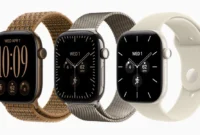
The release of the Apple Watch Series 12, paired with the sweeping interface and data-processing upgrades introduced in iOS 27, marks a significant turning point in the consumer wearable market. For years, dedicated health-tracking devices like the WHOOP band have maintained a competitive edge by offering granular, continuous health metrics and recovery-focused insights that traditional smartwatches often lacked. However, with recent architectural changes to both hardware and software, Apple is positioning the Series 12 as a comprehensive alternative for users who previously required specialized hardware to manage their biometric data.
The Evolution of Apple Health and Data Granularity
The primary criticism leveled against early iterations of the Apple Watch was its periodic data sampling. Previous models, including the Series 10 and 11, typically captured heart rate data at five-minute intervals. While sufficient for general fitness tracking, this approach often missed the nuance required for high-level physiological analysis—a domain where trackers like WHOOP thrived by monitoring heart rate variability (HRV) and respiratory rate on a near-constant, second-by-second basis.
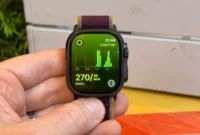
With the Apple Watch Series 12, Apple has addressed this fundamental technical limitation. The new hardware now samples heart rate data every five seconds. While still technically trailing the one-second interval used by some niche recovery trackers, the jump from five minutes to five seconds represents a 60-fold increase in data density. This shift allows the device to capture sudden spikes or drops in cardiac activity that were previously smoothed over by the longer sampling intervals, providing a much more accurate picture of an individual’s physiological response to stress, exercise, and recovery.

The iOS 27 Overhaul: Rethinking Data Visualization
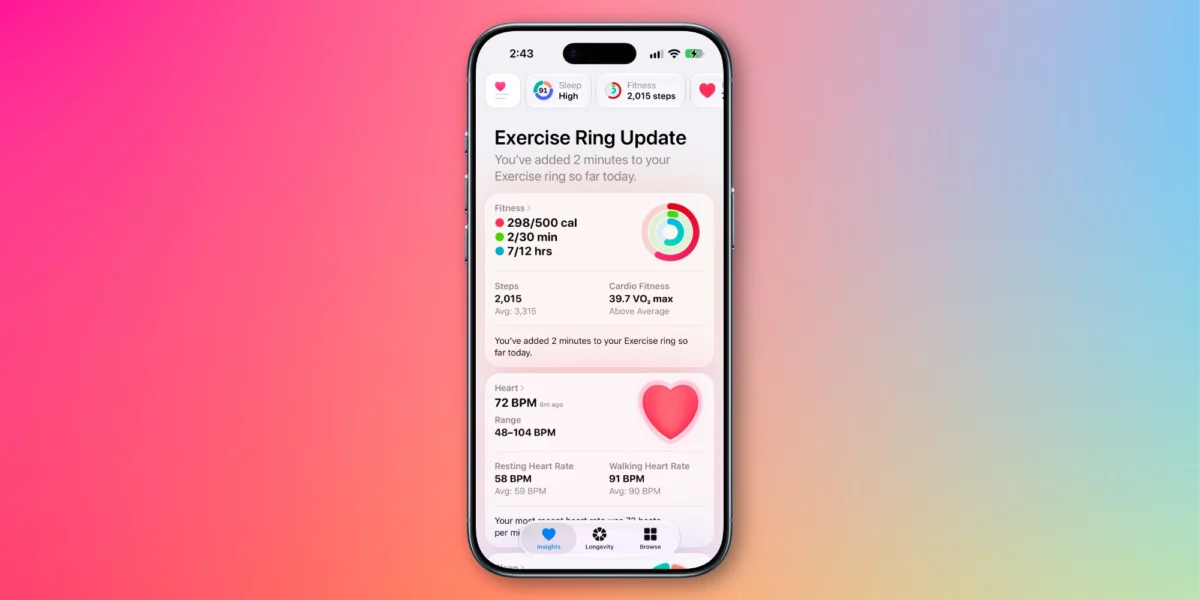
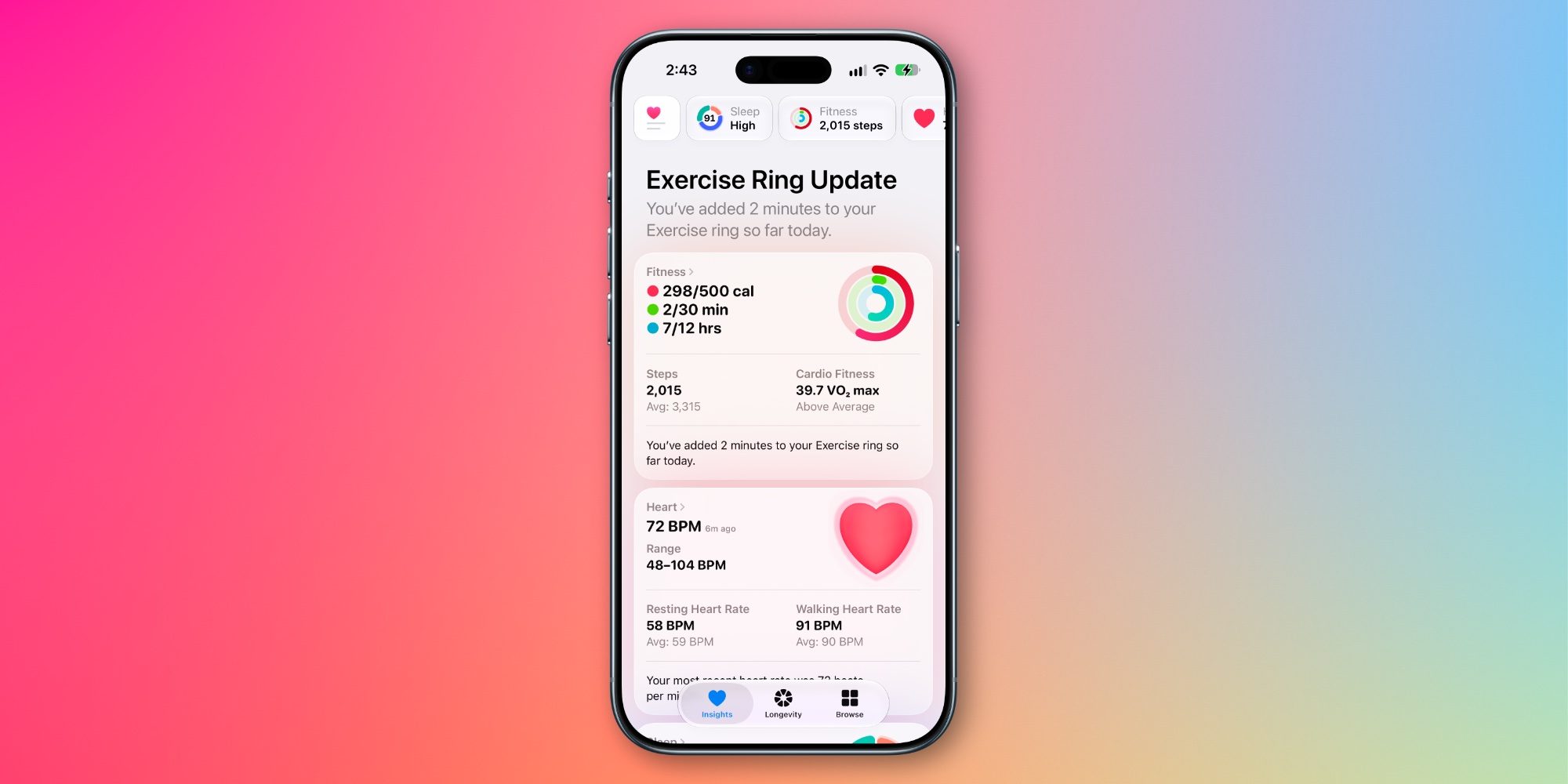
The hardware upgrade is complemented by the launch of the Apple Health app within the iOS 27 ecosystem. Historically, the Health app acted as a central repository for data, but it was often criticized for its dense, list-based interface that made longitudinal analysis difficult for the average user.
The iOS 27 update introduces a redesigned dashboard that prioritizes "at-a-glance" readability. By utilizing modular data cards, the application now surfaces actionable insights rather than burying them in deep menus. This UI overhaul aims to bridge the gap between "raw data collection" and "meaningful health intelligence." By transforming complex datasets—such as the correlation between sleep latency, blood oxygen saturation, and HRV—into cohesive visual summaries, Apple is making the platform more accessible to non-athletes who seek to understand their bodies without needing a degree in sports science.
The Introduction of the Readiness Score
Perhaps the most significant functional addition to the Series 12 is the integration of the "Readiness" app. This feature represents a direct challenge to the "Recovery" metrics popularized by subscription-based fitness services. The Readiness score calculates a 1-to-10 value based on a multi-factor analysis of HRV, resting heart rate, and sleep quality.
The inclusion of this metric addresses a long-standing issue with previous sleep-tracking features on the Apple Watch. In earlier versions, high sleep scores were often awarded based purely on the duration of rest, regardless of the quality or the underlying biological stressors. The new Readiness framework applies a weighted analysis: if a user logs eight hours of sleep but exhibits low HRV or elevated resting heart rates during the night, the algorithm will correctly lower the Readiness score. This nuance is critical for preventing overtraining and burnout, mirroring the logic used by professional training tools that have long been the gold standard for endurance athletes.
Competitive Dynamics and Market Positioning
The wearable market has seen a distinct bifurcation over the last decade. On one side are smartwatches, characterized by screens, app ecosystems, and communication tools. On the other are screenless, sensor-heavy trackers designed for deep physiological monitoring. The Apple Watch Series 12 attempts to synthesize these categories.
Industry analysts observe that by improving the frequency of data collection and refining the software interface, Apple is effectively narrowing the value proposition gap that previously existed between the two device categories. For a consumer, the utility of a display—allowing for real-time notifications, navigation, and payment capabilities—combined with professional-grade health analytics, creates a highly compelling case for consolidating devices.
Furthermore, the integration of these features into the core operating system significantly lowers the barrier to entry for the general public. While dedicated recovery trackers often require monthly recurring subscription fees to access deep-dive analytical dashboards, Apple’s model provides much of this data natively within the default iOS health suite, potentially disrupting the business models of dedicated health-tracking competitors.
Broader Implications for Health Monitoring
The move toward more frequent sensor polling and smarter algorithmic interpretation has implications beyond simple fitness tracking. With the increased accuracy of the Series 12, medical researchers and healthcare providers are looking closer at the device’s potential as a longitudinal monitoring tool.

The increased resolution of heart rate and HRV data could allow for more reliable early detection of illness or irregular cardiac events. If the device can consistently identify deviations from an established personal baseline within a five-second window, it could facilitate earlier clinical interventions. Apple has long hinted at its ambitions to position the Watch as a central pillar of preventative medicine, and the Series 12 represents a significant step in realizing that vision.
User Considerations and Future Outlook
For the current Apple Watch user, the decision to upgrade depends on the priority placed on data precision. For those who utilize the device for basic step counting and occasional workout tracking, the previous hardware remains functional. However, for users who have been exploring third-party solutions to manage recovery, stress, and sleep cycles, the Series 12 offers a unified ecosystem that eliminates the need to manage multiple devices and disparate software platforms.
The transition from a "fitness tracker" mindset to a "health management" mindset is now firmly embedded in the Apple product roadmap. The challenge for Apple moving forward will be maintaining the balance between the complexity of health data and the simplicity of its user interface. As the company continues to refine its sensor technology and machine learning algorithms, the Apple Watch is likely to become an increasingly indispensable tool for health-conscious consumers.
As the tech industry watches these developments, the focus will likely shift to how third-party app developers utilize the new, higher-resolution data streams provided by the Series 12. With more frequent updates and a more robust Readiness framework, the potential for third-party medical and performance apps to build upon Apple’s foundation is immense. The Series 12 is not merely a product refresh; it is a foundational upgrade that sets a new industry benchmark for what a daily-wearable health monitor should provide. Whether this evolution will lead to a broader abandonment of niche trackers remains to be seen, but the competitive pressure on specialized fitness hardware manufacturers has never been higher.