The integration of advanced artificial intelligence into consumer smart home ecosystems marks a significant shift in how users interact with their domestic security infrastructure. With the recent release of macOS 27 beta 3, Apple has codified a new requirement for its suite of AI-powered home monitoring tools: users must maintain a 2TB iCloud+ subscription to access the next generation of Home app features. This development, while consistent with Apple’s existing monetization strategy for HomeKit Secure Video (HKSV), represents a notable expansion of the company’s "pay-to-play" model for premium feature sets.
The Evolution of Apple’s Smart Home Strategy
Apple’s venture into AI-enhanced home security was formally unveiled during the company’s Worldwide Developers Conference (WWDC) in June 2026. The announcement promised to reduce "notification fatigue" by utilizing Apple Intelligence to synthesize multiple camera alerts into single, coherent summaries. Under the current standard, a homeowner returning from work might receive a flurry of discrete notifications: a motion alert for the driveway, a trigger for the garage door opening, a secondary alert for the door closing, and a final notification for the front door unlocking.
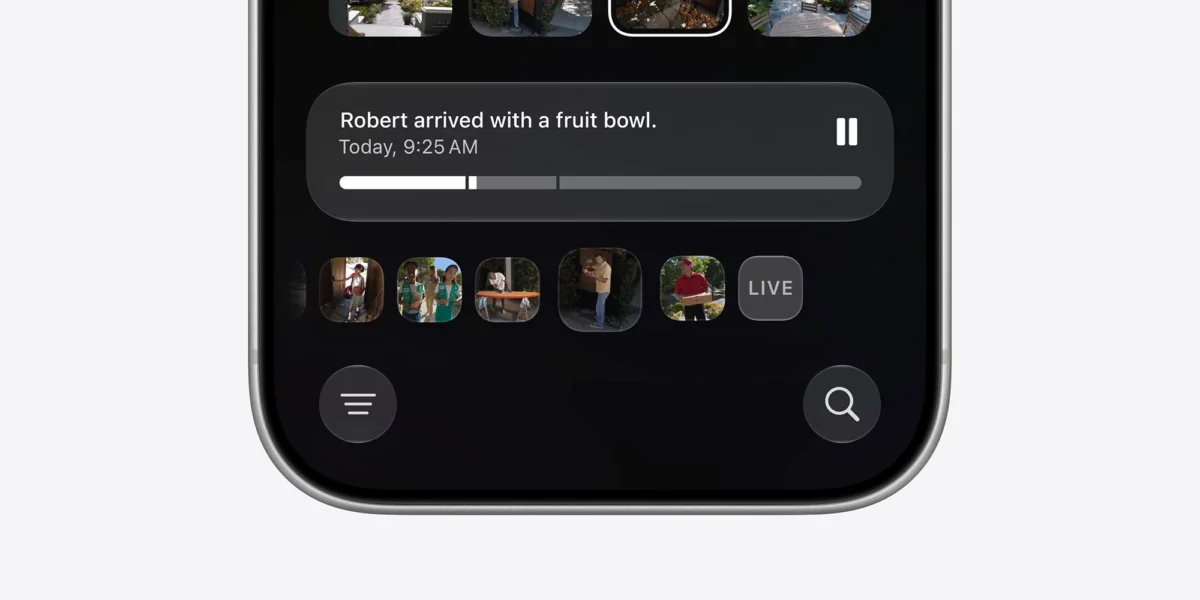
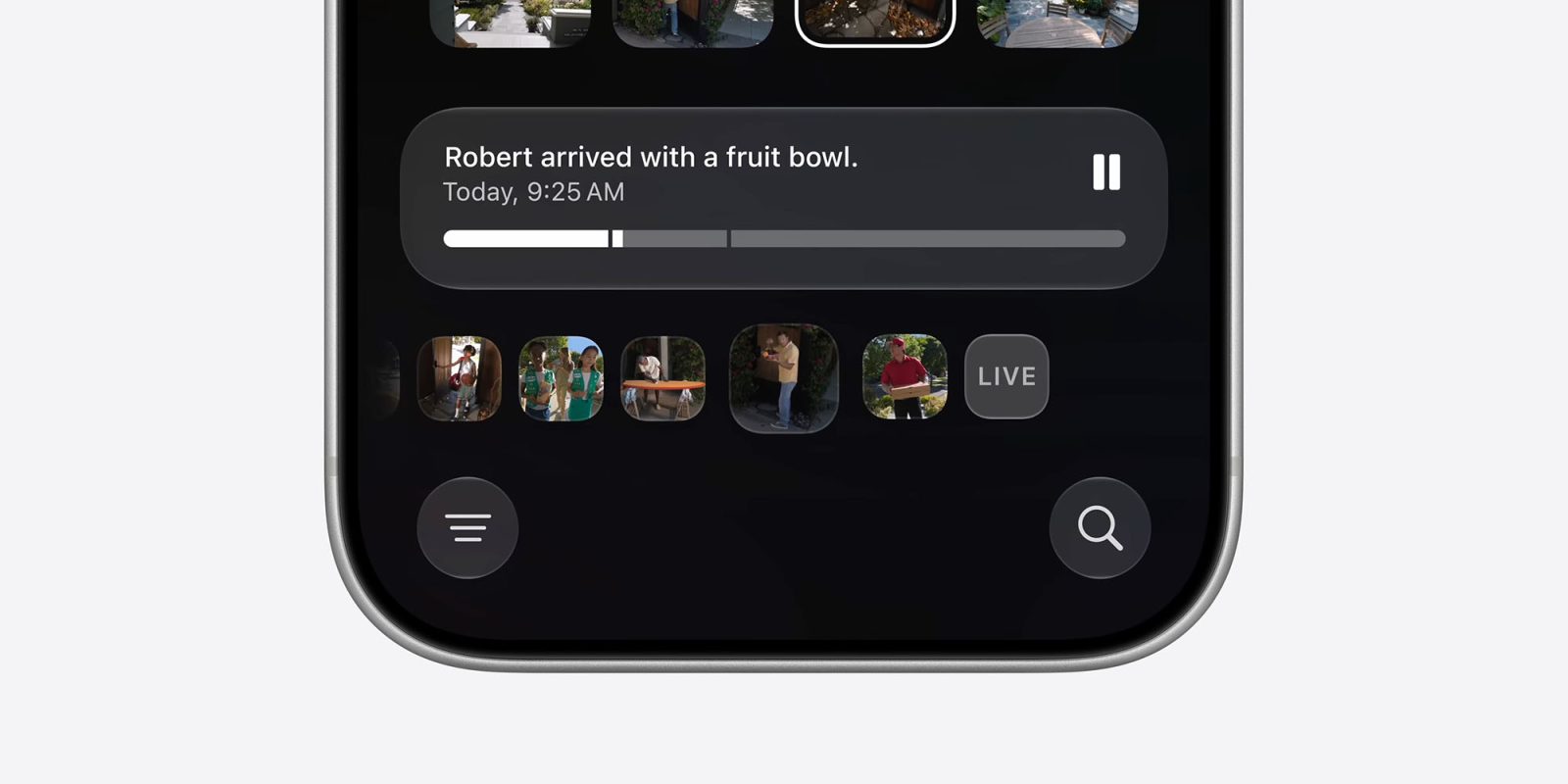
The new iOS 27 and macOS 27 framework aims to replace this fragmented alert stream with a singular, context-aware notification, such as, "Robert arrived home with a fruit bowl." This level of semantic understanding relies on localized processing and Apple’s cloud-based intelligence models. Beyond notification management, the update includes a jump from 1080p to 4K resolution for HKSV and introduces sophisticated search capabilities. Users can now perform natural language queries across their stored video clips—such as searching for "package delivery"—and receive AI-generated summaries of events that occurred while they were away.
Chronology of the Requirement
The transition toward this subscription-gated feature set follows a predictable, albeit restrictive, timeline:
- June 2026 (WWDC): Apple announces "Apple Intelligence" for the Home app, showcasing advanced video analysis and 4K support. At this stage, the full extent of the subscription requirements remained ambiguous.
- July 2026 (macOS 27 Beta 3): Developer documentation explicitly links the activation of these advanced AI features to the 2TB iCloud+ tier.
- Late 2026 (Anticipated): General public release of iOS 27 and macOS 27, where the hardware and software features become available to the wider consumer base, contingent upon the aforementioned cloud storage plan.
The technical requirement for the 2TB plan—which currently retails for $9.99 per month in the United States—is not merely an arbitrary price point. It functions as a tiered service model that Apple has cultivated over the past decade.
Data and Tiered Access Models
To understand the implications of this mandate, one must examine the existing structure of HomeKit Secure Video. Since its inception, Apple has utilized iCloud storage tiers to differentiate service levels:
- Free/Low Tier: Basic Home app access, but no long-term storage or advanced features.
- 50GB Tier ($0.99/mo): Limited support, often insufficient for high-definition video archives.
- 200GB Tier ($2.99/mo): Supports up to one camera with ten days of activity recording.
- 2TB Tier ($9.99/mo): Supports up to five cameras with ten days of activity recording.
The decision to limit the new AI features to the 2TB tier effectively excludes users with fewer than five cameras or those who rely on smaller storage plans. While the 2TB tier has historically been the threshold for "unlimited" or high-volume camera support, the inclusion of AI processing as a "value-add" for this specific tier suggests that Apple is positioning Apple Intelligence as a premium software-as-a-service (SaaS) product rather than a fundamental component of the operating system.
Industry Comparison and Competitive Context
The smart home security sector has long been dominated by subscription-based models. Competitors such as Google (Nest) and Amazon (Ring) have pioneered the "cloud-first" approach, where camera hardware is often sold at a lower margin, subsidized by recurring revenue from monthly monitoring or AI detection subscriptions.
Historically, Apple’s HomeKit Secure Video stood apart from these rivals by allowing users to store encrypted footage without a specific "camera subscription" fee, provided they were already paying for iCloud storage for backups and photos. By introducing a hardware-and-software-integrated AI feature that requires a high-tier subscription, Apple is narrowing the gap between its privacy-focused, ecosystem-locked approach and the aggressive subscription models of its competitors.
Industry analysts note that while this move may increase Average Revenue Per User (ARPU) for Apple’s Services division, it risks alienating a subset of the "prosumer" market that favored the Home app specifically to avoid the subscription-heavy landscape of traditional home security companies.
Analysis of Technical and Privacy Implications
The requirement for the 2TB plan is likely tied to the computational and storage overhead required for the AI models. Processing 4K video streams requires significant bandwidth and storage capacity. Furthermore, the generation of "video descriptions" and the indexing of clips for search functionality require server-side computing power. Apple has long emphasized that its AI processing occurs either on-device or within its Private Cloud Compute architecture.
However, from an architectural standpoint, the 2TB requirement serves as an effective barrier to prevent excessive server load. If every user with a single camera were to enable 4K AI analysis, the infrastructure costs for Apple would scale exponentially. By tethering these features to the 2TB tier, Apple limits the user base to those who are already high-value customers, effectively subsidizing the compute costs through the higher monthly fee.
Broader Impact and Consumer Reaction
The reaction from the technology community has been mixed. Supporters of the move argue that providing high-end AI processing, 4K streaming, and advanced metadata search is a resource-intensive endeavor that necessitates a higher revenue stream. From this perspective, the $9.99 monthly fee is a fair trade for a sophisticated, privacy-centric security system that does not rely on third-party cloud data harvesting.

Conversely, critics contend that the feature represents "feature creep" in subscription form. By locking functional improvements behind a paywall, Apple is effectively forcing users to pay for features that were previously considered hardware-level capabilities. The requirement creates a "two-tier" smart home environment: one for those willing to pay nearly $120 annually in cloud fees, and one for those restricted to basic functionality.
Furthermore, the implication for users with limited camera setups is significant. A user with two cameras—perhaps one at the front door and one in the backyard—would, under the new rules, be forced to upgrade from the 200GB plan to the 2TB plan, representing a nearly 233% increase in their monthly iCloud expenditure, despite not requiring the additional storage space.
Future Outlook for Apple Home
As Apple continues to refine its "Apple Intelligence" suite, the pattern of gating software features behind specific hardware or subscription tiers is likely to continue. The integration of the Home app with the wider Apple Intelligence ecosystem suggests that the future of the smart home will be defined by semantic understanding and predictive automation.
For the average consumer, the decision to subscribe will depend on the perceived value of the convenience offered by AI summaries. While the ability to instantly parse security events is undoubtedly a powerful tool, it remains to be seen whether the broader market will accept this as a necessary cost of modern home security or as an unnecessary tax on existing hardware investments.
As the industry moves toward a future where "smart" is synonymous with "subscription-based," Apple’s latest move serves as a bellwether for the rest of the market. Whether this strategy will lead to increased user retention or a shift in consumer sentiment toward more localized, non-subscription alternatives, such as local network video recorders (NVRs) or open-source home automation platforms, will become clearer as iOS 27 reaches global adoption. For now, the integration of AI into the Home app remains a luxury feature for the committed subscriber, rather than a utility for the general user base.